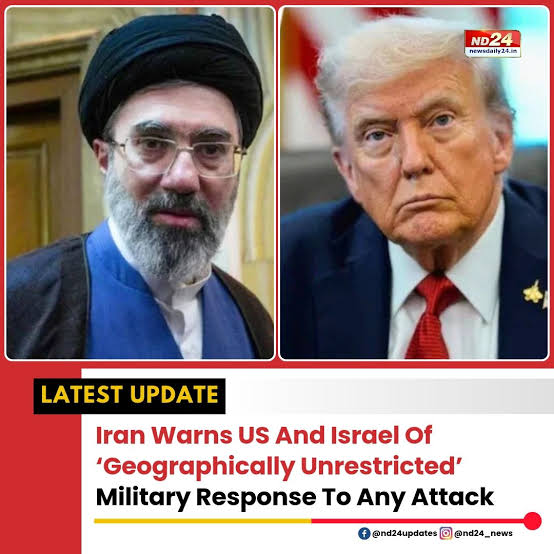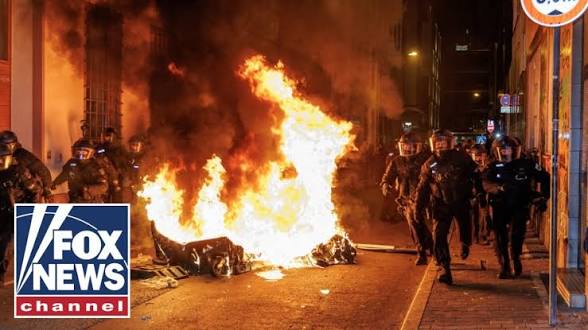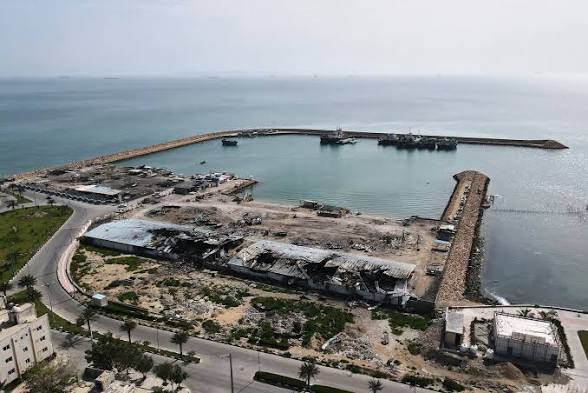
The United States has carried out limited military strikes against targets on Iran’s Qeshm Island, raising fresh concerns about the fragile security situation in the Middle East.
The operation took place on Monday, November 2, 2026, as American officials described the action as defensive. According to reports, the strikes targeted Iranian military capabilities that Washington believed posed a threat to American forces and commercial shipping.
The attack comes at a sensitive moment. The United States and Iran have been engaged in diplomatic efforts to reduce tensions, while the Strait of Hormuz remains a critical route for international energy supplies.
Reports from American officials indicate that the strikes were limited in scope and did not represent a return to large-scale military operations. However, the latest developments have raised questions about whether the conflict could escalate again.
The situation also highlights the challenge facing both governments: maintaining military security while pursuing a possible diplomatic settlement.
Sources:
Reuters+2
What Happened During the Qeshm Island Strikes?
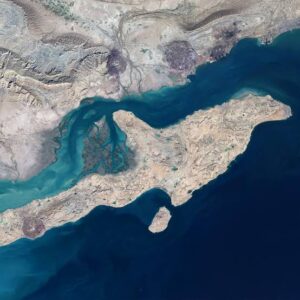
The reported American operation followed a series of explosions on Qeshm Island and nearby areas along Iran’s southern coast.
According to Reuters, the United States struck Iranian targets on the island after several explosions were reported by Iranian state media. American officials described the operation as a defensive measure against Iranian military forces.
The Associated Press also reported that an American official said the strikes targeted Iranian forces using surface-to-air missiles against US military assets.
The operation reportedly followed an incident involving Iranian fire directed at a US aircraft near the Strait of Hormuz. An American official told ABC News that the strikes were a response to that incident.
Iranian authorities reported explosions on Qeshm Island, while additional blasts were reported in nearby areas. The exact extent of the damage and the number of casualties have not been independently established in the available reporting.
The US military has not publicly released a detailed account of the operation.
Consequently, several important questions remain unanswered. These include the precise targets, the weapons used, the extent of damage to Iranian military facilities and whether any civilian infrastructure was affected.
Reuters+3
Why Qeshm Island Matters to the United States and Iran
Qeshm Island is located in Iran’s Hormozgan Province, near the Strait of Hormuz. Its geographical position makes it important to regional security and maritime transportation.
The Strait of Hormuz connects the Persian Gulf with the Gulf of Oman and the Arabian Sea. It serves as a major passage for oil tankers, commercial vessels and other maritime traffic.
Because of this location, military activity around Qeshm Island can affect the security of one of the world’s most important shipping routes.
The island also has military significance. Reports have identified Iranian coastal defense capabilities and military facilities in the surrounding area.
For the United States, protecting American forces and commercial shipping is a central concern. Iranian military activity near the strait can create risks for both.
For Iran, the island is part of its southern coastal defense network. Its location also gives Tehran influence over maritime activity near the entrance to the Persian Gulf.
The latest US strikes therefore carry significance beyond the immediate military targets.
Any further military action in the area could affect shipping operations, regional security and international energy markets.
Al Jazeera+2
Why Washington Described the Strikes as Defensive
American officials have characterized the operation as defensive rather than the beginning of a broader military campaign.
The distinction is important because the United States and Iran have been pursuing diplomatic efforts to reduce tensions.
According to reporting by ABC News, an American official said the strikes responded to an attack on a US aircraft. Reuters reported that the operation targeted Iranian forces using surface-to-air missiles against American assets.
The US position suggests that the operation was intended to reduce an immediate military threat.
However, describing an operation as defensive does not automatically establish that it was limited or that further escalation will not occur.
The consequences depend on the targets, the damage caused, the response from Iran and whether either government decides to expand its military operations.
The United States has also reportedly carried out other limited strikes in recent weeks. Officials have said that these operations were intended to prevent Iranian forces from attacking commercial vessels and American assets.
This broader context makes the Qeshm Island operation especially significant.
Although Washington has sought to avoid signaling a return to major combat operations, repeated military actions could make diplomatic negotiations more difficult.
Reuters+2
Iran’s Response and the Risk of Further Escalation
Iran has condemned American military actions and maintained that it has the right to defend itself.
Following the Qeshm Island strikes, Iranian Deputy Foreign Minister Kazem Gharibabadi said Tehran remained committed to diplomatic negotiations while retaining the right to self-defense.
Iranian officials have also warned that the country is prepared for different scenarios.
These statements demonstrate the difficult position facing Iranian leaders.
On one hand, Tehran has an interest in reducing the economic and security pressures associated with the conflict. On the other, Iranian officials face domestic and military pressure to respond to attacks against Iranian territory.
A military response could take several forms, including actions against American military assets, increased pressure on maritime shipping or a stronger diplomatic position.
However, it would be premature to conclude that Iran will necessarily launch another major attack.
The available reports do not establish that Tehran has decided to expand the conflict in response to the Qeshm Island strikes.
The situation remains dependent on decisions by both governments.
The Washington Post+2
The Strait of Hormuz and the Global Energy Market
The latest military developments have renewed concerns about the security of the Strait of Hormuz.
The waterway is a vital route for global energy transportation. Disruptions can affect oil supplies, shipping costs and the prices paid by consumers around the world.
The US strikes come amid an already fragile security environment.
Iran has faced restrictions on its maritime activity, while American officials have expressed concern about threats to commercial shipping.
Any further attacks on vessels or military assets could increase uncertainty for shipping companies.
The immediate effects could include higher insurance premiums, changes to shipping routes and delays in the movement of goods.
Energy markets have also responded to the latest developments.
According to Al Jazeera, oil prices rose by more than one dollar per barrel during early trading on November 3, as concerns about regional energy supplies increased.
Such movements do not necessarily indicate a lasting rise in oil prices. Market reactions depend on the duration of the disruption, the availability of alternative supplies and expectations about future military activity.
Nevertheless, the Qeshm Island strikes demonstrate how quickly military developments in the Middle East can influence international markets.
Al Jazeera+2
US-Iran Diplomatic Negotiations Continue
Despite the military operation, diplomatic efforts between Washington and Tehran have continued.
US Vice President JD Vance expressed optimism about the possibility of a negotiated settlement before reports of the Qeshm Island strikes emerged.
Iranian officials have also indicated that communications with the United States remain active through intermediaries.
The diplomatic discussions have focused on reducing hostilities, reopening the Strait of Hormuz and addressing the broader issues dividing the two countries.
Iran has reportedly proposed a plan to reopen the waterway within two days if Washington meets its conditions.
Those conditions include lifting the US naval blockade of Iranian ports and securing an end to hostilities.
However, a negotiated agreement remains uncertain.
The latest military operation could complicate the process by increasing pressure on both governments to demonstrate strength.
At the same time, the limited nature of the strikes may leave room for negotiations to continue.
The key question is whether Washington and Tehran can separate immediate military responses from their broader diplomatic objectives.
Al Jazeera+1
What the Latest Strikes Mean for Regional Security
The Qeshm Island operation highlights the continuing risks facing the Middle East.
Military forces from the United States and Iran remain active in an area where commercial shipping, energy infrastructure and regional security interests overlap.
Even a limited military operation can create uncertainty for neighboring countries.
Governments across the Gulf have an interest in preventing further disruption to shipping and energy supplies.
They also face the challenge of balancing their security relationships with Washington against the need to maintain stable relations with Tehran.
A broader conflict could create additional pressure on regional governments.
It could also affect international efforts to stabilize the region.
For these reasons, the latest strikes are being closely watched by governments, businesses and international observers.
The immediate military consequences may be limited, but the diplomatic and economic implications could extend well beyond Qeshm Island.
AP News+2
What Happens Next?
The next stage will depend on how the United States and Iran respond to the latest operation.
Several developments will be particularly important.
First, officials may provide additional information about the targets and the damage caused by the strikes.
Second, Iran may clarify whether it intends to take further military action.
Third, diplomatic negotiations may determine whether the two countries can agree on measures to reduce tensions.
The security of the Strait of Hormuz will also remain a major concern.
If commercial shipping continues without further disruption, pressure for an immediate military escalation may decrease.
However, additional attacks on vessels or military assets could increase the risk of a wider confrontation.
For now, the reported strikes do not establish that a major new military campaign has begun.
American officials have described the operation as limited and defensive. Iranian officials have condemned the action while maintaining that diplomatic negotiations remain possible.
The coming days will help determine whether the latest operation remains an isolated military response or becomes part of a broader confrontation.
Conclusion
The US strikes on Qeshm Island have introduced fresh uncertainty into an already fragile situation.
Washington has described the operation as a limited defensive action intended to protect American forces and maritime security.
Iran has condemned the attack while continuing to express interest in diplomatic negotiations.
The location of Qeshm Island makes the operation particularly important. Its proximity to the Strait of Hormuz means that further military activity could affect international shipping and energy markets.
Although the latest strikes do not necessarily signal a return to major combat operations, they demonstrate that the risk of renewed conflict remains.
The central challenge for both governments is to prevent further military escalation while pursuing a diplomatic settlement.
For international observers, the priority will be monitoring developments around the Strait of Hormuz and determining whether the United States and Iran can reduce tensions in the days ahead.
Reuters+2
Frequently Asked Questions
1. Why did the United States strike Qeshm Island?
American officials described the operation as a defensive response to Iranian military activity threatening US assets. An American official told ABC News that the strikes followed an incident involving Iranian fire directed at a US aircraft.
ABC News+1
2. Where is Qeshm Island located?
Qeshm Island is in Iran’s Hormozgan Province, near the Strait of Hormuz. Its location gives it strategic importance for maritime security and regional military operations.
Al Jazeera+1
3. What were the targets of the US strikes?
Reports indicate that Iranian military capabilities, including forces using surface-to-air missiles against American assets, were targeted. The complete list of targets and the extent of the damage have not been independently confirmed.
Reuters+1
4. Did the strikes mark the beginning of a new US-Iran war?
American officials described the operation as limited and defensive. The available reporting does not establish that a new large-scale military campaign has begun.
ABC News+1
5. How could the Qeshm Island strikes affect oil prices?
Military activity near the Strait of Hormuz can increase concerns about energy transportation. Such concerns may influence oil prices, shipping costs and insurance premiums.
Al Jazeera+1
6. Are the United States and Iran still negotiating?
Yes. Reports indicate that diplomatic communications between Washington and Tehran have continued through intermediaries. However, the latest military developments could complicate efforts to reach an agreement.
Al Jazeera+1
7. Could Iran retaliate against the United States?
Iranian officials have condemned the strikes and asserted the country’s right to self-defense. However, the available reporting does not establish that Iran has decided to launch a major retaliatory operation.
The Washington Post+1
8. What should readers watch for next?
Important developments include official statements from Washington and Tehran, further military activity near the Strait of Hormuz, changes in commercial shipping and progress in diplomatic negotiations.
About the Author