The United States’ latest military action against Iran has renewed attention on the escalating conflict in the Middle East. On November 2, US forces reportedly carried out limited strikes on Qeshm Island, a strategically important location near the Strait of Hormuz. The operation has raised questions about Washington’s military objectives, Iran’s response, and the possibility of renewed large-scale fighting.
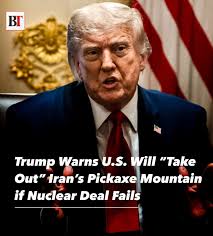
The reported Qeshm strike comes at a sensitive moment. American officials have described the operation as defensive, while President Donald Trump and Vice President JD Vance have expressed optimism about the possibility of reaching a diplomatic agreement with Tehran.
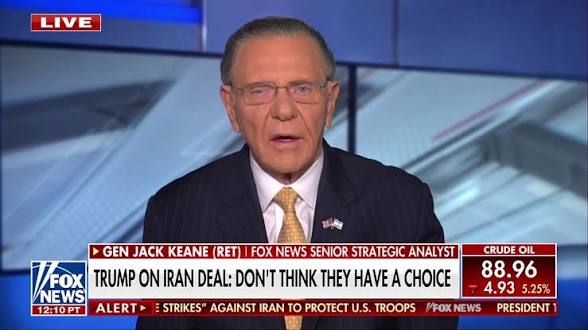
Retired General Jack Keane, a prominent military analyst and former US Army vice chief of staff, has previously discussed the wider conflict and its implications for American security. His strategic perspective provides a useful framework for understanding the significance of the latest developments.
However, it is important to distinguish between Keane’s established views on the Iran conflict and any specific reaction to the November 2 operation. As of November 3, a direct statement from Keane about this particular strike has not been independently verified in the available reporting.
This article examines the reported Qeshm Island strike, Keane’s broader military perspective, and the questions facing American policymakers as diplomacy and military operations continue to intersect.
What happened during the Qeshm Island strike?
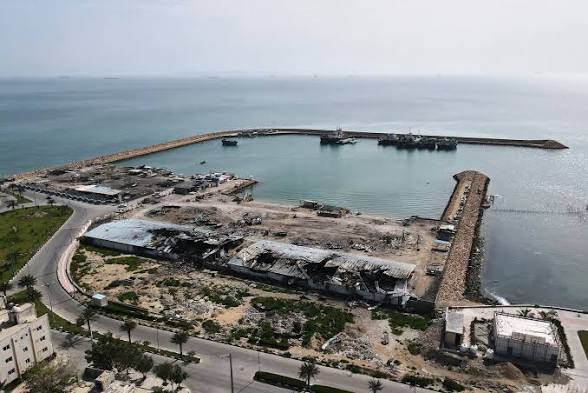
The United States carried out limited strikes against Iranian targets on Qeshm Island, according to American officials cited by Reuters and other news organizations on November 3.
The operation reportedly took place on Monday, November 2, as tensions continued around the Strait of Hormuz.
US officials described the strikes as defensive measures intended to protect American military assets. One official said the operation targeted Iranian forces using surface-to-air missiles against US assets.
Iranian state media reported hearing several explosions on Qeshm Island. However, the precise extent of the damage and the full list of targets had not been independently confirmed in the initial reporting.
The Pentagon referred questions about the operation to US Central Command, which had not immediately responded to requests for comment.
The distinction between a limited defensive operation and a renewed military campaign is central to understanding the event.
According to Reuters, American officials said the strikes did not signal a return to major combat operations against Iran.
Reuters+1
Why Qeshm Island matters to American military strategy
Qeshm Island occupies a strategically important position near the entrance to the Strait of Hormuz.
The waterway connects the Persian Gulf with the Gulf of Oman and the wider Indian Ocean. It serves as a major route for international oil shipments and other commercial goods.
Consequently, military activity around Qeshm Island can have consequences far beyond Iran and the United States.
The island’s location makes it relevant to several important security concerns.
Protecting commercial shipping
The Strait of Hormuz is a critical passage for international energy supplies.
Disruptions can increase shipping costs, delay deliveries, and create uncertainty in global energy markets. Military activity around the waterway can also affect the decisions of shipping companies and insurers.
American officials have repeatedly linked their military operations in the region to protecting commercial shipping and American assets.
Limiting threats to US forces
The reported Qeshm strike was described as a response to Iranian military activity against US assets.
According to NBC News, American officials said Iranian forces had continued targeting US aircraft and maritime shipping in the region.
The officials described the operation as part of ongoing defensive efforts rather than a new large-scale offensive.
That distinction is important because it suggests Washington is attempting to contain specific threats without necessarily abandoning diplomatic negotiations.
NBC4 Washington+1
Gen. Jack Keane’s broader perspective on the Iran conflict
Retired General Jack Keane has extensive experience in American military planning and national security.
He served as vice chief of staff of the US Army and later became a prominent commentator on military affairs.
Keane has frequently discussed the military balance between the United States, Israel, and Iran, including the importance of preventing further attacks against American personnel and regional allies.
His earlier public comments provide context for understanding the strategic questions raised by the Qeshm operation.
In March 2026, Keane discussed the expanding conflict with Fox News. He argued that Iran’s actions had widened the regional confrontation and discussed the importance of reducing Iran’s remaining retaliatory capabilities.
He also emphasized the significance of coordination between American forces, Israel, and regional partners.
Those earlier remarks demonstrate Keane’s emphasis on military readiness, regional security, and the consequences of allowing attacks against American forces to continue.
However, they should not be presented as a direct reaction to the November 2 Qeshm strike.
Fox News
Why the Qeshm strike raises important questions
The latest operation raises several questions about American military strategy.
The first concerns the purpose of limited strikes.
If American officials believe Iranian forces are preparing to attack US assets, they may consider targeted military action necessary to reduce that threat.
However, such operations can also create opportunities for further escalation.
The second question concerns the relationship between military action and diplomacy.
Washington and Tehran have reportedly continued indirect negotiations despite the latest military activity.
The third question concerns the future of the Strait of Hormuz.
A prolonged disruption could affect international trade, energy prices, and regional economic stability.
These issues are closely connected. Military operations, diplomatic negotiations, and commercial shipping conditions will all influence the next stage of the conflict.
Military pressure and diplomatic negotiations
The Qeshm strike occurred as American officials expressed optimism about a possible agreement with Iran.
Vice President JD Vance said the United States had made progress in negotiations and that he and President Trump remained hopeful about reaching a settlement.
Trump also indicated that an agreement with Tehran could be possible.
At the same time, Iranian officials have continued to warn that their country remains prepared for military confrontation.
This creates a complicated situation.
The United States is attempting to protect its military assets and regional interests while keeping the possibility of a diplomatic settlement open.
Iran, meanwhile, has its own demands concerning the conflict and the Strait of Hormuz.
A successful agreement would need to address these competing interests.
AP News+1
Could the strike lead to renewed fighting?
The possibility of renewed fighting remains one of the most important concerns following the Qeshm operation.
American officials have described the strikes as limited and defensive. That description suggests the operation was not intended to begin another major military campaign.
Nevertheless, limited strikes can produce wider consequences if the targeted country responds with additional attacks.
Iran could choose to respond through military action, pressure on commercial shipping, or diplomatic measures.
The United States could also conduct additional operations if its forces face further threats.
Neither outcome is certain.
The situation will depend on decisions made by military commanders, political leaders, and negotiators in the coming days.
Keane’s broader emphasis on military preparedness is relevant to this discussion because American policymakers must consider both immediate threats and the possibility of a prolonged regional confrontation.
However, his earlier statements should not be interpreted as confirmation that he supports a particular response to the latest operation.
The Strait of Hormuz and global energy markets
The strategic importance of the Qeshm strike extends beyond military considerations.
The Strait of Hormuz is one of the world’s most important energy transportation routes.
Any sustained disruption can affect the movement of oil and other commodities.
Energy markets often respond quickly to developments that could threaten supplies.
A military confrontation near the strait could therefore influence fuel prices, transportation costs, and economic expectations.
The consequences would not be limited to countries directly involved in the conflict.
Import-dependent economies, including India, could also face uncertainty if shipping disruptions affect energy supplies or international prices.
The possibility of a diplomatic agreement has already influenced market expectations.
Reuters reported that oil prices fell sharply on November 2 amid optimism about a possible settlement between Washington and Tehran.
However, market movements do not establish that a lasting agreement has been reached.
Reuters+1
What could happen next?
Several developments could shape the future of the conflict.
Further diplomatic discussions
American and Iranian officials could continue indirect negotiations through regional mediators.
A successful diplomatic process could reduce the likelihood of additional military operations.
Additional defensive military action
If American forces face further attacks, Washington could conduct additional limited strikes.
The scale and duration of any such operations would depend on the nature of the threat and the decisions made by US officials.
Continued uncertainty around shipping
The Strait of Hormuz could remain a major source of international concern.
Shipping companies, energy markets, and regional governments will closely monitor developments around the waterway.
A wider regional confrontation
A new cycle of attacks and retaliation could increase the risk of a broader conflict.
Such an outcome would have serious consequences for regional security and international trade.
These possibilities remain uncertain. The reported Qeshm strike does not, by itself, establish which direction the conflict will take.
Why Keane’s perspective remains relevant
Gen. Jack Keane’s military experience makes his analysis relevant to discussions about American strategy in the Middle East.
His previous commentary has emphasized the importance of military coordination, the protection of American forces, and the strategic consequences of Iran’s actions.
Those themes are directly relevant to the questions raised by the Qeshm operation.
Nevertheless, an accurate account must distinguish between Keane’s established public positions and his reaction to a specific event.
Without a verified statement addressing the November 2 strike, it would be misleading to attribute a particular judgment or prediction to him.
The broader strategic questions remain important regardless of whether Keane has publicly commented on this individual operation.
Conclusion
The reported Qeshm Island strike represents another significant development in the continuing confrontation between the United States and Iran.
American officials have described the operation as limited and defensive, emphasizing the protection of US military assets rather than a return to major combat operations.
The strike nevertheless highlights the continuing risks surrounding the Strait of Hormuz and the difficulty of maintaining diplomacy during an active military confrontation.
Gen. Jack Keane’s earlier commentary provides useful context for understanding the military and strategic issues involved. However, a direct reaction from Keane to the latest operation has not been independently verified in the available reporting.
The coming days will be important. Diplomatic negotiations, military decisions, and developments around the Strait of Hormuz could all influence the direction of the conflict.
For now, the Qeshm strike is a reminder that even limited military operations can carry significant regional and international consequences.
Frequently Asked Questions (FAQs)
1. What happened during the Qeshm Island strike?
The United States reportedly carried out limited strikes against Iranian targets on Qeshm Island on November 2, 2026. American officials described the operation as defensive and linked it to threats against US military assets.
2. Why did the United States strike Qeshm Island?
According to American officials, the strikes were intended to protect US assets from Iranian military threats. The operation reportedly targeted Iranian forces using surface-to-air missiles against American assets.
3. What did Gen. Jack Keane say about the Qeshm strike?
A direct statement from Gen. Jack Keane specifically addressing the November 2 strike has not been independently verified in the available reporting. His earlier commentary provides broader context on US military strategy and regional security.
4. Is the United States restarting its war against Iran?
American officials described the Qeshm operation as limited and defensive, stating that it did not signal a return to major combat operations. However, the possibility of further escalation remains uncertain.
5. Why is Qeshm Island strategically important?
Qeshm Island lies near the Strait of Hormuz, a major international shipping route. Its location makes it important for regional military security and the transportation of global energy supplies.
6. Could the Qeshm strike affect oil prices?
Yes. Further military escalation or disruptions to the Strait of Hormuz could influence oil prices and shipping costs. However, the extent of any future impact will depend on developments in the region.
7. Are the United States and Iran still negotiating?
Yes. Reports on November 3 indicated that indirect diplomatic discussions were continuing. American officials expressed optimism about a possible agreement, although important differences remain.
8. What happens next after the Qeshm strike?
The next developments could include further negotiations, additional defensive military operations, or renewed regional tensions. The outcome will depend on decisions made by American and Iranian officials.
About the Author