
A devastating plane crash in South Florida has claimed nine lives after a private jet plunged into a residentialarea near Palm Beach County on Sunday, November 1, 2026.
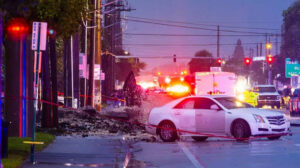
The Learjet 60 business jet crashed near Cresthaven, Florida, at approximately 12:50 p.m. local time. The aircraft erupted into a massive fireball when it struck the ground, leaving a large crater near a residential neighborhood and a busy roadway.
All nine people aboard the aircraft died, according to US transportation officials. Authorities reported no immediate injuries or deaths among people on the ground.
The aircraft had departed Austin-Bergstrom International Airport in Texas and was traveling toward North Eleuthera Airport in the Bahamas. The flight ended in a sudden and catastrophic descent that investigators are now working to understand.
The National Transportation Safety Board (NTSB) has launched an investigation, with the Federal Aviation Administration (FAA) assisting at the crash site.
The Florida jet crash has raised serious questions about the aircraft’s final moments, the weather conditions and the emergency calls made by the flight crew.
Officials have not yet determined the cause of the disaster.
Reuters+1
What happened during the Florida jet crash?
The aircraft was flying over South Florida when the situation reportedly deteriorated rapidly.
According to preliminary information from air traffic control recordings, the pilot reported encountering icing and moderate turbulence during the flight.
The aircraft was traveling at approximately 35,000 feet when the crew requested permission to climb higher. The request came as the jet encountered precipitation and unstable weather conditions.
Moments later, the aircraft began descending at an alarming rate.
Air traffic control recordings captured the pilot declaring an emergency and reporting that the aircraft was losing altitude rapidly.
The descent reportedly accelerated from approximately 10,000 feet per minute to 20,000 feet per minute, with some flight-tracking data indicating an even faster descent.
The aircraft then plunged toward the ground and crashed near a residential neighborhood.
The impact caused a major explosion, scattering debris across the area and leaving a large crater near the roadway.
Emergency responders rushed to the scene as flames and thick smoke rose above the crash site.
The aircraft’s rapid loss of altitude has become a central focus of the investigation.
Inquirer.com+1
Nine people confirmed dead
Authorities confirmed that all nine people aboard the Learjet 60 were killed in the crash.
The victims included everyone traveling on the aircraft. Officials had not immediately released their identities as investigators began examining the wreckage and notifying families.
The loss of nine lives has left families and loved ones facing an unimaginable tragedy.
The aircraft crashed in a residential area, creating an additional danger for people living nearby.
Despite the severity of the impact, authorities reported no immediate deaths or injuries among residents or other people on the ground.
The fact that the aircraft struck near homes and a busy road has highlighted how narrowly the disaster could have become even more devastating.
Officials are continuing to investigate the circumstances surrounding the crash and determine whether any additional factors contributed to the loss of life.
Inquirer.com+1
Where did the Florida jet crash occur?
The crash occurred near Cresthaven in Palm Beach County, Florida, close to Military Trail and 10th Avenue North.
The area includes residential properties and a mobile home community. The aircraft came down close to homes and a busy roadway, leaving residents shocked by the sudden impact.
The crash site was in the Greenacres area, approximately seven miles southwest of West Palm Beach.
Authorities closed nearby roads and established a security perimeter to allow emergency crews and investigators to work safely.
Local officials also ordered evacuations in the surrounding community as a precaution.
Approximately 600 residents were evacuated from a nearby mobile home park and relocated to two shelters.
The evacuation was intended to protect residents while emergency crews assessed the crash site and addressed the risks posed by debris and fire.
The proximity of the crash to homes has become one of the most alarming aspects of the incident.
Inquirer.com+1
Pilot’s final emergency calls raise questions
One of the most significant developments in the investigation is the air traffic control recording from the aircraft’s final moments.
The recording reportedly captured the pilot describing the worsening flight conditions before declaring an emergency.
The crew initially reported manageable icing and moderate turbulence. However, the situation appeared to deteriorate rapidly.
The pilot later reported a steep descent and an overspeed condition, indicating that the aircraft was losing altitude at an extraordinary rate.
The emergency calls provide investigators with a timeline of the final moments before the crash.
They may also help establish whether the crew experienced a sudden loss of control, a mechanical problem or another emergency.
Investigators will compare the recording with flight data, weather information and physical evidence from the wreckage.
Although the emergency calls offer important clues, they do not establish the cause of the crash.
The investigation must determine what happened inside the aircraft and why the crew was unable to recover from the descent.
Inquirer.com+1
Weather conditions under investigation
Weather conditions are among the factors investigators are examining following the Florida jet crash.
The aircraft reportedly encountered icing, moderate turbulence and precipitation before it began its rapid descent.
Heavy rain and thunderstorms were also reported in the region.
These conditions have raised questions about whether weather played a role in the disaster.
Ice accumulation on an aircraft can affect its aerodynamic performance. Depending on where ice forms and how much accumulates, it may interfere with airflow and the aircraft’s ability to maintain controlled flight.
However, investigators have not confirmed that icing caused this crash.
They will need to examine the aircraft’s systems, weather data and flight records before reaching a conclusion.
Thunderstorms and turbulence can also create challenging conditions for pilots, particularly when an aircraft is already experiencing another problem.
The investigation will therefore consider the complete weather environment rather than relying on a single reported condition.
At this stage, weather remains an important area of inquiry, not a confirmed explanation for the crash.
Reuters+1
NTSB launches investigation into the deadly crash
The National Transportation Safety Board is leading the investigation into the Florida jet crash.
The agency has dispatched investigators to examine the wreckage and collect evidence from the accident site.
The Federal Aviation Administration is also assisting with the investigation.
Investigators are expected to examine several key areas, including the aircraft’s flight history, maintenance records, weather conditions and communications with air traffic control.
The investigation will also involve studying the aircraft’s final flight data to establish how the descent developed.
The NTSB will work to determine whether the crash involved a mechanical failure, weather-related problems, a loss of control or a combination of factors.
Investigators will also review the aircraft’s systems and any available recordings that could help explain the emergency.
Aviation accident investigations can take considerable time because officials must carefully examine physical evidence and compare it with technical information.
The agency’s findings will be important in establishing the sequence of events and identifying any safety issues that may have contributed to the crash.
The Washington Post+1
What investigators will examine next
The investigation is likely to focus on several important questions.
First, investigators must determine why the aircraft began descending so rapidly.
They will examine whether the aircraft experienced a sudden mechanical problem, an aerodynamic issue or another event that caused the loss of altitude.
Second, investigators will analyze the reported icing and turbulence.
Weather records and aircraft performance data may help establish whether environmental conditions affected the flight.
Third, investigators will review the aircraft’s maintenance history and operating records.
This information may reveal whether the aircraft had experienced previous technical problems or required maintenance that could be relevant to the investigation.
Finally, officials will compare the flight crew’s emergency communications with the aircraft’s recorded data.
This comparison may help establish how quickly the situation developed and what options were available to the crew.
No single piece of evidence is likely to provide the entire explanation.
The NTSB will need to examine the available evidence as a whole before determining the probable cause.
Until that work is complete, any explanation for the Florida jet crash should be treated as preliminary.
The Economic Times+1
Why the crash has raised aviation safety concerns
The Florida jet crash has drawn attention to the dangers associated with a sudden loss of aircraft control.
The aircraft’s reported descent rate was extraordinary, and the final emergency calls suggest that the crew faced a rapidly developing crisis.
The incident also highlights the challenges pilots may encounter when weather conditions change during a flight.
Icing, turbulence and precipitation can create additional demands on flight crews. When several problems occur together, pilots may have limited time to assess the situation and respond.
However, investigators must determine whether these factors were actually responsible for the crash.
The incident has also highlighted the risks posed when an aircraft crashes near populated areas.
The aircraft came down close to homes and a busy roadway, creating a serious danger for people who were not involved in the flight.
The absence of reported ground casualties is significant, given the severity of the impact.
The investigation may ultimately provide important information about aircraft performance, emergency response and aviation safety.
For now, officials are focused on establishing what happened and supporting the families affected by the tragedy.
What happens after the investigation?
The NTSB’s investigation will continue as officials collect and analyze evidence.
Investigators may release preliminary information as they establish the facts surrounding the crash.
A preliminary report typically provides basic details about an accident, including the aircraft involved, the location and the known circumstances.
It does not necessarily identify the cause.
The final investigation report will provide a more complete explanation of the accident and identify the probable cause, if investigators can establish one.
The report may also include safety recommendations if investigators identify problems that could affect other aircraft or flight operations.
These recommendations can help aviation authorities, aircraft manufacturers and operators improve safety procedures.
The investigation will be especially important in this case because the aircraft’s sudden descent and the reported weather conditions raise several technical questions.
Officials must determine whether the crash resulted from one primary factor or a combination of circumstances.
Until the investigation reaches its conclusions, the cause of the Florida jet crash remains unknown.
Conclusion
The deadly Florida jet crash has claimed nine lives and left a residential community facing the aftermath of a devastating aviation accident.
The Learjet 60 was traveling from Texas to the Bahamas when it plunged toward the ground near Palm Beach County.
The reported icing, turbulence and rapid descent have become important areas of investigation.
However, authorities have not confirmed what caused the aircraft to crash.
The NTSB and FAA are examining the evidence to establish the sequence of events and determine the probable cause.
As investigators continue their work, the focus remains on understanding the tragedy, supporting the victims’ families and identifying any lessons that could help prevent similar accidents.
The Florida jet crash is a reminder of the importance of thorough aviation investigations and the need to establish facts before drawing conclusions.
Frequently asked questions
1. How many people died in the Florida jet crash?
Nine people died when a Learjet 60 crashed in Palm Beach County, Florida, on November 1, 2026. All nine people were aboard the aircraft.
2. Where did the Florida jet crash happen?
The aircraft crashed near Cresthaven in Palm Beach County, close to Greenacres and West Palm Beach. It struck a residential area near a busy roadway.
3. What caused the Florida jet crash?
The cause has not been confirmed. Investigators are examining weather conditions, reported icing, turbulence, aircraft performance and possible mechanical problems.
4. Where was the plane traveling from and to?
The Learjet 60 departed Austin-Bergstrom International Airport in Texas and was heading to North Eleuthera Airport in the Bahamas.
5. Was anyone on the ground injured?
Authorities reported no immediate injuries or deaths among people on the ground. Approximately 600 residents were evacuated from a nearby mobile home community as a precaution.
6. Which agency is investigating the crash?
The National Transportation Safety Board is leading the investigation, with assistance from the Federal Aviation Administration.
7. Did the pilot report an emergency?
Yes. Air traffic control recordings captured the pilot declaring an emergency and reporting a rapid descent shortly before the aircraft crashed.
8. Has the NTSB released its final report?
No final report was available in the initial reporting on November 2, 2026. Investigators are still examining the circumstances surrounding the crash.
About the Author