Trump calls for tougher sanctions after two US troops were killed in an Iranian attack. Here’s what happened, the military response, and global implications.
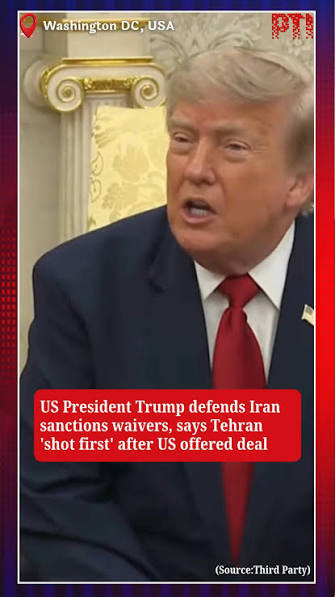
The Middle East has entered another dangerous phase after two United States service members were killed during an Iranian missile and drone attack targeting a military base in Jordan. The incident prompted President Donald Trump to demand significantly tougher sanctions on Iran while authorizing another round of military strikes against Iranian military targets. The developments have heightened fears of a broader regional conflict and renewed concerns over global energy security.
According to the Pentagon and U.S. Central Command, the attack resulted in the deaths of two American service members, while another remains missing and several others sustained injuries. In response, U.S. forces launched additional strikes aimed at degrading Iran’s military capabilities and preventing future attacks against American personnel.
The latest escalation comes amid an already tense confrontation between Washington and Tehran, with both sides exchanging military actions over recent months. Trump’s call for stronger sanctions reflects his administration’s strategy of combining military pressure with economic measures to deter further Iranian aggression.
What Happened in the Iranian Attack?
The attack occurred at a U.S. military installation in Jordan, where Iranian forces reportedly launched a coordinated barrage of ballistic missiles and drones. American and allied air defense systems intercepted several incoming threats, but some projectiles managed to reach the base.
The Pentagon confirmed:
- Two U.S. service members were killed.
- One service member remains missing.
- Several personnel suffered injuries, although most have returned to duty after receiving treatment.
Military officials described the attack as one of the most serious direct assaults on U.S. forces since the latest phase of hostilities began.
The deaths represent a significant escalation because direct casualties often trigger stronger military and political responses from Washington.
Trump’s Immediate Response
President Donald Trump responded swiftly, condemning the attack and promising that Iran would face severe consequences.
Among the key elements of Trump’s response were:
- Calls for tougher economic sanctions targeting Iran.
- Authorization of new military strikes.
- Public support for U.S. troops stationed in the Middle East.
- Renewed warnings that Iran would face overwhelming consequences for further attacks.
The administration argued that increasing sanctions alongside military action would further weaken Iran’s ability to finance missile programs, drone development, and regional proxy groups.
Why Is Trump Calling for Tougher Sanctions?
Sanctions have long been one of Washington’s primary tools for pressuring Iran.
Trump believes stronger sanctions could:
Reduce Military Funding
Economic restrictions limit government revenue available for military operations and weapons production.
Restrict Oil Revenue
Iran’s oil exports remain a major source of income. Additional sanctions could make international sales more difficult.
Pressure Political Leadership
Sanctions aim to increase economic pressure on Iranian leaders in hopes of changing strategic decisions.
Strengthen Negotiating Position
Supporters argue that tougher sanctions provide leverage during future diplomatic negotiations.
Critics, however, contend that sanctions can also increase hardship for ordinary civilians while not necessarily changing government policy.
The U.S. Military Response
Within hours of confirming the deaths of American personnel, U.S. Central Command launched another series of strikes targeting Iranian military infrastructure.
Officials stated that the objectives included:
- Missile storage facilities
- Air defense systems
- Revolutionary Guard military positions
- Coastal military installations
- Infrastructure supporting attacks on regional shipping
The Pentagon said the operation was intended to reduce Iran’s capability to launch additional missile or drone attacks against U.S. forces and commercial shipping routes.
Military officials emphasized that the strikes were defensive and designed to protect American personnel rather than initiate a broader ground conflict.
Why Jordan Has Become Strategically Important
Jordan occupies a critical position in Middle Eastern security.
Its importance includes:
- Hosting U.S. military personnel.
- Supporting coalition operations.
- Providing logistics for regional missions.
- Serving as a stable partner among neighboring conflict zones.
Any attack on U.S. forces stationed in Jordan immediately becomes a major security concern for both Washington and its regional allies.
Growing Regional Tensions
The latest attack is not an isolated incident.
Recent months have seen:
- Missile exchanges.
- Drone attacks.
- Airstrikes.
- Naval confrontations.
- Escalating threats involving commercial shipping.
Each new military exchange increases the possibility of wider regional escalation involving additional countries.
Several Gulf states have already increased military readiness as they monitor the situation closely.
Impact on the Strait of Hormuz
One of the world’s most strategically important waterways remains the Strait of Hormuz.
Approximately one-fifth of global oil supplies typically pass through this narrow shipping lane.
Military activity near the Strait creates concerns about:
- Higher oil prices.
- Shipping delays.
- Increased insurance costs.
- Global energy market volatility.
- Supply chain disruptions.
U.S. military officials stated that recent operations are also intended to maintain freedom of navigation in the region.
International Reaction
Countries around the world have responded with concern.
Many governments have urged:
- Immediate de-escalation.
- Diplomatic engagement.
- Protection of civilians.
- Continued maritime security.
- Avoidance of actions that could trigger a wider regional war.
International organizations continue monitoring the humanitarian and geopolitical consequences of the conflict.
Iran’s Response to the Latest U.S. Strikes
Iran strongly condemned the latest round of U.S. airstrikes, describing them as violations of its sovereignty. Iranian officials warned that continued military operations could trigger additional retaliatory actions against U.S. forces and allied interests across the region. At the same time, Tehran reiterated that it would defend its territory while leaving the door open for diplomacy if military pressure eased.
The renewed exchange of attacks has raised concerns that the conflict could expand beyond direct U.S.-Iran confrontations to involve regional partners and key shipping routes.
Impact on Global Oil Markets
Financial markets reacted cautiously to the escalating tensions. Investors closely monitored developments around the Strait of Hormuz, through which a significant share of the world’s oil exports travels.
Analysts warn that prolonged military operations could result in:
- Increased oil price volatility
- Higher transportation and insurance costs
- Supply chain disruptions
- Inflationary pressure on global economies
- Greater uncertainty in energy markets
Although energy supplies have not been completely disrupted, continued instability in the Gulf remains a major concern for governments and businesses worldwide.
Diplomatic Efforts Face New Challenges
Several countries have urged both Washington and Tehran to avoid further escalation. International leaders continue to call for restraint, dialogue, and measures to prevent additional civilian and military casualties.
Diplomatic efforts have become increasingly difficult as each new exchange of strikes reduces trust between the two sides. Even so, analysts believe negotiations remain the only sustainable path toward reducing long-term regional tensions.
Security Implications for the Middle East
The latest attack has prompted U.S. allies across the Middle East to review their security posture. Military installations have strengthened defensive measures, while air defense systems remain on heightened alert.
Regional governments are particularly concerned about:
- Missile and drone attacks on military bases
- Threats to commercial shipping
- Cybersecurity risks
- Possible disruption of international trade
- Humanitarian consequences of a prolonged conflict
Security experts warn that even isolated incidents could have wider geopolitical consequences if retaliation continues.
How Tougher Sanctions Could Affect Iran
President Trump’s proposal for stronger sanctions is aimed at increasing economic pressure on Tehran.
Potential effects include:
- Reduced access to international financial markets
- Lower oil export revenues
- Restrictions on defense-related procurement
- Greater pressure on key industries
- Increased diplomatic isolation
Supporters argue these measures could limit Iran’s military resources, while critics caution that broader sanctions may also affect ordinary civilians without guaranteeing a change in government policy.
Military Analysis
Defense analysts say the latest U.S. strikes appear designed to weaken Iran’s operational capabilities while avoiding a full-scale ground war. The focus has reportedly remained on military infrastructure associated with missile launches, drone operations, and logistics supporting attacks against U.S. personnel and maritime traffic.
Military planners also continue to emphasize force protection, intelligence sharing, and regional cooperation to reduce the risk of additional attacks on American troops.
What Happens Next?
The coming weeks are likely to be critical for determining whether tensions continue to escalate or shift toward renewed diplomatic engagement.
Possible scenarios include:
- Additional U.S. sanctions targeting Iran’s economy.
- Further military exchanges if attacks continue.
- Increased international mediation efforts.
- Expanded regional security cooperation.
- Renewed negotiations aimed at preventing a broader conflict.
The situation remains highly fluid, and official statements from both governments will continue to shape developments.
Conclusion
The deaths of two U.S. service members in the Iranian missile and drone attack mark another serious escalation in the ongoing confrontation between Washington and Tehran. President Donald Trump’s call for tougher sanctions, combined with renewed U.S. military strikes, signals a strategy of increasing both economic and military pressure on Iran.
At the same time, the conflict carries risks that extend well beyond the two countries. Regional security, global energy markets, international trade, and diplomatic stability could all be affected if hostilities continue.
As governments around the world monitor the crisis, many are urging restraint and renewed diplomatic engagement. Whether the coming weeks bring further escalation or a return to negotiations will have significant implications for the Middle East and the broader international community.
Frequently Asked Questions (FAQs)
1. Why did Trump call for tougher sanctions on Iran?
Trump called for tougher sanctions after two U.S. service members were killed in an Iranian missile and drone attack, arguing that increased economic pressure could deter future aggression.
2. Where did the attack on U.S. troops occur?
According to U.S. officials, the attack targeted an American military installation in Jordan.
3. How did the United States respond?
The U.S. launched additional airstrikes against Iranian military targets and reiterated its commitment to protecting American forces in the region.
4. Why is the Strait of Hormuz important?
The Strait of Hormuz is one of the world’s most important maritime routes for oil exports, making regional instability there a global economic concern.
5. Could tougher sanctions affect global markets?
Yes. Expanded sanctions and prolonged tensions could influence oil prices, shipping costs, and broader financial markets.
6. Is a wider regional conflict possible?
Analysts warn that continued retaliation increases the risk of broader regional instability, although diplomatic efforts remain ongoing.
7. What is the U.S. objective?
U.S. officials say the objective is to protect American personnel, reduce Iran’s military capabilities used in attacks, and safeguard freedom of navigation in the region.
8. What should readers watch next?
Key developments include potential new sanctions, additional military actions, diplomatic initiatives, and updates from U.S. and Iranian officials regarding the evolving situation.
How useful was this post?
Click on a star to rate it!
Average rating 0 / 5. Vote count: 0
No votes so far! Be the first to rate this post.
About the Author

usa5911.com
Administrator
Hi, I’m Gurdeep Singh, a professional content writer from India with over 3 years of experience in the field. I specialize in covering U.S. politics, delivering timely and engaging content tailored specifically for an American audience. Along with my dedicated team, we track and report on all the latest political trends, news, and in-depth analysis shaping the United States today. Our goal is to provide clear, factual, and compelling content that keeps readers informed and engaged with the ever-changing political landscape.