Trump Urgent Plea:US Troops Killed In Attack,Sanctions Hit,WW3
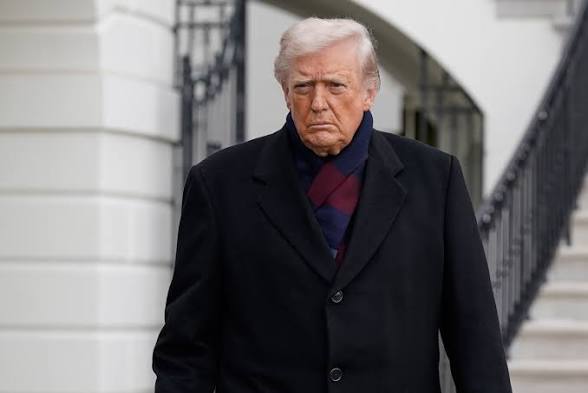
The Middle East crisis has entered another dangerous phase after two American service members were killed in an Iranian missile attack on a military base in Jordan. The incident prompted President Donald Trump to call for tougher sanctions on Iran while ordering another round of US military strikes against Iranian military targets.
The deaths of the US troops have intensified international concerns about the possibility of a broader regional conflict. Governments across the Middle East remain on high alert as military operations continue, while world leaders urge restraint to prevent further escalation.
US Troops Killed In Jordan Attack
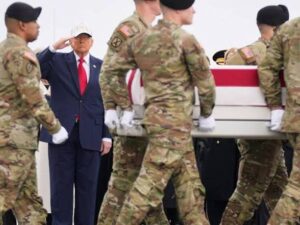
According to US Central Command, Iranian ballistic missiles struck the Muwaffaq Salti Air Base in Jordan, killing two US service members and injuring several others. Another American service member was initially reported missing following the attack.
Officials described the strike as one of the most serious attacks on American forces since hostilities resumed earlier this month.
Military authorities confirmed that:
- Two US troops were killed.
- Several personnel suffered injuries.
- Search operations continued for missing personnel.
- Defensive systems intercepted additional incoming missiles.
Trump Issues Urgent Plea
Following confirmation of the casualties, President Donald Trump expressed condolences to the families of the fallen troops.
He also urged lawmakers to strengthen sanctions against Iran, arguing that increasing economic pressure remains necessary alongside military operations.
Trump stated that the United States would continue defending its personnel and regional allies while responding decisively to attacks targeting American forces.
Fresh US Airstrikes Target Iranian Military Sites
Within hours of the Jordan attack, US forces launched another wave of precision strikes against Iranian military facilities.
According to US officials, the operations targeted:
- Missile storage facilities
- Air defense systems
- Revolutionary Guard infrastructure
- Drone launch locations
- Coastal military installations
Defense officials said the objective was to reduce Iran’s capability to conduct future attacks against US forces and international shipping.
Why Jordan Matters
Jordan has become an increasingly important logistical hub for US operations across the Middle East.
Its military bases support:
- Regional surveillance
- Air operations
- Intelligence gathering
- Coalition missions
- Humanitarian operations
An attack on these facilities represents a significant escalation because it directly targets American personnel stationed outside active combat zones.
Iran’s Position
Iran has continued denying responsibility for some regional attacks while accusing Washington of expanding military operations.
Iranian officials criticized the latest US strikes and warned that continued military action could trigger further retaliation across the region.
Tehran has also condemned new sanctions proposed by Washington.
New Sanctions Under Discussion
The Trump administration is pushing for expanded economic restrictions targeting Iran’s financial and energy sectors.
Possible measures include:
- Banking restrictions
- Oil export limitations
- Shipping sanctions
- Asset freezes
- Expanded restrictions on organizations linked to Iran’s military
Officials believe increasing financial pressure could weaken Iran’s ability to fund military activities.
Impact On Global Oil Markets
Every escalation involving Iran raises concerns over energy supplies because of the Strait of Hormuz.
Nearly one-fifth of the world’s traded oil moves through this narrow waterway.
Investors closely monitor developments because any disruption could result in:
- Higher fuel prices
- Increased shipping costs
- Inflationary pressure
- Supply chain delays
Although shipping continues, insurance costs for commercial vessels have already increased amid security concerns.
Regional Allies Increase Security
Several Middle Eastern countries have strengthened military readiness.
Reports indicate that:
- Jordan activated additional air defenses.
- Bahrain increased military alert levels.
- Kuwait enhanced protection of strategic infrastructure.
- Israel continues monitoring regional missile launches.
Governments fear additional attacks could spread instability throughout the region.
International Diplomatic Response
World leaders have urged both Washington and Tehran to avoid actions that could trigger a larger conflict.
Diplomatic efforts continue through multiple channels aimed at reducing tensions and preventing further military escalation.
International organizations have also emphasized the need to protect civilians while maintaining regional stability.
Military Experts Assess The Situation
Defense analysts say the deaths of American troops significantly increase political pressure for a stronger US response.
However, experts also warn that:
- Every retaliatory strike increases escalation risks.
- Regional proxy groups may become more active.
- Diplomatic solutions become harder during active military exchanges.
Balancing deterrence with diplomacy remains one of the greatest challenges facing policymakers.
Could This Lead To WW3?
Many online discussions have raised fears about a possible World War III.
At present, experts generally describe the conflict as a serious regional military crisis rather than a global war. While tensions are extremely high, there is currently no confirmation that multiple major world powers are entering direct military conflict with one another.
Even so, continued attacks increase the risk of wider instability if additional countries become directly involved.
Economic Consequences
Beyond military concerns, the crisis may affect global markets.
Possible consequences include:
- Rising oil prices
- Higher transportation costs
- Increased inflation
- Stock market volatility
- Greater defense spending
Businesses dependent on international shipping remain particularly concerned about developments around the Strait of Hormuz.
Human Cost Of The Conflict
The loss of American service members highlights the human impact of ongoing military operations.
Military families now face tremendous personal loss, while thousands of deployed personnel continue serving in high-risk environments.
Governments have emphasized continued support for affected families and wounded personnel.
What Happens Next?
Several developments will likely shape the coming days:
- Continued US military operations
- Potential expansion of sanctions
- Iranian diplomatic and military responses
- International mediation efforts
- Ongoing security measures across the Gulf region
Much depends on whether both sides choose further escalation or renewed diplomatic engagement.
Conclusion
The deaths of two US troops in Jordan mark another significant turning point in the ongoing Middle East crisis. President Trump’s renewed call for tougher sanctions, combined with additional US airstrikes, demonstrates Washington’s determination to respond forcefully.
At the same time, international leaders continue urging restraint as fears grow over the possibility of broader regional instability. While concerns about a wider war remain high, diplomatic efforts continue alongside military operations in hopes of preventing further escalation.
Frequently Asked Questions (FAQs)
What happened to the US troops?
Two American service members were killed after an Iranian missile attack targeted a US military base in Jordan. Several others were injured, and one service member was initially reported missing.
Why is Trump calling for sanctions?
President Trump argues that stronger sanctions would increase pressure on Iran while supporting broader US security objectives in the region.
Did the US respond militarily?
Yes. The United States launched additional airstrikes targeting Iranian military infrastructure following the attack on American troops.
Why is the Strait of Hormuz important?
The Strait of Hormuz is one of the world’s most important oil shipping routes, making regional tensions there significant for global energy markets.
Does this mean World War III has started?
No. Although tensions are extremely high and military exchanges continue, there is currently no confirmation that a global war involving multiple major powers has begun.
Strategic Implications for the United States
The deaths of American service members are likely to shape US military and foreign policy in the weeks ahead. Military planners are expected to reassess force protection measures across the Middle East, particularly at bases in Jordan, Iraq, Syria, and the Gulf region.
Key priorities for the Pentagon include:
- Strengthening air and missile defense systems.
- Increasing intelligence, surveillance, and reconnaissance (ISR) missions.
- Enhancing coordination with regional allies.
- Protecting military personnel stationed overseas.
- Maintaining freedom of navigation in key waterways.
Defense officials have emphasized that protecting US troops remains the top priority while avoiding unnecessary escalation.
How Allies Are Responding
Several US allies have voiced support for Washington while urging restraint to prevent a broader regional conflict.
Countries including the United Kingdom, France, Germany, and other NATO partners have condemned attacks on military personnel. At the same time, many governments continue calling for diplomatic engagement to reduce tensions.
Regional partners are also reviewing security arrangements, especially around military installations and critical infrastructure.
The Role of Intelligence
Intelligence agencies are playing a crucial role in monitoring developments across the region.
Current efforts focus on:
- Tracking missile launches.
- Monitoring drone activity.
- Identifying potential threats to coalition forces.
- Assessing the movement of armed groups.
- Sharing intelligence with allied governments.
Accurate intelligence remains essential for preventing surprise attacks and protecting military personnel.
Rising Concerns Over Regional Stability
The latest exchange of strikes has increased concerns about stability across the Middle East.
Security experts warn that continued military action could affect neighboring countries by disrupting trade routes, increasing refugee movements, and creating new humanitarian challenges.
Governments are therefore balancing military preparedness with diplomatic outreach to reduce the risk of a wider conflict.
Impact on Global Financial Markets
Financial markets typically react quickly to geopolitical uncertainty.
Following reports of the latest attacks, investors closely monitored:
- Oil prices.
- Gold prices.
- Global stock indexes.
- Defense industry shares.
- Currency markets.
Historically, geopolitical tensions often drive investors toward safe-haven assets such as gold and government bonds while increasing volatility in equity markets.
Energy Security in Focus
Energy analysts continue watching developments in the Gulf region because it remains one of the world’s most important energy-producing areas.
Even limited disruptions to shipping routes can affect:
- Global crude oil supplies.
- Natural gas exports.
- Fuel prices.
- Shipping insurance costs.
- International trade.
Although commercial shipping continues, companies remain cautious amid ongoing security risks.
Humanitarian Concerns Continue
Beyond military operations, humanitarian organizations remain concerned about civilians living in areas affected by conflict.
Aid agencies stress the importance of:
- Protecting civilian populations.
- Ensuring access to medical care.
- Maintaining humanitarian corridors.
- Supporting displaced families.
- Preventing further regional instability.
International organizations continue urging all parties to respect international humanitarian law.
Diplomatic Channels Remain Active
Despite ongoing military operations, diplomatic discussions have not stopped.
Several countries are attempting to mediate between Washington and Tehran to reduce tensions and prevent additional military exchanges.
Diplomats believe maintaining communication is essential to avoid misunderstandings that could unintentionally escalate the crisis.
What Military Experts Are Watching
Defense analysts say several indicators will determine whether tensions continue rising or begin to ease.
These include:
- Additional missile launches.
- New rounds of US airstrikes.
- Iranian military movements.
- Changes in sanctions policy.
- Diplomatic negotiations involving regional powers.
The coming days are expected to be critical in determining the direction of the crisis.
Could Sanctions Change Iran’s Strategy?
Economic sanctions have long been a central element of US policy toward Iran.
Supporters argue sanctions:
- Limit financial resources.
- Restrict military procurement.
- Reduce oil revenues.
- Increase diplomatic leverage.
Critics, however, contend that sanctions alone rarely resolve complex geopolitical disputes and may further strain diplomatic relations.
The effectiveness of any new sanctions will depend on international cooperation and enforcement.
The Information Battle
In addition to military operations, governments are also engaged in an information campaign.
Officials from both sides are using public statements, press conferences, and social media to present their positions and influence international opinion.
Because misinformation often spreads rapidly during conflicts, readers should rely on verified information from credible news organizations and official government statements.
Outlook for the Coming Weeks
Several scenarios remain possible:
- Continued limited military exchanges.
- Expanded sanctions and economic pressure.
- Increased diplomatic negotiations.
- Temporary ceasefire efforts.
- Further escalation if additional attacks occur.
Most analysts believe the situation remains highly fluid, making it difficult to predict the exact course of events.
Conclusion
The reported deaths of US troops in the latest attack have intensified tensions in an already volatile Middle East. President Trump’s renewed call for stronger sanctions, combined with additional US military operations, reflects Washington’s determination to respond to attacks on American personnel.
At the same time, governments worldwide continue urging restraint to avoid a broader regional conflict. While concerns about a wider war remain significant, diplomatic efforts are ongoing alongside military operations.
The coming days will likely determine whether the crisis moves toward further escalation or renewed diplomatic engagement. As events continue to develop, verified information from official sources will remain essential for understanding this rapidly changing situation.
Additional FAQs
Why are US troops stationed in Jordan?
US forces in Jordan support regional security, intelligence operations, military training, and coalition missions across the Middle East.
What are economic sanctions?
Economic sanctions are restrictions imposed by one or more countries to pressure another government by limiting trade, financial transactions, or access to international markets.
Has the United States confirmed its military response?
Yes. US officials confirmed additional strikes targeting Iranian military infrastructure following the attack on American personnel.
Why are global markets reacting?
Investors often respond to geopolitical instability because conflicts can affect energy supplies, international trade, and economic growth.
Is diplomacy still possible?
Yes. Although military operations continue, several countries are actively pursuing diplomatic efforts aimed at reducing tensions and preventing further escalation.
How useful was this post?
Click on a star to rate it!
Average rating 0 / 5. Vote count: 0
No votes so far! Be the first to rate this post.
About the Author

usa5911.com
Administrator
Hi, I’m Gurdeep Singh, a professional content writer from India with over 3 years of experience in the field. I specialize in covering U.S. politics, delivering timely and engaging content tailored specifically for an American audience. Along with my dedicated team, we track and report on all the latest political trends, news, and in-depth analysis shaping the United States today. Our goal is to provide clear, factual, and compelling content that keeps readers informed and engaged with the ever-changing political landscape.