The 2026 midterm elections have transformed the political landscape in Washington. Democrats have regained control of Congress, while Republicans face growing pressure to defend President Donald Trump’s agenda. The results have also renewed a familiar debate about the political advantages of being out of power.
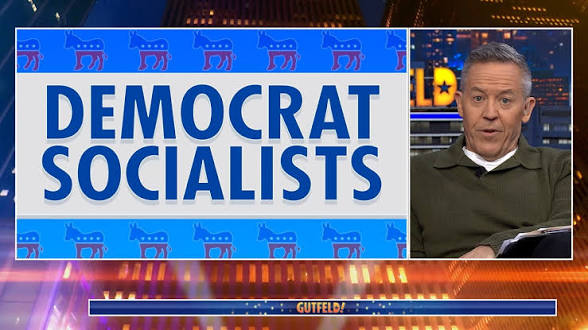
Fox News host Greg Gutfeld offered a pointed explanation of this dynamic on November 4, arguing that opposition parties have an easier time shaping political narratives than parties responsible for governing. His comments highlighted a challenge that could define the next two years: Democrats can criticize the administration, but they must also demonstrate that they can deliver meaningful results.
The central argument is straightforward. A party outside power can focus on promises, criticism and public frustration. A governing party must defend its decisions, explain its results and accept responsibility when policies fall short.
Gutfeld’s remarks came as Democrats celebrated significant electoral gains. The party’s victories have given it greater influence over congressional investigations, legislation and the national political conversation. However, the new majority also brings expectations that could complicate the Democratic strategy heading into the 2028 presidential election.
PJ Media+2
1. What Gutfeld Means by a Narrative Advantage

Gutfeld’s argument centers on the difference between criticizing a government and actually running one.
When a party holds the presidency and congressional power, its decisions become the main subject of public debate. Voters judge the administration by the economy, public services, national security and other issues that affect everyday life.
The opposition, meanwhile, can focus on the government’s shortcomings. It can highlight unpopular policies, question official explanations and present alternative solutions without having to implement them immediately.
This creates what Gutfeld describes as a narrative advantage.
A party outside power can build a political story around what is going wrong. It can promise that a change in leadership will produce better results. However, the party in office must explain why its policies have not yet delivered the outcomes voters expected.
Gutfeld made the point during a discussion of the 2026 midterm elections. His comments suggested that the Democrats’ electoral success could become a challenge if the party mistakes its victory for a permanent political mandate.
The distinction matters because an election victory does not automatically resolve the problems that motivated voters. It changes who is responsible for addressing them.
PJ Media+1
2. Why Democrats Have Regained the Political Initiative
The Democrats’ 2026 midterm victories have given the party a new opportunity to define the national debate.
According to reporting from ABC News and The Washington Post, Democrats gained control of Congress amid widespread frustration with the economy and President Trump’s leadership.
The results included significant victories in competitive races and states that had recently favored Republicans. Democrats also made gains in state-level elections.
The election demonstrated that voters who supported Trump in 2024 were not necessarily committed to supporting his party in every subsequent election.
Economic concerns played an important role. Democrats concentrated their campaign messages on affordability, including the cost of housing, groceries, healthcare and energy.
Their strategy allowed them to connect national politics with household expenses.
ABC News+1
The election results also created a political opening for Democrats to criticize the administration’s handling of major issues.
However, winning control of Congress does not guarantee that the party will maintain its advantage.
Democrats must now decide how to use their new influence. They can prioritize investigations and political accountability, pursue legislation focused on economic concerns, or attempt to balance both objectives.
Each approach carries potential benefits and risks.
The party’s challenge is to maintain the narrative that helped it win while demonstrating that it can govern effectively.
3. The Difference Between Campaigning and Governing
Campaigns are built around clear messages. Candidates identify problems, explain why their opponents are responsible and offer voters a reason to support change.
Governing is more complicated.
Legislation requires negotiations, funding and political compromises. Even when a party controls Congress, it may struggle to turn campaign promises into policies that produce immediate results.
This difference is central to Gutfeld’s argument.
Democrats spent much of the campaign criticizing the Republican administration. They now have greater responsibility for congressional decisions.
That change gives Republicans an opportunity to challenge Democratic proposals and question whether the party can deliver on its promises.
The opposition can also argue that Democrats are focusing on political battles instead of the issues that matter most to voters.
The danger for Democrats is that their campaign message could lose its effectiveness if voters do not see tangible improvements.
A party can win an election by promising change. Maintaining public support requires showing that the change is happening.
4. Affordability Remains the Central Political Test
Economic concerns helped shape the 2026 election, making affordability one of the most important challenges facing the new Democratic congressional majority.
Voters have continued to express concerns about the cost of living, including housing, food, healthcare and energy.
Democrats made these issues central to their campaign. Their message was designed to connect the economic pressure experienced by households with decisions made by the federal government.
The Washington Post reported that Democrats deliberately shifted their political messaging toward economic concerns after their losses in 2024.
The party’s success in 2026 suggests that the strategy resonated with voters.
The Washington Post+1
However, economic improvement is difficult to deliver quickly.
Congress can influence taxes, spending, regulation and federal programs, but it cannot directly control every price that consumers pay.
Interest rates, international conflicts, energy markets and private-sector decisions also influence household expenses.
Democrats will therefore need to explain which economic problems they can address through legislation and which require broader changes.
Their political advantage could weaken if they promise results that prove difficult to achieve.
For Republicans, the economy provides an opportunity to challenge Democratic proposals and argue that the party’s campaign promises are unrealistic.
For Democrats, the challenge is to demonstrate that their approach produces measurable benefits.
5. Congressional Investigations Could Shape the Next Two Years
One of the most significant consequences of the midterm elections is the change in congressional oversight.
Democrats now have greater authority to investigate the Trump administration, question officials and scrutinize federal policies.
Party leaders have indicated that investigations will be an important part of their congressional agenda.
The Los Angeles Times reported that Democrats plan to examine administration decisions, business dealings and alleged abuses of government authority.
These investigations could place the administration under sustained political pressure.
Los Angeles Times+1
From the Democratic perspective, congressional oversight offers a way to hold the administration accountable and investigate concerns raised during the campaign.
From the Republican perspective, investigations could become a distraction from economic priorities and other issues affecting voters.
Gutfeld’s criticism reflects the possibility that Democrats could overemphasize political confrontation.
If the party devotes too much attention to investigations, Republicans may argue that it has abandoned the economic concerns that helped produce its victory.
However, investigations can also reveal information that voters consider important.
The political impact will depend on the evidence uncovered, the conduct of congressional leaders and whether the investigations address issues that voters consider significant.
6. The Risk of Overreach
Gutfeld’s comments also raised concerns about how Democrats might use their new congressional power.
His criticism suggested that the party could interpret its victory as an invitation to pursue an overly ambitious political agenda.
That possibility presents a challenge for Democratic leaders.
A broad congressional majority can encourage party activists to demand significant policy changes. However, lawmakers must consider the political consequences of their decisions.
Democrats include moderates, progressives and representatives from districts with different economic and political priorities.
These differences could become more visible as the party moves from campaigning to governing.
Some lawmakers may favor aggressive investigations and ambitious legislation. Others may prefer a more cautious approach focused on economic issues and cooperation.
The challenge is to develop an agenda that maintains party unity while responding to the concerns of voters who supported Democrats for different reasons.
Overreach is not inevitable. However, a failure to balance competing priorities could create opportunities for Republicans to regain political ground.
7. Why Republicans Can Still Benefit From Opposition
Although Democrats have regained congressional power, Republicans retain an important political advantage: they can challenge the governing party’s decisions.
Opposition parties often benefit when voters become dissatisfied with the government.
They can identify policy failures, question spending decisions and present themselves as an alternative.
The Republicans’ opportunity will depend on whether they can develop a clear message that connects with voters.
The party must also address the reasons for its midterm losses.
The Washington Post reported that the Republican defeat raised questions about the party’s performance among several voter groups, including rural voters and voters without college degrees.
The Washington Post+1
Republicans will need to decide whether to emphasize opposition to Democratic policies, defend the Trump administration’s record or pursue a broader political reset.
Each strategy presents different challenges.
A purely confrontational approach could reinforce Democratic arguments about Republican obstruction. A more constructive strategy could help Republicans appeal to voters who want practical solutions.
The party’s ability to develop an effective message will be important as the country moves toward the next presidential election.
8. The 2028 Presidential Election Is Already Taking Shape
The midterm elections have also influenced the political environment surrounding the 2028 presidential contest.
Democrats now have an opportunity to build on their congressional victories and present themselves as a credible alternative to the Republican administration.
However, the party must decide which candidates and policy priorities will define its future.
The election results could intensify disagreements between moderate and progressive Democrats.
Moderates may argue that the party should focus on economic concerns and avoid divisive political debates.
Progressives may push for more ambitious changes and stronger opposition to the Trump administration.
Republicans face their own questions about leadership, strategy and the future direction of the party.
Gutfeld’s comments suggest that Democrats could encounter difficulties if they assume that the midterm results guarantee success in 2028.
The next presidential election will involve different candidates, issues and circumstances.
The political advantage created by the midterms may not last if either party fails to respond to changing voter concerns.
9. What Voters Will Expect From the New Congress
Voters who supported Democrats in 2026 will expect the party to address the issues that motivated their decisions.
That expectation creates a practical test for congressional leaders.
Democrats will need to show that they can move beyond campaign messaging and produce results.
They will also need to explain how their legislative priorities connect with the everyday concerns of voters.
If the party focuses on investigations, it will need to demonstrate why those investigations matter.
If it prioritizes economic legislation, it will need to explain how the proposals could improve household finances.
The challenge is not simply to oppose the administration. It is to show that opposition can produce meaningful outcomes.
Republicans will be watching for opportunities to argue that Democrats have failed to meet these expectations.
The party that communicates most effectively with voters could gain an advantage as the next election approaches.
10. What Gutfeld’s Argument Means for American Politics
Gutfeld’s analysis highlights a recurring feature of American politics: the party outside power often has an easier time presenting itself as the solution to national problems.
However, the advantage is temporary.
Political power changes the expectations placed on a party. Campaign promises become governing responsibilities, and criticism must eventually be supported by practical alternatives.
The Democrats’ 2026 victories have given the party an opportunity to demonstrate that it can address economic concerns, conduct effective oversight and develop a legislative agenda.
At the same time, Republicans have an opportunity to challenge Democratic decisions and prepare for the next election.
The political battle will therefore involve more than congressional control.
It will also involve the competing narratives each party presents to voters.
Democrats must explain why their approach deserves continued support. Republicans must explain why voters should return to their leadership.
The outcome will depend on how effectively both parties respond to the concerns of the American public.
Gutfeld’s argument is a reminder that winning an election and maintaining political support are different challenges.
For Democrats, the midterm victory has created a new opportunity. It has also placed the party under greater scrutiny.
The next two years will reveal whether Democrats can turn their narrative advantage into lasting political support.
Frequently Asked Questions
1. What did Greg Gutfeld say about the Democrats’ narrative advantage?
Gutfeld argued that parties outside power have an easier time shaping political narratives because they can criticize the government without being responsible for its decisions.
2. Why do opposition parties have a political advantage?
Opposition parties can focus on public dissatisfaction, criticize government policies and promise change. Governing parties must defend their decisions and demonstrate results.
3. Why did Democrats win the 2026 midterm elections?
Economic concerns, dissatisfaction with the Trump administration and Democratic campaign messaging contributed to the party’s electoral gains.
4. How could Democrats lose their political advantage?
Democrats could lose support if they fail to address economic concerns, pursue unpopular policies or focus on political battles instead of delivering results.
5. What role will congressional investigations play?
Investigations could allow Democrats to scrutinize the administration and hold officials accountable. However, they could also become a source of political conflict.
6. How could the midterms affect the 2028 presidential election?
The results could influence candidate selection, party strategy and campaign messaging. However, the 2028 outcome will depend on future events and voter priorities.
7. Can Republicans regain political support?
Yes. Republicans can attempt to rebuild support by addressing voter concerns, developing a clear message and responding effectively to Democratic policies.
8. What is the main lesson of Gutfeld’s argument?
The main lesson is that winning an election creates responsibilities. A party must demonstrate that it can govern effectively if it wants to maintain public support.
About the Author