Iran Bases Bombed:US Completes Another Night Of Strikes,Chaos,Fury
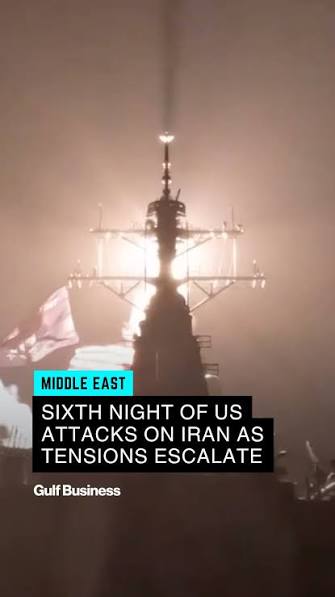
The Middle East has entered another dangerous phase after the United States carried out another night of airstrikes against Iranian military targets. The latest operation follows the deaths of two U.S. service members in Jordan, an attack Washington attributes to Iran-backed forces. U.S. Central Command said the strikes were aimed at degrading Iran’s military capabilities and deterring further attacks on American personnel in the region. Iran has condemned the operation, warning that it will continue to respond if attacks persist.
As both sides exchange military action, concerns are growing that the conflict could expand beyond Iran and Israel, affecting neighboring Gulf countries, global oil supplies, and international shipping routes.
US Launches Another Night Of Strikes On Iran
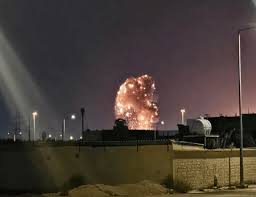
The latest U.S. operation marked another consecutive night of attacks on Iranian military infrastructure. According to U.S. officials, the targets included:
- Air defense systems
- Missile storage facilities
- Drone launch sites
- Coastal surveillance installations
- Revolutionary Guard military assets
Military officials stated that these sites were selected because they allegedly support operations threatening U.S. forces and commercial shipping in the Gulf region. The Pentagon emphasized that the strikes were intended to weaken Iran’s military capabilities rather than target civilian infrastructure.
The attacks reportedly involved fighter aircraft, long-range precision-guided munitions, and naval assets operating in the region.
Why Did The United States Launch These Strikes?
According to American officials, the latest strikes came after an Iranian missile attack reportedly killed two U.S. military personnel stationed in Jordan. Washington described the operation as a direct response intended to protect American troops and discourage further attacks.
Officials also argue that Iranian military facilities have supported attacks against:
- U.S. military bases
- Coalition forces
- Commercial shipping
- Regional partners
The Biden administration is not in office in 2026; current U.S. officials have said the campaign is focused on military objectives and force protection, while also stating they do not seek a wider regional war.
What Was Targeted?
Reports indicate the latest wave focused primarily on military infrastructure rather than civilian areas.
Among the reported targets were:
Missile Storage Facilities
Military planners attempted to destroy stockpiles capable of launching ballistic and cruise missiles.
Air Defense Networks
Destroying radar installations and missile batteries reduces Iran’s ability to intercept future air operations.
Drone Bases
Iran has increasingly relied on drones during regional conflicts. Several drone facilities were reportedly among the intended targets.
Coastal Military Installations
The United States also targeted facilities believed to support operations around the Strait of Hormuz.
Iran Responds With Strong Warnings
Iran immediately condemned the attacks, calling them violations of its sovereignty and international law.
Iranian officials warned that continued military operations would receive what they described as a “decisive” response. Tehran also accused Washington of increasing instability across the Middle East.
State media reported that air defense systems were activated in several regions following the strikes, while authorities assessed damage at affected military sites.
Regional Tensions Continue To Rise
The latest military exchange has heightened fears throughout the Middle East.
Several neighboring countries have increased security measures, including:
- Bahrain
- Jordan
- Kuwait
- United Arab Emirates
Some governments have intercepted incoming missiles or drones while calling for restraint from all parties. The situation has prompted renewed diplomatic efforts to prevent a broader regional conflict.
Strait Of Hormuz Remains A Major Concern
One of the biggest international concerns remains the Strait of Hormuz.
Nearly one-fifth of globally traded oil normally passes through this narrow waterway, making any disruption a significant risk to global energy markets.
Military operations around the Strait have already led to increased shipping concerns, higher insurance costs, and market volatility. Analysts warn that prolonged instability could affect fuel prices worldwide.
International Reaction
Governments around the world are closely monitoring developments.
Several countries have urged:
- Immediate de-escalation
- Diplomatic negotiations
- Protection of civilians
- Respect for international law
Regional organizations continue to call for dialogue instead of further military escalation.
Humanitarian Concerns Grow
As military operations continue, humanitarian organizations have expressed concern over civilians living near military facilities.
Experts warn that prolonged conflict could lead to:
- Population displacement
- Damage to infrastructure
- Interruptions to electricity and water services
- Increased humanitarian needs
International agencies continue monitoring the situation while encouraging safe access for humanitarian assistance where needed.
Impact on Global Oil Markets
One of the most immediate consequences of the latest military escalation has been increased volatility in global energy markets. Traders closely monitor every development involving Iran because of its strategic location near the Strait of Hormuz, a vital shipping route for global oil exports.
Following reports of additional U.S. strikes, oil prices experienced fluctuations as investors assessed the possibility of supply disruptions. Shipping companies also reviewed security procedures for vessels operating in the Gulf, while insurers evaluated the increased risks associated with regional tensions. Analysts say that if military operations continue or expand, transportation costs could rise further, placing upward pressure on global fuel prices.
Military Analysis
Defense analysts believe the latest U.S. operation was designed to reduce Iran’s ability to launch missile and drone attacks rather than initiate a large-scale ground conflict.
Experts note several key objectives behind the campaign:
- Disrupt missile launch capabilities.
- Reduce operational drone infrastructure.
- Degrade military command-and-control systems.
- Deter future attacks on U.S. personnel and regional partners.
At the same time, analysts caution that military strikes alone rarely resolve long-standing geopolitical disputes. Even after infrastructure is damaged, the risk of retaliatory attacks or proxy activity can remain significant.
Diplomatic Efforts Continue
While military operations dominate headlines, diplomatic channels remain active.
Several governments and international organizations have urged all parties to avoid further escalation and return to negotiations. Officials from European and Gulf nations have called for restraint, emphasizing that a broader regional conflict could have serious humanitarian and economic consequences.
The United Nations has also expressed concern over the rising violence and encouraged dialogue aimed at reducing tensions. Diplomatic engagement is expected to continue even as security conditions remain uncertain.
Potential Regional Consequences
If hostilities continue, experts believe the effects could extend well beyond Iran and the United States.
Possible consequences include:
- Increased military deployments across the Middle East.
- Higher risks for commercial shipping in the Gulf.
- Additional sanctions or economic measures.
- Greater pressure on global energy markets.
- Heightened security concerns for neighboring countries.
Regional governments are continuing to monitor developments while strengthening defensive measures where necessary.
How Markets and Businesses Could Be Affected
Periods of geopolitical instability often create uncertainty for businesses and consumers.
Industries that could be affected include:
Energy
Oil and natural gas prices may remain volatile if concerns about supply disruptions continue.
Aviation
Airlines may reroute flights to avoid conflict zones, increasing travel times and operating costs.
Shipping
Maritime companies may face higher insurance premiums and longer transit times due to security concerns in the Gulf.
Financial Markets
Stock markets often react sharply to major geopolitical events, particularly when energy supplies are at risk.
What Happens Next?
The coming days will be critical in determining whether the crisis stabilizes or intensifies.
Several factors could shape future developments:
- Whether further military strikes occur.
- Iran’s response to the latest attacks.
- Diplomatic negotiations involving regional and international partners.
- Security conditions around the Strait of Hormuz.
- Efforts to prevent broader regional involvement.
While officials have indicated they seek to protect national security interests, the situation remains fluid, and further developments are possible.
Conclusion
The latest round of U.S. strikes on Iranian military targets marks another significant chapter in an already volatile regional conflict. According to U.S. officials, the operation aimed to degrade military capabilities and protect American personnel following deadly attacks attributed to Iran-backed forces. Iran has strongly condemned the strikes and warned of potential consequences, underscoring the risk of further escalation.
Beyond the immediate military dimension, the crisis is affecting global markets, shipping routes, diplomatic relations, and regional security calculations. Governments worldwide continue to call for restraint while monitoring developments closely.
As events continue to evolve, verified information from official statements and reputable news organizations remains essential. The situation is dynamic, and future developments will determine whether tensions ease through diplomacy or intensify through further military action.
Frequently Asked Questions (FAQs)
1. Why did the United States carry out another night of strikes?
U.S. officials said the strikes were conducted in response to attacks on American personnel and were intended to target military infrastructure associated with those threats.
2. What types of targets were reportedly struck?
Officials said the operation focused on military assets, including missile facilities, drone infrastructure, air defense systems, and command-related sites.
3. How has Iran responded?
Iran condemned the strikes, described them as violations of its sovereignty, and warned that it would respond if attacks continue.
4. Could the conflict affect global oil prices?
Yes. Because of the strategic importance of the Strait of Hormuz, heightened tensions can influence oil prices, shipping costs, and energy markets.
5. Is there a risk of wider regional conflict?
Analysts caution that the possibility exists, particularly if military exchanges continue. However, many governments and international organizations are urging diplomatic efforts to prevent further escalation.
How useful was this post?
Click on a star to rate it!
Average rating 0 / 5. Vote count: 0
No votes so far! Be the first to rate this post.
About the Author

usa5911.com
Administrator
Hi, I’m Gurdeep Singh, a professional content writer from India with over 3 years of experience in the field. I specialize in covering U.S. politics, delivering timely and engaging content tailored specifically for an American audience. Along with my dedicated team, we track and report on all the latest political trends, news, and in-depth analysis shaping the United States today. Our goal is to provide clear, factual, and compelling content that keeps readers informed and engaged with the ever-changing political landscape.