War Planes Rushed:Pentagon Deploys F35 Jets To Mideast,Chaos,Fury
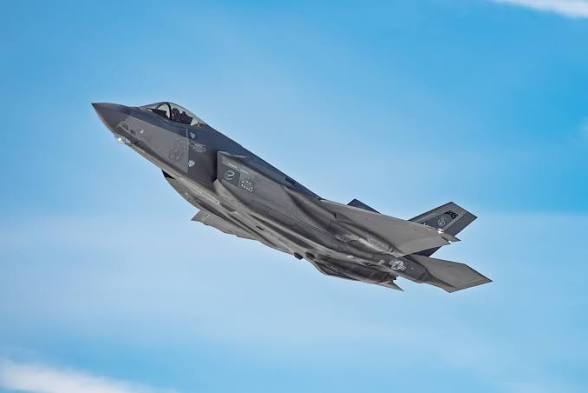
The United States has significantly increased its military presence in the Middle East by deploying additional F-35 Lightning II stealth fighter jets and F-16 aircraft as tensions with Iran continue to escalate. The latest Pentagon decision comes after renewed military exchanges, attacks on U.S. forces, and growing concerns over regional stability. According to defense reports, the deployment is intended to strengthen deterrence, protect American personnel, and reassure allies across the region.
The move has sparked global attention, with analysts warning that the increased military buildup could raise the risk of broader conflict while also strengthening the United States’ ability to respond rapidly to emerging threats.
Pentagon Deploys F-35 Jets To Middle East
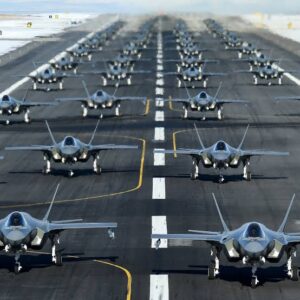
The Pentagon has ordered additional F-35 Lightning II stealth fighters to the Middle East alongside F-16 Fighting Falcons and aerial refueling tankers. Reports indicate that some aircraft are deploying from RAF Lakenheath in the United Kingdom and Spangdahlem Air Base in Germany to reinforce U.S. Central Command operations.
Military officials describe the deployment as part of a broader effort to:
- Protect U.S. military bases.
- Strengthen air superiority.
- Support allied nations.
- Deter further attacks.
- Maintain freedom of navigation in strategic waterways.
Why The Pentagon Is Sending More Fighter Jets
The deployment follows a sharp deterioration in security after attacks targeting American personnel in Jordan and continued military operations involving Iran. The United States has responded with multiple rounds of airstrikes against Iranian military infrastructure while increasing defensive capabilities across the region.
Officials say the reinforcement provides commanders with additional flexibility if further military action becomes necessary.
Why The F-35 Matters
The F-35 Lightning II is considered one of the world’s most advanced multirole combat aircraft.
Major capabilities include:
- Stealth technology
- Advanced radar systems
- Electronic warfare capability
- Precision strike operations
- Air superiority missions
- Intelligence gathering
These features allow the aircraft to operate in heavily defended airspace while sharing battlefield information with other military assets.
F-16 Fighters Also Join Deployment
Alongside the F-35s, additional F-16 Fighting Falcons are also moving into the region.
Unlike stealth aircraft, F-16s provide:
- Air patrol missions
- Close air support
- Escort operations
- Missile interception
- Precision bombing
Together, the F-35 and F-16 create a flexible combination capable of both offensive and defensive operations.
Air Refueling Expands Operational Reach
The Pentagon is also deploying aerial refueling tankers.
These aircraft allow fighter jets to:
- Stay airborne longer.
- Reach distant targets.
- Patrol larger areas.
- Conduct extended combat missions.
Military planners consider tanker aircraft essential during large-scale operations across the Middle East.
Rising Tensions Across The Region
Regional tensions have increased rapidly following recent exchanges between U.S. and Iranian forces.
Several developments have contributed to the military buildup:
- Attacks on U.S. military facilities.
- American retaliatory strikes.
- Threats involving commercial shipping.
- Security concerns around the Strait of Hormuz.
- Increased missile and drone activity.
Officials continue monitoring developments closely.
Strategic Importance Of The Middle East
The Middle East remains one of the world’s most strategically important regions because it contains:
- Major global energy routes.
- Critical military bases.
- Important shipping lanes.
- Long-standing regional conflicts.
Maintaining military readiness allows the United States to respond quickly if regional security deteriorates further.
Protecting American Forces
One primary objective of the deployment is protecting approximately tens of thousands of U.S. personnel stationed throughout the region.
Military installations require enhanced protection against:
- Ballistic missiles
- Cruise missiles
- Armed drones
- Rocket attacks
Advanced fighter aircraft provide additional defensive options if threats increase.
Support For Regional Allies
The deployment also reassures American allies including Gulf partners.
Many regional governments rely on U.S. military cooperation for:
- Air defense
- Intelligence sharing
- Maritime security
- Joint military exercises
Officials say maintaining strong partnerships remains a priority.
Impact On Iran
From Iran’s perspective, additional American fighter aircraft represent increased military pressure.
Iran has repeatedly criticized expanding U.S. deployments while warning that further military action could trigger retaliation.
Diplomatic efforts continue alongside military preparations.
Naval Forces Already Operating
The fighter deployment complements existing U.S. naval forces operating throughout the Gulf and nearby waters.
Carrier strike groups provide:
- Air operations
- Missile defense
- Intelligence collection
- Maritime security
Combined air and naval capabilities create a more comprehensive military posture.
Impact On Global Oil Markets
Military tensions in the Middle East often influence global energy prices.
Investors remain concerned about:
- Oil exports
- Shipping disruptions
- Insurance costs
- Supply chain stability
The Strait of Hormuz remains one of the world’s busiest oil transit routes.
Intelligence And Surveillance
Modern operations depend heavily on intelligence.
F-35 aircraft contribute through:
- Sensor fusion
- Battlefield awareness
- Electronic surveillance
- Target identification
This information helps commanders make faster operational decisions.
International Reactions
Several countries are closely monitoring developments.
Many governments have urged:
- Restraint
- Diplomacy
- Protection of civilian lives
- Continued dialogue
At the same time, allied nations continue cooperating with the United States on regional security.
Could The Deployment Prevent Conflict?
Military analysts remain divided.
Some argue increased military strength discourages aggression through deterrence.
Others believe additional deployments increase the possibility of accidental escalation if tensions continue rising.
Pentagon’s Official Position
American defense officials describe the deployment as defensive rather than offensive.
According to military statements, the additional aircraft are intended to:
- Protect American interests.
- Defend regional partners.
- Maintain operational readiness.
- Respond rapidly if required.
The Road Ahead
The situation remains fluid.
Future developments may depend on:
- Diplomatic negotiations.
- Military activity.
- Regional political decisions.
- Security conditions.
- International mediation efforts.
Defense analysts expect U.S. forces to remain on heightened alert while monitoring Iranian military activity and protecting American personnel throughout the Middle East.
Conclusion
The Pentagon’s deployment of additional F-35 and F-16 fighter jets marks another significant step in America’s military response to rapidly evolving security challenges in the Middle East. While officials emphasize that the reinforcement is designed to deter attacks and protect U.S. forces, the move also reflects the seriousness of the current regional situation.
Whether the expanded military presence ultimately reduces tensions through deterrence or contributes to further escalation will depend on the actions of all parties involved in the coming weeks. As events continue to unfold, global attention will remain focused on the Middle East because of its strategic importance, its influence on international energy markets, and the broader implications for regional and global security.
Frequently Asked Questions (FAQs)
What aircraft has the Pentagon deployed to the Middle East?
The Pentagon has deployed additional F-35 Lightning II stealth fighters, F-16 Fighting Falcons, and aerial refueling tankers.
Why are F-35 jets important?
F-35s combine stealth, advanced sensors, electronic warfare, and precision strike capabilities, making them among the most advanced fighter aircraft in service.
Why is the U.S. increasing its military presence?
The deployment follows heightened tensions, attacks on U.S. forces, and concerns about protecting American personnel and allies.
Could this deployment lead to a larger conflict?
The deployment increases military readiness, but whether it leads to further escalation or helps deter conflict depends on future diplomatic and military developments.
How could this affect global oil prices?
Any disruption to shipping in the Strait of Hormuz could affect global oil supplies and increase energy prices.
F-35 Deployment Signals A New Phase In Regional Security
The arrival of advanced fighter aircraft in the Middle East represents more than a routine military movement. It signals that Washington is preparing for multiple possible scenarios, ranging from defensive operations to rapid responses against emerging threats.
Military planners often position advanced aircraft before a crisis reaches its highest point. By moving forces earlier, commanders gain more options and reduce response times if conditions suddenly worsen.
The F-35 deployment demonstrates the Pentagon’s focus on maintaining air dominance in a region where missile technology, drones, and electronic warfare capabilities have become increasingly important.
The Role Of Stealth Technology In Modern Warfare
The F-35’s biggest advantage is its stealth capability.
Traditional fighter jets can be detected by radar from long distances. However, the F-35 is designed with technologies that reduce its radar visibility, allowing it to operate in highly defended environments.
Its advanced systems allow pilots to:
- Detect threats earlier.
- Share battlefield information.
- Coordinate with other aircraft.
- Identify enemy movements.
- Conduct precision missions.
This makes the aircraft valuable during situations where traditional airpower may face greater risks.
Iran’s Military Capabilities Under Watch
The Pentagon’s decision comes as American officials continue monitoring Iran’s military capabilities.
Iran has developed a large defense network that includes:
- Ballistic missiles.
- Cruise missiles.
- Armed drones.
- Air defense systems.
- Regional proxy groups.
Because of these capabilities, U.S. military planners emphasize preparation and intelligence gathering.
The presence of F-35 aircraft provides an additional tool for surveillance, deterrence, and potential defensive operations.
Drone Warfare Changes The Battlefield
Recent conflicts around the world have shown the growing importance of unmanned aerial systems.
Drones have become popular because they are:
- Less expensive than traditional aircraft.
- Difficult to counter in large numbers.
- Useful for surveillance.
- Capable of carrying weapons.
The United States has invested heavily in technology designed to detect and defeat drone threats.
Advanced fighter aircraft, combined with ground-based defense systems, create a layered approach to protecting military installations.
Regional Allies Strengthen Security Measures
Countries across the Middle East are closely watching developments.
Many American partners depend on cooperation with Washington for:
- Air defense support.
- Intelligence sharing.
- Military training.
- Security planning.
The arrival of additional American aircraft sends a message that the United States remains committed to protecting its interests and supporting partners.
However, regional governments also face pressure to avoid becoming directly involved in a wider conflict.
The Risk Of Miscalculation
While military deployments are designed to increase security, they can also create risks.
When multiple countries operate military aircraft, ships, and missile systems in the same region, the possibility of misunderstandings increases.
Potential dangers include:
- Accidental clashes.
- Misidentified aircraft.
- Rapid retaliation cycles.
- Diplomatic breakdowns.
This is why military communication channels and diplomatic efforts remain important during periods of high tension.
Cyber Warfare And Electronic Battles
Modern conflicts are no longer limited to traditional weapons.
Cyber operations and electronic warfare have become central parts of military strategy.
Countries can attempt to:
- Disrupt communication networks.
- Interfere with radar systems.
- Target infrastructure.
- Spread misinformation.
The F-35 is designed with advanced electronic warfare capabilities, allowing it to operate in complex environments where digital systems play a major role.
Economic Consequences Of Rising Tensions
Military escalation in the Middle East can have effects far beyond the battlefield.
Possible economic impacts include:
Energy Prices
Markets often react quickly to fears of supply disruptions.
Higher oil prices can affect:
- Transportation costs.
- Manufacturing expenses.
- Consumer prices.
Global Trade
The Middle East is a major transportation hub. Any disruption to shipping routes could impact international trade.
Investor Confidence
Uncertainty often causes market volatility as investors evaluate geopolitical risks.
Could Diplomacy Reduce Tensions?
Despite military preparations, diplomatic efforts remain a major factor.
Countries involved may attempt to reduce tensions through:
- Back-channel negotiations.
- International mediation.
- Regional discussions.
- Security agreements.
Historically, military pressure and diplomacy have often operated together during international crises.
America’s Broader Military Strategy
The deployment fits into a larger U.S. strategy focused on maintaining global military readiness.
The Pentagon regularly adjusts forces based on:
- Threat assessments.
- Regional conflicts.
- Alliance commitments.
- Intelligence reports.
The Middle East remains a major priority because of its strategic location and security challenges.
What Happens Next?
Experts say several developments could shape the next stage of the crisis:
1. Further Military Deployments
The United States could move additional aircraft, ships, or defensive systems if threats increase.
2. Diplomatic Engagement
Negotiations could help prevent further escalation.
3. Regional Responses
Iran and its allies may adjust their military posture in response.
4. International Pressure
Global powers may push for restraint to avoid a wider conflict.
Public Reaction And Political Debate
The deployment has created debate inside the United States and internationally.
Supporters argue that a strong military presence prevents attacks and protects American personnel.
Critics warn that expanding military operations could increase the chance of a prolonged conflict.
The debate reflects broader questions about how countries should balance deterrence, diplomacy, and military action.
Conclusion: F-35 Deployment Marks A Critical Moment
The Pentagon’s decision to deploy F-35 jets to the Middle East highlights the seriousness of current security challenges. The advanced aircraft provide the United States with greater flexibility, stronger deterrence, and improved defensive capabilities.
However, military strength alone cannot resolve every crisis. The future of regional stability will depend on a combination of military readiness, diplomatic efforts, and decisions made by governments across the region.
As tensions continue, the world will closely watch whether this latest deployment helps prevent conflict or becomes another step in a broader confrontation.
How useful was this post?
Click on a star to rate it!
Average rating 0 / 5. Vote count: 0
No votes so far! Be the first to rate this post.
About the Author

usa5911.com
Administrator
Hi, I’m Gurdeep Singh, a professional content writer from India with over 3 years of experience in the field. I specialize in covering U.S. politics, delivering timely and engaging content tailored specifically for an American audience. Along with my dedicated team, we track and report on all the latest political trends, news, and in-depth analysis shaping the United States today. Our goal is to provide clear, factual, and compelling content that keeps readers informed and engaged with the ever-changing political landscape.