US–Iran Crisis: Ceasefire On, Oil Crash, War Risk Still Alive
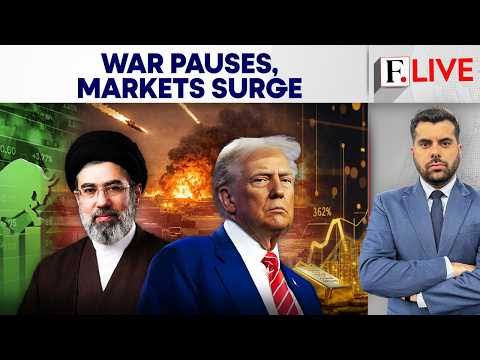
The US–Iran crisis has entered a dramatic new phase. A temporary ceasefire has calmed markets and caused oil prices to crash sharply. However, military forces remain deployed, naval blockades continue, and diplomatic negotiations remain fragile.
Global investors, governments, and citizens are watching closely. While the ceasefire has prevented immediate escalation, experts warn that war risk is still very real.
In this in-depth report, we break down the latest developments, oil price movements, military strategy, geopolitical risks, and what could happen next.
Ceasefire Agreement: What Happened and Why It Matters
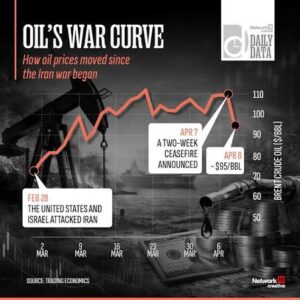
The ceasefire between the United States and Iran was announced in early April 2026 after weeks of escalating conflict and rising global fears.
The agreement followed intense diplomatic mediation and was designed to halt immediate military action while negotiations continued.
Key developments included:
- A temporary two-week ceasefire agreement
- Reopening of vital shipping routes
- Continued negotiations toward a permanent peace deal
- Ongoing monitoring by regional allies
The ceasefire came into force on April 8, 2026, marking the first major diplomatic breakthrough after weeks of military escalation.
However, this ceasefire is widely considered fragile.
Analysts believe violations or misunderstandings could quickly reignite the conflict.
Oil Crash: Markets React to Strait of Hormuz Reopening
One of the most immediate consequences of the ceasefire was a dramatic drop in oil prices.
Iran announced that the Strait of Hormuz—one of the world’s most important shipping lanes—would reopen to commercial vessels.
This triggered a global market reaction.
Key market reactions:
- Oil prices dropped by around 13%
- Brent crude fell near $86 per barrel
- Global stock markets rallied
- Energy sector volatility surged
The reopening of the Strait reassured investors that oil supplies would resume after weeks of disruption.
Previously, fears of closure had pushed prices sharply higher because nearly 20% of global oil supply flows through the Strait of Hormuz.
The drop in oil prices was described by analysts as one of the largest single-day declines since the pandemic era.
Why Oil Still Remains Unstable
Despite the price drop, oil markets remain highly unstable.
Several major risks continue to threaten supply chains:
1. Naval Mines Still Pose Threats
Reports suggest sea mines remain in some areas of the Strait.
Even with reopening announcements, shipping companies remain cautious.
2. Shipping Delays Continue
Oil tankers face inspections, rerouting, and security checks.
This slows delivery even when routes are technically open.
3. Supply Chains Still Fragile
Europe and Asia remain vulnerable to disruptions.
Some regions reported extreme price spikes earlier during the crisis.
Experts warn that oil volatility could continue for months, even if full-scale war is avoided.
US Naval Blockade: The Hidden Pressure Strategy
While the ceasefire reduced active combat, the United States maintained a powerful military pressure tactic — a naval blockade.
The blockade targets vessels traveling to Iranian ports.
Important details:
- Began in April 2026
- Targets ships entering or leaving Iranian ports
- Costs Iran hundreds of millions daily
- Continues despite ceasefire status
This blockade is widely viewed as an economic pressure strategy designed to force negotiations.
It also adds to global uncertainty.
Iran has warned that military interference near its territory could violate ceasefire conditions.
War Risk Still Alive: Why Experts Remain Concerned
Despite positive headlines about peace talks, geopolitical analysts remain cautious.
There are several reasons why the threat of war has not disappeared.
1. Ceasefire Violations Already Reported
Shortly after the ceasefire began, attacks on infrastructure were reported.
These incidents increased distrust between sides.
2. Military Forces Remain Deployed
Troops, naval forces, and aircraft remain in strategic locations.
No large-scale withdrawal has occurred.
3. Negotiations Are Not Final
Current talks are focused on drafting a long-term agreement.
But progress remains uncertain.
Diplomatic sources report ongoing work on a memorandum of understanding to end the war, but no final treaty exists yet.
Global Economic Impact: Beyond Oil
The US–Iran crisis has affected far more than oil markets.
The ripple effects are spreading across multiple industries.
Stock Markets
Markets rallied briefly after the ceasefire announcement.
However, volatility remains high due to uncertainty.
Aviation Sector
Airlines reacted strongly to the reopening of shipping lanes.
Fuel availability concerns have affected operations.
Food Prices
Rising energy costs previously pushed fertilizer prices higher.
This may impact global food production.
These developments highlight how geopolitical crises quickly influence daily economic life worldwide.
The Strategic Importance of the Strait of Hormuz
The Strait of Hormuz remains the most important location in the crisis.
Why it matters:
- Carries about one-fifth of global oil supply
- Links Gulf oil producers to global markets
- Essential for LNG exports
- Critical for Asian economies
When the Strait faced disruption earlier in the conflict, global markets reacted immediately.
Energy experts described the crisis as one of the largest supply disruptions in modern history.
Even small disruptions in this region can cause major price shocks worldwide.
Regional Tensions: Israel, Lebanon, and Beyond
The crisis extends beyond just the United States and Iran.
Several regional actors are deeply involved.
These include:
- Israel
- Lebanon
- Gulf states
- NATO allies
Ceasefire arrangements have also affected regional conflicts, including fighting in Lebanon.
Reports indicate multiple ceasefire efforts were linked to broader regional stability discussions.
This interconnected nature makes the conflict extremely complex.
Diplomacy in Action: Can Talks End the Crisis?
Diplomatic negotiations are ongoing.
Several major topics are being discussed:
- Nuclear program restrictions
- Shipping security guarantees
- Sanctions relief
- Military withdrawal plans
Officials say talks are progressing but slowly.
There are reports that Iran may agree to long-term limits on nuclear activities in exchange for economic relief.
However, history shows such negotiations can take months or years.
Possible Future Scenarios
Experts have outlined several possible outcomes for the crisis.
Scenario 1: Long-Term Peace Deal
This is the most optimistic outcome.
It would involve:
- Full lifting of naval blockades
- Formal peace agreement
- Stabilized oil markets
Scenario 2: Frozen Conflict
Military tensions continue but without direct war.
This scenario is considered highly likely.
Scenario 3: Full War Resumes
This is the worst-case scenario.
Triggers could include:
- Ceasefire violations
- Accidental military clash
- Political miscalculation
Security analysts warn that the ceasefire remains conditional and fragile, with leaders prepared to resume military action if agreements fail.
Impact on India and Asian Economies
The US–Iran crisis has major implications for Asia, including India.
Why it matters:
- India imports large volumes of Gulf oil
- Shipping routes directly affect energy costs
- Rising fuel prices impact inflation
- Economic growth can slow
Asian nations account for a large share of energy imports through the Strait of Hormuz.
Any disruption directly affects regional stability.
Military Strategy: A War That Hasn’t Ended
Although bombs are not falling daily, military strategy remains active.
Key developments include:
- Naval surveillance continues
- Military drills remain active
- Air defense systems stay deployed
- Intelligence operations continue
These actions indicate that both sides remain prepared for renewed conflict.
Military readiness levels remain high.
Humanitarian Impact: Often Overlooked
Beyond geopolitics and oil markets, the crisis has humanitarian consequences.
These include:
- Displacement of civilians
- Infrastructure damage
- Economic hardship
- Supply shortages
Many regions affected by fighting have experienced shortages of fuel, electricity, and essential goods.
Humanitarian agencies warn that rebuilding efforts could take years.
Media Narratives and Public Perception
Public perception plays a major role in geopolitical stability.
News headlines often focus on dramatic events such as oil crashes or military threats.
However, the deeper story lies in long-term geopolitical shifts.
Public opinion in many countries remains divided on military intervention and diplomatic strategy.
This influences political decision-making at the highest levels.
Technology and Cyber Threats in Modern Warfare
Modern conflicts extend beyond physical battles.
Cyber warfare has become a major concern.
Possible cyber risks include:
- Attacks on energy infrastructure
- Disruption of financial systems
- Information warfare
- Surveillance activities
Experts warn that digital threats could escalate tensions even without direct military engagement.
Energy Security: A Global Wake-Up Call
The crisis has exposed vulnerabilities in global energy systems.
Governments are now considering:
- Strategic oil reserves
- Alternative energy investments
- Renewable energy expansion
- Supply chain diversification
This crisis may accelerate the transition toward renewable energy worldwide.
Political Fallout Inside the United States and Iran
Domestic politics also influence geopolitical decisions.
In both countries:
- Leaders face internal pressure
- Public opinion affects strategy
- Elections may shape diplomatic choices
Political stability plays a key role in determining whether peace negotiations succeed.
Conclusion: Ceasefire Today, Uncertainty Tomorrow
The US–Iran crisis has entered a fragile moment.
The ceasefire has brought relief to markets and reduced immediate military risk.
Oil prices have dropped sharply, global markets have stabilized temporarily, and diplomatic talks continue.
Yet beneath the calm lies deep uncertainty.
Naval blockades remain active. Military forces remain deployed. Negotiations remain unfinished.
The war risk is not gone — it is simply paused.
The coming weeks will determine whether this ceasefire becomes the foundation of lasting peace or merely a short break before renewed conflict.
FAQs: US–Iran Crisis Explained
What caused the US–Iran crisis in 2026?
The crisis developed after escalating military tensions, disputes over shipping routes, and regional conflicts involving allied nations.
Why did oil prices crash after the ceasefire?
Oil prices fell because Iran reopened the Strait of Hormuz, allowing shipping to resume and easing supply fears.
Is the US–Iran war over?
No. A temporary ceasefire exists, but military forces remain active and negotiations are ongoing.
What is the Strait of Hormuz and why is it important?
It is a major global shipping route through which about 20% of the world’s oil supply passes.
Can the conflict restart?
Yes. Experts warn that ceasefire violations or diplomatic failure could quickly lead to renewed fighting.
How does this crisis affect global fuel prices?
Disruptions in the Strait of Hormuz directly affect global oil supply, influencing fuel prices worldwide.
Will the ceasefire become permanent?
That depends on ongoing negotiations and political agreements between the involved countries.
How useful was this post?
Click on a star to rate it!
Average rating 0 / 5. Vote count: 0
No votes so far! Be the first to rate this post.
About the Author

usa5911.com
Administrator
Hi, I’m Gurdeep Singh, a professional content writer from India with over 3 years of experience in the field. I specialize in covering U.S. politics, delivering timely and engaging content tailored specifically for an American audience. Along with my dedicated team, we track and report on all the latest political trends, news, and in-depth analysis shaping the United States today. Our goal is to provide clear, factual, and compelling content that keeps readers informed and engaged with the ever-changing political landscape.