Andrew Malkinson Case: Wrongful Conviction, Justice Shock, UK Reacts
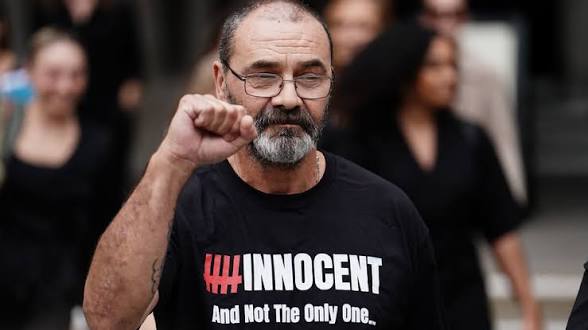
The Andrew Malkinson case has become one of the most shocking examples of wrongful conviction in modern British legal history. For more than 17 years, an innocent man remained behind bars while the real offender walked free. When his conviction was finally overturned, the case triggered national outrage, calls for reform, and deep scrutiny of the criminal justice system.
The case not only exposed flaws in police investigations but also highlighted systemic failures across multiple institutions. From ignored DNA evidence to delayed appeals, the story of Andrew Malkinson became a powerful symbol of justice gone wrong—and the long fight required to make it right.
Today, the case continues to influence legal reform debates across the United Kingdom.
Who Is Andrew Malkinson?

Andrew Malkinson is a British man who became widely known after being wrongfully convicted of rape in 2004. He spent more than 17 years in prison before DNA evidence proved his innocence.
Born in 1966, Malkinson lived an ordinary life before his arrest. However, everything changed in July 2003 when police linked him to a violent rape case in Greater Manchester.
Despite maintaining his innocence from the beginning, he was convicted and sentenced to life imprisonment. His long journey toward justice became one of the most painful wrongful conviction stories in UK history.
He was finally released from prison in 2020, but his conviction remained until 2023 when the Court of Appeal officially cleared his name using new DNA evidence.
The 2003 Crime That Started It All
The case began with a brutal attack in July 2003.
A woman walking home in Little Hulton, Greater Manchester, was violently assaulted. She was dragged down an embankment, strangled, and raped, suffering severe injuries including fractures and bruising.
The attacker left the victim unconscious. The crime shocked the local community and triggered a major police investigation.
Within weeks, Andrew Malkinson became a suspect.
The Arrest and Conviction
Malkinson was arrested in August 2003 and charged with the attack.
The case against him relied heavily on eyewitness identification rather than physical evidence. The victim identified him in an identity parade, despite several inconsistencies between her description and his appearance.
For example:
- The victim described the attacker as shorter than Malkinson
- She reported no tattoos, but Malkinson had visible tattoos
- She mentioned facial injuries that Malkinson did not have
Despite these discrepancies, the jury convicted him in 2004. He was sentenced to life imprisonment with a minimum term of 6½ years.
This verdict would shape the next two decades of his life.
Life Behind Bars: Maintaining Innocence
During his imprisonment, Andrew Malkinson repeatedly insisted that he was innocent.
Unlike many prisoners seeking early release, he refused to admit guilt—because he had committed no crime. This decision made his situation harder, as refusal to admit guilt often affects parole decisions.
Over the years, he filed multiple appeals.
These included:
- An appeal in 2006
- Applications to the Criminal Cases Review Commission (CCRC)
- Renewed appeals supported by legal charity groups
However, many of these attempts were rejected.
The prolonged denial of justice became one of the most troubling aspects of the case.
The DNA Breakthrough That Changed Everything
The turning point came years later through advances in forensic science.
DNA evidence recovered from the victim was re-tested, revealing the presence of another man’s genetic profile. This discovery eventually led investigators to the real perpetrator.
In 2022, authorities matched the DNA to a known offender, leading to a new investigation.
In July 2023, the Court of Appeal quashed Malkinson’s conviction, officially declaring him innocent after nearly two decades.
This moment marked one of the most significant reversals of justice in recent UK history.
The Real Offender Identified
Years after Malkinson’s conviction, the real attacker was finally identified.
Recent reports confirm that another man was convicted in 2026 for the original 2003 rape following fresh forensic analysis linking his DNA to the crime.
This development further confirmed Malkinson’s innocence and intensified criticism of the original investigation.
The delayed identification of the true offender raised serious questions about police procedures and evidence handling.
Institutional Failures Exposed
The Andrew Malkinson case revealed failures across several key institutions.
These included:
Police Investigation Failures
Authorities were accused of:
- Ignoring DNA evidence
- Failing to investigate alternative suspects
- Mishandling or destroying key evidence
Some officers later faced misconduct investigations linked to the case.
Criminal Cases Review Commission (CCRC)
The CCRC rejected multiple requests to reopen the case.
Critics argue that earlier action could have prevented years of wrongful imprisonment.
Prosecutorial Issues
Legal experts highlighted concerns about:
- Disclosure of evidence
- Witness reliability
- Investigation procedures
These failures contributed to what many now call a catastrophic miscarriage of justice.
Life After Release: A Struggle for Survival
Although Andrew Malkinson was released from prison in 2020, his life did not immediately improve.
Reports revealed that he faced financial hardship and relied on welfare support while waiting for compensation. Some accounts indicated that he used food banks despite being declared innocent.
This situation shocked the public, as many assumed he would receive immediate financial support.
However, compensation processes proved slow and complicated.
Compensation and Legal Battles
In 2025, the UK government approved a significant compensation payment to Andrew Malkinson for the wrongful conviction.
Initial payouts were reported to be in the six-figure range, reflecting the severity of the injustice.
Despite this, debates continue over compensation limits for wrongful convictions.
Many campaigners argue that existing caps fail to reflect the long-term damage caused by wrongful imprisonment.
The case has therefore influenced discussions about reforming compensation laws across the UK.
Public Reaction: UK Outrage and Media Attention
The public response to the Andrew Malkinson case has been intense.
Media coverage, documentaries, and public commentary have turned the case into a national talking point.
Many people expressed outrage over:
- The length of imprisonment
- Failures by multiple institutions
- Delayed justice
Public campaigns calling for reform gained widespread support.
The case became a symbol of the dangers of wrongful convictions.
Ongoing Inquiry and Reform Efforts
In response to widespread criticism, authorities launched an independent inquiry into the case.
The inquiry focuses on:
- Police investigation procedures
- Evidence handling
- Institutional accountability
The goal is to determine how such a major miscarriage of justice occurred and how similar cases can be prevented in the future.
Legal experts expect the findings to shape reforms in criminal justice policies.
Timeline of Key Events in the Andrew Malkinson Case
July 2003 — Violent rape occurs in Greater Manchester
August 2003 — Andrew Malkinson arrested
2004 — Convicted and sentenced to life imprisonment
2006–2018 — Multiple appeals rejected
2020 — Released from prison
2022 — DNA breakthrough identifies another suspect
July 2023 — Conviction overturned
2025 — Compensation payments begin
2026 — Real offender convicted
These events illustrate the long and painful path toward justice.
Why the Andrew Malkinson Case Matters
The importance of the Andrew Malkinson case extends far beyond one individual.
It highlights fundamental risks within criminal justice systems, including:
The Risk of Misidentification
Eyewitness testimony can be unreliable, especially under traumatic circumstances.
Importance of DNA Evidence
Modern forensic technology plays a critical role in correcting past errors.
Need for Institutional Accountability
Multiple agencies failed to prevent wrongful imprisonment.
The case has become a reference point in legal education and policy reform discussions.
Psychological and Social Impact
Wrongful convictions have devastating long-term effects.
For Andrew Malkinson, these included:
- Loss of nearly two decades of freedom
- Emotional trauma
- Social stigma
- Financial instability
Even after exoneration, rebuilding life remains extremely difficult.
Many wrongful conviction survivors face similar challenges worldwide.
Lessons Learned From the Case
Several key lessons emerged from the Andrew Malkinson case.
1. Evidence Must Be Carefully Reviewed
Missed forensic opportunities delayed justice for years.
2. Appeals Systems Need Reform
Repeated rejections prolonged wrongful imprisonment.
3. Compensation Systems Must Improve
Financial recovery should not be slow or complicated.
These lessons are now shaping ongoing justice reforms.
Media Coverage and Global Awareness
The Andrew Malkinson case has received international attention.
News organizations worldwide reported on:
- His wrongful conviction
- Institutional failures
- Legal reforms
Media coverage helped bring public awareness to wrongful conviction risks.
This increased transparency placed pressure on authorities to act.
The Future of Justice Reform in the UK
The case continues to influence policy debates.
Legal professionals are pushing for:
- Stronger DNA review protocols
- Faster appeal processes
- Greater police accountability
These reforms aim to prevent future miscarriages of justice.
While change takes time, the Andrew Malkinson case remains central to ongoing reform discussions.
Conclusion: A Case That Redefined Justice
The Andrew Malkinson case stands as one of the most significant wrongful conviction stories in modern UK history.
It exposed systemic failures, reshaped public understanding of justice, and forced legal institutions to confront their mistakes.
Although his conviction was eventually overturned, the years lost can never be recovered.
His story serves as a powerful reminder that justice systems must remain transparent, accountable, and responsive to new evidence.
As reforms continue, the lessons from this case will likely shape the future of criminal justice in the United Kingdom.
FAQs About the Andrew Malkinson Case
What happened in the Andrew Malkinson case?
Andrew Malkinson was wrongfully convicted of rape in 2004 and spent over 17 years in prison before DNA evidence proved his innocence in 2023.
How long was Andrew Malkinson in prison?
He spent more than 17 years in prison for a crime he did not commit.
When was his conviction overturned?
His conviction was overturned by the Court of Appeal in July 2023 after DNA evidence identified another suspect.
Was the real offender found?
Yes. Another man was convicted in 2026 after DNA linked him to the original crime.
Did Andrew Malkinson receive compensation?
Yes. He received compensation payments beginning in 2025, though debates continue about compensation limits.
Why is the Andrew Malkinson case important?
The case exposed serious failures in police investigations and appeals systems, leading to calls for justice reforms across the UK.
How useful was this post?
Click on a star to rate it!
Average rating 0 / 5. Vote count: 0
No votes so far! Be the first to rate this post.
About the Author

usa5911.com
Administrator
Hi, I’m Gurdeep Singh, a professional content writer from India with over 3 years of experience in the field. I specialize in covering U.S. politics, delivering timely and engaging content tailored specifically for an American audience. Along with my dedicated team, we track and report on all the latest political trends, news, and in-depth analysis shaping the United States today. Our goal is to provide clear, factual, and compelling content that keeps readers informed and engaged with the ever-changing political landscape.