Jet2 Fuel Crisis: Flight Cuts Fear, Europe Shortage, Holiday Chaos
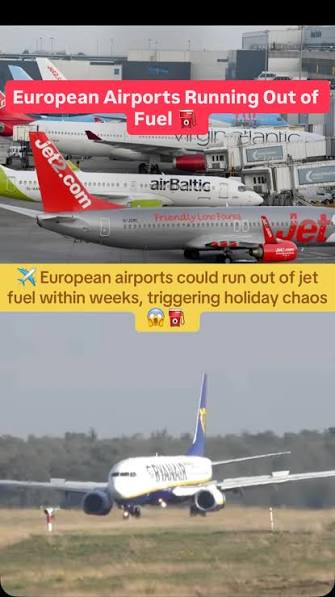
The Jet2 fuel crisis has become one of the most talked-about travel concerns across Europe in 2026. Millions of holidaymakers are watching closely as airlines warn about fuel shortages, potential flight cuts, and rising ticket costs ahead of the busy summer travel season.
At the heart of the problem is a global jet fuel shortage linked to geopolitical tensions affecting key shipping routes. While airlines—including UK leisure carriers such as Jet2—continue operating, uncertainty remains high. Many travelers are worried about cancellations, delays, and holiday disruption.
This article explains everything you need to know about the Jet2 fuel crisis, including what caused it, how it could affect flights, and what passengers should do next.
Understanding the Jet2 Fuel Crisis

The Jet2 fuel crisis is part of a much wider aviation problem impacting airlines across Europe and beyond. Rising fuel costs and disrupted supply routes have created significant operational challenges.
The Root Cause: Global Jet Fuel Supply Disruption
The main trigger behind the crisis is disruption to fuel shipments through the Strait of Hormuz, one of the world’s most important oil transport routes.
Europe depends heavily on imports from the Middle East. Experts estimate that around 75% of Europe’s jet fuel supply is imported, making the region highly vulnerable to geopolitical disruptions.
When shipments slowed due to conflict and naval blockades, fuel availability tightened dramatically. Airlines had little choice but to cut costs, reduce routes, or adjust schedules.
Some analysts warned that Europe could face severe shortages within six weeks if supply routes were not stabilized.
Why Jet2 Flights Are Under Pressure
Airlines like Jet2 rely heavily on stable fuel supplies to maintain schedules, especially during peak holiday seasons.
Rising Costs Hit Airlines Hard
Jet fuel prices surged dramatically during the crisis. In some markets, prices reached record levels, forcing airlines to reconsider their operations.
Fuel typically accounts for up to 40% of airline operating costs, meaning even small increases can lead to major financial pressure.
To stay profitable, airlines have taken several steps:
- Cutting less profitable routes
- Reducing flight frequency
- Adding fuel surcharges
- Combining passenger loads
These measures help airlines manage costs but can result in fewer available flights for travelers.
Europe’s Jet Fuel Shortage: A Growing Concern
The Jet2 fuel crisis is not isolated to one airline. It reflects a broader shortage affecting airports and aviation systems across Europe.
Warning Signs from Aviation Authorities
Industry leaders from the International Air Transport Association warned that widespread flight cancellations could begin as early as late May 2026 if shortages persist.
At the same time, airports reported uneven fuel supplies, with some smaller hubs at greater risk of shortages than major international airports.
Experts also warned that even if supply routes reopen, recovery could take months due to logistics and refinery capacity limitations.
Are Jet2 Flights Being Cancelled?
One of the most common questions travelers ask is whether Jet2 flights are already being cancelled.
Current Status of Jet2 Operations
As of the latest reports, Jet2 flights continue to operate, although the airline is closely monitoring supply conditions.
However, aviation experts warn that cancellations could increase across Europe if fuel shortages worsen.
Several other airlines have already begun reducing services. For example:
- Some European carriers have cancelled hundreds of flights
- Airlines have combined routes to save fuel
- Seasonal services have been reduced
These developments suggest that the risk of disruptions remains real, even if widespread cancellations have not yet fully materialized.
Holiday Chaos Fears: Summer Travel at Risk
Summer is traditionally the busiest travel season in Europe, making the timing of the Jet2 fuel crisis especially worrying.
Why Summer Holidays Are Most Vulnerable
The summer travel season depends heavily on reliable flight schedules. If fuel supplies remain unstable, airlines may prioritize:
- Long-haul routes
- Essential travel
- High-demand destinations
Meanwhile, low-demand leisure routes could face cuts first.
Experts warn that millions of passengers could be affected if shortages intensify before peak travel months.
Impact on Ticket Prices
Even travelers whose flights are not cancelled may still feel the impact of the fuel crisis through rising ticket prices.
Fuel Surcharges and Fare Increases
Airlines have already introduced fuel surcharges of up to $280 per ticket in some markets.
Higher fuel costs also lead to:
- Fewer discounted tickets
- Increased peak-season pricing
- Reduced promotional deals
For budget airlines like Jet2, maintaining low fares becomes increasingly difficult under such conditions.
How Governments Are Responding
European governments and aviation authorities are taking steps to prevent widespread travel disruption.
Emergency Measures Under Consideration
Authorities are exploring:
- Increasing refinery output
- Importing fuel from alternative suppliers
- Managing fuel reserves
- Coordinating airline schedules
The European Union is working on plans to diversify fuel sources and reduce reliance on Middle Eastern imports.
These steps aim to stabilize supply before the peak travel season.
What Travelers Should Do Right Now
If you have booked a flight with Jet2 or any European airline, preparation is key.
Practical Tips for Passengers
Travel experts recommend:
1. Monitor Flight Updates
Check your airline’s official website regularly for schedule changes.
2. Book Flexible Tickets
Flexible bookings provide protection against sudden cancellations.
3. Arrive Early at Airports
Operational delays may increase during fuel shortages.
4. Consider Travel Insurance
Insurance can protect against unexpected disruptions.
5. Stay Informed About Airline Policies
Each airline has different rules regarding cancellations and refunds.
Passenger Rights During the Fuel Crisis
Passenger rights depend heavily on the reason behind delays or cancellations.
Compensation Rules
Under European regulations, compensation may not apply if disruptions are caused by extraordinary circumstances such as geopolitical conflict.
However, airlines must still provide:
- Meals
- Accommodation (if needed)
- Alternative transport
These protections help passengers manage unexpected disruptions.
Airline Industry Response
Airlines across Europe are adapting quickly to the evolving fuel crisis.
Operational Changes Across Airlines
Industry-wide responses include:
- Reducing flight frequency
- Retiring older aircraft
- Optimizing fuel usage
- Increasing ticket prices
Many airlines are also reviewing long-term strategies to reduce dependence on imported fuel.
Could the Crisis Get Worse?
The biggest concern among travelers is whether the situation will escalate.
Future Outlook
The outlook depends heavily on geopolitical developments and supply chain recovery.
Recent announcements that shipping routes have reopened temporarily caused oil prices to fall, easing immediate pressure.
However, experts caution that uncertainty remains, and recovery could take months.
Long-Term Impact on European Travel
The Jet2 fuel crisis could reshape the aviation industry beyond 2026.
Potential Industry Changes
Possible long-term effects include:
- Increased investment in alternative fuels
- Greater fuel storage capacity
- More efficient aircraft
- Reduced reliance on single supply routes
These changes could make aviation more resilient in the future.
Will Holidays Still Go Ahead?
Despite fears of holiday chaos, many trips are still expected to proceed.
What Travelers Can Expect
Most airlines will attempt to maintain essential services wherever possible.
However, travelers should prepare for:
- Possible delays
- Schedule changes
- Higher ticket prices
Flexibility remains the key to stress-free travel during uncertain times.
Expert Advice for Jet2 Passengers
Travel analysts recommend that Jet2 customers stay calm but cautious.
Key Advice
- Do not cancel travel plans unnecessarily
- Stay updated through official airline channels
- Keep travel documents ready
- Allow extra time for journeys
Prepared travelers are far less likely to face major disruptions.
Conclusion: Jet2 Fuel Crisis Explained
The Jet2 fuel crisis highlights how global events can quickly impact everyday travel plans. While flights continue operating for now, uncertainty remains as Europe faces ongoing fuel supply challenges.
With the summer season approaching, travelers should stay informed, remain flexible, and plan ahead. Although holiday chaos is possible, widespread disruption is not yet inevitable.
Careful preparation—and close monitoring of airline updates—will be essential for anyone planning to fly in Europe during the coming months.
FAQs About the Jet2 Fuel Crisis
What is the Jet2 fuel crisis?
The Jet2 fuel crisis refers to travel disruption risks caused by a jet fuel shortage affecting Europe due to global supply chain issues.
Are Jet2 flights cancelled right now?
Most Jet2 flights are still operating normally, but airlines are monitoring fuel availability closely.
Why is Europe facing a fuel shortage?
Europe depends heavily on imported jet fuel, particularly from the Middle East, making it vulnerable to supply disruptions.
Will ticket prices increase due to the fuel crisis?
Yes. Rising fuel costs often lead to higher ticket prices and added surcharges.
What should I do if my flight is cancelled?
Contact your airline immediately. They must provide assistance such as rebooking or accommodation if required.
How long could the Jet2 fuel crisis last?
Experts believe recovery may take months, depending on supply stability and geopolitical developments.
Is it safe to book summer holidays now?
Yes, but choose flexible booking options and monitor travel updates regularly.
How useful was this post?
Click on a star to rate it!
Average rating 0 / 5. Vote count: 0
No votes so far! Be the first to rate this post.
About the Author

usa5911.com
Administrator
Hi, I’m Gurdeep Singh, a professional content writer from India with over 3 years of experience in the field. I specialize in covering U.S. politics, delivering timely and engaging content tailored specifically for an American audience. Along with my dedicated team, we track and report on all the latest political trends, news, and in-depth analysis shaping the United States today. Our goal is to provide clear, factual, and compelling content that keeps readers informed and engaged with the ever-changing political landscape.