Crenguta Aruxandei Case: Shocking Charges, Court Drama, Public Reaction
The Crenguta Aruxandei case has rapidly become one of the most talked-about legal stories in recent UK news cycles. What began as a traffic incident soon escalated into a courtroom battle involving serious injuries, public outrage, and intense scrutiny over road safety standards.
At the center of the controversy is Crenguta Aruxandei, a 44-year-old driver who pleaded guilty to causing serious injuries in a crash that authorities described as “completely avoidable.” The case has sparked debates not only about legal responsibility but also about road awareness, driver discipline, and sentencing fairness.
This article breaks down the timeline, legal developments, public reactions, and broader lessons from the case.
What Happened in the Crenguta Aruxandei Case?
The Crash That Triggered the Case
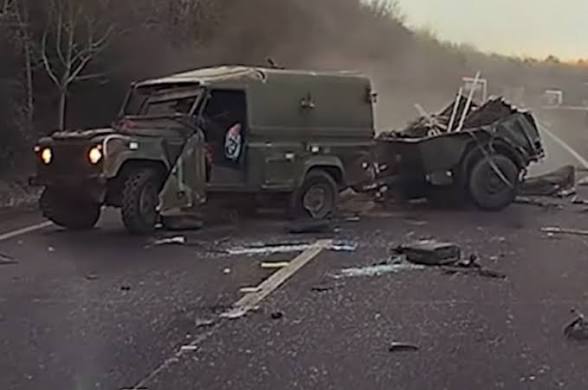
The incident occurred on January 10, when a vehicle driven by Crenguta Aruxandei reportedly cut in front of another vehicle on a major road, forcing evasive action that led to a serious crash.
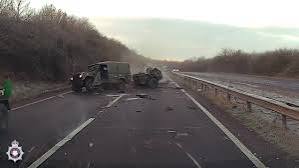
According to investigators, the collision involved a Land Rover Defender, which overturned after swerving to avoid Aruxandei’s vehicle. The sudden maneuver caused severe injuries to those inside the vehicle.
Authorities confirmed that:
- The crash happened on the A43 road in Northamptonshire
- The vehicle overturned after being forced to avoid a sudden lane maneuver
- Two individuals suffered significant injuries
- Emergency medical teams transported victims to hospital immediately
One victim sustained a suspected fractured back, while another suffered a serious head injury, highlighting the severity of the incident.
Charges Filed Against Crenguta Aruxandei
Careless Driving and Serious Injury
Following a police investigation, prosecutors charged Crenguta Aruxandei with:
- Two counts of causing serious injury by careless driving
These charges were considered serious due to the injuries involved and the circumstances surrounding the crash.
Aruxandei initially planned to contest the charges but later changed her plea to guilty before jury proceedings began. This shift became a crucial moment in the case timeline.
Courtroom Drama: Plea Change and Sentencing
Guilty Plea Before Trial
Legal observers noted that Aruxandei initially prepared to fight the charges. However, before a jury was sworn in, she entered a guilty plea.
This unexpected change:
- Shortened the trial process
- Influenced sentencing considerations
- Reduced court proceedings time
Such last-minute plea changes are common in legal cases where evidence strongly supports prosecution claims.
Final Sentence and Legal Outcome
The court delivered a sentence that sparked mixed reactions among the public.
The penalties included:
- Six-month prison sentence (suspended)
- One-year driving ban
- Mandatory extended driving test requirement
- Financial surcharge ordered by the court
The sentence was suspended, meaning Aruxandei avoided immediate imprisonment but would face jail time if she violated conditions during the suspension period.
Victims and Impact of the Crash
Serious Injuries Reported
The crash left lasting consequences for the victims involved.
Authorities reported:
- One victim suffered a suspected fractured back
- Another experienced a significant head injury
- Both required emergency hospitalization
Such injuries often lead to long recovery periods and potential long-term complications.
Police described the crash as:
“A completely avoidable collision.”
That statement became widely circulated in media coverage and shaped public perception of the case.
Police Investigation Findings
What Investigators Discovered
Police analysis concluded that the crash resulted from:
- Sudden lane cutting
- Failure to maintain safe road awareness
- Risky maneuvering in traffic
Investigators emphasized that the incident was preventable, reinforcing the idea that responsible driving behavior is essential for road safety.
A spokesperson confirmed that the collision occurred after another vehicle was forced to take evasive action to avoid Aruxandei’s driving maneuver.
Public Reaction to the Case
Mixed Opinions Across Communities
Public response to the Crenguta Aruxandei case has been sharply divided.
Critics Say the Sentence Was Too Lenient
Some individuals expressed frustration that:
- The driver avoided immediate prison time
- The victims suffered serious injuries
- Road safety consequences seemed insufficient
These reactions highlight ongoing debates about sentencing standards in careless driving cases.
Others Support the Court’s Decision
Some legal observers defended the outcome, noting that:
- The defendant pleaded guilty
- The sentence included restrictions and penalties
- Rehabilitation measures were included
Supporters argued that suspended sentences allow offenders to learn from mistakes without overcrowding prisons.
Road Safety Debate Sparked by the Case
Why This Case Matters
Beyond courtroom drama, the incident has triggered discussions about road safety responsibilities.
Experts highlighted the importance of:
- Defensive driving
- Maintaining safe distances
- Avoiding sudden lane movements
- Anticipating traffic changes
Cases like this often serve as reminders of the risks associated with careless driving.
Legal Analysis: Understanding Careless Driving Charges
What Counts as Careless Driving?
Careless driving occurs when a driver fails to meet expected road safety standards.
Common examples include:
- Sudden braking without reason
- Dangerous lane changes
- Distracted driving
- Ignoring road conditions
In this case, prosecutors argued that risky lane movement directly caused the crash.
Why Serious Injury Charges Are Significant
When careless driving leads to severe harm, legal penalties increase dramatically.
Courts typically consider:
- Injury severity
- Driver responsibility
- Risk level involved
- Previous driving history
These factors influence sentencing outcomes.
Timeline of the Crenguta Aruxandei Case
Here is a simplified timeline of events:
January 10: Crash occurs on A43 road
February: Charges formally acknowledged
Pre-Trial Stage: Plea changed to guilty
Sentencing: Suspended prison sentence issued
This timeline shows how quickly the case progressed after the incident.
Media Coverage and Viral Attention
How the Case Spread Online
News footage and reports quickly circulated online, attracting widespread attention.
Video releases showing the crash aftermath intensified public interest.
Modern digital platforms amplify such cases by:
- Sharing visual evidence
- Encouraging public commentary
- Expanding awareness quickly
This increased visibility contributed to strong public reaction.
Psychological and Social Impact
Effects on Victims and Families
Serious crashes affect more than physical health.
Common consequences include:
- Emotional trauma
- Financial burdens
- Rehabilitation stress
- Lifestyle changes
Support systems play a crucial role in recovery.
Lessons From the Crenguta Aruxandei Case
Key Takeaways
This case highlights several important lessons:
1. Road Safety Must Be a Priority
Even small driving mistakes can lead to devastating consequences.
2. Legal Responsibility Is Real
Drivers can face criminal charges when negligence causes harm.
3. Prevention Saves Lives
Responsible driving remains the best protection against tragedy.
Wider Impact on UK Road Policies
Could This Case Influence Future Laws?
Legal experts believe that high-profile cases sometimes influence future road safety initiatives.
Potential outcomes may include:
- Increased driver education
- Stricter enforcement policies
- Public safety campaigns
While policy changes are not guaranteed, public attention often encourages reform discussions.
Public Trust and Legal Accountability
Why Transparency Matters
Public trust depends heavily on clear and fair legal processes.
When cases receive widespread attention, courts often face increased scrutiny.
Transparency helps ensure:
- Fair sentencing
- Public confidence
- Accountability
This case demonstrates how legal decisions can shape public perception.
Media Ethics and Responsible Reporting
Balancing Facts and Sensation
High-profile cases often attract dramatic headlines.
Responsible journalism requires:
- Accurate reporting
- Respect for victims
- Avoidance of speculation
Reliable reporting helps maintain trust.
Could Similar Cases Happen Again?
The Reality of Road Risks
Unfortunately, careless driving remains a major contributor to road accidents worldwide.
Preventive measures include:
- Awareness campaigns
- Driver education programs
- Improved vehicle safety technology
Continuous vigilance is essential.
FAQs About the Crenguta Aruxandei Case
1. Who is Crenguta Aruxandei?
Crenguta Aruxandei is a driver who pleaded guilty to causing serious injuries in a crash caused by careless driving on a major UK road.
2. What charges were filed in the case?
She faced two counts of causing serious injury by careless driving, which are serious criminal offenses.
3. What sentence did the court give?
The court issued:
- A six-month suspended prison sentence
- A one-year driving ban
- Additional legal penalties and conditions.
4. How many people were injured?
Two individuals were seriously injured during the crash, including one with a suspected fractured back.
5. Why did the case attract public attention?
The severity of injuries, video footage release, and sentencing outcome triggered strong public reactions.
6. Did the driver go to jail?
No immediate jail time was served because the sentence was suspended.
7. What does a suspended sentence mean?
A suspended sentence means imprisonment will occur only if court conditions are violated.
8. Where did the crash occur?
The incident happened on the A43 road in Northamptonshire, a major UK roadway.
Conclusion
The Crenguta Aruxandei case stands as a powerful reminder of the real-world consequences of careless driving. While the courtroom verdict has concluded, the broader conversation surrounding road safety continues.
From serious injuries to heated public reaction, this case illustrates how one moment of negligence can reshape lives permanently. More importantly, it reinforces a universal message: safe driving is not just a personal responsibility—it is a public duty.
As public awareness grows, cases like this may ultimately help drive meaningful changes in safety practices and legal accountability, ensuring that tragedies of this nature become less frequent in the future.
How useful was this post?
Click on a star to rate it!
Average rating 0 / 5. Vote count: 0
No votes so far! Be the first to rate this post.
About the Author

usa5911.com
Administrator
Hi, I’m Gurdeep Singh, a professional content writer from India with over 3 years of experience in the field. I specialize in covering U.S. politics, delivering timely and engaging content tailored specifically for an American audience. Along with my dedicated team, we track and report on all the latest political trends, news, and in-depth analysis shaping the United States today. Our goal is to provide clear, factual, and compelling content that keeps readers informed and engaged with the ever-changing political landscape.