Mike Johnson Crisis: GOP Revolt, Spy Bill Chaos, Power Struggle
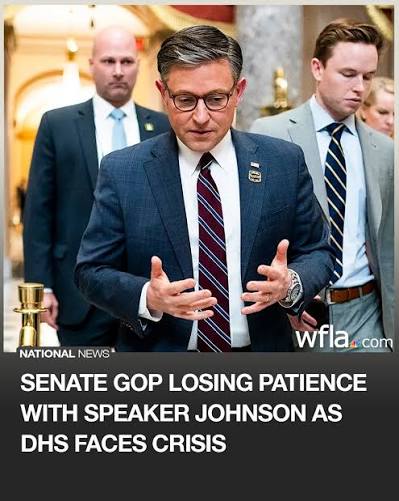
The political landscape in Washington has entered another phase of turmoil as Mike Johnson confronts one of the most serious leadership crises of his tenure. A revolt within the Republican Party over a controversial surveillance bill has triggered chaos in Congress, threatening party unity and raising questions about the future of national security legislation.
At the heart of the crisis is Section 702 of the Foreign Intelligence Surveillance Act—often referred to as the “spy bill.” This law allows U.S. intelligence agencies to collect communications involving foreign targets, even when Americans’ data is incidentally captured.
Recent events have shown how deeply divided lawmakers have become. A group of Republican lawmakers broke ranks and blocked long-term renewal plans, forcing emergency short-term extensions and exposing cracks in party leadership.
This article examines the unfolding crisis, the internal GOP revolt, the surveillance debate, and the broader power struggle reshaping American politics.
Understanding the Spy Bill at the Center of the Crisis

What Is Section 702?
Section 702 of the Foreign Intelligence Surveillance Act allows U.S. intelligence agencies to monitor foreign communications without obtaining traditional warrants.
Originally enacted in 2008, the law was designed to improve national security efforts by allowing intelligence agencies to track foreign threats efficiently. However, the program has long faced criticism due to its potential to collect communications involving American citizens.
Privacy advocates argue that the law creates a loophole that allows authorities to access Americans’ communications without court approval. Critics often refer to this as a “backdoor search” problem.
Congress has repeatedly renewed the law over the years, but the most recent reauthorization attempt turned into a political battlefield.
According to reports, lawmakers failed to agree on a long-term extension, forcing Congress to approve only a temporary renewal to prevent the program from expiring.
The GOP Revolt That Shocked Leadership
Why Republicans Turned Against Their Own Party
One of the most dramatic developments in the crisis was the rebellion of roughly 20 Republican lawmakers who opposed leadership plans for a long-term renewal of surveillance powers.
These lawmakers demanded stronger privacy protections, including requirements that authorities obtain warrants before accessing Americans’ data.
This revolt marked a rare moment where conservative Republicans aligned with progressive Democrats—an unusual coalition united by privacy concerns.
Key reasons behind the revolt included:
- Concerns over warrantless surveillance
- Pressure from privacy activists
- Distrust of intelligence agencies
- Growing grassroots opposition to government monitoring
The rebellion forced party leadership into crisis mode, delaying votes and triggering emergency negotiations.
Reports indicate that the leadership’s attempt to pass an 18-month extension collapsed after dissenting Republicans refused to support the measure.
Late-Night Chaos in Congress
How the Situation Escalated
The House of Representatives witnessed intense overnight negotiations as lawmakers scrambled to prevent the surveillance program from expiring.
After repeated failures to secure votes for a long-term extension, lawmakers ultimately approved only a short-term renewal lasting until the end of April.
The chaotic timeline included:
- Failed attempts to pass a five-year renewal
- Collapse of an 18-month compromise
- Emergency late-night negotiations
- Passage of a temporary extension
Political analysts described the episode as one of the most chaotic legislative battles of the year.
The temporary measure bought time but did not resolve the deeper divisions within Congress.
The Leadership Test Facing Mike Johnson
A Defining Moment for the Speaker
For Mike Johnson, the crisis represents a defining leadership challenge.
As Speaker of the House, Johnson must balance competing priorities:
- National security concerns
- Party unity
- Privacy demands
- Political survival
This balancing act has become increasingly difficult as factions within the Republican Party grow more assertive.
Reports suggest that Johnson postponed key votes to gain support, but dissent persisted despite intense lobbying efforts.
The revolt has raised questions about whether he can maintain authority over a divided majority.
The Role of National Security Concerns
Why Intelligence Agencies Support Renewal
Supporters of the surveillance program argue that Section 702 plays a critical role in protecting national security.
Officials claim the program helps:
- Identify terrorist threats
- Track foreign cyberattacks
- Monitor espionage networks
- Prevent international crimes
Security officials warned lawmakers that allowing the law to expire could weaken intelligence operations.
Some lawmakers supported a “clean renewal” without major changes, arguing that delays could create security risks.
However, critics countered that security should not come at the expense of civil liberties.
Privacy Advocates Push Back
The Civil Liberties Argument
Opposition to the surveillance program is not limited to politicians.
Civil liberties groups have strongly criticized the law, arguing that it violates constitutional protections.
Privacy advocates say:
- Americans’ data should not be accessed without warrants
- Surveillance oversight remains insufficient
- Past misuse of intelligence tools has damaged public trust
These concerns gained momentum as reports highlighted compliance problems within intelligence agencies.
Lawmakers from both parties echoed these concerns, reinforcing bipartisan pressure for reform.
Bipartisan Alliances Reshape the Debate
A Rare Political Partnership
One of the most striking aspects of the crisis has been the unusual alliance between conservative Republicans and progressive Democrats.
Though often divided on other issues, these lawmakers share concerns about privacy and government overreach.
This coalition successfully blocked long-term renewal attempts, forcing leadership to reconsider strategy.
The bipartisan resistance signals a broader shift in American politics, where traditional party lines are increasingly blurred.
The Senate Steps In
Short-Term Extension Saves the Program
After the House approved a temporary extension, the Senate quickly followed suit.
Lawmakers passed a short-term measure extending surveillance powers until April 30, ensuring intelligence agencies could continue operating.
However, the extension merely delayed the problem rather than solving it.
Negotiations are expected to continue as lawmakers attempt to craft a compromise acceptable to all sides.
The Broader Power Struggle Inside the GOP
Divisions That Could Shape Future Elections
The revolt has exposed deep ideological divisions within the Republican Party.
Key factions include:
- National security conservatives
- Libertarian-leaning privacy advocates
- Establishment leaders
- Populist conservatives
These factions often disagree on strategy and policy priorities.
The surveillance debate has become a symbolic battle representing broader tensions within the party.
Political analysts believe these divisions could influence upcoming elections and leadership contests.
Impact on U.S. Governance
Legislative Gridlock Risks
The ongoing crisis raises concerns about legislative paralysis.
If lawmakers fail to reach an agreement, several risks could emerge:
- Intelligence disruptions
- Policy delays
- Government instability
- Reduced public confidence
Repeated leadership challenges have already strained the legislative process.
Observers warn that continued instability could weaken Congress’s ability to function effectively.
Public Reaction and Political Fallout
Growing Distrust Among Voters
Public opinion remains divided.
Some voters support strong surveillance laws to ensure safety, while others fear government overreach.
Recent debates have fueled widespread discussion about:
- Privacy rights
- Government accountability
- National security
- Political transparency
Social media discussions have amplified these concerns, making surveillance reform a major public issue.
Possible Outcomes of the Crisis
What Happens Next?
Several scenarios could emerge in the coming weeks:
1. Compromise Legislation
Lawmakers may agree on reforms that include warrant requirements and stricter oversight.
2. Leadership Shake-Ups
Continued rebellion could weaken Speaker Johnson’s position.
3. Policy Deadlock
Failure to reach agreement could lead to repeated short-term extensions.
4. Major Reform Movement
Public pressure may lead to significant surveillance reforms.
Each outcome carries political consequences that could shape future policy debates.
Global Implications
Why the World Is Watching
Although the crisis is domestic, its effects extend beyond the United States.
Foreign governments monitor U.S. surveillance policies closely because:
- Intelligence sharing relies on U.S. capabilities
- Security alliances depend on reliable data
- Diplomatic relations may be affected
A prolonged crisis could impact international intelligence cooperation.
Historical Context: Surveillance Debates Over Time
A Long-Running Controversy
Surveillance laws have faced criticism since their inception.
Past controversies include:
- Mass data collection revelations
- Intelligence oversight reforms
- Court challenges
The current crisis represents the latest chapter in a decades-long debate over balancing security and privacy.
Why This Crisis Matters Politically
The Stakes Are Higher Than Ever
The battle over surveillance powers is not just about policy—it is about power.
Leadership credibility, party unity, and national security priorities are all at stake.
Political analysts believe the outcome of this crisis could define the next phase of American governance.
Conclusion: A Leadership Moment Under Pressure
The crisis surrounding Mike Johnson highlights the fragile balance between political leadership and ideological divisions.
What began as a legislative debate over surveillance powers has evolved into a major political showdown.
With internal revolts, bipartisan resistance, and national security concerns all colliding, the coming weeks will determine whether Congress can find common ground—or descend further into chaos.
The outcome will not only shape U.S. surveillance policy but also redefine the power dynamics within one of the country’s most influential political institutions.
FAQs
What is the Mike Johnson crisis about?
The crisis involves a revolt within the Republican Party over the renewal of surveillance powers under Section 702 of the Foreign Intelligence Surveillance Act.
Why did Republicans oppose the spy bill?
Some Republicans demanded stronger privacy protections, including warrants before accessing Americans’ communications.
What is Section 702 of FISA?
It is a U.S. surveillance law that allows intelligence agencies to monitor foreign communications without traditional warrants.
Did Congress pass the spy bill?
Congress passed only a temporary extension, allowing negotiations to continue while preventing the program from expiring.
How does this affect national security?
Supporters say the program protects against foreign threats, while critics argue unchecked surveillance threatens civil liberties.
Could Mike Johnson lose his leadership role?
While not certain, continued rebellion within his party could weaken his position as Speaker.
Why is this crisis important globally?
U.S. surveillance policies influence intelligence sharing, diplomacy, and international security partnerships.
How useful was this post?
Click on a star to rate it!
Average rating 0 / 5. Vote count: 0
No votes so far! Be the first to rate this post.
About the Author

usa5911.com
Administrator
Hi, I’m Gurdeep Singh, a professional content writer from India with over 3 years of experience in the field. I specialize in covering U.S. politics, delivering timely and engaging content tailored specifically for an American audience. Along with my dedicated team, we track and report on all the latest political trends, news, and in-depth analysis shaping the United States today. Our goal is to provide clear, factual, and compelling content that keeps readers informed and engaged with the ever-changing political landscape.