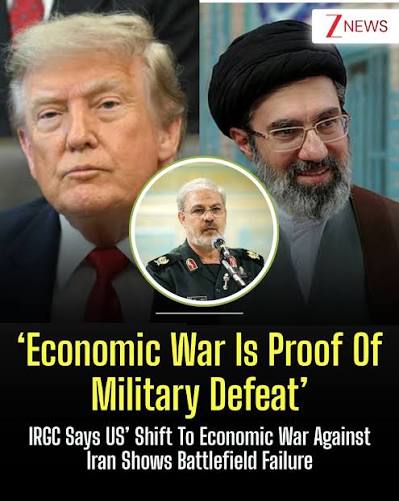
The Iran economic crisis has entered a critical new phase as the United States intensifies its financial and economic pressure campaign against Tehran. Washington’s strategy is increasingly focused on a central objective: restricting the Iranian government’s ability to generate, move and access money while simultaneously targeting financial networks connected to the Islamic Revolutionary Guard Corps, commonly known as the IRGC.
The latest developments suggest that economic pressure is becoming one of Washington’s most important tools in its broader confrontation with Iran. Rather than relying exclusively on military action, the United States has expanded sanctions, targeted oil revenues, pursued financial intermediaries and increased pressure on international companies and countries doing business with Tehran.
Official U.S. Treasury actions in 2026 have specifically targeted Iranian military oil revenue and financial mechanisms linked to the IRGC. The Treasury has described its broader approach as part of a campaign of maximum economic pressure designed to reduce the resources available to Iran’s military and regional networks.
At the same time, Iran is facing serious internal economic difficulties. Inflation, currency pressure, shortages of foreign currency and growing pressure on household purchasing power have made the country’s economic situation increasingly difficult. Recent reporting has described a sharp deterioration in living standards as prices for essential goods rise and financial uncertainty spreads.
The key question is whether the new U.S. financial strategy can achieve something that years of sanctions have struggled to accomplish: significantly reduce Iran’s ability to fund the IRGC and force Tehran to change its strategic calculations.
What Is Driving the Iran Economic Crisis?
Iran’s economic problems did not begin overnight. The country has faced years of sanctions, restricted access to international financial markets, currency instability and difficulties attracting foreign investment.
However, the latest period of pressure has added new challenges.
The Iranian economy is now dealing with several major problems at the same time:
- High inflation
- A weakening national currency
- Reduced purchasing power
- Pressure on oil revenues
- Limited access to foreign currency
- Difficulties importing important goods
- Expanding financial restrictions
- Disruption to international trade
For ordinary Iranian households, these pressures can be particularly severe. When a country’s currency loses value, imported goods become more expensive. Businesses face higher costs, consumers pay more for food and other essentials, and savings can lose purchasing power.
Recent reporting from August 2026 described exceptionally high inflation and significant increases in food prices, contributing to worsening economic hardship for Iranian families.
This domestic economic weakness is important because the United States believes financial pressure can reduce Tehran’s ability to support military activities and regional operations.
The US Financial Strategy Explained
The modern U.S. strategy toward Iran goes far beyond simply placing sanctions on government officials.
Washington is attempting to target the broader financial ecosystem that allows Iranian money to move internationally.
This strategy focuses on several areas.
1. Targeting Iranian Oil Revenue
Oil remains one of Iran’s most important potential sources of foreign currency.
The U.S. Treasury has repeatedly targeted networks allegedly involved in Iranian oil sales, including companies and intermediaries accused of helping generate revenue for military and government activities.
In May 2026, the Treasury said it was taking additional action against Iranian military oil sales and networks using front companies to support the country’s armed forces. The department stated that its objective was to deprive Iran’s government and military of financial resources used to rebuild military capabilities.
The logic is straightforward.
If Iran earns less money from oil exports, the government has fewer financial resources available for:
- Military procurement
- Weapons development
- Government spending
- Foreign operations
- Strategic infrastructure
Oil revenue is therefore a major battlefield in the economic confrontation.
Cutting IRGC Funding
One of the most important elements of the U.S. financial strategy is the effort to restrict funding connected to the Islamic Revolutionary Guard Corps.
The IRGC plays a major role in Iran’s military and security structure. For years, U.S. authorities have argued that networks associated with the organization have used international companies, financial facilitators and other mechanisms to generate and move money.
In May 2026, FinCEN issued an alert intended to help financial institutions identify suspicious activity linked to IRGC funding streams and procurement networks. The alert highlighted alleged methods including shell companies, illicit oil sales and digital assets.
The strategy is not simply about blocking one bank account.
Instead, U.S. authorities are attempting to identify the wider network surrounding the movement of money.
That can include:
- Front companies
- Shipping networks
- Financial intermediaries
- Oil traders
- Currency facilitators
- Digital asset networks
- Procurement companies
By targeting these networks, Washington hopes to make it increasingly difficult and expensive for Iran-linked organizations to operate internationally.
Maximum Pressure Returns to the Center of US Policy
The phrase maximum pressure has once again become central to the U.S. approach toward Iran.
The policy seeks to use America’s influence over the global financial system to increase the cost of doing business with Tehran.
The United States can impose restrictions directly on Iranian entities. But another important tool is the use of secondary sanctions.
Secondary sanctions can create risks for foreign companies, banks or organizations that continue certain business relationships with sanctioned Iranian entities.
This is particularly powerful because many international businesses rely on access to:
- The U.S. financial system
- Dollar transactions
- American markets
- International banking relationships
A company may therefore decide that doing business with Iran is too risky.
The result is a broader form of economic isolation.
Recent reporting has described the Trump administration’s latest campaign as an attempt to expand pressure on Iran’s remaining international financial and commercial relationships, although the effectiveness of such a strategy depends heavily on enforcement and international cooperation.
Why China’s Role Is So Important
The success of any U.S. maximum pressure campaign depends heavily on what Iran’s major trading partners decide to do.
China is particularly important.
Recent reporting has identified China as Iran’s largest oil customer and one of its most important economic relationships. This creates a major challenge for Washington.
If the United States successfully pressures smaller companies but major buyers continue purchasing Iranian oil, Tehran may retain access to critical revenue.
Reports have indicated that Washington’s strategy faces a difficult balancing act involving China, especially because aggressive sanctions against major Chinese institutions could create wider diplomatic and economic consequences.
This creates an important limitation.
Maximum pressure works most effectively when countries cooperate.
If major economies continue trading with Iran through alternative systems, Tehran can develop ways to reduce the impact of traditional financial restrictions.
Iran’s Financial Survival Strategy
Iran has spent years adapting to sanctions.
As a result, the country has developed alternative methods for conducting international trade.
Reports have described methods including:
- Alternative currencies
- Barter arrangements
- Complex shipping routes
- Front companies
- Ship-to-ship oil transfers
- Informal financial networks
These mechanisms make enforcement more difficult.
The challenge for the United States is therefore not simply imposing sanctions. It is identifying how Iranian-linked networks adapt after restrictions are introduced.
A sanctioned company can be replaced.
A new intermediary can emerge.
A shipping route can change.
A financial network can reorganize.
This is why U.S. authorities increasingly focus on the broader ecosystem surrounding Iranian trade and financial transactions.
Inflation and the Pressure on Iranian Families
While governments debate sanctions and geopolitical strategy, the consequences of an economic crisis are often felt most directly by ordinary citizens.
Inflation can affect nearly every aspect of daily life.
When food prices rise rapidly, households must spend a larger share of their income on basic necessities.
When the currency weakens, imported products become more expensive.
When foreign currency becomes scarce, businesses may struggle to obtain materials and goods.
Recent reporting from August 2026 described sharp increases in essential food prices and worsening pressure on household purchasing power in Iran.
This creates a difficult political environment for the Iranian government.
Tehran must simultaneously manage:
- Economic dissatisfaction
- Inflation
- Currency instability
- Military spending
- International sanctions
- Trade restrictions
The more resources required to manage the economic crisis, the more difficult it may become to maintain other priorities.
Can Economic Pressure Reduce Iran’s Military Capabilities?
This is one of the most important questions surrounding the U.S. strategy.
Economic sanctions do not physically destroy military equipment. However, they can make military activities more expensive and difficult.
A military organization needs access to money for:
- Equipment
- Components
- Technology
- Transportation
- Salaries
- Maintenance
- Procurement
If financial networks are disrupted, obtaining these resources can become more complicated.
The U.S. Treasury has explicitly stated that its sanctions campaign aims to reduce financial resources available for Iran’s military and armed forces.
However, the effectiveness of this strategy remains uncertain.
Iran has repeatedly demonstrated an ability to adapt to sanctions.
Therefore, the real measure of success will be whether the restrictions create long-term financial damage rather than temporary disruption.
The Strait of Hormuz Adds Another Economic Dimension
The economic confrontation between the United States and Iran is also connected to the Strait of Hormuz.
The waterway is strategically important for global energy markets.
Recent tensions and military incidents have increased concerns about shipping and oil supplies. Reuters and other major outlets reported renewed conflict and significant disruption to maritime traffic in late August 2026.
This creates a complicated situation.
The United States wants to increase economic pressure on Iran.
But regional instability can also increase global energy prices.
Higher oil prices may create financial consequences for consumers and economies around the world.
Therefore, Washington must balance pressure on Iran with the risk of wider economic disruption.
The Limits of Maximum Pressure
Maximum pressure is powerful, but it is not guaranteed to produce political surrender.
There are several reasons.
Iran Can Adapt
Years of sanctions have encouraged Iran to develop alternative trading and financial mechanisms.
Major Trading Partners Matter
If important countries continue commercial relationships with Iran, complete economic isolation becomes extremely difficult.
Sanctions Can Create Unintended Consequences
Economic pressure can weaken an economy without necessarily changing government policy.
In some situations, governments under pressure may become more resistant rather than more willing to compromise.
Global Economic Costs
Aggressive sanctions and energy disruptions can also affect international markets.
Recent reporting has highlighted concerns about oil prices and the wider consequences of conflict and shipping disruptions in the Middle East.
What Happens Next for Iran’s Economy?
Iran now faces an uncertain economic future.
If oil revenue remains restricted and international financial pressure increases, Tehran could face even greater difficulty stabilizing its economy.
Several developments will be particularly important.
Will the US Expand Secondary Sanctions?
Washington may continue targeting foreign companies and financial networks connected to Iranian trade.
Will China Continue Buying Iranian Oil?
China’s decisions could significantly influence the effectiveness of the broader sanctions campaign.
Can Iran Find New Trade Routes?
Iran will likely continue searching for alternative markets and financial mechanisms.
Will Inflation Continue Rising?
Persistent inflation could increase pressure on Iranian households and businesses.
Could Diplomacy Return?
Economic pressure is often intended to create leverage for negotiations.
Whether the current strategy eventually produces diplomatic talks remains uncertain.
Conclusion: A High-Stakes Economic Battle
The Iran economic crisis is now closely connected to a broader geopolitical confrontation between Tehran and Washington.
The United States is attempting to use financial power to limit Iran’s access to revenue, target networks connected to the IRGC and increase the economic cost of continued confrontation.
The strategy includes restrictions on oil revenue, financial intermediaries, front companies and international networks accused of helping move Iranian funds.
Official U.S. actions in 2026 show a particular focus on reducing the financial resources available to Iran’s military and IRGC-linked networks.
But the outcome is far from certain.
Iran has experience surviving sanctions.
China and other international relationships remain important.
Global energy markets create additional complications.
And economic pressure does not always produce immediate political change.
For now, however, one thing is clear: the financial front has become one of the most important battlegrounds in the U.S.-Iran confrontation.
As sanctions expand and Iran’s internal economic difficulties continue, the coming months could determine whether maximum pressure significantly changes Tehran’s financial capabilities—or whether Iran once again finds new ways to survive economic isolation.
FAQs
1. What is causing the Iran economic crisis?
Iran’s economic crisis is driven by multiple factors, including sanctions, inflation, currency weakness, restricted access to foreign currency, pressure on oil revenues and difficulties in international trade.
2. What is the US maximum pressure strategy against Iran?
The maximum pressure strategy uses sanctions and financial restrictions to limit Iran’s access to international markets and reduce the government’s financial resources.
3. Why is the IRGC funding being targeted?
U.S. authorities say they are targeting financial networks connected to the IRGC to restrict resources available for military activities, procurement and related operations.
4. How do secondary sanctions work?
Secondary sanctions can create financial risks for foreign companies and institutions that continue certain business relationships with sanctioned entities.
5. Why is Iranian oil important to the US strategy?
Oil exports are a major potential source of foreign currency for Iran. Restricting oil revenue can reduce the financial resources available to the Iranian government and military.
6. Can Iran survive maximum economic pressure?
Iran has survived previous sanctions by developing alternative trade routes and financial mechanisms. However, continued restrictions and economic problems could increase the long-term cost.
7. Why is China important to Iran’s economy?
China is one of Iran’s most important economic partners and a major buyer of Iranian oil, making Beijing’s decisions important to the effectiveness of U.S. economic pressure.
8. Will sanctions end the Iran economic crisis?
Sanctions are designed to pressure the Iranian government, but they do not automatically solve political disputes. Their ultimate effectiveness depends on enforcement, international cooperation and Iran’s ability to adapt.
About the Author