US Strikes Iran:Two Service Members Killed,Retaliation,WW3
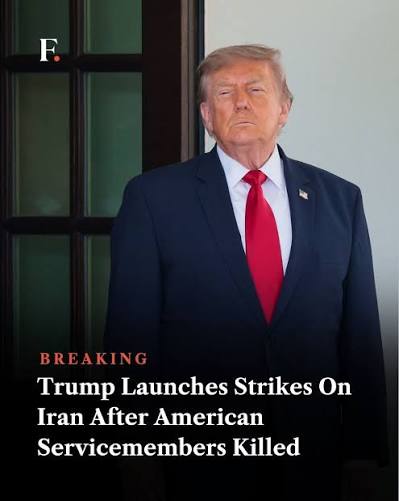
The United States has launched retaliatory strikes against Iran after an attack killed two American service members, creating a dangerous new chapter in the escalating Middle East conflict. The deaths of the troops have intensified calls for a stronger military response, while global leaders warn that further escalation could push the region toward a wider war.
The latest confrontation has raised fears of a possible direct US-Iran war, with analysts closely watching whether the conflict remains limited or expands into a broader international crisis. The situation has already affected regional security, military deployments, and diplomatic efforts.
Two US Service Members Killed in Iranian Attack
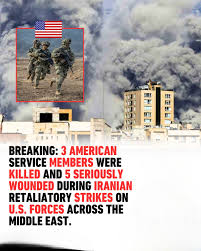
According to US military officials, two American service members were killed following an Iranian missile and drone attack targeting US forces in Jordan. Several others were injured, and officials reported that another service member was missing after the strike.
The attack marked a major escalation because it directly targeted American personnel rather than only regional allies or infrastructure. The deaths immediately increased pressure on Washington to respond with military force.
US Central Command stated that American and partner forces defended against incoming threats before launching retaliatory operations against Iranian military-related targets.
The incident has become a turning point in the already fragile relationship between Washington and Tehran.
US Retaliation Against Iran Begins
Following the deaths of the two service members, the United States carried out new strikes against Iranian military capabilities. Officials said the operations were aimed at reducing Iran’s ability to launch further attacks against US forces and regional partners.
The Pentagon described the response as necessary to protect American personnel and prevent additional attacks. However, Iran has warned that continued US military action could trigger further retaliation.
The cycle of attack and response has created concerns that both countries could enter a prolonged conflict with unpredictable consequences.
Why Did US-Iran Tensions Escalate?
The conflict between the United States and Iran has been building for years due to disagreements over:
- Iran’s nuclear program
- Regional military influence
- Support for allied armed groups
- US military presence in the Middle East
- Security of international shipping routes
The Middle East remains one of the world’s most strategically important regions because of its energy resources and major trade routes.
Any major military confrontation involving Iran could affect oil markets, global shipping, and international security.
Iran’s Response and Threat of Wider Conflict
Iran has repeatedly warned that it will respond strongly to attacks on its territory or military forces. Iranian officials have suggested that any expanded US campaign could lead to broader retaliation across the region.
Iran has military partnerships and influence networks in several countries, meaning any conflict could involve multiple fronts.
Experts fear that a larger confrontation could draw in:
- Gulf nations
- Israel
- US allies
- Regional armed groups
- International powers
This possibility has fueled discussions about whether the crisis could become a pathway toward a global conflict.
Are WW3 Fears Increasing?
The phrase “World War III” has become common in online discussions whenever major powers enter direct confrontation. While a global war remains uncertain, the US-Iran crisis contains several elements that concern security analysts.
Key risks include:
1. Expansion Beyond Iran and the US
A direct conflict could encourage attacks on US bases, allied countries, or commercial shipping routes.
2. Involvement of Other Powers
Countries with strategic interests in the Middle East could become involved diplomatically or militarily.
3. Economic Shock
A major conflict could disrupt oil supplies and increase global energy prices.
4. Miscalculation
Military conflicts can escalate quickly when one side misunderstands the intentions of another.
Military Presence Increases Across Middle East
The United States has maintained significant military forces across the Middle East for decades. Following recent attacks, Washington has increased security measures to protect bases and personnel.
The region has seen:
- Additional air defense systems
- Increased naval activity
- Greater surveillance operations
- Higher readiness among allied forces
Iran has also demonstrated missile and drone capabilities, making future attacks a serious concern.
The Strategic Importance of the Strait of Hormuz
One of the biggest concerns in the crisis is the Strait of Hormuz, a narrow waterway through which a significant portion of global oil shipments pass.
Any disruption could have worldwide economic consequences.
Military tensions around the region have already increased fears among energy markets and shipping companies.
A prolonged confrontation could lead to:
- Higher fuel prices
- Increased transportation costs
- Inflation pressure
- Global market uncertainty
Diplomatic Efforts Face Challenges
Despite military escalation, international leaders continue calling for diplomacy.
The United Nations and several governments have urged both sides to avoid actions that could trigger a wider war.
However, after American service members were killed, political pressure inside the United States has made negotiations more difficult.
Iran also faces domestic pressure to respond strongly to foreign attacks.
US Political Reaction After Troop Deaths
The deaths of American service members have triggered strong reactions from political leaders.
Many lawmakers have expressed support for military personnel while demanding accountability for those responsible.
Others have warned that a prolonged war could create additional risks for American forces and regional stability.
The debate reflects a larger question facing Washington:
Should the US increase military pressure on Iran or seek a diplomatic solution?
What Happens Next?
The next stage of the conflict depends on several factors:
- Iran’s military response
- US decisions regarding further strikes
- Actions by regional allies
- International diplomatic pressure
A limited exchange of attacks could eventually lead to negotiations. However, continued escalation could create a much larger crisis.
Military analysts are closely monitoring whether both sides choose restraint or continue expanding operations.
Global Reaction to US Military Strikes on Iran
The latest US-Iran confrontation has triggered international concern as governments attempt to prevent a wider military conflict. Allies of Washington have expressed support for protecting American personnel, while several countries have urged both sides to avoid actions that could lead to a regional war.
European and Middle Eastern leaders are closely monitoring developments because any major escalation could affect security, trade, and energy supplies worldwide.
The international community faces a difficult challenge: supporting national security measures while preventing a conflict that could spread beyond the current battlefield.
Iran’s Military Capabilities Become Major Concern
Iran possesses a large missile arsenal, drone technology, and regional networks that give it the ability to respond beyond its borders.
Military experts say Iran’s strategy has historically focused on:
- Missile attacks
- Drone operations
- Regional partnerships
- Asymmetric warfare tactics
- Cyber capabilities
The United States, meanwhile, has advanced air power, naval strength, intelligence networks, and military bases across the Middle East.
This creates a situation where both sides have powerful tools but also face serious risks if the conflict expands.
Could the Conflict Become a Long War?
One of the biggest questions after the US strikes is whether the confrontation will remain limited or become a prolonged conflict.
Previous Middle East wars have shown that military operations can become more complicated over time.
A longer conflict could involve:
Increased Airstrikes
Both sides may continue targeting military infrastructure, missile sites, and strategic locations.
More Attacks on US Bases
American facilities in the region could remain vulnerable to missile and drone attacks.
Pressure on Regional Allies
Countries supporting either side could face increased security challenges.
Humanitarian Consequences
Civilian populations often face the greatest impact during prolonged conflicts.
Recent reports indicate that the latest escalation has already caused significant casualties and increased fears of further instability.
Economic Impact of US-Iran Conflict
A major US-Iran war would not only affect governments and militaries. It could also create global economic consequences.
Oil Prices Could Rise
Iran is located near some of the world’s most important energy routes. Any disruption in oil production or transportation could push fuel prices higher.
Potential effects include:
- Expensive gasoline
- Higher transportation costs
- Increased inflation
- Market uncertainty
Global Trade Risks
The Middle East is a major shipping region. Any military action affecting important waterways could slow international trade.
Businesses worldwide could face:
- Supply chain disruptions
- Higher insurance costs
- Delays in shipping
Financial Market Reaction
Investors often react strongly to geopolitical uncertainty.
A major escalation could lead to:
- Stock market volatility
- Currency fluctuations
- Higher demand for safe investments
US Military Strategy: Limited Strike or Bigger Campaign?
A major question after the retaliation is whether Washington intends limited strikes or a larger military campaign.
Officials have said the objective is to defend American forces and reduce Iran’s ability to launch attacks.
However, military operations can change rapidly depending on:
- Enemy response
- Political pressure
- Casualties
- Regional developments
The US faces a strategic dilemma:
Should it continue military pressure against Iran, or should it seek diplomatic negotiations?
Israel and Regional Security Concerns
The US-Iran conflict is closely connected with wider Middle East tensions.
Israel has long considered Iran’s military capabilities a major security concern. Any increase in US-Iran fighting could affect Israel’s security calculations and regional operations.
Other countries watching the crisis include:
- Saudi Arabia
- Jordan
- Iraq
- Gulf nations
- Turkey
Each government must balance national security interests with the risk of becoming involved in a larger conflict.
Russia and China’s Role in the Crisis
The United States and Iran confrontation also has implications for global power competition.
Russia and China have maintained diplomatic and economic relationships with Iran. A major escalation could create additional tensions between Washington and its global rivals.
Possible consequences include:
- Increased diplomatic conflicts
- New economic alliances
- Competition over regional influence
However, direct involvement by major powers remains uncertain.
WW3 Concerns: Reality or Fear?
The possibility of World War III has become a major topic online whenever powerful countries enter direct confrontation.
Experts generally warn that while escalation risks are real, a global war is not inevitable.
Several factors could prevent a wider conflict:
- Diplomatic negotiations
- Military restraint
- International pressure
- Economic concerns
However, accidental escalation remains one of the biggest dangers.
A single major incident involving civilian casualties, military bases, or international shipping could dramatically change the situation.
What Are Possible Future Scenarios?
Scenario 1: Controlled Retaliation
In this outcome, both sides exchange limited attacks and eventually return to negotiations.
This would reduce the risk of a wider war.
Scenario 2: Regional Expansion
Iran-backed groups or regional allies could become more involved, creating multiple conflict zones.
Scenario 3: Major Military Escalation
A direct and prolonged US-Iran war could involve larger air campaigns, naval operations, and economic warfare.
Scenario 4: Diplomatic Breakthrough
International mediation could create a pathway toward reducing tensions.
Public Reaction and Political Pressure
The deaths of American service members have increased political pressure on US leaders.
Many Americans want a strong response against those responsible, while others worry about entering another prolonged Middle East conflict.
The debate highlights a difficult balance:
- Protecting military personnel
- Maintaining national security
- Avoiding unnecessary escalation
Conclusion: US-Iran Crisis Enters Dangerous Phase
The US strikes on Iran following the deaths of two American service members represent one of the most serious moments in recent US-Iran tensions.
The coming days could determine whether the situation moves toward diplomacy or deeper confrontation.
While fears of World War III continue to spread, the immediate priority for global leaders is preventing further escalation and protecting civilians and military personnel.
The conflict remains unpredictable, and every military decision carries significant regional and global consequences.
Frequently Asked Questions (FAQs)
1. Why did the US strike Iran?
The United States launched retaliatory strikes after an attack killed two American service members and increased concerns about further attacks on US forces.
2. Did Iran attack US troops?
US officials said Iranian missiles and drones targeted American forces in Jordan, resulting in deaths and injuries among service members.
3. Could the US-Iran conflict become World War III?
A global war is not certain, but experts warn that continued escalation could create wider regional instability.
4. What is Iran likely to do next?
Iran has threatened retaliation against attacks on its forces and territory. Its response will influence whether tensions increase further.
5. How could this conflict affect oil prices?
A major escalation could disrupt energy supplies and shipping routes, potentially increasing global fuel prices.
6. Are US troops still stationed in the Middle East?
Yes. The United States maintains military forces and bases across the region for security and strategic purposes.
7. What countries could be affected by the conflict?
Countries in the Middle East, global energy markets, and nations with economic ties to the region could experience consequences.
8. Is diplomacy still possible between the US and Iran?
Despite military tensions, diplomatic efforts can still play a role in preventing a larger conflict.
How useful was this post?
Click on a star to rate it!
Average rating 0 / 5. Vote count: 0
No votes so far! Be the first to rate this post.
About the Author

usa5911.com
Administrator
Hi, I’m Gurdeep Singh, a professional content writer from India with over 3 years of experience in the field. I specialize in covering U.S. politics, delivering timely and engaging content tailored specifically for an American audience. Along with my dedicated team, we track and report on all the latest political trends, news, and in-depth analysis shaping the United States today. Our goal is to provide clear, factual, and compelling content that keeps readers informed and engaged with the ever-changing political landscape.