IRGC Absolute Control:CIA Exposes Iran Military Coup,Panic,WW3
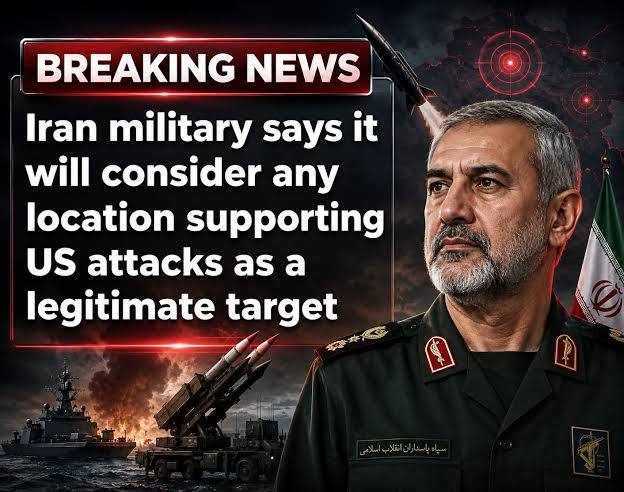
Iran’s political and military structure has entered a period of intense international scrutiny as questions grow over the expanding influence of the Islamic Revolutionary Guard Corps (IRGC). Reports and intelligence assessments have focused on whether the country’s security establishment could gain even greater control over Iran’s future direction.
The phrase “IRGC absolute control” has become a major discussion point among analysts who believe Iran’s elite military organization could play a decisive role in any leadership transition or internal crisis.
While claims of a traditional military coup require careful verification, there is widespread recognition that the IRGC remains one of the most powerful institutions inside Iran, controlling major security operations, missile capabilities, and influential political networks.
The situation has raised fears across the Middle East, with concerns that internal instability could trigger a wider confrontation involving the United States, Israel, and regional allies.
What Is the IRGC and Why Does It Matter?
The Islamic Revolutionary Guard Corps was created after Iran’s 1979 revolution to protect the country’s revolutionary system. Over decades, it has expanded beyond a military force into a powerful political, economic, and security institution.
Unlike Iran’s regular military, the IRGC reports directly to the Supreme Leader and has significant influence over:
- Missile programs
- Intelligence operations
- Domestic security
- Regional military partnerships
- Strategic decision-making
The IRGC also operates the Quds Force, which has played a major role in Iran’s regional strategy through relationships with armed groups and allied movements.
Because of this broad influence, any major political crisis in Tehran immediately raises questions about whether the IRGC could become the dominant force shaping Iran’s future.
CIA Assessments and Iran’s Leadership Uncertainty
Reports based on intelligence assessments have examined possible outcomes if Iran experiences a major leadership crisis. Some assessments suggested that even if senior leadership changed, hardline security figures could remain influential or increase their authority.
The analysis reflects a long-standing challenge for foreign governments trying to understand Iran’s internal structure.
Many outside observers expected economic pressure, military strikes, or political unrest could weaken Tehran’s system. However, intelligence assessments have often warned that Iran’s security institutions remain deeply embedded and capable of maintaining control.
This has created a complicated situation:
- Pressure on Iran may weaken some institutions.
- Security organizations may become stronger.
- Political reform could become more difficult.
- Regional tensions could increase.
Is Iran Facing a Military Coup?
The term “military coup” suggests that armed forces have openly removed civilian leadership and taken direct control of government.
However, Iran’s situation is more complex.
Rather than a traditional coup, analysts have focused on the possibility of a gradual increase in IRGC influence within the existing political system.
Iran’s power structure already gives significant authority to unelected institutions, especially security organizations connected to the Supreme Leader.
A possible scenario discussed by experts is not necessarily tanks entering government buildings, but a situation where military-security leaders gain greater influence over:
- Foreign policy decisions
- National security strategy
- Economic management
- Leadership succession
Such a shift could dramatically affect Iran’s relationship with the international community.
IRGC Power Expansion Creates Global Concerns
The growing influence of the IRGC has concerned many governments because of its role in Iran’s military strategy and regional operations.
The organization has been described by international officials as a central force behind Iran’s security policies and regional projection of power.
A stronger IRGC role could mean:
1. Harder Negotiations With the West
Diplomatic efforts involving Iran could become more difficult if military hardliners gain additional influence.
2. Increased Regional Tensions
Iran’s relationships with armed groups across the region remain a major concern for Israel, Gulf countries, and Western governments.
3. Greater Military Competition
A stronger security establishment could accelerate missile development and military preparations.
Middle East Crisis and WW3 Fears
The possibility of a wider conflict has increased as tensions between Iran and Western powers continue.
Recent military confrontations involving Iran, the United States, and regional actors have intensified fears that a local crisis could expand into a larger conflict.
Experts warn that several factors could increase escalation risks:
Missile Attacks and Retaliation
Iran has developed significant missile and drone capabilities, creating concerns that any confrontation could quickly spread.
Regional Alliances
Iran’s partnerships with regional groups mean that conflicts may not remain limited to one battlefield.
Energy Security
The Middle East remains critical to global energy markets. Any disruption around major shipping routes could affect economies worldwide.
Why the IRGC Is Considered So Powerful
The IRGC’s influence comes from several factors.
Military Capability
The organization controls elite forces, missile units, and specialized operations teams.
Political Influence
Many former IRGC members have entered government positions, strengthening connections between military and political leadership.
Economic Networks
The organization has been linked by analysts to major economic activities inside Iran, increasing its independence and influence.
Intelligence Operations
The IRGC maintains powerful domestic security structures capable of monitoring and suppressing opposition.
US Response: Why Washington Is Watching Iran Closely
The United States has closely monitored Iran’s internal power structure for decades. Washington’s primary concerns involve Iran’s nuclear ambitions, missile capabilities, regional alliances, and the influence of the IRGC.
Any major shift that increases the power of Iran’s military-security establishment could create new challenges for US policymakers.
American officials have historically focused on three major questions:
- Who controls Iran’s military decisions?
- How stable is Iran’s leadership structure?
- Could internal instability trigger regional conflict?
A stronger IRGC role could make diplomacy more complicated because security leaders may prioritize military strength and strategic influence over negotiations.
Israel and Regional Allies Fear a More Powerful IRGC
Israel has repeatedly identified Iran’s military capabilities as a major security concern. A stronger IRGC could influence Tehran’s approach toward Israel and other regional rivals.
Countries across the Middle East are also watching developments carefully because Iran’s military strategy affects:
- Gulf security
- Oil markets
- Maritime routes
- Regional alliances
If Iran’s internal balance shifts toward military control, neighboring countries may increase their own defense preparations.
Iran’s Internal Challenges: Economy, Protests and Political Pressure
Iran’s leadership faces multiple domestic challenges beyond military issues.
Economic difficulties have created public frustration, including concerns about:
- Inflation
- Currency weakness
- Employment opportunities
- International sanctions
Political disagreements have also increased pressure on the government.
In such an environment, security organizations often become more influential because governments rely on them to maintain stability.
Analysts argue that prolonged crises can strengthen military institutions, especially when civilian political systems struggle to respond.
Could the IRGC Take Complete Control of Iran?
A complete military takeover remains a subject of speculation rather than a confirmed event.
Iran’s political system is different from many countries where military coups have occurred. The IRGC already operates within the country’s existing power structure rather than outside it.
Possible future scenarios include:
Scenario 1: Continued IRGC Influence
The most likely possibility discussed by many analysts is the continuation of the current system, where the IRGC remains a powerful force behind national security decisions.
Scenario 2: Greater Military Role
During a leadership crisis, security institutions could gain additional authority over political decisions.
Scenario 3: Internal Power Struggle
Different factions within Iran’s political and security establishment could compete for influence.
Scenario 4: Political Reform Movement
Public pressure could eventually push for changes in Iran’s governing system, although the path remains uncertain.
WW3 Concerns: How Iran Tensions Could Escalate
The phrase “World War 3” has frequently appeared in discussions about Iran because of the possibility of a wider conflict.
However, experts generally note that major global wars require multiple factors and are not inevitable.
Still, several risks could increase international tensions.
1. Direct US-Iran Military Conflict
A direct confrontation between Washington and Tehran would represent a major escalation.
2. Regional Expansion
Iran-related conflicts could spread through allied groups and neighboring countries.
3. Nuclear Concerns
Iran’s nuclear program remains one of the most sensitive international issues.
4. Miscalculations
Military misunderstandings or accidental attacks could quickly increase tensions.
Global Markets Watch Iran Crisis
Political instability in Iran does not only affect governments. It can influence global markets.
Potential impacts include:
Oil Prices
The Middle East is a key energy-producing region. Any major disruption could affect fuel prices worldwide.
Shipping Routes
Security concerns around important maritime routes could impact international trade.
Investor Confidence
Uncertainty often creates volatility in financial markets.
Businesses and governments closely monitor developments because instability in major energy regions can have global economic consequences.
Intelligence Agencies Face Difficult Questions
The CIA and other intelligence organizations attempt to analyze possible political developments before they happen.
However, predicting leadership changes inside closed political systems is extremely difficult.
Iran’s government has survived decades of pressure, including:
- International sanctions
- Political opposition
- Military threats
- Economic challenges
Intelligence assessments often focus on possible outcomes rather than guaranteed predictions.
Therefore, claims about an upcoming coup should be evaluated carefully and separated from confirmed events.
What Happens Next for Iran?
The future of Iran depends on several factors:
Leadership Decisions
Changes among Iran’s senior leadership could reshape the country’s direction.
IRGC Strategy
The organization’s future role will remain a major factor in domestic and foreign policy.
Public Pressure
Economic and social concerns could influence political developments.
International Relations
Relations with the US, Israel, and regional countries will affect Iran’s security environment.
Frequently Asked Questions (FAQs)
1. What is the IRGC in Iran?
The Islamic Revolutionary Guard Corps (IRGC) is Iran’s elite military and security organization created after the 1979 revolution. It has major influence over Iran’s defense strategy, intelligence operations, and regional activities.
2. Did the CIA confirm an Iranian military coup?
There have been intelligence assessments about possible power shifts and the role of Iran’s security institutions, but a confirmed military coup announcement requires official verification.
3. Why is the IRGC so powerful?
The IRGC controls important military capabilities, including missile forces, intelligence networks, and elite units. It also has significant political influence inside Iran.
4. Could the IRGC take full control of Iran?
Analysts have discussed scenarios where the IRGC could gain more influence, especially during a leadership crisis. However, a complete takeover is not confirmed.
5. How could Iran instability affect the world?
Iran instability could affect global security, energy markets, diplomacy, and regional conflicts.
6. Is a WW3 conflict likely because of Iran?
A global war is not inevitable. However, tensions involving Iran, the US, Israel, and regional actors create risks that require careful diplomacy.
7. What role does the US play in Iran tensions?
The US monitors Iran’s military activities, maintains sanctions, and works with regional partners to address security concerns.
8. Why does the world focus on IRGC decisions?
Because the IRGC plays a major role in Iran’s military strategy and foreign policy, its actions can influence regional stability.
Conclusion: Iran’s Power Struggle Remains a Global Concern
The debate over “IRGC absolute control” highlights one of the most important questions surrounding Iran’s future: how much influence will military-security institutions have over national decisions?
While reports and intelligence discussions have raised concerns about possible power shifts, the situation remains complex. Iran’s political system combines religious leadership, elected institutions, and powerful security organizations.
The coming months and years could reveal whether the IRGC expands its influence further or whether other political forces shape Iran’s direction.
For the international community, the biggest challenge remains preventing escalation while closely monitoring developments that could affect global security.
How useful was this post?
Click on a star to rate it!
Average rating 0 / 5. Vote count: 0
No votes so far! Be the first to rate this post.
About the Author

usa5911.com
Administrator
Hi, I’m Gurdeep Singh, a professional content writer from India with over 3 years of experience in the field. I specialize in covering U.S. politics, delivering timely and engaging content tailored specifically for an American audience. Along with my dedicated team, we track and report on all the latest political trends, news, and in-depth analysis shaping the United States today. Our goal is to provide clear, factual, and compelling content that keeps readers informed and engaged with the ever-changing political landscape.