Global Terror Threat:State Dept Warns Americans,Chaos,Fury
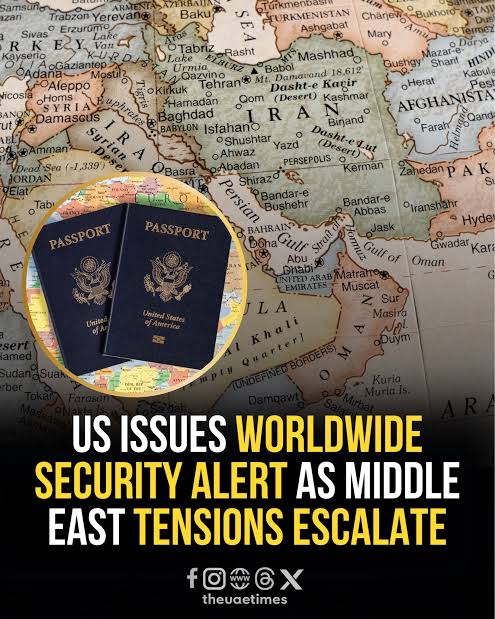
The world is facing a period of increased security uncertainty as governments monitor growing terrorism risks, regional conflicts, and threats targeting civilians and international interests. The United States Department of State has urged Americans worldwide to remain cautious, stay informed, and follow official security guidance while traveling abroad.
The warning has triggered concern among travelers, businesses, and diplomatic communities as fears grow that instability in conflict zones could create wider security challenges. Officials emphasize that terrorist organizations and individuals inspired by extremist movements may attempt attacks with little or no warning.
The latest global terror threat concerns come at a time when multiple regions are experiencing political tensions, armed conflicts, and diplomatic disputes. Security agencies worldwide are increasing monitoring efforts to prevent possible attacks and protect citizens.
Why the Global Terror Threat Warning Matters
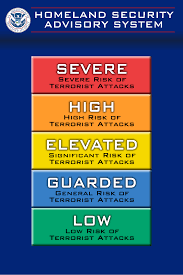
A global terror threat warning is not necessarily a prediction of an immediate attack. Instead, it is a security alert designed to encourage citizens to remain alert and take preventive measures.
The State Department regularly issues security updates when international conditions create potential risks for American citizens abroad. These warnings help travelers understand possible dangers, including terrorism, civil unrest, kidnapping risks, and conflict-related disruptions.
Security experts say modern terrorism has become more unpredictable because threats can emerge from organized groups, lone actors, or online radicalization networks.
Rising Global Security Concerns
Several factors have contributed to increased global security concerns:
- Ongoing wars and regional conflicts
- Political instability
- Increased extremist propaganda online
- Attacks on diplomatic facilities
- Rising tensions between international powers
- Threats against foreign citizens abroad
Officials are particularly concerned about locations associated with foreign governments, military interests, and large public gatherings.
According to the State Department, terrorist groups and their supporters may target U.S. citizens and American interests overseas. Travelers are advised to review destination-specific warnings and maintain awareness of their surroundings.
State Department Advice for Americans Abroad
The U.S. government has recommended several safety steps for citizens traveling internationally.
Key recommendations include:
Stay Updated With Official Alerts
Travelers should regularly check government security announcements and embassy updates before and during international trips.
Avoid High-Risk Areas
Americans are encouraged to reconsider travel to locations experiencing conflict, terrorism threats, or severe political instability.
Register Travel Information
Programs such as the Smart Traveler Enrollment Program (STEP) allow citizens to receive security notifications from U.S. embassies and consulates.
Remain Alert in Public Spaces
Officials advise avoiding unnecessary risks in crowded locations, demonstrations, and areas where security concerns have been reported.
Terrorism Risks Can Change Quickly
One of the biggest challenges in combating terrorism is unpredictability. Security agencies often cannot determine exactly when or where an attack may happen.
Modern terrorist threats can involve:
- Explosive attacks
- Armed assaults
- Vehicle attacks
- Cyber-related disruption attempts
- Attacks inspired through online propaganda
Because threats can evolve rapidly, governments emphasize preparation and awareness rather than panic.
Experts say public cooperation plays an important role in preventing attacks. Reporting suspicious activity and following emergency instructions can help authorities respond faster.
Middle East Tensions Increase Security Pressure
International attention has focused heavily on the Middle East, where conflicts and political tensions have created additional security challenges.
The region remains a major concern for governments because instability can affect travel, energy markets, diplomatic relations, and international security.
Recent travel advisories have highlighted concerns including terrorism, armed conflict, and limited access to emergency assistance in certain areas.
The State Department has maintained higher-level warnings for several destinations where terrorism and conflict risks remain significant.
Impact on International Travel
The global terror threat warning has affected how travelers plan international journeys.
Airlines, tourism companies, and governments often respond to increased security concerns by:
- Increasing airport screening
- Updating travel policies
- Monitoring intelligence reports
- Advising passengers about regional risks
Travel experts recommend that people research destinations carefully before booking trips.
However, officials also caution against unnecessary fear because millions of people travel safely every year with proper preparation.
Businesses Face New Security Challenges
Companies operating internationally are also monitoring the situation closely.
Businesses with employees traveling overseas often review:
- Employee safety plans
- Emergency communication systems
- Insurance coverage
- Evacuation procedures
Multinational companies frequently work with security specialists to evaluate risks in unstable regions.
Global Response to Rising Terrorism Concerns
The growing focus on global terror threats has pushed governments around the world to strengthen cooperation between intelligence agencies, law enforcement organizations, and international partners.
Counterterrorism efforts often depend on information sharing. Countries exchange intelligence about suspected extremist networks, travel patterns, online activities, and potential threats.
International organizations also play an important role in coordinating responses to terrorism. Security agencies continue monitoring developments in regions where conflicts, political instability, or extremist activities create higher risks.
Experts say terrorism remains a complex challenge because threats can emerge from different sources. Some attacks are planned by organized groups, while others may involve individuals acting independently after exposure to extremist messaging.
How Governments Are Fighting Terror Threats
Governments use multiple strategies to reduce terrorism risks and protect civilians.
Intelligence Monitoring
Security agencies track potential threats through intelligence gathering, cooperation with international partners, and analysis of extremist networks.
Early detection can help authorities prevent attacks before they happen.
Border and Travel Security
Countries have increased security measures at airports, borders, and transportation hubs.
These measures may include:
- Passenger screening
- Identity verification
- Enhanced security checks
- Monitoring suspicious travel patterns
Online Counterterrorism Efforts
The internet has become a major area of concern for security agencies.
Authorities monitor extremist propaganda, recruitment attempts, and online threats while working with technology companies to reduce harmful activities.
Community Awareness
Officials emphasize that communities can help identify warning signs by reporting suspicious behavior and cooperating with law enforcement.
Fear, Panic, and Public Reaction
Warnings about terrorism often create anxiety among citizens and travelers. Headlines about security threats can quickly spread across social media, sometimes causing confusion or misinformation.
Security experts encourage people to rely on official government sources rather than rumors or unverified online claims.
A warning does not mean an attack is guaranteed. Instead, it indicates that authorities want people to remain careful and prepared.
Maintaining awareness without unnecessary panic is considered one of the most effective responses to security alerts.
Economic Impact of Global Security Concerns
Terrorism fears can affect global economies in several ways.
Tourism Industry
Countries experiencing security concerns may see changes in tourism patterns. Travelers often reconsider destinations when warnings increase.
Tourism businesses, including hotels, airlines, and local companies, may experience temporary challenges.
Financial Markets
Geopolitical instability can influence investor confidence. Markets may react to concerns about conflicts, supply disruptions, and international uncertainty.
Business Operations
Companies operating internationally may increase spending on security, employee protection, and risk management.
However, governments and businesses often adapt quickly by implementing safety strategies.
What Americans Should Know Before International Travel
Travelers can reduce risks by preparing before leaving their home country.
Important steps include:
Research Your Destination
Understand local laws, security conditions, emergency contacts, and possible risks.
Keep Important Documents Safe
Travelers should maintain copies of passports, identification documents, and emergency information.
Have Emergency Plans
Knowing where to seek help during an emergency can save valuable time.
Follow Local Instructions
During security incidents, travelers should follow guidance from local authorities and official government sources.
The Role of Embassies During Security Emergencies
U.S. embassies and consulates provide support to American citizens abroad.
Their responsibilities may include:
- Providing emergency information
- Assisting citizens during crises
- Helping with lost documents
- Coordinating communication during major incidents
However, embassies cannot guarantee protection from every danger. Travelers remain responsible for making informed decisions about their safety.
Future of Global Terrorism Threats
Security analysts believe terrorism will continue evolving as geopolitical conditions change.
Future challenges may include:
- Digital radicalization
- Cybersecurity threats
- Regional conflicts spreading instability
- Independent extremist actors
- Attacks using new technologies
Governments are investing in advanced security systems, intelligence capabilities, and international cooperation to address these challenges.
The nature of terrorism has changed over decades, but prevention remains focused on intelligence, preparation, and cooperation.
Staying Safe Without Creating Fear
Security warnings are designed to protect people, not create unnecessary alarm.
Experts recommend a balanced approach:
- Stay informed
- Follow official advice
- Avoid risky situations
- Maintain emergency awareness
- Do not spread unverified information
Preparedness can help individuals respond effectively during unexpected situations.
Conclusion: Global Terror Threat Warning Highlights Need for Awareness
The State Department’s global terror threat warning reflects continuing concerns about international security challenges. With conflicts, political tensions, and extremist threats affecting different regions, governments are urging citizens to remain cautious and informed.
For Americans traveling abroad, preparation and awareness remain essential. Understanding risks, monitoring official updates, and following safety recommendations can help reduce potential dangers.
While global terrorism remains a serious security challenge, international cooperation, intelligence sharing, and public awareness continue to play key roles in protecting communities worldwide.
The message from security officials is clear: stay alert, stay informed, and make responsible decisions when traveling in an unpredictable world.
Frequently Asked Questions (FAQs)
1. What is the global terror threat warning?
A global terror threat warning is a security alert issued by authorities advising citizens about possible terrorism risks and encouraging increased awareness.
2. Did the State Department warn Americans about terrorism?
The U.S. State Department regularly issues travel advisories and security alerts when international conditions create potential risks for American citizens.
3. Does a terror warning mean an attack is coming?
No. A warning does not confirm that an attack will occur. It encourages people to remain cautious and prepared.
4. How can Americans stay safe while traveling abroad?
Americans can improve safety by checking travel advisories, avoiding high-risk areas, staying aware of surroundings, and following local security instructions.
5. Why are global terrorism concerns increasing?
Concerns can rise because of conflicts, political instability, extremist activity, and international tensions.
6. Should people cancel all international travel because of terror warnings?
Not necessarily. Travelers should evaluate specific destinations and follow official guidance before making decisions.
7. How do governments prevent terrorist attacks?
Governments use intelligence operations, law enforcement actions, border security, and international cooperation to reduce threats.
8. What should someone do during a security emergency abroad?
People should follow instructions from local authorities, contact their embassy if needed, and avoid dangerous areas.
How useful was this post?
Click on a star to rate it!
Average rating 0 / 5. Vote count: 0
No votes so far! Be the first to rate this post.
About the Author

usa5911.com
Administrator
Hi, I’m Gurdeep Singh, a professional content writer from India with over 3 years of experience in the field. I specialize in covering U.S. politics, delivering timely and engaging content tailored specifically for an American audience. Along with my dedicated team, we track and report on all the latest political trends, news, and in-depth analysis shaping the United States today. Our goal is to provide clear, factual, and compelling content that keeps readers informed and engaged with the ever-changing political landscape.