Trump seizes Maduro: Dems fume, GOP praises bold move
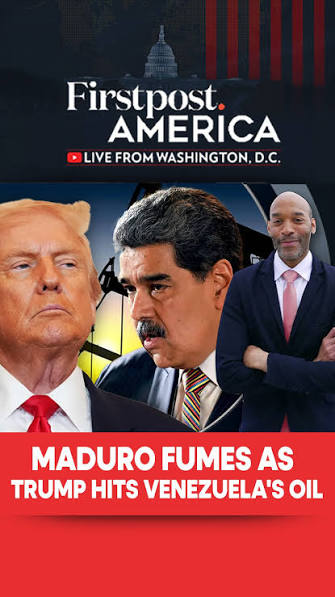
In one of the most dramatic geopolitical events of 2026, U.S. President Donald Trump ordered a military operation that resulted in the capture of Venezuelan leader Nicolás Maduro. The unprecedented move stunned world leaders, rattled financial markets, and ignited fierce political debate across Washington.
While Republican lawmakers hailed the operation as a bold display of American strength, Democrats reacted sharply, warning of dangerous precedent and possible violations of international law. The operation, which took place in the early hours of January 3, 2026, marked a turning point not only in U.S.–Venezuela relations but also in the broader global balance of power.
This article explores the political fallout, military strategy, global reaction, and long-term consequences of the Trump-Maduro standoff.
The Operation That Shocked the World
The U.S. military raid on Venezuela’s capital, Caracas, unfolded quickly and decisively. According to official briefings, American special forces entered the city before dawn and extracted Maduro and his wife during a coordinated strike.
Reports indicate the operation was part of a broader campaign targeting Venezuelan infrastructure and leadership. Maduro was then flown out of Venezuela and transferred to U.S. custody, where he faced federal criminal charges.
Officials stated that the charges included narcotics trafficking conspiracy and weapons-related offenses, which had been under investigation for years.
The operation was the culmination of months of escalating tension between Washington and Caracas, including naval deployments, tanker seizures, and intelligence tracking of Maduro’s movements.
Why Trump Targeted Maduro
The Trump administration argued that the capture of Maduro was necessary to combat international crime and restore democracy in Venezuela.
For years, Maduro had been accused by U.S. officials of overseeing drug trafficking networks tied to criminal organizations. The U.S. had previously offered financial rewards for information leading to his arrest.
The administration also claimed that Venezuela’s political system had been compromised after disputed elections in 2024. International observers described the election results as questionable, adding fuel to Washington’s push for regime change.
Trump framed the operation as a mission to stabilize Venezuela and protect American interests in the region.
Democrats React: Fury and Legal Warnings
Democratic leaders quickly condemned the operation, describing it as reckless and potentially illegal under international law.
Critics warned that capturing a sitting foreign leader without international approval could set a dangerous precedent for future conflicts. Legal scholars and policymakers raised concerns about whether the operation violated global treaties governing sovereignty and military intervention.
Several Democratic lawmakers also expressed fears that the move could escalate tensions with nations that supported Maduro, including countries with strong economic ties to Venezuela.
Opposition leaders emphasized the need for congressional oversight, arguing that such major military actions should not be taken without legislative approval.
GOP Reaction: Praise for Strength and Leadership
Republican leaders largely praised Trump’s decision, framing it as a decisive action against corruption and criminal activity.
Supporters argued that Maduro represented a threat to regional stability and American security. By removing him from power, they said, the U.S. had taken a bold step toward dismantling drug networks and restoring democratic order.
Many GOP figures compared the operation to past U.S. interventions aimed at removing hostile regimes, calling it a necessary move in an increasingly dangerous world.
Republican lawmakers also highlighted the absence of U.S. casualties as evidence of careful planning and effective execution.
Global Reaction: Allies Divided, Rivals Alarmed
The international response to Maduro’s capture was sharply divided.
Some Western allies expressed cautious support, acknowledging long-standing concerns about Venezuela’s political system. However, others raised alarm over the legality of the operation.
Several global powers criticized the action, warning that it could destabilize the region and increase tensions worldwide.
China, which maintained close ties with Venezuela, reportedly grew concerned about the security of its investments and influence in the region.
Meanwhile, political developments inside Venezuela remained volatile, with opposition figures attempting to rally support abroad after the capture.
The Strategic Stakes: Oil, Power, and Influence
Venezuela holds some of the world’s largest oil reserves, making the country a key player in global energy markets.
Experts believe control over Venezuela’s energy sector played a significant role in shaping U.S. strategy.
Following Maduro’s capture, discussions began about opening Venezuela’s resources to foreign investment and stabilizing its economy. Economic reforms were expected to reshape trade patterns and influence global oil prices.
Additionally, the U.S. increased pressure on Venezuelan shipping operations, seizing tankers linked to the country’s oil industry as part of a broader blockade strategy.
Legal Questions and International Law Debate
One of the most controversial aspects of the operation is its legal status.
International law generally restricts military actions within sovereign nations unless authorized by global institutions or justified by self-defense.
Legal experts debated whether the U.S. had the authority to conduct such an operation. Some argued that the charges against Maduro justified the action, while others insisted that diplomatic solutions should have been pursued instead.
The debate intensified after analysts questioned whether the operation complied with international legal frameworks governing military conduct.
Economic Ripple Effects
The capture of Maduro triggered immediate reactions across global markets.
Oil prices fluctuated amid uncertainty about Venezuela’s production capacity and political stability. Shipping disruptions and sanctions contributed to supply chain challenges.
In addition, new economic measures were introduced to stabilize Venezuela’s financial sector, including easing certain sanctions on Venezuelan banks to encourage trade.
Financial analysts warned that prolonged instability could have long-term consequences for global energy security.
Military Strategy Behind the Operation
The operation showcased the United States’ ability to execute high-precision military missions across international borders.
Defense experts noted the use of intelligence networks, surveillance technology, and special forces coordination as key elements in the operation’s success.
Prior to the capture, the U.S. conducted multiple naval deployments and targeted operations against suspected trafficking vessels linked to Venezuelan networks.
These actions demonstrated a broader strategic campaign aimed at weakening Maduro’s power base before launching the final extraction mission.
Political Fallout in Washington
The capture of Maduro has become a defining issue in American politics.
Democrats framed the operation as an example of executive overreach, while Republicans used it to promote a strong national security narrative.
Political analysts predict that the event will remain central to election debates, congressional hearings, and foreign policy discussions for years to come.
The controversy also raised broader questions about presidential authority and the limits of military power.
Venezuela’s Uncertain Future
Following Maduro’s capture, Venezuela entered a period of intense political uncertainty.
Various factions competed for control, while international leaders debated how to support a peaceful transition of power.
Opposition groups sought to organize elections, while government loyalists resisted foreign influence.
The future of Venezuela depends heavily on international cooperation and domestic political reconciliation.
The Broader Geopolitical Impact
Beyond Venezuela, the operation reshaped global strategic calculations.
Nations worldwide reassessed their security policies, recognizing the potential for rapid military action in modern conflicts.
The incident also sparked renewed debate about the role of superpowers in managing regional crises.
Analysts believe the long-term impact could redefine international norms governing military intervention.
Media and Public Reaction
Public reaction to the operation has been deeply divided.
Supporters viewed the mission as a bold stand against corruption, while critics described it as an unnecessary escalation.
Social media platforms amplified both praise and criticism, reflecting widespread public interest in the unfolding events.
The intense media coverage ensured that the Trump-Maduro saga remained a dominant topic in global news cycles.
Long-Term Implications for U.S. Foreign Policy
The capture of Maduro may signal a shift toward more assertive foreign policy strategies.
Future administrations could face pressure to adopt similar tactics when confronting hostile regimes.
At the same time, policymakers must balance national security goals with international cooperation and diplomatic engagement.
The decisions made in the aftermath of this operation will shape the direction of U.S. foreign policy for decades.
Conclusion: A Moment That Will Define an Era
The capture of Nicolás Maduro by U.S. forces under Donald Trump represents one of the most dramatic geopolitical moments of the decade.
With Democrats condemning the move and Republicans praising it, the political divide remains sharp.
Beyond Washington, the world continues to watch closely as Venezuela navigates an uncertain future.
Whether viewed as bold leadership or risky escalation, the Trump-Maduro episode will likely be studied as a defining moment in modern global politics.
FAQs
1. Why did Trump seize Maduro?
Trump ordered the operation to arrest Maduro on drug-related and terrorism charges and to address concerns about Venezuela’s political stability.
2. When was Nicolás Maduro captured?
Maduro was captured on January 3, 2026, during a U.S. military raid in Caracas.
3. Why are Democrats angry about the move?
Many Democrats argue the operation may violate international law and set a dangerous precedent for future conflicts.
4. Why are Republicans praising the operation?
Republicans generally support the action as a decisive strike against corruption and criminal activity.
5. What charges does Maduro face?
He faces charges including narcotics trafficking conspiracy and related offenses in U.S. federal court.
6. How did other countries react?
Some allies expressed cautious support, while rivals criticized the move as destabilizing.
7. What happens to Venezuela now?
The country faces political uncertainty, with multiple factions competing for power and international mediation efforts ongoing.
I
How useful was this post?
Click on a star to rate it!
Average rating 0 / 5. Vote count: 0
No votes so far! Be the first to rate this post.
About the Author

usa5911.com
Administrator
Hi, I’m Gurdeep Singh, a professional content writer from India with over 3 years of experience in the field. I specialize in covering U.S. politics, delivering timely and engaging content tailored specifically for an American audience. Along with my dedicated team, we track and report on all the latest political trends, news, and in-depth analysis shaping the United States today. Our goal is to provide clear, factual, and compelling content that keeps readers informed and engaged with the ever-changing political landscape.