NATO Intercept: Russian Jets Over Baltic, Air Tension, Europe Alert
Tensions across Europe surged after the North Atlantic Treaty Organization (NATO) intercepted multiple Russian military aircraft flying near its eastern borders over the Baltic Sea. The incident, involving strategic bombers and fighter jets, has raised fresh concerns about security risks, military readiness, and the potential for miscalculation between major global powers.
The Baltic region has long been a focal point for military vigilance due to its proximity to Russia and NATO member states such as Lithuania, Latvia, and Estonia. Recent interceptions highlight the continued importance of NATO’s air defense strategy and the evolving nature of geopolitical tensions in Europe.
This article explores the full background of the NATO interception, the aircraft involved, why the Baltic region matters, how Europe is responding, and what this means for global security.
The Latest NATO Intercept Over the Baltic Sea
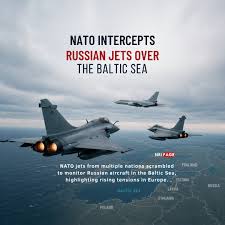
In April 2026, NATO fighter jets scrambled to intercept a formation of Russian aircraft flying over the Baltic Sea. The operation demonstrated NATO’s readiness to respond to aerial movements near its airspace.
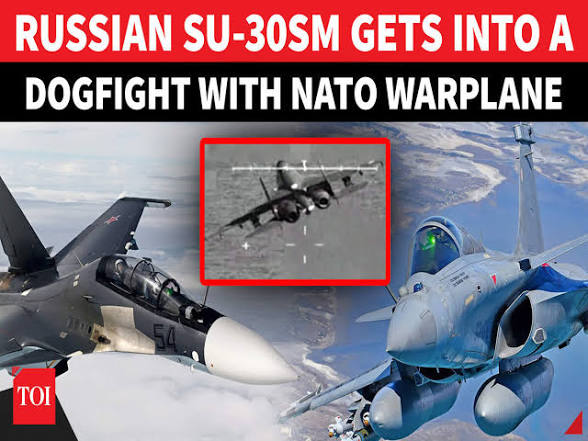
According to reports, the Russian formation included two Tu-22M3 strategic bombers escorted by around 10 fighter jets, including Su-30 and Su-35 aircraft.
The intercept involved multiple NATO-aligned aircraft from nations such as France, Sweden, Finland, Poland, Denmark, and Romania. The jets were deployed from Šiauliai Air Base in Lithuania, a key location for NATO’s Baltic air policing operations.
Russian officials stated that the flight was pre-planned and conducted over neutral waters, while NATO maintained that such missions often involve aircraft flying without proper communication signals or flight plans.
Why NATO Intercepts Russian Aircraft
NATO interceptions are not unusual, but they serve critical strategic purposes.
Airspace Protection
NATO fighter jets are scrambled to ensure that unidentified aircraft approaching NATO airspace are tracked and identified. This prevents accidental airspace violations and maintains national security.
Russian aircraft often operate near NATO borders without activating transponders or communicating with civilian air traffic control. Such actions raise concerns and trigger defensive responses.
Demonstrating Military Readiness
Intercept missions signal strength and readiness. By responding quickly, NATO reassures member states that their airspace remains secure.
The Baltic Region: A Strategic Flashpoint
The Baltic Sea region is among the most sensitive geopolitical zones in Europe.
NATO’s Baltic Air Policing Mission
Since 2004, NATO has conducted continuous air policing missions over the Baltic states. These missions involve rotating fighter squadrons stationed at strategic bases to maintain 24/7 air surveillance.
The Baltic nations—Lithuania, Latvia, and Estonia—lack large independent air defense systems, making NATO’s presence essential.
Russia’s Strategic Interests
Russia maintains military assets in the Kaliningrad exclave, located between Poland and Lithuania. Flights between mainland Russia and Kaliningrad frequently pass near NATO territory, increasing the likelihood of intercepts.
Aircraft Involved in the Interception
Understanding the aircraft used provides insight into the seriousness of the situation.
Russian Aircraft
- Tu-22M3 Strategic Bombers
These long-range aircraft are capable of carrying heavy payloads and are often used for strategic missions. - Su-30 Fighter Jets
Multi-role fighters capable of air superiority and strike missions. - Su-35 Fighter Jets
Advanced fighter aircraft with enhanced maneuverability and targeting capabilities.
These aircraft formations are typically used for long-range training missions or military demonstrations.
NATO Aircraft
NATO deployed several types of aircraft during the interception, including French Rafale fighter jets.
These jets are equipped with air-to-air missiles and advanced targeting systems, allowing them to identify threats quickly and safely.
France currently leads the NATO Baltic air policing mission from Lithuania, making its role central in these operations.
Rising Air Tensions Across Europe
Recent events suggest a pattern of increased aerial activity in the region.
Reports indicate that NATO jets were scrambled multiple times within a single week to intercept Russian aircraft near Baltic airspace.
Such frequent intercepts increase the risk of:
- Miscalculation
- Accidental escalation
- Communication breakdowns
Military analysts warn that even routine interceptions carry risks when tensions remain high.
NATO’s Military Readiness Strategy
NATO has strengthened its defensive posture across Eastern Europe.
Quick Reaction Alert (QRA)
QRA forces maintain aircraft on standby, allowing fighter jets to take off within minutes of detecting unidentified aircraft.
This system enables NATO to respond rapidly to unexpected aerial activity.
Enhanced Eastern Defenses
Countries along NATO’s eastern flank have increased:
- Air patrols
- Radar surveillance
- Military coordination
Some nations have also invested in defensive infrastructure to counter potential threats.
Russia’s Perspective on Baltic Flights
Russia maintains that its military flights follow international law.
Officials stated that the aircraft operated in neutral airspace and complied with aviation regulations.
Russia conducts regular long-range aviation missions across multiple regions, including:
- Arctic
- North Atlantic
- Pacific Ocean
- Baltic Sea
These flights are presented as routine exercises designed to maintain readiness.
Europe’s Growing Security Concerns
European governments are paying close attention to developments in the Baltic region.
Increased Defense Spending
Many NATO countries have expanded military budgets to strengthen their defensive capabilities.
This includes investments in:
- Air defense systems
- Military infrastructure
- Border protection
Cooperation Among Allies
The latest interception involved multiple allied nations, demonstrating collective defense in action.
Such cooperation reinforces NATO’s core principle: an attack on one member is considered an attack on all.
The Risk of Military Escalation
While interceptions are routine, they still carry potential dangers.
Close Encounters
Military aircraft operating in close proximity increase the likelihood of:
- Collisions
- Radar misunderstandings
- Tactical misjudgments
Political Implications
Military incidents can escalate diplomatic tensions, especially during ongoing conflicts such as the Russia-Ukraine war.
Analysts warn that repeated encounters increase the risk of unintended confrontation.
Historical Context of NATO–Russia Air Incidents
Air intercepts between NATO and Russian forces have occurred for decades.
Before the Ukraine war, NATO aircraft intercepted Russian planes hundreds of times each year, particularly over northern Europe.
This historical pattern highlights the long-standing nature of airspace tensions in the region.
The Role of Technology in Air Intercepts
Modern military technology plays a crucial role in interception missions.
Radar Systems
Advanced radar networks track aircraft movements across large distances.
These systems allow NATO to detect potential threats early.
Identification Technology
Aircraft use advanced sensors and targeting pods to identify aircraft safely from long distances.
This reduces the risk of misidentification.
NATO’s Eastern Flank: Strengthening Defenses
NATO continues expanding its eastern defenses in response to perceived threats.
This includes:
- Increased troop deployments
- Enhanced air surveillance
- Strategic exercises
These measures aim to deter aggression and maintain regional stability.
Global Impact of Baltic Air Tensions
The Baltic interception has implications beyond Europe.
Effects on Global Security
Major powers closely monitor NATO-Russia interactions.
Any escalation could influence:
- Military alliances
- Strategic planning
- International diplomacy
Economic Concerns
Heightened tensions can affect:
- Trade routes
- Energy markets
- Investor confidence
Security instability often translates into economic uncertainty.
The Role of Neutral Airspace
Neutral airspace plays a central role in these incidents.
Russian officials emphasize that flights remain within international legal limits.
However, NATO’s proximity-based response ensures that potential threats are monitored even outside direct airspace boundaries.
Public and Political Reactions
European citizens and policymakers have expressed concern about the rising frequency of interceptions.
Some leaders advocate stronger defense measures, while others call for diplomatic engagement to reduce risks.
Public awareness has increased as footage of intercept missions circulates widely.
Future Outlook: What Happens Next?
Military analysts expect continued aerial activity in the Baltic region.
Possible Developments
- Increased NATO patrol frequency
- More joint military exercises
- Enhanced surveillance technology
- Continued Russian long-range flights
These developments indicate sustained strategic competition.
NATO Intercept and the Ukraine War Connection
Although the Baltic incident did not involve direct combat, it reflects broader tensions related to the ongoing war in Ukraine.
European nations remain vigilant due to fears of potential regional spillover.
Security experts warn that indirect conflicts often expand through increased military signaling.
How NATO Avoids Escalation
Despite tensions, strict protocols exist to prevent conflict.
Communication Procedures
Pilots follow established rules during intercepts, including:
- Maintaining safe distances
- Avoiding aggressive maneuvers
- Reporting activities immediately
These protocols help prevent misunderstandings.
The Importance of Baltic Stability
The Baltic region remains critical to European defense.
Maintaining stability requires:
- Military readiness
- Diplomatic communication
- International cooperation
Failure in any of these areas could increase regional risks.
Frequently Asked Questions (FAQs)
1. What happened during the NATO intercept over the Baltic Sea?
NATO fighter jets intercepted Russian strategic bombers and fighter aircraft flying over the Baltic Sea near NATO airspace. The Russian formation included Tu-22M3 bombers and multiple fighter jets.
2. Why does NATO intercept Russian aircraft?
NATO intercepts aircraft to identify unknown flights, ensure airspace safety, and prevent potential security threats.
3. Did Russia violate NATO airspace?
Russia stated that the aircraft flew in neutral airspace and complied with international aviation rules.
4. How often do NATO intercepts happen?
Intercepts occur regularly, sometimes hundreds of times per year, especially near the Baltic region.
5. Which countries participated in the interception?
Aircraft from France, Sweden, Finland, Poland, Denmark, and Romania took part in the operation.
6. What is NATO Baltic Air Policing?
It is a continuous NATO mission launched in 2004 to protect the airspace of Baltic countries.
7. Is Europe at risk of war?
While tensions exist, most intercepts are defensive and designed to prevent conflict rather than escalate it.
8. What aircraft were used in the interception?
Russian Tu-22M3 bombers and Su-30/Su-35 fighter jets were escorted by NATO aircraft, including French Rafale jets.
9. Why is the Baltic region so important?
Its proximity to Russia and NATO member states makes it strategically vital for European defense.
10. Could these incidents escalate into conflict?
While unlikely in the short term, repeated encounters increase the risk of accidental escalation.
Conclusion
The recent NATO interception of Russian jets over the Baltic Sea underscores the fragile balance of power in Europe. While such operations are routine, the growing frequency of encounters highlights rising geopolitical tensions.
As NATO strengthens its defenses and Russia continues long-range flights, the Baltic region remains a critical security zone. The future will depend on military discipline, diplomatic communication, and international cooperation to prevent escalation and maintain stability.
How useful was this post?
Click on a star to rate it!
Average rating 0 / 5. Vote count: 0
No votes so far! Be the first to rate this post.
About the Author

usa5911.com
Administrator
Hi, I’m Gurdeep Singh, a professional content writer from India with over 3 years of experience in the field. I specialize in covering U.S. politics, delivering timely and engaging content tailored specifically for an American audience. Along with my dedicated team, we track and report on all the latest political trends, news, and in-depth analysis shaping the United States today. Our goal is to provide clear, factual, and compelling content that keeps readers informed and engaged with the ever-changing political landscape.