Trump Orders Strikes:Iranian Missile Bases Obliterated,War,Chaos
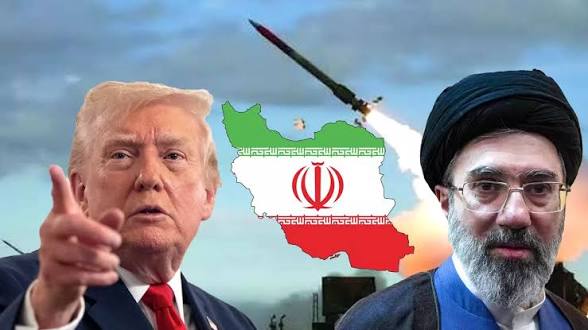
Trump Orders Strikes as Middle East Crisis Deepens
The Middle East entered another dangerous phase after U.S. President Donald Trump authorized a fresh wave of military strikes against Iranian missile infrastructure. According to U.S. military officials, the operation targeted missile launch sites and coastal defense systems that Washington says posed a direct threat to American forces and international shipping in the Strait of Hormuz.
The latest operation comes after several days of escalating military exchanges between the United States and Iran. Both countries have traded accusations over attacks on military installations, commercial vessels, and strategic infrastructure, raising fears that the conflict could expand beyond the Persian Gulf.
While U.S. officials described the strikes as a defensive measure, Iranian authorities condemned the attacks as a violation of international law and vowed a strong response.
Why Trump Ordered the Strikes
According to U.S. Central Command, the primary objective was to weaken Iran’s ability to launch missile attacks against American personnel, allied forces, and commercial shipping operating near the Strait of Hormuz.
Officials said the targets included:
- Missile launch facilities
- Coastal defense systems
- Military command infrastructure
- Radar installations linked to missile operations
Military planners argued that these facilities had been used to threaten regional security and international maritime traffic.
The strikes reportedly focused on strategic Iranian positions located near islands that overlook one of the world’s busiest shipping lanes.
Strategic Importance of the Targeted Areas
Defense analysts believe the selected targets were chosen because they overlook critical maritime routes through which nearly one-fifth of the world’s oil shipments normally pass.
The Strait of Hormuz remains one of the most strategically important waterways on Earth. Any disruption can immediately affect:
- Global oil prices
- Natural gas exports
- International shipping
- Supply chains worldwide
For months, tensions around this narrow waterway have steadily increased, making military confrontation increasingly likely.
Precision Airstrikes Target Missile Infrastructure
According to U.S. military statements, American aircraft used precision-guided munitions designed to destroy military assets while limiting collateral damage.
Officials indicated that the strikes concentrated on:
Missile Storage Sites
Facilities believed to store ballistic and cruise missiles were among the highest-priority targets.
Launch Platforms
Launch positions capable of firing anti-ship missiles toward vessels transiting the Strait of Hormuz were reportedly attacked.
Coastal Defense Batteries
These defensive systems were considered a major threat to commercial shipping and naval operations.
Military Communications
Command-and-control centers responsible for coordinating missile deployments were also included in the operation.
Pentagon Says Mission Was Carefully Planned
Senior defense officials stated that the operation had been prepared over several days following intelligence assessments.
Military planners reportedly evaluated:
- Satellite imagery
- Intelligence reports
- Drone surveillance
- Naval monitoring data
Officials emphasized that the operation focused exclusively on military objectives rather than civilian infrastructure.
Iran Condemns the Attacks
Iranian officials quickly denounced the strikes, accusing Washington of escalating the regional conflict.
Government representatives stated that the attacks violated Iranian sovereignty and promised that the country’s armed forces would continue defending national interests.
Iran also reiterated previous warnings that any further U.S. military action could trigger additional retaliation throughout the region.
Regional Security Concerns Intensify
Security experts warn that every new exchange increases the possibility of a broader regional conflict involving multiple countries.
Several neighboring nations have already strengthened military readiness as concerns grow over:
- Missile attacks
- Drone strikes
- Maritime security
- Energy infrastructure protection
International observers fear that even limited military actions could unintentionally spark a much wider confrontation.
Impact on Global Energy Markets
Financial markets reacted immediately to reports of the latest strikes.
Energy analysts noted growing concerns over:
- Possible shipping disruptions
- Rising insurance costs
- Oil supply uncertainty
- Increased transportation expenses
Because the Strait of Hormuz handles a significant share of global crude oil exports, investors continue monitoring every military development closely.
International Leaders Call for Restraint
The latest U.S. strikes have prompted reactions from governments around the world. Several allies expressed concern over the rapid escalation and urged both Washington and Tehran to avoid further military action that could trigger a broader regional conflict. International organizations also renewed calls for diplomacy to prevent additional civilian suffering and disruption to global trade.
Many governments are closely monitoring developments because instability in the Persian Gulf has direct implications for global energy markets and international security.
Iran Promises a Response
Iranian officials condemned the U.S. operation and stated that the country reserves the right to respond. State media reported that military leaders are evaluating options while continuing to strengthen air defenses and regional military readiness. Tehran has repeatedly argued that it will defend its territory and strategic interests against further attacks.
Military analysts warn that additional retaliation could target U.S. military installations or shipping routes, increasing the risk of further escalation.
Strait of Hormuz Remains a Global Flashpoint
One of the biggest concerns following the strikes is the security of the Strait of Hormuz. This narrow waterway is among the world’s most important maritime trade routes, carrying a significant share of global oil exports.
Any disruption in the area could lead to:
- Higher crude oil prices
- Increased fuel costs worldwide
- Delays in commercial shipping
- Supply chain disruptions
- Greater uncertainty in financial markets
Energy traders continue to monitor military developments closely as shipping companies assess the security situation.
Military Experts Assess the Situation
Defense analysts say the reported U.S. strikes were designed to reduce Iran’s ability to launch missile attacks against military and maritime targets. However, they also caution that even successful operations may not eliminate Iran’s broader missile capabilities.
Experts believe future developments will depend on several factors, including:
- Whether Iran launches further retaliation.
- Whether diplomatic talks resume.
- The security of regional shipping lanes.
- The involvement of other regional actors.
The coming days are expected to be critical in determining whether tensions escalate further or shift back toward negotiations.
Impact on Global Markets
Financial markets reacted quickly to reports of the latest military action. Oil prices experienced volatility as investors weighed the possibility of prolonged disruption in the Persian Gulf. Airlines, shipping firms, and insurance companies are also monitoring the situation because extended instability could increase operating costs.
Economists note that prolonged conflict in the region could have ripple effects on inflation and global economic growth.
Diplomatic Efforts Continue
Despite the military confrontation, several governments continue urging renewed diplomatic engagement. International observers say dialogue remains the most effective path to reducing tensions and avoiding a wider conflict.
Officials from multiple countries have emphasized the importance of protecting civilian lives, maintaining freedom of navigation, and preventing additional attacks that could destabilize the region.
Conclusion
President Trump’s order for strikes against Iranian missile-related military targets marks another significant escalation in the ongoing confrontation between the United States and Iran. According to U.S. officials, the operation was intended to reduce threats against American forces and international shipping, while Iranian leaders have condemned the attacks and pledged a response.
As military activity continues and diplomatic efforts face new challenges, the international community remains focused on preventing a broader regional war. Developments over the coming days are expected to shape both Middle East security and the global economy.
Frequently Asked Questions (FAQs)
1. Why did Trump order strikes on Iran?
U.S. officials said the strikes targeted missile-related military infrastructure believed to threaten American forces and commercial shipping in the Strait of Hormuz.
2. What locations were reportedly targeted?
According to U.S. statements, the operation targeted missile sites and coastal defense systems on strategically important Iranian islands in the Persian Gulf.
3. How has Iran responded?
Iran condemned the strikes, called them a violation of its sovereignty, and stated it would respond while continuing to defend its interests.
4. Why is the Strait of Hormuz important?
The Strait of Hormuz is one of the world’s most important energy transit routes, carrying a large share of global oil exports. Any disruption can affect fuel prices and international trade.
5. Could the conflict expand?
Security analysts warn that further retaliation or military action by either side could increase the risk of a broader regional conflict, although diplomatic efforts are continuing.
How useful was this post?
Click on a star to rate it!
Average rating 0 / 5. Vote count: 0
No votes so far! Be the first to rate this post.
About the Author

usa5911.com
Administrator
Hi, I’m Gurdeep Singh, a professional content writer from India with over 3 years of experience in the field. I specialize in covering U.S. politics, delivering timely and engaging content tailored specifically for an American audience. Along with my dedicated team, we track and report on all the latest political trends, news, and in-depth analysis shaping the United States today. Our goal is to provide clear, factual, and compelling content that keeps readers informed and engaged with the ever-changing political landscape.