Lindsey Graham:Russia Sanctions Bill Moving,Trump Approves,Senate Votes
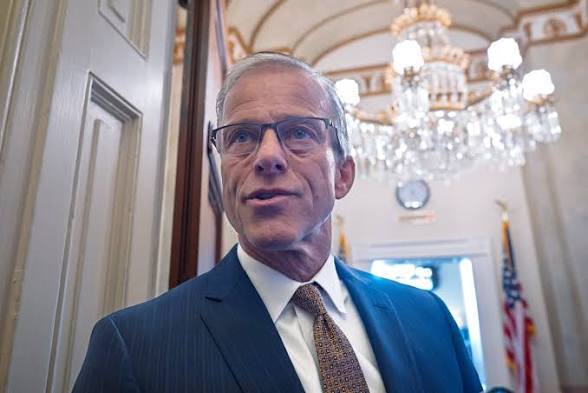
The bipartisan Russia sanctions bill championed by Senator Lindsey Graham has regained momentum after receiving support from the Trump administration, setting the stage for a significant vote in the U.S. Senate. The legislation seeks to increase economic pressure on Russia by targeting its energy revenues while also creating new tools that could affect countries continuing to purchase large amounts of Russian oil and natural gas.
The proposal has become one of the most closely watched foreign policy measures in Congress. Supporters argue that stronger sanctions are necessary to weaken Russia’s ability to finance its military operations in Ukraine, while critics continue to debate the broader economic and diplomatic consequences.
With bipartisan backing and White House support, lawmakers believe the bill has a realistic chance of advancing through the Senate.
Why the Russia Sanctions Bill Is Moving Forward
Momentum increased after senators announced they had reached an agreement with the Trump administration on an updated version of the legislation. The revised proposal reflects months of negotiations intended to balance tougher economic penalties with enough flexibility for the executive branch to respond to changing geopolitical conditions.
According to lawmakers involved in the negotiations, the revised bill aims to:
- Increase sanctions on Russian officials and institutions.
- Target Russia’s energy exports.
- Restrict companies helping Russia evade existing sanctions.
- Expand penalties against Russia’s so-called shadow tanker fleet.
- Give the U.S. president authority to waive certain sanctions when considered necessary for national security.
These changes were introduced after earlier versions of the legislation raised concerns among some lawmakers and international partners.
Trump Administration Approval
One of the biggest developments surrounding the bill was confirmation that the Trump administration agreed to move the updated legislation forward.
Senator Lindsey Graham previously stated that President Donald Trump had approved the bipartisan proposal after discussions with congressional leaders. That endorsement significantly improved the bill’s chances of receiving Senate consideration.
Supporters believe presidential backing demonstrates a coordinated effort between Congress and the White House to increase pressure on Moscow while preserving presidential flexibility during future diplomatic negotiations.
Key Provisions of the Updated Bill
Although the legislation continues to evolve, several major provisions have attracted international attention.
1. Sanctions on Russian Officials
The proposal would expand sanctions targeting senior Russian government officials, financial institutions, and organizations connected to the Kremlin.
Supporters argue these measures would make it harder for Russia to access international financial systems.
2. Energy Sector Restrictions
Russia continues to earn substantial revenue from oil and natural gas exports.
The bill seeks to reduce those revenues by targeting energy-related transactions and projects that provide financial support to the Russian government.
3. Tariffs on Major Buyers
One of the most debated elements involves tariffs aimed at countries purchasing large volumes of Russian energy.
Earlier drafts proposed tariffs as high as 500%, but the revised version lowers the maximum to 100% while narrowing the scope to the largest purchasers and allowing exemptions in specific cases.
4. Shadow Fleet Measures
Lawmakers also want to crack down on Russia’s “shadow fleet”—ships allegedly used to transport oil while avoiding existing sanctions.
The proposal includes additional enforcement mechanisms targeting these shipping operations.
Why the Senate Vote Matters
The Senate vote represents more than another sanctions package.
Many lawmakers see it as an opportunity to demonstrate bipartisan support for Ukraine while increasing pressure on Russia’s economy.
Senate leaders have indicated that there is broad support for moving the legislation, with dozens of senators backing the updated proposal.
If approved by the Senate, the bill would still need to complete the remaining legislative process before becoming law.
Impact on Global Energy Markets
The legislation has implications far beyond Washington.
Countries that continue purchasing Russian oil and natural gas have been closely monitoring the proposal because new tariffs or sanctions could alter global trade flows.
Energy analysts note that any restrictions affecting Russian exports may influence:
- Global oil prices
- Natural gas markets
- Shipping routes
- International energy investments
- Inflation in importing nations
Because Russia remains one of the world’s largest energy exporters, policy changes from the United States often receive significant international attention.
China and India in Focus
Much of the discussion surrounding the bill has centered on China and India, two of the largest buyers of Russian crude oil.
The revised proposal narrows the tariff provisions to focus on the biggest purchasers rather than applying broad penalties across multiple countries.
Supporters argue that reducing purchases of Russian energy could weaken Moscow’s financial resources, while critics warn such measures could complicate international trade relationships.
Economic Impact of the Russia Sanctions Bill
If enacted, the Lindsey Graham Russia sanctions bill could have significant economic consequences both inside and outside the United States. Supporters argue that increasing financial pressure on Moscow would reduce the revenue Russia uses to fund its military operations. However, economists note that broad sanctions can also affect global supply chains, commodity markets, and inflation.
Russia remains one of the world’s leading exporters of crude oil, refined petroleum products, natural gas, metals, and fertilizers. Any disruption to these exports may influence international prices. Although many Western nations have reduced their dependence on Russian energy since 2022, several countries continue to purchase Russian oil because of competitive pricing.
Financial analysts believe the updated bill attempts to balance stronger economic pressure with enough flexibility to avoid unnecessary disruption to global markets. By allowing presidential waivers in certain circumstances, lawmakers hope to minimize unintended consequences while maintaining leverage over Russia.
Political Reactions in Washington
The proposed legislation has received bipartisan attention in Congress. Many Republican and Democratic senators agree that additional measures should be considered if Russia continues military operations in Ukraine.
Senator Lindsey Graham has argued that stronger sanctions would increase pressure on the Kremlin while demonstrating continued U.S. support for Ukraine. Other lawmakers have emphasized that Congress should provide the executive branch with effective tools to respond to changing geopolitical conditions.
Some members of Congress, however, have raised questions about implementation, enforcement, and the possible impact on U.S. trading partners. They argue that sanctions should remain targeted and carefully coordinated with allies to maximize effectiveness.
Despite differing views on specific provisions, there appears to be broad interest in advancing the legislation for Senate consideration.
International Response
Governments around the world are closely watching developments in Washington.
European allies generally support efforts to maintain pressure on Russia but continue coordinating sanctions through multinational frameworks. Several European countries have already implemented restrictions on Russian financial institutions, energy exports, and technology transfers.
Countries that maintain commercial relationships with Russia are evaluating how any new U.S. sanctions or tariff provisions could affect trade. Businesses involved in shipping, insurance, banking, and energy markets are also monitoring the legislation because compliance requirements could become more complex if the bill becomes law.
International observers note that sanctions often work most effectively when implemented alongside partners, making coordination between the United States and its allies an important factor.
What Happens Next?
The Senate is expected to debate the updated Russia sanctions bill in the coming days. During debate, senators may introduce amendments, clarify provisions, or negotiate additional changes before a final vote.
If the Senate approves the legislation, it must complete the remaining legislative process before reaching the president for final action. Implementation would then depend on the specific language included in the final version of the bill and any guidance issued by the executive branch.
Businesses, investors, and foreign governments are likely to continue following the legislation closely as it progresses through Congress.
Why This Bill Matters
The Lindsey Graham Russia sanctions bill represents one of the most significant congressional efforts this year to increase economic pressure on Russia.
Its importance extends beyond sanctions alone because it reflects broader U.S. policy discussions regarding national security, international alliances, energy markets, and economic diplomacy. The legislation also demonstrates continued congressional engagement on issues related to the war in Ukraine.
Whether or not every provision remains unchanged during the legislative process, the debate itself highlights the strategic role sanctions continue to play in U.S. foreign policy.
Possible Effects on Global Markets
Should the legislation become law, experts suggest several sectors could experience increased market attention:
- International oil and gas markets
- Shipping and maritime insurance
- Global banking and finance
- Commodity trading
- Energy infrastructure investment
- Supply chain logistics
Financial markets often react to major geopolitical developments, making congressional action on sanctions an important event for investors worldwide.
Outlook for the Senate Vote
Current indications suggest that the bill has meaningful bipartisan support, though the exact timing and outcome of a Senate vote remain uncertain. Lawmakers are expected to continue negotiations as debate proceeds.
Supporters believe the legislation sends a strong message regarding continued U.S. opposition to Russia’s actions. Critics emphasize the importance of ensuring that any sanctions remain effective, enforceable, and coordinated with international partners.
Regardless of the final vote, the legislation has already become one of the most closely watched foreign policy initiatives before Congress.
Conclusion
The Lindsey Graham Russia sanctions bill has emerged as a major focus in Washington after receiving support from the Trump administration and advancing toward a Senate vote. The proposal seeks to strengthen economic pressure on Russia through expanded sanctions, additional enforcement measures, and updated provisions targeting energy revenues and sanctions evasion.
While supporters view the legislation as an important tool for increasing pressure on Moscow, lawmakers continue debating its potential economic and diplomatic effects. As the Senate prepares for further consideration, governments, businesses, and financial markets around the world will be watching closely.
The outcome of the legislative process could influence U.S. foreign policy, international trade, energy markets, and future sanctions strategy. Whatever the final result, the debate underscores the continuing importance of economic measures in addressing global security challenges.
Frequently Asked Questions (FAQs)
1. What is the Lindsey Graham Russia sanctions bill?
It is a bipartisan Senate proposal that would expand U.S. sanctions on Russia, particularly targeting its energy sector, financial institutions, and entities that help evade existing sanctions.
2. Has President Trump supported the bill?
According to statements from lawmakers, the Trump administration has expressed support for an updated version of the legislation while seeking flexibility in its implementation.
3. What does the bill aim to achieve?
The bill aims to increase economic pressure on Russia by limiting revenue from energy exports, strengthening enforcement, and discouraging sanctions evasion.
4. Could the bill affect other countries?
Yes. Certain provisions could affect major purchasers of Russian energy through additional tariffs or sanctions, depending on the final legislative language.
5. When will the Senate vote?
The exact timing depends on the Senate schedule and ongoing negotiations. Lawmakers are expected to continue debate before any final vote.
6. Will the bill become law immediately after the Senate vote?
No. If approved by the Senate, it must complete the remaining legislative process before it can be signed into law.
7. Why is the legislation important?
The proposal represents a significant congressional effort to shape U.S. policy toward Russia and could influence global energy markets, international trade, and future sanctions enforcement.
8. How could global markets react?
Investors will likely monitor developments closely, as expanded sanctions could affect oil prices, shipping, banking, and international trade depending on the final scope of the legislation.
How useful was this post?
Click on a star to rate it!
Average rating 0 / 5. Vote count: 0
No votes so far! Be the first to rate this post.
About the Author

usa5911.com
Administrator
Hi, I’m Gurdeep Singh, a professional content writer from India with over 3 years of experience in the field. I specialize in covering U.S. politics, delivering timely and engaging content tailored specifically for an American audience. Along with my dedicated team, we track and report on all the latest political trends, news, and in-depth analysis shaping the United States today. Our goal is to provide clear, factual, and compelling content that keeps readers informed and engaged with the ever-changing political landscape.