Mamdani NYC:Inside Homeless Encampments,Outrage,DHS Grilled
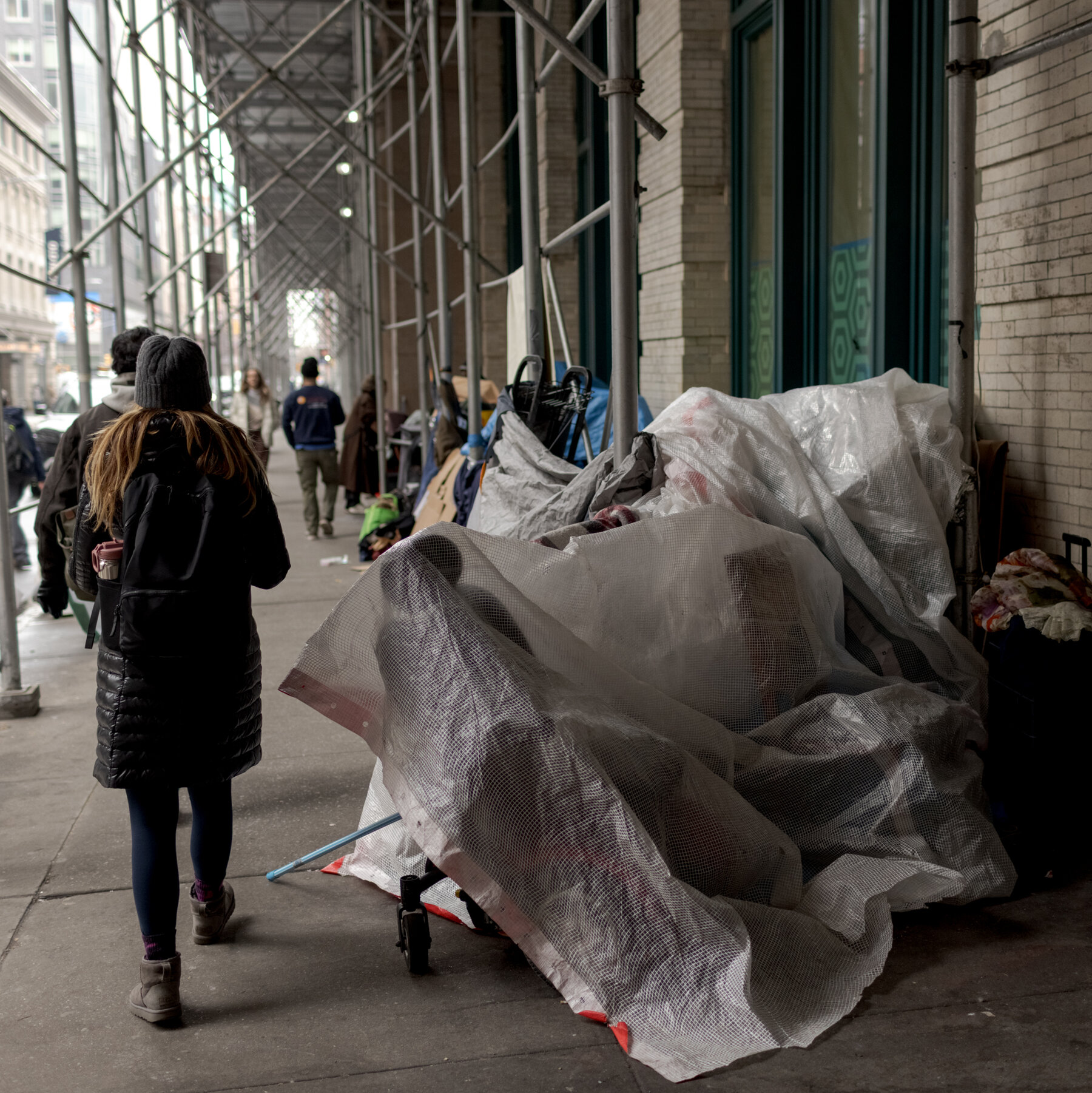
New York City’s homelessness debate has intensified as Mayor Zohran Mamdani’s administration faces increasing scrutiny over the handling of street encampments, public safety concerns, and the role of the Department of Homeless Services (DHS).
Across the city, residents, business owners, and community leaders are demanding answers about growing homeless encampments and questioning whether current policies are effectively balancing compassion, safety, and neighborhood concerns.
The controversy has placed Mamdani NYC homeless encampments policies at the center of a major political debate. Critics argue that visible street homelessness is creating public disorder, while supporters say the city needs a more humane approach focused on housing, outreach, and long-term solutions.
Recent reports have highlighted concerns around encampments, including complaints about sanitation, public spaces, and delays in enforcement actions. At the same time, city officials maintain that outreach programs and shelter options remain the priority.
NYC Homeless Encampments Become Major Political Flashpoint

Homeless encampments have long been one of New York City’s most challenging issues. The city has struggled with balancing the rights and needs of unhoused residents with concerns from people who live and work nearby.
Under Mayor Mamdani’s administration, the approach toward encampments has become a major point of disagreement.
Critics claim the city has been too slow to remove unsafe encampments, arguing that residents and businesses are being forced to deal with conditions involving trash, blocked sidewalks, and public disruption.
Supporters of the administration argue that simply removing camps does not solve homelessness. They say people need access to shelter, healthcare, mental health support, and permanent housing opportunities.
The disagreement reflects a broader national debate:
- Should cities prioritize immediate removal of encampments?
- Should officials focus on outreach before enforcement?
- How can governments protect public spaces while respecting vulnerable populations?
These questions have placed DHS and city leadership under intense pressure.
DHS Faces Questions Over Homeless Response Strategy
The Department of Homeless Services has become a central agency in the debate surrounding Mamdani NYC homeless encampments.
Officials have defended outreach-based strategies, saying that many people living on the streets need personalized assistance rather than immediate displacement.
The administration has highlighted efforts involving:
- Street outreach teams
- Shelter expansion
- Healthcare connections
- Support services
- Safe housing programs
City officials have previously announced expanded shelter and outreach efforts during extreme weather conditions, emphasizing that connecting people with safe indoor spaces remains a priority.
However, critics argue that outreach alone is not enough.
They say taxpayers expect visible improvements in neighborhoods and want stronger enforcement when encampments create health or safety concerns.
Residents Express Growing Frustration
For many New Yorkers, the issue is not only political — it is personal.
Residents living near encampments have raised concerns about:
- Cleanliness
- Public safety
- Access to sidewalks
- Impact on local businesses
- Quality of life
Some community members argue that compassion must include protecting neighborhoods and ensuring public spaces remain accessible.
Business owners have also expressed frustration, saying customers may avoid areas where large encampments appear.
Critics of the administration argue that city leadership must respond faster when complaints increase.
According to reports, some controversial encampments have drawn attention because of their size and location, creating pressure on officials to explain their strategy.
Mamdani’s Approach: Housing First vs Enforcement Debate
At the heart of the controversy is a disagreement over how governments should address homelessness.
The housing-first approach argues that people experiencing homelessness need stable housing before they can successfully address other challenges.
Supporters say:
- Criminalizing homelessness does not end homelessness.
- Police involvement alone cannot solve housing shortages.
- Services and support create better long-term outcomes.
Critics counter that:
- Encampments can become unsafe.
- Public areas must remain accessible.
- Government action cannot rely only on voluntary cooperation.
This debate has shaped political discussions across major American cities.
New York’s situation has become a test of whether a service-focused approach can satisfy both humanitarian goals and public expectations.
The Role of Police and City Agencies
Another major issue involves the role of law enforcement.
Previous administrations often relied more heavily on police involvement during encampment removals.
Mamdani’s administration has emphasized a different model, placing greater responsibility on homeless services agencies and outreach workers.
Supporters believe this reduces conflict and creates more opportunities for people to accept help.
Opponents argue that delaying enforcement can allow problems to grow.
Reports have noted changes in how encampment removals are handled, including greater involvement from DHS rather than relying primarily on police action.
The question remains whether this approach can deliver measurable improvements while addressing public concerns.
The controversy surrounding homeless encampments has become one of the biggest challenges facing Mayor Zohran Mamdani’s administration.
Political opponents argue that city leadership must take stronger action to restore confidence among residents who feel their neighborhoods are changing for the worse.
They claim that while long-term housing solutions are important, immediate action is necessary when encampments create concerns involving sanitation, safety, or access to public spaces.
Supporters of Mamdani argue that previous approaches failed to permanently solve homelessness. They say repeated sweeps only move people from one location to another without addressing the underlying causes.
The political divide highlights a difficult reality: homelessness is both a humanitarian issue and a public policy challenge.
For city leaders, the challenge is finding a strategy that protects vulnerable residents while also responding to concerns from millions of New Yorkers.
Why Homeless Encampments Are Difficult to Solve
Homeless encampments are not a simple problem with a single solution.
Experts often point to several interconnected causes:
Housing Costs
New York City remains one of the most expensive housing markets in the United States. Rising rents and limited affordable housing availability have contributed to housing instability.
Mental Health Challenges
Some people living on the streets struggle with untreated mental health conditions that make accessing traditional shelter systems more difficult.
Substance Abuse Issues
Addiction can create additional barriers for individuals attempting to transition into stable housing.
Shelter System Challenges
Although New York operates one of the largest shelter systems in the country, critics argue that the system faces issues involving capacity, conditions, and effectiveness.
Because of these factors, city officials face pressure to create solutions that go beyond removing tents or temporary structures.
DHS Grilled Over Accountability and Results
The Department of Homeless Services has faced questions about whether current programs are producing enough results.
Critics want clearer answers on:
- How many people are successfully moved from streets into permanent housing?
- How quickly does DHS respond to neighborhood complaints?
- Are outreach programs reaching people who refuse traditional shelter?
- How are taxpayer funds being used?
City officials have defended their programs, saying homelessness requires patience and individualized solutions.
They argue that successful outreach often requires multiple interactions before someone accepts assistance.
However, critics say residents cannot wait indefinitely for improvements.
The growing frustration has increased calls for more transparency, stronger reporting, and measurable goals.
Public Safety Concerns Remain at Center of Debate
One of the biggest concerns surrounding homeless encampments is public safety.
Residents often raise questions about:
- Street conditions
- Emergency access
- Sanitation problems
- Public drug use
- Impact on families and businesses
City officials have emphasized that homelessness itself should not be treated as a crime.
However, they also acknowledge that illegal activity and unsafe conditions must be addressed.
This distinction has become a key part of the debate.
Many New Yorkers support helping people experiencing homelessness but also want clear rules for maintaining public spaces.
Business Owners Worry About Economic Impact
Local businesses near encampments have expressed concerns about customer traffic and neighborhood reputation.
Small business owners say visible homelessness can affect how people view commercial areas.
Some report that customers feel uncomfortable visiting locations where large street gatherings or encampments appear.
Business leaders argue that solving homelessness is also important for economic recovery and maintaining vibrant neighborhoods.
At the same time, homelessness advocates warn against policies that push vulnerable people away without providing real alternatives.
What Could Happen Next Under Mamdani’s Administration?
The future of Mamdani NYC homeless encampments policy will likely depend on whether the administration can show progress while maintaining its stated commitment to supportive services.
Several issues will shape the next phase:
More Housing Investment
Affordable housing development is expected to remain a major part of the conversation.
Supporters argue that increasing housing supply is the only long-term solution.
DHS Performance Reviews
Pressure may continue for DHS to provide more detailed updates about outreach success and shelter transitions.
Community Engagement
City officials may need to improve communication with neighborhoods affected by encampments.
Balancing Compassion and Enforcement
The administration faces the challenge of creating a policy that satisfies both advocates and residents demanding stronger action.
National Attention on NYC Homeless Debate
New York City’s homelessness crisis is being closely watched because other major cities face similar challenges.
From Los Angeles to San Francisco, policymakers across the country are debating how to handle encampments.
The NYC debate reflects a larger national question:
Can cities protect public spaces while also providing meaningful support to people experiencing homelessness?
The answer will likely influence future urban policy discussions across America.
Conclusion: Mamdani NYC Homeless Encampments Debate Continues
The controversy surrounding Mamdani NYC homeless encampments represents a major test for the city’s leadership.
The administration faces competing demands from residents seeking safer neighborhoods, advocates calling for compassionate solutions, and officials responsible for managing one of the nation’s largest homelessness systems.
While supporters believe a housing-focused approach can create lasting change, critics argue that immediate action is needed to address visible encampments and community concerns.
The coming months will reveal whether Mamdani’s strategy can balance humanitarian goals with public expectations.
For now, DHS remains under pressure, residents continue demanding answers, and homelessness remains one of New York City’s most difficult challenges.
Frequently Asked Questions (FAQs)
1. What is the controversy surrounding Mamdani NYC homeless encampments?
The controversy involves disagreements over how Mayor Zohran Mamdani’s administration is handling homeless encampments, including concerns about public spaces, safety, and the effectiveness of city services.
2. What role does DHS play in NYC homelessness?
The Department of Homeless Services manages shelter programs, outreach efforts, and services designed to help people experiencing homelessness find temporary and permanent housing.
3. Why are homeless encampments difficult for cities to address?
Encampments are challenging because homelessness is connected to housing costs, mental health issues, addiction, economic hardship, and limited affordable housing.
4. Does removing encampments solve homelessness?
Removing encampments may address immediate public space concerns, but experts argue that long-term solutions require housing, services, and support programs.
5. What is Mamdani’s approach to homelessness?
Mamdani’s approach emphasizes supportive services, outreach, and housing-focused solutions rather than relying only on enforcement.
6. Why are residents criticizing NYC homeless policies?
Some residents believe current policies are not addressing neighborhood concerns quickly enough, especially regarding sanitation, safety, and public spaces.
7. How does DHS respond to homeless encampment concerns?
DHS generally focuses on outreach, shelter access, and connecting individuals with available services.
8. Are homeless encampments a problem only in New York City?
No. Many major U.S. cities face similar challenges involving homelessness, housing shortages, and public space management.
9. What is the long-term solution to homelessness?
Many experts believe long-term solutions require affordable housing, mental health services, employment support, and effective outreach programs.
10. Why is the Mamdani NYC homeless debate receiving national attention?
New York City is one of America’s largest cities, and its homelessness policies often influence debates about urban challenges nationwide.
How useful was this post?
Click on a star to rate it!
Average rating 0 / 5. Vote count: 0
No votes so far! Be the first to rate this post.
About the Author

usa5911.com
Administrator
Hi, I’m Gurdeep Singh, a professional content writer from India with over 3 years of experience in the field. I specialize in covering U.S. politics, delivering timely and engaging content tailored specifically for an American audience. Along with my dedicated team, we track and report on all the latest political trends, news, and in-depth analysis shaping the United States today. Our goal is to provide clear, factual, and compelling content that keeps readers informed and engaged with the ever-changing political landscape.