Trump-Netanyahu Clash: Explosive Call Over Lebanon Strikes, Ceasefire Talks At Risk
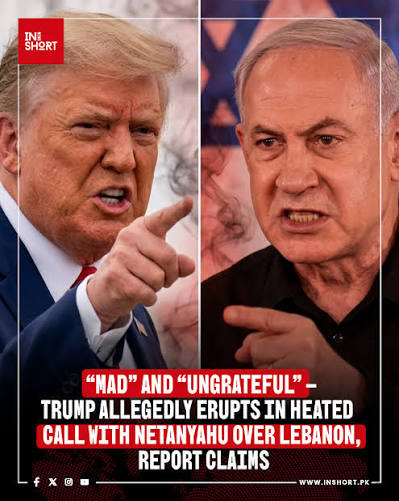
The relationship between Donald Trump and Benjamin Netanyahu has long been viewed as one of the strongest political alliances in modern international politics. However, recent reports suggest that the partnership is facing one of its most serious tests yet.
A dramatic and reportedly heated phone call between Trump and Netanyahu over Israel’s military actions in Lebanon has triggered intense debate across diplomatic circles. The confrontation comes at a crucial moment when ceasefire negotiations involving Israel, Lebanon, Hezbollah, and regional stakeholders are hanging in the balance.
According to multiple reports, Trump expressed strong frustration with Netanyahu’s approach to military operations in Lebanon, particularly proposed strikes targeting Beirut. The disagreement has raised concerns about the future of ceasefire efforts and broader Middle East stability.
Why The Trump-Netanyahu Clash Matters
The significance of this disagreement extends far beyond a personal dispute between two political leaders.
The United States remains Israel’s most important ally, while Washington is simultaneously attempting to prevent a wider regional conflict. Any public disagreement between Trump and Netanyahu could influence:
- Ceasefire negotiations
- U.S.-Israel relations
- Lebanon’s security situation
- Regional diplomacy involving Iran
- International perceptions of the conflict
Recent events have demonstrated how fragile the current situation remains. Israeli military operations in Lebanon have continued despite diplomatic efforts aimed at reducing tensions.
Reports Of A Heated Phone Call
Media reports indicate that Trump became increasingly frustrated with Israel’s plans to expand military operations in Lebanon, particularly discussions surrounding strikes near Beirut.
Sources cited by several outlets claim Trump warned Netanyahu that additional escalation could undermine diplomatic progress and create new obstacles for ongoing negotiations. The reported exchange has been described as one of the most tense conversations between the two leaders in recent years.
The reported disagreement centered on several key issues:
1. Risk Of Escalation
Trump reportedly worried that broader strikes could trigger a larger regional conflict involving multiple actors.
2. Impact On Diplomacy
The White House has been attempting to preserve communication channels with regional powers while encouraging ceasefire efforts. Expanded military operations could jeopardize those initiatives.
3. International Pressure
Growing international scrutiny of the conflict has increased pressure on all parties to pursue diplomatic solutions rather than military escalation.
Lebanon Conflict Continues To Intensify
The current crisis stems from months of escalating violence between Israel and Hezbollah.
Cross-border attacks, drone strikes, artillery exchanges, and air operations have significantly increased tensions along the Israel-Lebanon border. Thousands of civilians have been displaced, while both sides continue to accuse each other of violating ceasefire arrangements.
Military activity has expanded beyond border regions, raising fears that major urban centers could become targets.
Reports suggest that planned Israeli strikes against locations in Beirut became a major flashpoint in discussions between Trump and Netanyahu.
Ceasefire Talks Face New Uncertainty
The timing of the dispute is particularly important because ceasefire negotiations remain active.
Recent diplomatic efforts have attempted to secure temporary agreements designed to reduce hostilities and create conditions for longer-term peace discussions. While some progress has been reported, violations and renewed attacks continue to threaten these initiatives.
Trump has publicly claimed that understandings were reached to reduce violence between Israel and Hezbollah. However, conflicting statements from Israeli officials have created uncertainty regarding the actual status of those arrangements.
This mixed messaging has complicated efforts to reassure international observers that meaningful de-escalation is occurring.
Netanyahu’s Security Calculations
From Israel’s perspective, military leaders argue that Hezbollah continues to pose a significant security threat.
Israeli officials maintain that military action is necessary to prevent future attacks and protect communities in northern Israel. Netanyahu has repeatedly emphasized Israel’s right to self-defense and indicated that operations may continue if threats persist.
Supporters of Netanyahu argue that:
- Hezbollah remains heavily armed.
- Cross-border attacks continue.
- Israeli citizens require protection.
- Military pressure strengthens negotiating leverage.
Critics, however, warn that expanded operations risk prolonging instability and increasing civilian suffering.
Trump’s Diplomatic Strategy
Trump’s approach appears focused on preventing broader regional escalation while preserving U.S. diplomatic influence.
Reports indicate that the administration believes continued military escalation could undermine wider strategic objectives, including ongoing diplomatic engagement involving Iran and regional security discussions.
Several analysts suggest Trump’s intervention reflects concern that unchecked escalation could:
- Derail ceasefire negotiations.
- Increase regional instability.
- Trigger additional military confrontations.
- Complicate international diplomacy.
The reported phone call therefore represents more than a disagreement about military tactics—it reflects competing visions for managing the crisis.
The Iran Factor
Any discussion of Lebanon’s security situation inevitably involves Iran.
Hezbollah maintains close ties with Tehran, making the Lebanon conflict deeply connected to broader regional dynamics. Reports indicate that developments in Lebanon have already influenced diplomatic interactions involving Iran and the United States.
Some reports suggest that Iran has linked future diplomatic engagement to developments on the Lebanese front, increasing the stakes surrounding ceasefire negotiations.
This means decisions made in Lebanon could have consequences extending far beyond the immediate conflict zone.
International Reactions
Governments and international organizations have closely monitored the dispute.
Many foreign leaders continue urging restraint and emphasizing the importance of diplomacy. Concerns focus on preventing civilian casualties, maintaining regional stability, and preserving opportunities for negotiated solutions.
Several international actors have stressed:
- Protection of civilians.
- Respect for ceasefire agreements.
- Continued diplomatic engagement.
- Avoidance of broader conflict.
The international response highlights how developments in Lebanon have become a global concern rather than a purely regional issue.
What Happens Next?
The future trajectory of the crisis remains uncertain.
Several possible scenarios could emerge:
Scenario 1: Ceasefire Strengthens
Diplomatic pressure succeeds, reducing violence and creating momentum for broader negotiations.
Scenario 2: Limited Military Operations Continue
Both sides maintain military activities while avoiding major escalation.
Scenario 3: Wider Escalation
Additional strikes trigger larger confrontations involving regional actors.
Scenario 4: Renewed Negotiations
Political leaders use the current crisis as motivation to pursue more comprehensive agreements.
At present, the situation appears highly fluid, with developments changing rapidly.
Political Implications For Trump And Netanyahu
The dispute carries political implications for both leaders.
For Trump, the crisis represents a test of diplomatic leadership and his ability to influence regional events.
For Netanyahu, balancing military objectives with international relationships remains a critical challenge.
Any prolonged disagreement could affect:
- U.S.-Israel coordination.
- Regional diplomatic initiatives.
- Domestic political narratives.
- Future security planning.
Observers will closely watch whether the two leaders can resolve their differences and present a united front moving forward.
Conclusion
The reported Trump-Netanyahu clash over Lebanon strikes marks a significant moment in an already volatile regional crisis. While both leaders continue to share many strategic interests, their apparent disagreement over military escalation highlights the difficult choices facing policymakers.
With ceasefire talks hanging in the balance and regional tensions remaining high, the coming days could prove critical for the future of diplomacy in the Middle East. Whether the dispute leads to renewed negotiations or further confrontation remains uncertain, but its impact is already being felt across the region.
As events continue to unfold, global attention will remain fixed on Washington, Jerusalem, and Beirut, where decisions made today could shape the future of regional security for months to come.
Frequently Asked Questions (FAQs)
What caused the Trump-Netanyahu clash?
Reports indicate that the disagreement centered on Israel’s planned military operations in Lebanon, particularly potential strikes involving Beirut and concerns about their impact on ceasefire efforts.
Did Trump and Netanyahu have a heated phone call?
Multiple media reports describe a tense conversation in which Trump expressed strong frustration regarding Israel’s military actions in Lebanon.
Why are Lebanon ceasefire talks important?
Ceasefire talks aim to reduce violence, prevent civilian casualties, and create conditions for broader diplomatic negotiations.
What role does Hezbollah play in the conflict?
Hezbollah is a major armed group in Lebanon involved in ongoing hostilities with Israel. The group’s actions remain central to ceasefire discussions and security concerns.
Could the dispute affect U.S.-Israel relations?
While the United States and Israel remain close allies, disagreements over military strategy and diplomacy could influence future coordination and policy discussions.
Is a ceasefire currently in place?
Various ceasefire arrangements and de-escalation efforts have been discussed, but reports indicate continued tensions and disputes regarding implementation.
How useful was this post?
Click on a star to rate it!
Average rating 0 / 5. Vote count: 0
No votes so far! Be the first to rate this post.
About the Author

usa5911.com
Administrator
Hi, I’m Gurdeep Singh, a professional content writer from India with over 3 years of experience in the field. I specialize in covering U.S. politics, delivering timely and engaging content tailored specifically for an American audience. Along with my dedicated team, we track and report on all the latest political trends, news, and in-depth analysis shaping the United States today. Our goal is to provide clear, factual, and compelling content that keeps readers informed and engaged with the ever-changing political landscape.