Pence Backs Iran Strikes: Says More Military Action May Be Necessary, Conflict Debate Intensifies
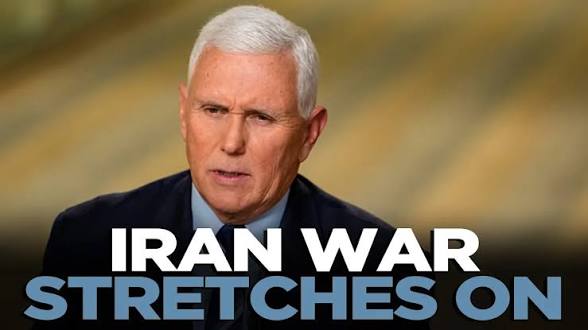
Former Vice President Mike Pence has once again emerged as a prominent voice in America’s foreign policy debate, backing recent military strikes against Iran and arguing that additional action may be necessary if Tehran continues to threaten U.S. interests and allies. His remarks have fueled an already heated discussion in Washington about military intervention, national security, and the future direction of American foreign policy.
As tensions surrounding Iran remain a major international concern, Pence’s comments have drawn praise from national security hawks while prompting criticism from lawmakers and analysts who fear deeper U.S. involvement in another prolonged Middle East conflict. The discussion comes amid ongoing uncertainty about diplomatic negotiations, military readiness, and the broader strategic objectives of the United States.
Pence Strongly Supports Recent Iran Strikes
Pence has consistently advocated a tough approach toward Iran. In recent interviews and public appearances, he defended military operations targeting Iranian capabilities, arguing that decisive action is essential to deter aggression and protect American interests. According to Pence, strong military deterrence remains one of the most effective ways to prevent future attacks and maintain stability in the region.
The former vice president praised President Donald Trump’s decisions regarding military action and argued that American leadership requires a willingness to act when national security is threatened. He suggested that failure to respond forcefully could embolden adversaries and create greater risks in the future.
Supporters of Pence’s position argue that Iran’s military capabilities, regional influence, and nuclear ambitions require sustained vigilance. They believe that military pressure can complement diplomatic efforts by demonstrating that the United States is prepared to defend its interests when necessary.
Why Pence Believes More Military Action May Be Necessary
One of the most notable aspects of Pence’s comments is his suggestion that additional military action could become necessary under certain circumstances.
His argument centers on deterrence. Pence believes adversaries are less likely to challenge American interests when they understand that military retaliation remains a credible possibility. He has repeatedly emphasized that strong responses send important signals to hostile governments and non-state actors alike.
The broader U.S. administration has also maintained that military options remain available if diplomatic negotiations fail. Defense officials recently stated that the United States is prepared to resume military operations if talks with Iran do not achieve key objectives related to security and nuclear concerns.
Pence’s remarks align with this broader philosophy, emphasizing readiness rather than immediate escalation. However, critics argue that keeping military options on the table can itself contribute to instability and increase the likelihood of conflict.
The Growing Political Divide Over Iran
The debate over Iran is exposing significant divisions within American politics.
Many Republicans support a strong military posture and argue that Iran represents a persistent strategic challenge. These voices generally favor maintaining pressure through sanctions, military preparedness, and regional partnerships. Pence’s comments resonate strongly with this wing of the party.
At the same time, some conservative and populist voices have questioned the wisdom of deeper involvement in Middle Eastern conflicts. They argue that America should avoid becoming entangled in another prolonged overseas military campaign. Pence has openly disagreed with these isolationist arguments, emphasizing America’s role as a global leader.
Democrats have also expressed concerns, although their criticism often focuses on constitutional issues and congressional authority. Many lawmakers argue that major military operations should receive explicit authorization from Congress before expanding further.
The result is a complex political landscape in which support and opposition do not always fall neatly along party lines.
National Security Concerns Drive the Discussion
Supporters of military action frequently point to national security considerations.
They argue that Iran’s military programs, regional alliances, and influence across the Middle East continue to present challenges for U.S. policymakers. From this perspective, maintaining credible military deterrence is seen as a necessary component of a broader security strategy.
Advocates of a tougher stance also contend that military readiness can strengthen diplomatic negotiations by demonstrating resolve. According to this view, successful diplomacy often depends on the perception that military alternatives remain available if negotiations fail.
Critics, however, warn that military operations can create unintended consequences, including regional instability, economic disruptions, and increased risks to American personnel. They argue that diplomacy should remain the primary tool for resolving disputes.
Diplomatic Efforts Continue Alongside Military Warnings
While military discussions dominate headlines, diplomacy remains active.
Recent reports indicate that U.S. officials continue pursuing negotiations aimed at addressing concerns surrounding Iran’s nuclear program and regional activities. The administration has repeatedly stated that diplomatic solutions remain preferable, although officials have emphasized that they are prepared to act if talks fail.
This dual-track approach—combining diplomacy with military readiness—has become a defining feature of current policy discussions. Supporters argue that it provides flexibility and leverage. Critics counter that it may send mixed signals and complicate negotiations.
The outcome of these diplomatic efforts could significantly influence whether calls for additional military action gain momentum or lose urgency in the months ahead.
Economic Implications of Escalating Tensions
The debate extends beyond military and political considerations.
Financial markets closely monitor developments involving Iran because of the country’s strategic location and influence over global energy routes. Any escalation can affect oil prices, shipping costs, and broader economic stability. Recent tensions have already generated concerns regarding energy markets and international trade routes.
Businesses, investors, and consumers often feel the effects of geopolitical uncertainty through higher fuel prices and increased market volatility. Consequently, decisions regarding military action carry economic implications that reach far beyond the battlefield.
Public Opinion Remains Divided
American voters remain deeply divided over how the United States should approach Iran.
Some citizens support a strong military posture, believing it protects national interests and deters future threats. Others worry that military escalation could lead to another costly and prolonged conflict. Polling and public discussions continue to reflect these competing priorities.
Pence’s comments have therefore become part of a broader national conversation about America’s role in the world, the use of military force, and the balance between diplomacy and deterrence.
As the debate unfolds, public opinion may play a crucial role in shaping future policy decisions.
International Reactions
America’s allies and adversaries are closely watching the evolving situation.
Regional partners generally support efforts aimed at maintaining stability and preventing nuclear proliferation. However, there is also concern about the risks associated with prolonged military confrontation. International leaders continue to encourage diplomatic engagement while preparing for various scenarios.
Global reactions underscore the broader significance of U.S.-Iran relations. Decisions made in Washington can have far-reaching consequences for security, trade, and diplomacy across multiple regions.
What Happens Next?
Several key developments will likely determine the direction of this debate:
- Progress or failure in diplomatic negotiations.
- Iran’s future actions and responses.
- Congressional discussions regarding military authority.
- Public opinion and political pressure.
- Security assessments from defense officials.
If negotiations succeed, calls for additional military action may diminish. If tensions rise, voices like Pence’s could gain greater influence in shaping policy discussions.
Conclusion
Mike Pence’s support for recent Iran strikes and his suggestion that further military action may be necessary have intensified an already significant foreign policy debate. Supporters view his position as a realistic approach to deterrence and national security, while critics warn of the dangers associated with escalation and prolonged conflict.
As diplomatic efforts continue and policymakers evaluate future options, the discussion surrounding Iran is likely to remain a major issue in American politics. The coming months will reveal whether diplomacy, deterrence, or a combination of both will define the next chapter of U.S.-Iran relations.
Frequently Asked Questions (FAQs)
Who is Mike Pence?
Mike Pence is the former Vice President of the United States who served under President Donald Trump from 2017 to 2021.
What did Pence say about Iran strikes?
Pence defended recent military actions against Iran and argued that additional military measures may be necessary if threats continue.
Why does Pence support military action?
He believes strong military deterrence helps protect American interests, supports allies, and discourages future aggression.
Are diplomatic negotiations still ongoing?
Yes. U.S. officials continue to pursue diplomatic solutions while maintaining that military options remain available if negotiations fail.
Why is the Iran debate important?
The issue affects national security, international diplomacy, energy markets, military policy, and America’s broader role in global affairs.
Could more military action occur?
Officials have indicated that further military action remains possible if diplomatic efforts do not achieve desired outcomes or if security threats persist.
How useful was this post?
Click on a star to rate it!
Average rating 0 / 5. Vote count: 0
No votes so far! Be the first to rate this post.
About the Author

usa5911.com
Administrator
Hi, I’m Gurdeep Singh, a professional content writer from India with over 3 years of experience in the field. I specialize in covering U.S. politics, delivering timely and engaging content tailored specifically for an American audience. Along with my dedicated team, we track and report on all the latest political trends, news, and in-depth analysis shaping the United States today. Our goal is to provide clear, factual, and compelling content that keeps readers informed and engaged with the ever-changing political landscape.