Trump’s Iran Crossroads: ‘Fork In The Road’ Warning Raises Stakes, Deal Or Escalation Debate Intensifies
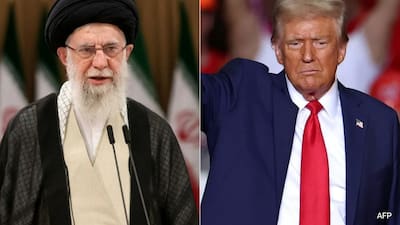
The United States and Iran are once again standing at a critical geopolitical crossroads. As President Donald Trump pushes for a negotiated agreement while simultaneously warning of severe consequences if diplomacy fails, analysts are increasingly describing the situation as a “fork in the road” moment.
At the center of the debate is a simple but consequential question: Will Washington and Tehran reach a meaningful agreement, or is the region headed toward a deeper confrontation?
Recent statements from Trump, combined with reports of stalled negotiations, military tensions, and growing concerns over the Strait of Hormuz, have elevated the stakes for both sides. The outcome could shape not only U.S.-Iran relations but also global energy markets, regional stability, and international diplomacy for years to come.
Why the Iran Debate Has Reached a Critical Stage

For months, negotiations between the United States and Iran have moved forward in fits and starts. Trump has repeatedly expressed optimism that a deal remains possible, while also issuing strong warnings that failure to reach an agreement could lead to further military action.
This dual-track strategy reflects the administration’s broader approach: pressure combined with diplomacy.
According to recent reports, discussions have focused on several major issues:
- Iran’s nuclear activities
- Regional security concerns
- Shipping access through the Strait of Hormuz
- Economic sanctions
- Long-term verification mechanisms
- Ceasefire arrangements connected to broader regional conflicts
While progress has reportedly been made on some fronts, major disagreements remain unresolved.
As a result, policymakers increasingly view the current moment as a decisive turning point rather than merely another phase of negotiations.
The Meaning Behind the ‘Fork In The Road’ Warning
The phrase “fork in the road” has become a popular description of the current situation because it captures the reality facing both governments.
One path leads toward diplomacy.
The other points toward renewed escalation.
Supporters of diplomacy argue that both nations have incentives to reach an agreement. The United States wants to avoid a prolonged regional conflict that could affect global energy supplies and economic stability. Iran, meanwhile, seeks economic relief and greater certainty regarding its future relationship with the international community.
However, skeptics argue that deep mistrust continues to undermine progress.
Years of sanctions, military confrontations, and failed agreements have created a difficult environment for compromise. Even when negotiations appear close to success, new developments often derail momentum.
That reality explains why many observers see the coming weeks as especially important.
Trump’s Negotiating Strategy Under Scrutiny
President Trump has consistently emphasized strength in negotiations with Iran.
Throughout the current crisis, he has alternated between expressing confidence about a potential breakthrough and issuing stark warnings about the consequences of failure. Reports indicate that Trump believes negotiations are moving forward and that an agreement remains achievable.
At the same time, he has repeatedly warned that Iran could face severe consequences if talks collapse. Previous statements included deadlines and threats of expanded military action should diplomacy fail.
Supporters argue this pressure is necessary to bring Iran to the negotiating table.
Critics contend that excessive pressure may harden positions and make compromise more difficult. Some analysts believe that public ultimatums can complicate diplomatic efforts by limiting political flexibility on both sides.
Regardless of perspective, Trump’s approach has become one of the defining features of the current standoff.
Iran’s Position: Security, Sovereignty, and Economic Relief
Iranian leaders have repeatedly emphasized that any agreement must protect national sovereignty and provide tangible economic benefits.
Reports suggest Tehran remains wary of American commitments and seeks assurances that future policy changes will not undermine any deal that is reached.
Iran also continues to argue that its security concerns must be addressed as part of any broader settlement.
This includes issues related to sanctions, regional influence, and economic restrictions that have affected the country’s economy for years.
The challenge is that many of Iran’s demands directly intersect with U.S. concerns about nuclear activities and regional security.
As a result, negotiators face a difficult balancing act.
The Strait of Hormuz Factor
One of the most significant elements of the current crisis involves the Strait of Hormuz.
This narrow waterway remains one of the world’s most important energy transit routes. Any disruption can have immediate consequences for global oil prices and international markets.
Recent reports have highlighted ongoing disputes regarding shipping access and security arrangements in the region. Concerns over possible restrictions have already contributed to market volatility.
For global investors and policymakers, the Strait of Hormuz represents more than a regional issue.
It is a vital artery for international commerce.
That reality explains why developments in U.S.-Iran negotiations continue to attract worldwide attention.
Global Oil Markets Are Watching Closely
The economic implications of the current standoff extend far beyond the Middle East.
Energy markets have reacted sharply to news regarding negotiations, ceasefires, and military developments. Oil prices have fluctuated as investors attempt to assess the likelihood of either a diplomatic breakthrough or renewed escalation.
Analysts note that uncertainty itself creates challenges.
Businesses, governments, and consumers all face higher risks when geopolitical conditions remain unpredictable.
A successful agreement could help stabilize markets and reduce uncertainty.
Conversely, a breakdown in talks could trigger renewed volatility.
Domestic Political Pressure on Trump
Foreign policy decisions rarely occur in a political vacuum.
Trump faces competing pressures at home as he navigates the Iran issue.
Some supporters favor a tougher approach and argue that continued pressure is necessary to achieve strategic objectives.
Others believe diplomacy offers a better path toward long-term stability.
The administration must therefore balance national security goals with domestic political considerations, economic concerns, and international alliances.
This political backdrop adds another layer of complexity to an already difficult negotiation process.
International Reactions and Diplomatic Efforts
Governments around the world are closely monitoring developments.
Many allies have encouraged continued diplomacy and warned against actions that could lead to a broader regional conflict.
International mediators have also played a role in facilitating communication between Washington and Tehran. Various diplomatic channels remain active despite periodic setbacks.
The international community generally shares a common objective: preventing further escalation while preserving regional stability.
Whether that objective can be achieved remains uncertain.
What Happens If a Deal Is Reached?
A successful agreement could produce several important outcomes:
Reduced Military Tensions
An agreement would likely lower the immediate risk of direct confrontation between the United States and Iran.
Improved Economic Stability
Markets generally respond positively to reduced geopolitical uncertainty.
Energy Security Benefits
Greater stability in the Strait of Hormuz could improve confidence in global energy supply chains.
Diplomatic Momentum
A breakthrough could create opportunities for additional discussions on regional security and related issues.
What Happens If Negotiations Collapse?
The alternative scenario is significantly more concerning.
Potential consequences could include:
- Increased military activity
- Higher energy prices
- Greater regional instability
- Expanded international tensions
- Further economic uncertainty
Recent statements from both sides demonstrate that the possibility of escalation cannot be dismissed. While diplomacy remains active, the risks associated with failure remain substantial.
Why This Moment Matters
The current situation is about more than a single agreement.
It represents a broader test of whether diplomacy can overcome years of distrust, confrontation, and competing strategic interests.
For Trump, the outcome could become one of the defining foreign policy stories of his presidency.
For Iran, it represents a critical opportunity to shape its economic and strategic future.
For the rest of the world, the stakes include energy security, regional stability, and international economic confidence.
That is why experts increasingly describe the situation as a genuine fork in the road.
The decisions made in the coming weeks may influence geopolitical dynamics far beyond Washington and Tehran.
Conclusion
Trump’s Iran crossroads has emerged as one of the most consequential geopolitical stories of the year. With negotiations continuing amid threats, uncertainty, and competing pressures, the debate between diplomacy and escalation remains intense.
The path forward is not yet clear.
A deal remains possible, and recent statements suggest that diplomatic channels are still active. At the same time, unresolved disputes and lingering mistrust continue to threaten progress.
Whether this moment ultimately leads to a breakthrough or a deeper confrontation will depend on decisions made by leaders in both Washington and Tehran.
For now, the world continues to watch as one of the most important geopolitical crossroads of the decade unfolds.
FAQs
What is meant by Trump’s Iran crossroads?
The phrase refers to the critical choice between pursuing a diplomatic agreement with Iran or facing the possibility of increased military and geopolitical tensions.
Why is the current U.S.-Iran situation important?
The outcome could affect regional security, global energy supplies, oil prices, and international diplomatic relations.
What role does the Strait of Hormuz play?
The Strait of Hormuz is one of the world’s most important oil transit routes. Any disruption can significantly impact global energy markets.
Is a U.S.-Iran deal still possible?
Recent reports indicate that negotiations remain active, although major disagreements continue to exist.
How could oil prices be affected?
A successful agreement could help stabilize prices, while escalating tensions could contribute to increased volatility and higher energy costs.
What are the biggest obstacles to an agreement?
Key challenges include nuclear issues, sanctions, regional security concerns, verification mechanisms, and longstanding mistrust between both governments.
How useful was this post?
Click on a star to rate it!
Average rating 0 / 5. Vote count: 0
No votes so far! Be the first to rate this post.
About the Author

usa5911.com
Administrator
Hi, I’m Gurdeep Singh, a professional content writer from India with over 3 years of experience in the field. I specialize in covering U.S. politics, delivering timely and engaging content tailored specifically for an American audience. Along with my dedicated team, we track and report on all the latest political trends, news, and in-depth analysis shaping the United States today. Our goal is to provide clear, factual, and compelling content that keeps readers informed and engaged with the ever-changing political landscape.