The debate surrounding Immigration and Customs Enforcement (ICE) facilities has once again erupted into a major national political battle. What began as demonstrations over detention conditions at the Delaney Hall ICE detention facility in Newark, New Jersey, has escalated into a broader confrontation involving Democratic lawmakers, the Department of Homeland Security (DHS), immigrant-rights activists, law enforcement agencies, and the White House.
Recent protests outside the facility have led to arrests, curfews, allegations of excessive force, and renewed calls from prominent Democrats for the facility to be shut down permanently. Meanwhile, DHS officials have strongly defended the detention center, rejected accusations of abuse, and vowed a zero-tolerance approach toward violent demonstrations.
As tensions continue to rise, the controversy has become a symbol of America’s wider immigration debate, highlighting deep divisions over border security, detention practices, and federal immigration enforcement.
Why the ICE Facility Is at the Center of the Storm
The focal point of the current controversy is Delaney Hall, a large immigration detention center in Newark, New Jersey. The facility has faced increasing scrutiny after reports emerged that detainees launched hunger and labor strikes to protest alleged living conditions. Activists claimed detainees complained about food quality, medical care, sanitation issues, and limited visitation access.
Immigrant advocacy groups quickly organized demonstrations outside the facility. What began as peaceful protests gradually expanded, attracting lawmakers, activists, and national media attention.
The situation intensified after allegations surfaced that some detainees had been held for extended periods while awaiting immigration proceedings. Advocates argued that conditions inside the facility reflected broader concerns about the immigration detention system in the United States.
Democrats Demand Closure
Several Democratic leaders have openly called for the closure of Delaney Hall following visits and oversight efforts at the facility.
House Democratic Leader Hakeem Jeffries reportedly criticized conditions at the detention center after touring the site and called for significant reforms. Other Democratic lawmakers argued that allegations regarding treatment of detainees warranted immediate federal intervention.
The calls for closure align with broader Democratic efforts to impose stricter oversight on ICE operations nationwide. Earlier this year, congressional Democrats proposed major reforms, including:
- Requiring judicial warrants for certain enforcement actions.
- Mandating visible identification for ICE agents.
- Restricting enforcement activity near schools, churches, and hospitals.
- Expanding oversight and accountability measures.
- Requiring body cameras during immigration operations.
Supporters of these reforms argue that increased transparency is necessary to protect civil liberties and ensure humane treatment within detention facilities.
Critics, however, say such measures could weaken immigration enforcement and make it more difficult for federal agencies to carry out their responsibilities.
Protest Chaos Erupts Outside Facility
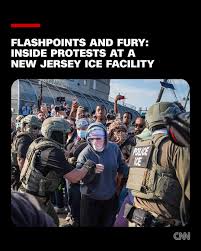
As political tensions increased, demonstrations outside Delaney Hall became increasingly volatile.
Authorities reported multiple nights of unrest, leading to dozens of arrests. Police established restricted zones around the facility and imposed curfews after confrontations between protesters and law enforcement escalated.
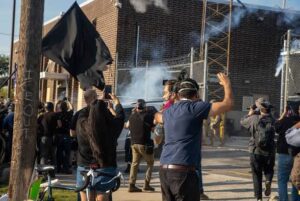
According to reports, officers deployed riot-control tactics including tear gas and crowd-dispersal measures after some protesters allegedly refused to comply with dispersal orders. Several demonstrators were taken into custody as authorities sought to restore order.
Officials cited public safety concerns as the primary reason for implementing emergency restrictions around the detention center.
At the same time, civil rights organizations argued that aggressive policing tactics risked escalating tensions further and potentially discouraged lawful protest activity.
The clashes quickly generated national headlines and intensified political pressure on both local and federal officials.
DHS Fires Back Against Critics
The Department of Homeland Security has firmly rejected claims that detainees are being subjected to inhumane conditions.
DHS officials described many allegations as politically motivated and insisted that the facility meets federal detention standards. Agency representatives also defended restrictions imposed during periods of unrest, arguing that security considerations required temporary changes to visitation procedures.
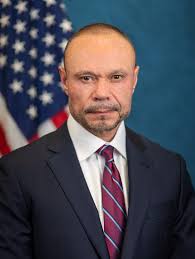
Homeland Security Secretary Markwayne Mullin emerged as one of the administration’s most vocal defenders of the facility.
In several public statements, Mullin accused Democratic leaders of politicizing immigration enforcement and using the protests as a political platform. He argued that ICE operations are focused on public safety and removing individuals who violate immigration laws.
DHS also adopted a strong public stance toward demonstrators accused of violence or vandalism, repeatedly emphasizing a “zero tolerance” policy toward rioting and attacks on law enforcement personnel.
Hunger Strikes Fuel National Attention
One of the major factors driving public attention has been reports of hunger strikes among detainees.
Advocates claim hundreds of individuals participated in the action to protest detention conditions and demand improvements. Organizers cited complaints ranging from food quality concerns to delays in immigration proceedings.
The hunger strikes transformed what had been a local issue into a national story.
Supporters argued the protests highlighted systemic problems within immigration detention facilities. Critics countered that activists were exaggerating conditions to advance political objectives.
Regardless of political viewpoint, the strikes significantly increased media scrutiny and prompted additional oversight efforts by elected officials.
Lawmakers Enter the Conflict
The situation became even more contentious when lawmakers personally visited the detention facility.
Democratic Senator Andy Kim said he experienced chaos during a protest outside Delaney Hall and claimed federal agents used pepper spray during the confrontation. His account added another layer of controversy and generated calls for investigations into crowd-control tactics.
Meanwhile, several Democratic representatives accused federal officials of attempting to intimidate lawmakers conducting oversight visits. DHS officials strongly disputed those characterizations and defended the agency’s actions.
The involvement of elected officials transformed the dispute into a high-profile political conflict that reached far beyond New Jersey.
Immigration Policy Becomes a 2026 Flashpoint
The Delaney Hall controversy arrives during a period of intense national debate over immigration policy.
Throughout 2026, disputes over ICE funding, enforcement authority, and detention standards have become central issues in Washington. Congressional Democrats have sought significant reforms while Republicans have largely defended existing enforcement structures.
The disagreement has extended into federal budget negotiations and discussions regarding DHS funding.
Some lawmakers argue stronger enforcement is necessary to maintain border security and uphold immigration law. Others contend that detention practices require substantial reform and greater accountability.
The Newark facility has effectively become a symbol of these larger national disagreements.
Public Opinion Remains Divided
Public reaction to the ICE facility showdown has been sharply divided.
Supporters of the protests argue that detention centers should operate with greater transparency and stronger protections for detainees. They believe allegations of inadequate living conditions deserve serious investigation and reform.
Others support DHS’s position and argue that immigration enforcement agencies face increasingly difficult challenges while carrying out lawful duties. They contend that political attacks on ICE undermine public safety and encourage disorder.
Online discussions across social media platforms reveal deep polarization on the issue, with passionate arguments on both sides regarding immigration policy, civil rights, and national security.
What Happens Next?
Several developments could shape the future of the Delaney Hall controversy.
Investigations into detention conditions may continue as lawmakers push for additional oversight. Protest activity is also expected to remain active, particularly if detainee concerns remain unresolved.
At the same time, DHS appears committed to maintaining operations at the facility while defending its policies against criticism.
State and local officials have attempted to reduce tensions through measures such as restoring visitation access and increasing law enforcement coordination around protest areas.
Whether those efforts succeed remains uncertain.
What is clear is that the dispute has evolved far beyond a single detention center. It now reflects a broader national struggle over immigration enforcement, government accountability, public safety, and civil rights.
The Bigger Picture
The ICE facility showdown in Newark illustrates how immigration remains one of the most politically charged issues in the United States.
For critics, the protests represent a demand for greater oversight, transparency, and humane treatment of detainees. For supporters of current enforcement policies, the unrest highlights the challenges faced by federal agencies tasked with enforcing immigration law.
As demonstrations continue and political rhetoric intensifies, the battle over Delaney Hall could influence future immigration policy debates, congressional negotiations, and public opinion heading into the next election cycle.
The controversy has already become one of the most closely watched immigration stories of the year, with both sides portraying the conflict as a defining moment in the national conversation over border security and human rights.
Only time will determine whether the calls for closure gain momentum or whether federal authorities succeed in defending the facility and its operations. Until then, the ICE facility showdown remains a flashpoint in America’s ongoing immigration debate.
Frequently Asked Questions (FAQs)
Why are Democrats demanding the closure of the ICE facility?
Democratic lawmakers cite allegations regarding detention conditions, treatment of detainees, visitation restrictions, and accountability concerns. Some leaders believe the facility should be closed pending further investigation.
What is Delaney Hall?
Delaney Hall is an immigration detention facility in Newark, New Jersey, operated for ICE and currently at the center of protests and political controversy.
Why are protesters demonstrating outside the facility?
Activists and advocacy groups are protesting alleged detention conditions, detainee treatment, and broader immigration enforcement policies.
What has DHS said about the allegations?
DHS has rejected claims of inhumane treatment, defended facility operations, and described many accusations as politically motivated.
Were arrests made during the protests?
Yes. Multiple arrests have been reported following clashes between protesters and law enforcement during demonstrations outside the facility.
Could the facility actually be closed?
Closure would require significant political and administrative action. While some lawmakers support that outcome, federal officials currently continue to defend the facility’s operation.
About the Author