Anti-ICE Riot Funding Exposed: Retired FBI Agent Warns Of Well-Funded Protest Network
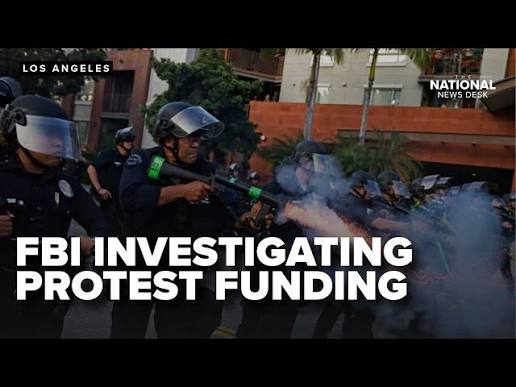
The debate surrounding anti-ICE demonstrations in the United States has intensified after a retired FBI agent and several federal officials raised concerns about what they describe as a well-funded and highly organized protest network. Allegations regarding anti-ICE riot funding have fueled political controversy, prompting calls for greater transparency about who finances large-scale demonstrations and whether outside organizations play a significant role in sustaining them.
As protests against Immigration and Customs Enforcement (ICE) continue to draw national attention, questions about funding sources, organizational structures, and potential coordination efforts have become central to the public discussion. Supporters of the protests argue that demonstrations represent legitimate grassroots activism, while critics claim that sophisticated funding networks help mobilize activists and resources across multiple states.
This article examines the latest developments, the claims made by former and current law enforcement officials, the evidence cited so far, and the broader implications for political activism in America.
Why Anti-ICE Protests Remain a Major National Issue
ICE has long been one of the most controversial federal agencies in the United States. Established after the September 11 attacks, the agency is responsible for enforcing immigration laws, conducting deportation operations, and investigating cross-border criminal activity.
Critics argue that ICE policies have led to family separations, aggressive enforcement tactics, and humanitarian concerns. Supporters contend that the agency plays a vital role in maintaining border security and enforcing federal immigration laws.
As immigration remains a deeply divisive political issue, anti-ICE protests have become increasingly common in major cities across the country. These demonstrations often attract activists, advocacy groups, labor organizations, students, and community leaders.
However, recent events have shifted attention away from immigration policy itself and toward the financial resources supporting protest movements.
Retired FBI Agent Raises Concerns
A retired FBI agent recently warned that some anti-ICE demonstrations appear far more organized than spontaneous grassroots gatherings. According to reports, the former federal investigator suggested that extensive logistical support, coordinated messaging, transportation arrangements, and specialized equipment point toward a sophisticated support network behind certain protests.
The warning comes amid broader federal scrutiny of protest organizers and funding channels. Current FBI officials have also indicated that investigators are examining financial networks connected to demonstrations that allegedly interfere with law enforcement operations.
While authorities have not publicly released comprehensive findings, the comments have intensified public debate about who funds major protest campaigns and how resources are distributed.
Newark Protests Draw New Attention
Recent demonstrations outside Newark’s Delaney Hall detention facility have become a focal point in discussions about anti-ICE riot funding.
Reports indicate that activists associated with protest efforts sought donations for protective equipment, including helmets, goggles, respirators, guards, and other supplies. Organizers reportedly used social media platforms to coordinate contributions and resource distribution among participants.
Critics argue that such fundraising efforts demonstrate a level of preparation inconsistent with purely spontaneous demonstrations. Some elected officials have described these activities as evidence of a deliberate attempt to sustain prolonged confrontations with authorities.
Supporters of the protests counter that fundraising for safety equipment is common in activist movements, particularly when demonstrators expect encounters involving crowd-control measures.
Claims of Outside Funding
One of the most controversial aspects of the debate involves allegations that wealthy donors, nonprofit organizations, and political advocacy networks may be helping finance anti-ICE activities.
Several reports and testimonies have alleged that millions of dollars could be flowing through nonprofit structures and advocacy groups connected to broader political movements. Some congressional witnesses have claimed that large funding networks linked to multiple organizations have supported protest-related activities.
Additional reports have pointed to donor-advised funds, nonprofit coalitions, and advocacy organizations as potential sources of financial support for activism campaigns.
It is important to note that many of these claims remain disputed and have not been fully verified through public court findings or official government reports.
FBI Investigations Into Funding Networks
Federal authorities have acknowledged investigations into protest-related funding and organization efforts.
According to statements attributed to FBI Director Kash Patel, investigators have examined funding sources connected to protest activities that allegedly obstruct law enforcement operations. The bureau has reportedly focused on organizers, financial channels, and networks that may facilitate unlawful actions.
Patel has stated that investigators believe some activist organizations operate with substantial financial backing. However, officials have not yet publicly disclosed detailed evidence identifying specific donors or organizations responsible for alleged misconduct.
The ongoing investigations are expected to remain politically sensitive, particularly because they intersect with First Amendment protections and the right to protest.
The Role of Activist Organizations
Modern protest movements frequently rely on networks of nonprofit groups, grassroots coalitions, legal defense funds, advocacy organizations, and volunteer coordinators.
These networks can provide:
- Event planning
- Transportation support
- Legal assistance
- Medical aid
- Communication resources
- Fundraising infrastructure
- Public relations support
Supporters argue that such assistance is entirely legal and essential for effective civic engagement.
Critics, however, contend that extensive coordination can blur the line between grassroots activism and professionally managed political operations.
The controversy surrounding anti-ICE riot funding reflects this broader debate about the role of organized activism in modern politics.
Questions About Coordination
Another issue attracting attention is whether anti-ICE demonstrations are coordinated nationally.
Some reports suggest that organizers use encrypted messaging platforms, social media networks, and digital communication channels to share information about protest locations, law enforcement activity, and logistical needs.
Federal investigators have reportedly examined whether these communication methods were used merely for organizing lawful demonstrations or for activities that could interfere with law enforcement operations.
Civil liberties advocates warn that scrutiny of protest communications could potentially affect constitutionally protected speech and assembly rights.
Political Reactions
The controversy has triggered strong reactions across the political spectrum.
Conservative Viewpoint
Many conservative lawmakers argue that organized funding networks encourage disruptive demonstrations and increase tensions between protesters and law enforcement.
Some officials have called for:
- Greater nonprofit transparency
- Financial disclosure requirements
- Enhanced investigations
- Stricter penalties for violent protest activity
They argue that the public deserves to know who finances major protest campaigns.
Progressive Viewpoint
Progressive activists and civil rights organizations reject allegations that anti-ICE demonstrations represent coordinated unlawful operations.
Many argue that:
- Most protesters are peaceful
- Fundraising is protected political activity
- Investigations risk chilling free speech
- Activist organizations provide lawful support services
Civil liberties groups have also expressed concern that broad investigations could unfairly target individuals engaged in legitimate protest activity.
The Challenge of Distinguishing Protest From Violence
One of the biggest challenges facing authorities is distinguishing between lawful activism and criminal conduct.
The First Amendment protects peaceful assembly and political expression. However, acts involving violence, property destruction, assault, or obstruction of law enforcement can result in criminal charges.
Law enforcement agencies therefore face a complex task:
- Protect constitutional rights
- Prevent violence
- Investigate criminal conduct
- Avoid political bias
This balancing act has become increasingly difficult as protests grow larger and more politically charged.
How Protest Funding Typically Works
Funding for demonstrations can come from numerous sources, including:
Individual Donations
Small-dollar contributions from supporters remain a major funding source for many activist campaigns.
Nonprofit Organizations
Tax-exempt groups often provide administrative support, event coordination, and educational outreach.
Crowdfunding Platforms
Online fundraising tools allow organizers to raise money quickly for specific events or legal expenses.
Advocacy Coalitions
Multiple organizations sometimes pool resources to support shared policy goals.
Volunteer Contributions
Many protests rely heavily on unpaid volunteers who donate time, transportation, equipment, and expertise.
The existence of funding alone does not necessarily indicate unlawful activity. The central question remains whether financial resources are being used in ways that violate federal or state laws.
Public Interest Continues To Grow
Search interest surrounding anti-ICE riot funding has surged as new allegations emerge and investigations continue.
Americans from across the political spectrum want answers to several key questions:
- Who funds major anti-ICE protests?
- Are demonstrations locally organized or nationally coordinated?
- What role do nonprofit organizations play?
- Are allegations of outside influence supported by evidence?
- How should authorities balance security concerns with civil liberties?
Until official investigations release more comprehensive findings, many of these questions will remain subjects of intense debate.
What Happens Next?
The future of the controversy will likely depend on several factors:
- Results of ongoing FBI investigations.
- Potential congressional hearings.
- Public disclosure of financial records.
- Court proceedings involving protest-related cases.
- Additional reporting from journalists and watchdog groups.
If authorities uncover evidence of unlawful coordination or funding activities, political pressure for reforms could increase significantly.
If investigations fail to substantiate major allegations, critics may argue that concerns about organized protest funding were overstated.
Either way, the issue is expected to remain a prominent topic in national discussions about immigration policy, political activism, and public accountability.
Conclusion
The debate over anti-ICE riot funding reflects broader tensions shaping American politics in 2026. Allegations from retired FBI officials, ongoing federal investigations, and reports of organized fundraising efforts have raised important questions about how large protest movements operate and who finances them.
At the same time, civil liberties advocates stress that fundraising, organizing, and political activism are fundamental constitutional rights that must be protected.
As investigations continue, the public will be watching closely for evidence that clarifies whether anti-ICE demonstrations represent primarily grassroots activism, highly coordinated political organizing, or some combination of both.
FAQs
What is anti-ICE riot funding?
Anti-ICE riot funding refers to money, resources, and logistical support allegedly used to organize or sustain protests opposing ICE operations.
Why are federal authorities investigating protest funding?
Federal investigators are examining whether any funding networks contributed to unlawful activities or efforts to obstruct law enforcement operations.
Did a retired FBI agent warn about a protest network?
Yes. Reports indicate that a retired FBI official raised concerns about what appeared to be a well-funded and organized protest infrastructure.
Are anti-ICE protests legal?
Peaceful protests are protected under the First Amendment. However, violence, property damage, or interference with law enforcement can result in criminal charges.
Have funding allegations been proven?
Many claims remain under investigation, and several allegations have not yet been fully verified through public court findings or official government reports.
Why is this issue politically controversial?
The debate involves immigration policy, law enforcement, free speech rights, nonprofit transparency, and concerns about political activism, making it highly contentious across the political spectrum.
How useful was this post?
Click on a star to rate it!
Average rating 0 / 5. Vote count: 0
No votes so far! Be the first to rate this post.
About the Author

usa5911.com
Administrator
Hi, I’m Gurdeep Singh, a professional content writer from India with over 3 years of experience in the field. I specialize in covering U.S. politics, delivering timely and engaging content tailored specifically for an American audience. Along with my dedicated team, we track and report on all the latest political trends, news, and in-depth analysis shaping the United States today. Our goal is to provide clear, factual, and compelling content that keeps readers informed and engaged with the ever-changing political landscape.