Somaliland Tensions Rise: Recognition Debate Intensifies, Horn Of Africa Pressure Grows
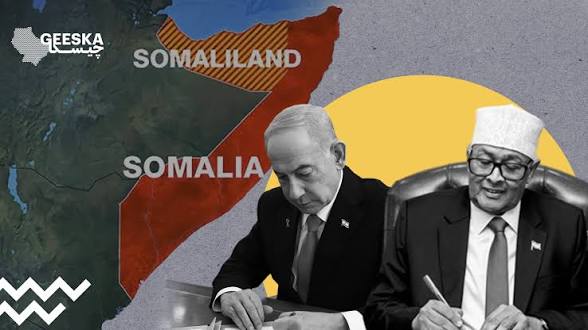
The Horn of Africa is once again at the center of global geopolitical attention as Somaliland tensions continue to escalate amid a growing international recognition debate. The self-declared Republic of Somaliland, which has operated independently from Somalia since 1991, is attracting increasing diplomatic, military, and economic interest from regional and global powers.
The latest developments have intensified pressure across East Africa and the Red Sea corridor, creating a complex mix of diplomatic confrontation, security concerns, and strategic competition. While Somaliland argues that it has functioned as a stable democratic territory for more than three decades, Somalia continues to reject any recognition efforts, insisting that Somaliland remains part of its sovereign territory.
Recent recognition discussions and shifting alliances have transformed Somaliland from a regional issue into a global geopolitical flashpoint. The debate now involves questions of sovereignty, maritime security, regional influence, and international law.
What Is Somaliland?

Somaliland declared independence from Somalia in 1991 following the collapse of Somalia’s central government. Since then, Somaliland has operated with its own government, currency, military, passport system, and democratic institutions.
Despite functioning as a de facto state for over 30 years, Somaliland has struggled to gain official international recognition. Most countries and international organizations continue to recognize Somalia’s territorial integrity.
Supporters of Somaliland argue that the territory has achieved relative political stability, democratic elections, and stronger governance compared to many conflict-affected regions in the Horn of Africa. Critics, however, warn that recognition could encourage separatist movements elsewhere in Africa.
The issue has now become even more sensitive as strategic powers compete for influence around the Red Sea and Gulf of Aden.
Why Somaliland Matters Geopolitically
The growing focus on Somaliland is largely driven by geography.
Somaliland sits along the Gulf of Aden near one of the world’s most important maritime trade routes. The nearby Bab el-Mandeb Strait connects the Red Sea to the Indian Ocean, making it vital for global shipping, energy supplies, and military operations.
The port city of Berbera has become a strategic asset attracting international attention. Analysts believe control and access to this corridor could significantly influence future trade and security dynamics in the region.
As tensions continue in the Middle East and Red Sea shipping routes face increasing threats, Somaliland’s location has become strategically valuable to countries seeking military positioning and trade access.
This explains why Somaliland is increasingly discussed not only in African politics but also in broader conversations about global security and international diplomacy.
Recognition Debate Intensifies
The Somaliland recognition debate has intensified dramatically in recent months.
Several reports indicate that diplomatic discussions around Somaliland are growing more serious, especially following high-profile international engagement in the region.
The debate intensified after reports that Israel formally recognized Somaliland in late 2025, becoming the first UN member state to do so. The move triggered immediate backlash from Somalia and several regional governments.
Somalia strongly condemned the decision, calling it a violation of national sovereignty and territorial integrity. Multiple countries and organizations also expressed concern that recognition could destabilize the Horn of Africa and create a dangerous precedent for separatist movements across the continent.
At the same time, Somaliland supporters viewed the development as a historic breakthrough that could pave the way for wider diplomatic acceptance.
The recognition debate is no longer theoretical. It is now influencing real diplomatic alignments, military calculations, and regional alliances.
Somalia Pushes Back Against Recognition Efforts
Somalia has intensified diplomatic pressure against any country considering recognition of Somaliland.
Somali officials argue that recognizing Somaliland would undermine African unity and violate long-standing international agreements supporting existing colonial borders. The African Union has historically opposed changes to post-colonial borders because of fears that it could trigger wider separatist movements across Africa.
Somalia also fears that recognition could weaken national cohesion and embolden other autonomous or disputed regions.
In response to growing recognition discussions, Somalia has strengthened diplomatic outreach to Arab nations, African states, and international organizations. Reports suggest Mogadishu is working aggressively to ensure that Somaliland does not gain broader international legitimacy.
This diplomatic campaign highlights how seriously Somalia views the issue.
Horn Of Africa Faces Growing Pressure
The Horn of Africa is already dealing with multiple overlapping crises, including political instability, terrorism, economic pressure, and regional rivalries.
Adding the Somaliland recognition issue into this environment risks increasing tensions further.
Experts warn that geopolitical competition in the region is intensifying rapidly. Major powers are seeking influence over ports, shipping lanes, military bases, and trade routes connected to the Red Sea corridor.
Countries such as the United Arab Emirates, Turkey, Ethiopia, and others have all been linked to growing strategic interests in the Horn of Africa.
The region’s importance has grown even more because of global shipping disruptions and security threats affecting international trade routes.
As a result, Somaliland’s future status is becoming tied to much larger geopolitical calculations.
Berbera Port Emerges As Strategic Prize
One of the biggest reasons Somaliland is attracting attention is the Port of Berbera.
Port of Berbera has increasingly been viewed as a strategic alternative trade and military hub along the Gulf of Aden.
International investments and infrastructure projects have transformed Berbera into a growing logistics center. Analysts believe the port could play a major role in future global supply chains and regional security operations.
The port’s strategic value has intensified competition among regional powers seeking influence over Red Sea maritime routes.
Some observers believe future recognition debates may be driven less by ideology and more by economic and military interests connected to Berbera and nearby infrastructure.
Regional Powers Watching Closely
Several regional governments are carefully monitoring developments surrounding Somaliland.
Ethiopia has long sought expanded access to sea routes, making Somaliland strategically important for trade and regional connectivity.
Meanwhile, Turkey has expanded influence in Somalia through military cooperation and economic partnerships. Analysts suggest that recognition developments could affect broader regional power balances involving Turkey, Gulf nations, and Western allies.
At the same time, international actors are increasingly focused on securing maritime trade routes around the Red Sea due to instability in nearby regions.
The growing competition is transforming Somaliland into a major geopolitical issue rather than simply a regional political dispute.
International Community Remains Divided
The international community remains deeply divided on Somaliland.
Supporters of recognition argue that Somaliland has demonstrated functioning governance, democratic institutions, and long-term stability deserving of statehood recognition.
Critics counter that recognition risks undermining international norms surrounding sovereignty and territorial integrity. They warn that it could encourage other separatist movements across Africa and beyond.
Some analysts also fear that external involvement in the Horn of Africa could increase militarization and regional instability.
For now, most countries continue to officially recognize Somalia’s territorial borders. However, diplomatic engagement with Somaliland appears to be growing steadily.
This balancing act is becoming increasingly difficult as strategic competition in the region intensifies.
Somaliland’s Stability Argument Gains Attention
One reason Somaliland continues gaining international attention is its reputation for relative stability.
Compared to parts of Somalia that have faced prolonged conflict and extremist violence, Somaliland has maintained functioning institutions, elections, and internal security systems for decades.
Supporters argue that Somaliland represents a rare example of democratic governance and political resilience in a difficult region.
This narrative has become central to Somaliland’s push for international legitimacy.
Advocates claim the territory has effectively met many traditional criteria associated with statehood, even without formal recognition.
Whether that argument ultimately changes international policy remains uncertain.
Could More Countries Recognize Somaliland?
One of the biggest questions now is whether additional countries could eventually recognize Somaliland.
Some geopolitical analysts believe that growing strategic competition around the Red Sea and Horn of Africa may encourage certain governments to deepen ties with Somaliland.
Others remain skeptical, pointing out that the African Union and many global powers still strongly support Somalia’s territorial integrity.
Recognition would likely remain controversial because it touches on broader issues involving international law, regional stability, and separatist precedents.
Still, the conversation itself marks a significant shift.
For decades, Somaliland existed largely outside global diplomatic focus. Today, it is becoming central to debates about security, trade, and geopolitical influence in East Africa.
Future Risks And Opportunities
The future of Somaliland remains uncertain, but tensions are clearly rising.
Possible outcomes include:
- Increased diplomatic standoffs between Somalia and Somaliland
- Expanded foreign involvement in the Horn of Africa
- Greater competition over ports and military access
- Rising pressure on African Union diplomacy
- New regional security arrangements around the Red Sea
At the same time, some experts argue that deeper engagement with Somaliland could create opportunities for economic growth, regional trade, and maritime security cooperation.
The challenge will be balancing those opportunities against risks of instability and diplomatic conflict.
The coming years could reshape not only Somaliland’s future but also the broader geopolitical structure of the Horn of Africa.
Conclusion
Somaliland tensions are rapidly evolving into one of the most important geopolitical issues in East Africa.
The recognition debate has expanded far beyond local politics, drawing in global powers, regional rivals, and international organizations. Strategic maritime routes, Red Sea security concerns, and growing foreign influence have all transformed Somaliland into a major diplomatic flashpoint.
While Somaliland continues pushing for international recognition, Somalia remains firmly opposed, warning that any recognition threatens national sovereignty and regional stability.
As pressure grows across the Horn of Africa, the world is watching closely to see whether Somaliland’s long quest for recognition will finally gain wider support or whether international resistance will hold firm.
One thing is clear: the Somaliland debate is no longer a forgotten regional issue. It has become a defining geopolitical challenge with implications far beyond East Africa.
FAQs
What is Somaliland?
Somaliland is a self-declared independent region in the Horn of Africa that separated from Somalia in 1991. It operates with its own government, military, and institutions but lacks widespread international recognition.
Why is Somaliland important?
Somaliland is strategically important because of its location near major Red Sea and Gulf of Aden shipping routes. Its Berbera port is increasingly viewed as a valuable trade and security hub.
Has Somaliland been officially recognized?
Most countries do not officially recognize Somaliland as an independent state. However, reports indicate that Israel recognized Somaliland in late 2025, intensifying the international debate.
Why does Somalia oppose Somaliland recognition?
Somalia considers Somaliland part of its sovereign territory and argues that recognition would violate international law and threaten regional stability.
What role does Berbera Port play?
Berbera Port is one of Somaliland’s most valuable strategic assets. It sits along major maritime trade routes and has attracted growing international investment and geopolitical interest.
Could more countries recognize Somaliland in the future?
It is possible, but highly uncertain. Recognition remains controversial due to concerns about sovereignty, regional stability, and separatist movements across Africa.
How useful was this post?
Click on a star to rate it!
Average rating 0 / 5. Vote count: 0
No votes so far! Be the first to rate this post.
About the Author

usa5911.com
Administrator
Hi, I’m Gurdeep Singh, a professional content writer from India with over 3 years of experience in the field. I specialize in covering U.S. politics, delivering timely and engaging content tailored specifically for an American audience. Along with my dedicated team, we track and report on all the latest political trends, news, and in-depth analysis shaping the United States today. Our goal is to provide clear, factual, and compelling content that keeps readers informed and engaged with the ever-changing political landscape.