John McCain Legacy Debate: Republican Divide Resurfaces, America Reacts
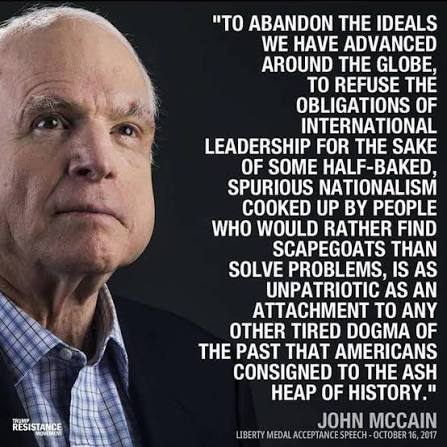
Years after the death of John McCain, the debate surrounding his political legacy continues to shape American politics. As divisions inside the Republican Party deepen, many conservatives, independents, and political analysts are revisiting what McCain represented during his decades in public life.
The renewed attention comes during a period of growing ideological conflict inside the GOP. Traditional conservatives, populist Republicans, and MAGA-aligned leaders are competing to define the future of the party. In that environment, McCain’s reputation as a “maverick” senator has returned to public conversation.
Supporters describe McCain as a patriot who valued bipartisan cooperation, democratic institutions, and national service above party loyalty. Critics argue that some of his policies, foreign policy positions, and political decisions helped shape the divisions that exist today.
Across social media, political commentary, and cable news discussions, Americans are once again asking a central question: What does the legacy of John McCain mean in modern America?
Who Was John McCain?
John McCain served in the United States Senate for more than three decades and became one of the most recognizable Republican figures in modern American history.
Born into a military family, McCain attended the U.S. Naval Academy and later served as a Navy pilot during the Vietnam War. He spent more than five years as a prisoner of war after his aircraft was shot down over Hanoi. His military record became a defining part of his public identity.
McCain entered politics in the 1980s and eventually became known for crossing party lines on major issues, including campaign finance reform, immigration policy, and national security.
He earned the nickname “maverick” because he often challenged Republican leadership when he believed principle outweighed political advantage.
His 2008 presidential campaign against Barack Obama remains one of the most remembered elections in recent history.
Why McCain’s Legacy Is Being Debated Again
The resurgence of debate around McCain’s legacy is directly tied to the ideological transformation of the Republican Party over the last decade.
Since the rise of Donald Trump and the MAGA movement, the GOP has shifted toward a more populist and confrontational style of politics. Many analysts believe McCain represented an earlier era of Republican leadership focused on international alliances, bipartisan compromise, and institutional norms.
Recent political commentary has highlighted the divide between traditional conservatives and MAGA-aligned Republicans.
Some Republicans see McCain as a symbol of integrity and independent thinking. Others believe his brand of politics no longer reflects the priorities of today’s Republican base.
This tension has created a larger national conversation about what modern conservatism should look like in America.
The Republican Divide Over McCain
Traditional Conservatives Defend McCain
Many establishment Republicans continue to praise McCain’s approach to politics.
They argue that he believed deeply in democratic institutions, national unity, and respectful political disagreement. His famous defense of Barack Obama during the 2008 campaign is often cited as an example of political decency.
During a town hall event, McCain corrected a supporter who falsely questioned Obama’s identity and patriotism. The moment has resurfaced repeatedly online as Americans compare political rhetoric from different eras.
Supporters say this moment represented McCain’s commitment to honesty and civic respect, even during a heated election campaign.
Political observers have also noted that McCain’s willingness to oppose members of his own party made him unique among modern politicians.
MAGA Republicans Remain Critical
At the same time, many populist conservatives continue to criticize McCain’s record.
Some argue that he represented an outdated establishment wing of the GOP that failed to connect with working-class voters. Others criticize his support for foreign military intervention and immigration reform.
Online debates about McCain frequently include discussions about his 2008 selection of Sarah Palin as his running mate. Critics and supporters disagree over whether that decision helped pave the way for modern populist politics.
Some conservatives also point to McCain’s clashes with Donald Trump as evidence that he stood against the direction many Republican voters later embraced.
McCain vs. Trump: A Defining Political Conflict
One of the defining chapters of McCain’s later political career was his public conflict with Donald Trump.
Trump famously criticized McCain’s military service during the 2016 campaign, creating a political feud that became symbolic of a broader divide inside the Republican Party.
McCain later became one of the most visible Republican critics of Trump’s political style and rhetoric.
Perhaps the most dramatic moment came in 2017, when McCain cast the deciding vote against Republican efforts to repeal the Affordable Care Act. The dramatic thumbs-down gesture on the Senate floor became an iconic image in American politics.
For many Americans, that vote represented McCain’s willingness to act independently under intense political pressure.
For Trump supporters, however, the vote symbolized resistance from establishment Republicans against the populist movement reshaping the party.
The divide remains visible today as Republicans continue debating the future of conservatism after Trump.
How Americans Are Reacting Online
Social media platforms have become central battlegrounds in the debate over McCain’s legacy.
Some users praise him as one of the last Republicans willing to prioritize country over party. Others argue that his political record should be judged more critically.
Reddit discussions and online forums reveal deep disagreement about his place in American history.
Many users point to McCain’s military service and bipartisan reputation as evidence of honorable leadership.
Others focus on controversial aspects of his career, including foreign policy decisions and past political comments.
The online conversation reflects a broader trend in American politics: public figures are increasingly viewed through sharply polarized political lenses.
McCain’s Impact on American Political Culture
Despite political disagreements, few deny that McCain left a major impact on American public life.
His career reflected a time when bipartisan cooperation still played a larger role in Congress. McCain worked with Democrats on issues ranging from campaign finance reform to immigration negotiations.
Political historians often describe him as part of a fading generation of senators who valued personal relationships across party lines.
His emphasis on public service also shaped how many Americans viewed military sacrifice and patriotism.
Even critics acknowledge that McCain operated according to a strong personal code, whether or not they agreed with his policies.
The Future of the Republican Party
The debate over McCain’s legacy is ultimately a debate about the future of the Republican Party itself.
Will the GOP continue embracing populist nationalism and confrontational politics? Or will some Republicans attempt to revive a more traditional conservative approach associated with leaders like McCain?
Political analysts say the answer could shape elections for years to come.
Potential future Republican leaders are already navigating these tensions. Some seek to fully align with Trump-era politics, while others attempt to balance populist energy with broader electoral appeal.
The continuing discussion about McCain shows that his influence has not disappeared from American political life.
Why McCain Still Matters
Even years after his death, John McCain remains one of the most emotionally charged figures in modern American politics.
For supporters, he symbolizes courage, sacrifice, and political independence.
For critics, he represents an older Republican establishment that many voters rejected.
The fact that Americans continue debating his legacy demonstrates how deeply political identity and historical memory shape the national conversation.
McCain’s life story — from war hero to senator to presidential nominee — continues to resonate because it reflects broader questions about patriotism, leadership, and democracy itself.
Media Coverage and Public Memory
Mainstream media outlets frequently revisit McCain’s legacy during moments of political tension or national debate.
Editorials and commentary pieces often compare current Republican leaders to McCain’s style of politics.
Television documentaries, political podcasts, and social media clips have also introduced younger Americans to key moments from his career.
One frequently shared video remains the moment when McCain defended Barack Obama from false accusations during the 2008 campaign. Many Americans view the clip as a reminder of a different political tone in the United States.
The ongoing circulation of these moments ensures that McCain remains part of the national political conversation.
Conclusion
The debate surrounding John McCain’s legacy reflects much more than one politician’s career.
It reveals the ongoing struggle inside the Republican Party over identity, leadership, and values.
As America grows more politically polarized, figures like John McCain become symbols onto which voters project larger hopes, frustrations, and political beliefs.
Some Americans remember him as a principled statesman willing to challenge his own party when necessary. Others see him as part of a political establishment that lost touch with changing voter priorities.
Regardless of perspective, McCain’s influence continues to shape political discussions across the country.
The renewed attention surrounding his legacy proves that the battle over America’s political future is also a battle over how the nation remembers its past.
FAQs
Who was John McCain?
John McCain was a Republican senator, Vietnam War veteran, and 2008 presidential nominee known for his independent political style and military service.
Why is John McCain’s legacy being debated again?
His legacy has resurfaced because of ongoing divisions inside the Republican Party between traditional conservatives and MAGA-aligned Republicans.
What was John McCain’s relationship with Donald Trump?
McCain and Donald Trump had a highly public political feud, especially after Trump criticized McCain’s military service.
Why is McCain called a “maverick”?
He earned the nickname because he frequently broke with Republican leadership and worked across party lines on major legislation.
What is John McCain most remembered for?
He is remembered for his Vietnam War service, bipartisan political approach, 2008 presidential campaign, and dramatic Senate vote against repealing Obamacare.
How do Republicans view McCain today?
Opinions remain divided. Some Republicans praise his integrity and independence, while others criticize his opposition to Trump-era politics.
Did John McCain support bipartisan politics?
Yes. McCain often worked with Democrats on issues including immigration reform and campaign finance legislation.
Why does McCain still matter in American politics?
His legacy represents larger debates about patriotism, political civility, conservatism, and the future direction of the Republican Party.
How useful was this post?
Click on a star to rate it!
Average rating 0 / 5. Vote count: 0
No votes so far! Be the first to rate this post.
About the Author

usa5911.com
Administrator
Hi, I’m Gurdeep Singh, a professional content writer from India with over 3 years of experience in the field. I specialize in covering U.S. politics, delivering timely and engaging content tailored specifically for an American audience. Along with my dedicated team, we track and report on all the latest political trends, news, and in-depth analysis shaping the United States today. Our goal is to provide clear, factual, and compelling content that keeps readers informed and engaged with the ever-changing political landscape.