Ashley Hinson Showdown: Iowa Political Battle, GOP Pressure, America Reacts
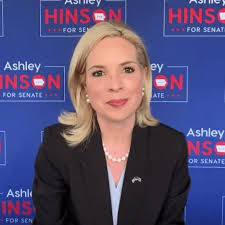
The political spotlight is turning toward Iowa once again, and at the center of the growing storm is Ashley Hinson. As Republicans prepare for a fierce national election cycle, Hinson’s political future has become one of the most talked-about developments in Midwestern politics.
The “Ashley Hinson showdown” is no longer just a local Iowa issue. It has become part of a broader national debate involving Republican Party identity, voter frustration, economic concerns, Trump-era influence, and the future direction of conservative politics in America.
Across Iowa and beyond, voters are reacting strongly to growing tensions within the GOP. Some conservatives view Hinson as a reliable defender of Republican priorities, while critics argue that her close alignment with party leadership and controversial federal policies could become a political liability.
Recent town halls, campaign discussions, and national media attention have intensified the conversation surrounding Hinson’s role in the Republican Party. Iowa, traditionally viewed as a politically influential state, is once again emerging as a battleground with national consequences.
Who Is Ashley Hinson?
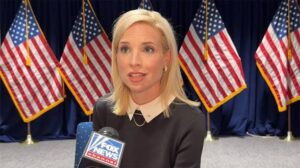
Ashley Hinson currently represents Iowa’s 2nd Congressional District and has become one of the most recognizable Republican figures in the Midwest.
Before entering politics, Hinson worked as a television journalist and news anchor in Iowa. Her media background helped her quickly build name recognition among voters, especially in suburban and rural communities. She later transitioned into state politics before winning a seat in the U.S. House of Representatives.
Over the past several years, Hinson has positioned herself as a conservative voice focused on border security, tax reform, agriculture, economic growth, and opposition to China’s influence in American markets. She has also aligned herself closely with former President Donald Trump on several major issues.
Supporters say she represents the modern Republican movement effectively. Critics, however, argue that her policies increasingly reflect national partisan pressure rather than local Iowa concerns.
Why Iowa Matters Again
Iowa has always played an outsized role in American politics. From presidential caucuses to Senate races, the state often serves as an early indicator of national political momentum.
Political analysts now believe Iowa could become one of the most closely watched states heading into the next election cycle. Economic frustrations, healthcare concerns, inflation pressures, and shifting voter attitudes are reshaping the state’s political landscape.
Although Iowa has leaned Republican in recent years, Democrats believe the state is still competitive under the right conditions. The growing attention surrounding Hinson’s political future reflects this uncertainty.
The stakes are especially high because Republicans are attempting to protect their congressional influence while also maintaining momentum among working-class voters. National Republican organizations are already investing heavily in Iowa races.
GOP Pressure Intensifies
One of the biggest reasons the “Ashley Hinson showdown” is attracting national attention is the pressure coming from inside the Republican Party itself.
Republicans are facing multiple political challenges simultaneously:
- Defending conservative policies
- Maintaining Trump-aligned voter enthusiasm
- Responding to criticism over healthcare and economic policies
- Avoiding voter fatigue in suburban districts
- Managing internal party divisions
Hinson has attempted to balance traditional conservative messaging with loyalty to broader GOP priorities. However, recent public appearances suggest that balancing act may be getting harder.
At a tense Iowa town hall event, Hinson reportedly faced boos and interruptions while defending Republican policies and praising Trump’s agenda. Critics challenged her on healthcare concerns, economic policies, and controversial national legislation.
The moment quickly spread online and became symbolic of the growing political tension facing Republican lawmakers nationwide.
The Trump Factor
No modern Republican political story is complete without discussing the influence of Donald Trump.
Hinson has remained supportive of Trump-backed priorities, including immigration enforcement, tax cuts, and aggressive trade policies involving China. Republican strategists believe Trump’s influence still energizes conservative voters across Iowa.
However, critics argue that tying local campaigns too closely to national political controversies could alienate moderate voters.
This creates a difficult political environment for Hinson:
- Strong conservative loyalty helps in GOP primaries
- Independent voters may demand moderation
- Democrats are framing GOP policies as harmful to working families
- National media scrutiny continues to grow
The challenge for Hinson is maintaining Republican enthusiasm without losing independent and suburban support.
Healthcare and Economic Concerns
Healthcare has emerged as one of the most important issues in the Iowa political battle.
Some Iowa voters have expressed concern about potential Medicaid reductions and healthcare funding changes tied to Republican-backed legislation. Healthcare workers and community advocates argue that budget cuts could place additional pressure on local hospitals and emergency departments.
Economic anxiety is also shaping voter reactions.
While Republicans promote tax reductions and economic reform, many Americans continue struggling with:
- Inflation
- High grocery prices
- Housing affordability
- Rising healthcare costs
- Agricultural uncertainty
Farmers in Iowa are particularly sensitive to economic shifts, international trade disputes, and federal agricultural policies.
Political analysts say these issues could heavily influence Iowa voters in future elections.
America Reacts Online
Social media reactions surrounding Ashley Hinson have exploded in recent months.
Conservative users praise her as a strong defender of Republican values and rural America. Many supporters believe she is standing firm against progressive policies and representing Iowa effectively in Washington.
Meanwhile, critics accuse her of ignoring voter frustrations and prioritizing party loyalty over bipartisan solutions.
Online political discussions frequently center around:
- Healthcare policy
- Immigration
- Trump alignment
- Government spending
- Middle-class economic concerns
- Iowa’s political future
The polarization surrounding Hinson reflects broader national political divisions.
Across platforms like X, Facebook, YouTube, and Reddit, Americans are debating whether Republican leaders are truly addressing voter concerns or simply doubling down on partisan politics.
Senate Speculation and Future Ambitions
One major factor intensifying the political conversation is speculation surrounding Hinson’s future ambitions.
Reports indicate that Hinson has become a major Republican figure in discussions involving Iowa’s future Senate leadership. Following retirement speculation surrounding longtime Iowa Republican leaders, attention quickly shifted toward possible successors.
National Republican groups have already started supporting Hinson aggressively, signaling that party leaders view her as a critical figure for maintaining GOP strength in Iowa.
If Hinson pursues higher office, Iowa could become one of the most expensive and closely watched races in America.
Democrats See Opportunity
Democrats believe Iowa may be more competitive than recent election results suggest.
While Republicans still hold advantages in voter registration and rural turnout, Democrats argue that frustration over healthcare, economic conditions, and political extremism could shift independent voters.
Progressive activists are especially focused on suburban districts where moderate Republicans could become vulnerable.
Democrats hope to capitalize on:
- Economic frustrations
- Healthcare fears
- Younger voter engagement
- Anti-establishment sentiment
- Concerns about political polarization
Whether these strategies succeed remains uncertain, but Iowa is clearly becoming more politically competitive than many expected.
Media Attention Continues Growing
National media outlets have increasingly focused on Ashley Hinson as an example of the modern Republican political dilemma.
Coverage often highlights:
- The Republican Party’s identity struggle
- Tensions between establishment conservatives and populist voters
- Trump’s ongoing political dominance
- Midwestern voter concerns
- The future of swing-state politics
Political commentators argue that Iowa’s battles could preview larger national trends heading into future elections.
As a result, Hinson’s public appearances, speeches, and policy positions are receiving far more scrutiny than typical congressional races.
What Happens Next?
The future of the Ashley Hinson showdown will likely depend on several key factors:
1. Economic Conditions
If inflation and economic anxiety continue, voters may demand major political changes.
2. Trump’s Influence
Trump remains highly influential among Republican voters, but his role could also energize Democratic turnout.
3. Healthcare Debates
Healthcare policy may become one of the defining issues of the Iowa political battle.
4. Independent Voters
Moderates and independents could ultimately decide close races.
5. National Political Momentum
Iowa rarely exists in isolation politically. National narratives will heavily impact local campaigns.
Why This Political Battle Matters Nationally
The Ashley Hinson political showdown matters because it reflects larger questions facing America:
- What direction is the Republican Party heading?
- Can Trump-era conservatism maintain long-term support?
- Are voters prioritizing economic stability over ideology?
- Will Midwestern swing states become competitive again?
These questions extend far beyond Iowa.
Political strategists from both parties are watching closely because Iowa may once again become a national political indicator.
Conclusion
The “Ashley Hinson showdown” has evolved into far more than a local political dispute. It now represents a larger national conversation about the future of American conservatism, voter frustration, and political identity.
As Iowa becomes increasingly important in the national spotlight, Hinson faces mounting pressure from critics, party expectations, and changing voter attitudes.
Supporters view her as a strong conservative fighter willing to defend Republican values under intense scrutiny. Opponents believe growing dissatisfaction among voters could reshape Iowa politics dramatically.
One thing is clear: America is paying attention.
And as political tensions rise, Iowa may once again help determine the direction of the nation’s future.
FAQs
Who is Ashley Hinson?
Ashley Hinson is a Republican congresswoman representing Iowa’s 2nd Congressional District. She previously worked as a television journalist before entering politics.
Why is Ashley Hinson trending?
Hinson is trending due to growing political tensions in Iowa, heated town hall reactions, and speculation surrounding future Senate ambitions.
What issues are central to the Ashley Hinson showdown?
Major issues include healthcare, immigration, economic concerns, Trump-aligned policies, and Republican Party strategy.
Is Iowa becoming politically competitive again?
Many analysts believe Iowa could become more competitive due to economic frustration and shifting voter dynamics.
How does Donald Trump influence Ashley Hinson’s political strategy?
Hinson has closely aligned with several Trump-backed Republican priorities, including border security, tax cuts, and conservative economic policies.
Could Ashley Hinson run for Senate?
Political speculation and national Republican support suggest Hinson could pursue higher office in Iowa.
How useful was this post?
Click on a star to rate it!
Average rating 0 / 5. Vote count: 0
No votes so far! Be the first to rate this post.
About the Author

usa5911.com
Administrator
Hi, I’m Gurdeep Singh, a professional content writer from India with over 3 years of experience in the field. I specialize in covering U.S. politics, delivering timely and engaging content tailored specifically for an American audience. Along with my dedicated team, we track and report on all the latest political trends, news, and in-depth analysis shaping the United States today. Our goal is to provide clear, factual, and compelling content that keeps readers informed and engaged with the ever-changing political landscape.