Middle East Escalation: Jordan Shoots Down Iranian Missiles As Strikes Expand
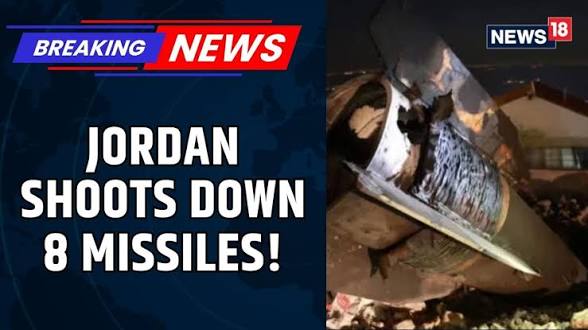
The Middle East witnessed another dramatic escalation after Jordan shot down several Iranian missiles that crossed into its airspace during a new wave of regional attacks. The incident comes amid expanding military operations involving Iran, the United States, and regional allies, raising fears that the conflict could spread beyond its current fronts.
Jordan’s military confirmed that its air defense systems intercepted multiple incoming missiles aimed toward the Azraq region, emphasizing that protecting the country’s sovereignty remains a top priority. No casualties or significant damage were reported, but the event highlights how neighboring countries are increasingly being drawn into the growing confrontation.
As military strikes continue across several countries, world leaders are urging restraint while financial markets, energy traders, and security experts closely monitor developments.
Jordan Intercepts Iranian Missiles
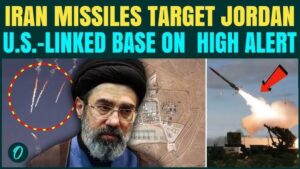
Jordan’s Armed Forces announced that air defense units successfully intercepted five Iranian missiles entering Jordanian airspace.
Military officials stated that:
- All incoming missiles were destroyed before reaching their intended area.
- Falling debris caused no casualties.
- Air defense systems remain on maximum alert.
- Jordan will continue protecting its borders against any unauthorized military activity.
The interceptions reportedly occurred near the Azraq area, home to important military facilities.
Jordan stressed that it is not participating in the broader conflict, but it will respond decisively to any violation of its airspace.
Why Were Iranian Missiles Flying Toward Jordan?
According to multiple reports, Iran launched another wave of missiles after renewed U.S. military strikes targeted Iranian military infrastructure.
Iran claimed its attacks were aimed at military installations connected to American operations in the region.
Jordan became involved because several missiles either:
- crossed its airspace,
- were directed toward military facilities nearby,
- or posed an immediate threat to civilian safety.
Jordan activated its air defense network and successfully intercepted the incoming projectiles before impact.
Conflict Continues to Expand Across the Middle East
The latest missile exchange reflects a widening regional crisis.
Recent developments include:
- Continued U.S. airstrikes on Iranian military targets.
- Iranian missile and drone attacks against locations linked to U.S. forces.
- Increased military readiness across Gulf nations.
- Growing concern about attacks affecting international shipping routes.
Military analysts say the conflict has evolved beyond isolated strikes into a broader regional security challenge involving several countries simultaneously.
Jordan’s Position in the Crisis
Jordan has historically maintained balanced diplomatic relations while cooperating closely with Western allies on regional security.
The government continues to emphasize:
- protection of national sovereignty,
- avoiding direct involvement in regional wars,
- defending civilian populations,
- maintaining regional stability.
Officials reiterated that any missile entering Jordanian airspace would be treated as a direct security threat regardless of its intended destination.
Rising Pressure on Regional Air Defenses
The latest interceptions demonstrate how modern missile warfare increasingly affects neighboring countries.
Several regional governments have strengthened:
- radar surveillance,
- missile interception systems,
- fighter aircraft patrols,
- emergency response coordination.
Security experts note that missile trajectories can cross multiple national borders even when neighboring states are not the intended targets.
As a result, countries like Jordan have invested heavily in integrated air defense capabilities over recent years.
U.S. Military Operations Continue
The missile interceptions followed reports of renewed American strikes targeting Iranian military assets.
According to officials, U.S. operations focused on degrading Iran’s military capabilities after recent attacks against American interests in the region.
The strikes reportedly targeted:
- military infrastructure,
- transportation links,
- logistical facilities,
- strategic support locations.
Iran has condemned these operations, describing them as violations of its sovereignty.
Iran Promises Further Responses
Iranian officials have indicated that military responses could continue if attacks on Iranian territory persist.
State media and military statements suggest Tehran considers recent actions part of a broader confrontation rather than isolated incidents.
Analysts warn this increases the risk of:
- additional missile launches,
- drone attacks,
- maritime confrontations,
- cyber operations.
The situation remains highly fluid with developments occurring daily.
Concerns Over Regional Stability
The growing number of military exchanges has alarmed governments across the Middle East.
Several countries are reportedly:
- reviewing emergency security plans,
- increasing military readiness,
- coordinating with allies,
- monitoring border activity.
Diplomatic efforts continue behind the scenes, although no comprehensive ceasefire appears imminent.
Global Reactions to the Escalation
The latest exchange of missiles has drawn concern from governments and international organizations around the world. Several countries have urged all parties to avoid further military escalation and return to diplomatic negotiations.
The United Nations called for restraint, warning that continued attacks could destabilize the entire Middle East. Gulf nations, many of which host U.S. military facilities, have increased their security readiness while emphasizing the need to protect civilians and critical infrastructure. Meanwhile, countries such as Turkey, Oman, and Qatar have continued diplomatic efforts aimed at reducing tensions between Washington and Tehran.
Impact on Global Oil Markets
One of the biggest concerns surrounding the conflict is its potential effect on global energy supplies.
The Middle East produces a significant portion of the world’s oil, and any disruption to production or shipping can quickly affect international markets. Following reports of renewed strikes, oil prices experienced increased volatility as traders assessed the possibility of further attacks on energy infrastructure.
Energy analysts warn that prolonged instability could result in:
- Higher crude oil prices
- Increased transportation costs
- Rising fuel prices for consumers
- Greater inflationary pressure on importing nations
Although energy exports have not completely halted, markets remain highly sensitive to developments in the region.
Strait of Hormuz Remains a Major Concern
The Strait of Hormuz remains one of the world’s most strategically important waterways.
Nearly one-fifth of global oil shipments pass through this narrow passage connecting the Persian Gulf to international waters. Military activity near the strait has prompted concerns about commercial shipping safety and global energy security.
Recent U.S. operations reportedly targeted Iranian military capabilities linked to threats against maritime navigation, while Iran accused the United States of escalating tensions in the Gulf. Any prolonged disruption could have far-reaching consequences for global trade.
Commercial Aviation on Alert
Airlines operating in the Middle East continue to monitor the evolving security situation.
Several carriers have adjusted flight routes to avoid areas considered high-risk. Aviation authorities are coordinating with governments to ensure passenger safety while minimizing disruptions to international travel.
Experts note that missile launches and military operations can temporarily close sections of regional airspace, leading to delays, rerouted flights, and higher operating costs for airlines.
Military Analysts Warn of Wider Regional Conflict
Defense experts believe the latest events demonstrate how quickly localized military actions can affect neighboring countries.
Jordan’s interception of Iranian missiles illustrates that even nations not directly participating in hostilities can become involved when projectiles cross their territory. Analysts warn that further retaliatory strikes could increase the likelihood of accidental escalation involving additional regional actors.
Diplomatic Efforts Continue
Despite the ongoing military exchanges, diplomatic channels remain active.
Regional mediators continue discussions aimed at restoring calm and preventing the conflict from expanding further. However, officials acknowledge that achieving a lasting ceasefire will require significant concessions from all sides.
International observers believe diplomacy remains the most viable path toward reducing tensions and preventing additional civilian and economic consequences.
What Happens Next?
Several possible scenarios could unfold in the coming weeks:
- Additional missile and drone exchanges between Iran and U.S.-aligned forces.
- Continued strengthening of regional air defense systems.
- Increased diplomatic pressure from international partners.
- Possible new sanctions or political measures.
- Further impacts on global energy markets if attacks continue.
The situation remains highly fluid, and developments are expected to evolve rapidly as governments assess their next steps.
Conclusion
Jordan’s decision to shoot down Iranian missiles underscores the growing complexity of the current Middle East crisis. While Jordan has reiterated that it is not a participant in the wider conflict, its actions demonstrate its commitment to defending national sovereignty and protecting its citizens.
As military operations expand across the region, the risks extend beyond the immediate battlefield. The conflict has implications for regional stability, global energy markets, international aviation, and diplomatic relations. With world leaders urging restraint, the coming days will be critical in determining whether tensions escalate further or renewed negotiations can help restore stability.
Frequently Asked Questions (FAQs)
1. Why did Jordan shoot down Iranian missiles?
Jordan intercepted the missiles after they entered its airspace, stating that it would defend its sovereignty and protect civilians from potential threats.
2. Were there any casualties in Jordan?
Jordanian authorities reported no deaths or significant injuries resulting from the intercepted missiles, although debris fell in some areas.
3. Why is Iran launching missiles?
Iran says its actions are in response to U.S. military strikes and are aimed at military-related targets in the region.
4. Is Jordan involved in the conflict?
Jordan maintains that it is not a party to the conflict but will respond to any violation of its airspace.
5. How does this affect oil prices?
The conflict has increased uncertainty in energy markets, contributing to fluctuations in global oil prices.
6. Why is the Strait of Hormuz important?
It is one of the world’s busiest oil shipping routes, carrying a substantial share of global petroleum exports.
7. Are international flights being affected?
Some airlines have rerouted flights to avoid conflict zones, although widespread disruptions vary depending on the security situation.
8. Could the conflict spread further?
Security experts warn that continued retaliation raises the risk of broader regional escalation involving additional countries.
9. What has the international community said?
Many governments and international organizations have called for restraint, de-escalation, and renewed diplomatic negotiations.
10. What should readers watch for next?
Key developments include any new military actions, diplomatic initiatives, changes in oil markets, and official statements from the countries involved.
How useful was this post?
Click on a star to rate it!
Average rating 0 / 5. Vote count: 0
No votes so far! Be the first to rate this post.
About the Author

usa5911.com
Administrator
Hi, I’m Gurdeep Singh, a professional content writer from India with over 3 years of experience in the field. I specialize in covering U.S. politics, delivering timely and engaging content tailored specifically for an American audience. Along with my dedicated team, we track and report on all the latest political trends, news, and in-depth analysis shaping the United States today. Our goal is to provide clear, factual, and compelling content that keeps readers informed and engaged with the ever-changing political landscape.