Middle East Tensions Soar: Top Iranian Negotiator Warns ‘You’ll Get HIT’
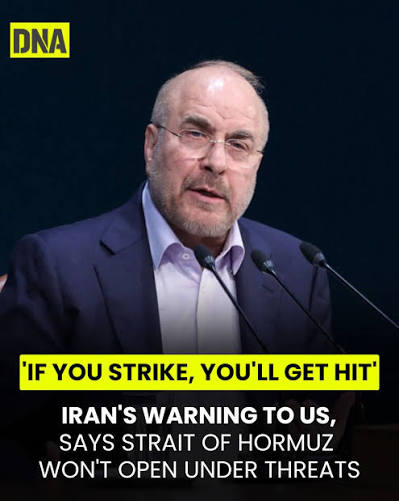
The Middle East tensions have escalated sharply once again after one of Iran’s most senior political figures and negotiators issued a direct warning to the United States, declaring, “If you strike, you’ll get hit.” The statement comes amid renewed military exchanges, growing diplomatic uncertainty, and fears that the fragile regional situation could spiral into a broader conflict involving multiple countries.
The latest warning reflects the increasingly hostile rhetoric between Washington and Tehran. While diplomatic channels remain open in some capacity, military developments and public statements from leaders on both sides have raised concerns among governments, energy markets, and international observers.
Middle East Tensions Reach a Dangerous Stage
The latest escalation follows renewed military operations targeting Iranian infrastructure and Iran’s subsequent retaliatory actions. Reports indicate that strikes and counter-strikes have occurred across several locations, significantly increasing fears of a prolonged confrontation.
Although tensions between the United States and Iran have persisted for decades, recent developments represent one of the most serious periods of confrontation in years. Security analysts warn that every new military action increases the risk of miscalculation, potentially drawing additional regional actors into the conflict.
The international community has repeatedly urged restraint, emphasizing that diplomacy remains the most effective path toward reducing instability.
Iranian Negotiator Issues Stark Warning
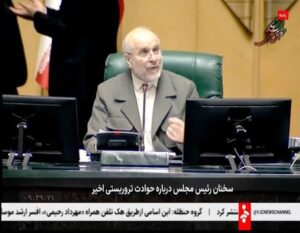
Iranian Parliament Speaker Mohammad Bagher Ghalibaf, who has also played a leading role in negotiations, delivered one of Tehran’s strongest public warnings yet.
According to his statement:
“If you strike, you’ll get hit.”
He also argued that what he described as American pressure and military threats would not force Iran to change its strategic position. Ghalibaf further stated that the Strait of Hormuz would operate under what he called “Iranian arrangements” rather than external pressure.
The remarks quickly attracted international attention because they suggest Iran intends to respond directly to any additional military action rather than limiting itself to diplomatic protests.
Why the Statement Matters
The warning carries significance for several reasons.
First, it demonstrates that Iranian leadership continues to project confidence despite increased military pressure.
Second, the statement signals that Tehran believes further attacks would invite immediate retaliation.
Third, the warning comes at a time when diplomatic negotiations remain uncertain, making military communication increasingly important.
Security experts often note that public warnings like these are intended both for domestic audiences and international governments. They serve as deterrent messages while also reinforcing political positions during negotiations.
Military Activity Continues Across the Region
Recent days have witnessed an increase in military operations involving missile launches, drone activity, and airstrikes.
According to multiple reports, Iran launched missiles and drones toward U.S.-linked military facilities in several Gulf countries following American strikes on Iranian targets. Regional air defense systems intercepted many incoming projectiles, although the exchanges underscored the growing risk of wider conflict.
Military officials across the region remain on heightened alert, while neighboring countries continue strengthening defensive measures.
Diplomatic Efforts Face Serious Challenges
Despite the harsh rhetoric, diplomatic engagement has not completely stopped.
Countries including Qatar, Oman, and Turkey have continued encouraging dialogue between the opposing sides. These nations have frequently acted as intermediaries during previous crises and remain interested in preventing a broader regional war.
However, the combination of military exchanges and increasingly confrontational public statements has made negotiations considerably more difficult.
Diplomatic observers believe rebuilding trust will require both sides to reduce military activity before meaningful talks can resume.
Global Markets React to Middle East Tensions
The ongoing Middle East tensions extend far beyond regional politics.
Investors are closely watching developments because the Middle East remains one of the world’s most important energy-producing regions.
Any disruption involving the Strait of Hormuz could affect global oil transportation. Roughly one-fifth of the world’s oil shipments normally pass through this strategic waterway, making stability there essential for international energy markets.
Whenever conflict intensifies near the Strait of Hormuz, oil prices frequently experience increased volatility due to concerns over potential supply disruptions.
International Calls for Restraint
Several governments and international organizations have urged all parties to avoid further escalation.
Diplomatic statements have emphasized:
- Preventing additional military strikes.
- Protecting civilian populations.
- Keeping international shipping routes open.
- Returning to diplomatic negotiations.
- Avoiding actions that could trigger a wider regional conflict.
World leaders continue stressing that military escalation benefits no side and increases risks for neighboring countries as well as the global economy.
Impact on Regional Security
Security experts warn that the present situation affects not only Iran and the United States but also Israel, Gulf nations, Iraq, Syria, Lebanon, and Jordan.
Many countries have strengthened military readiness while monitoring developments closely.
Commercial airlines have also adjusted certain flight paths because of regional security concerns, while shipping companies continue assessing risks associated with maritime operations.
The broader security environment remains highly unpredictable.
What Happens Next?
Several possible scenarios could emerge over the coming weeks.
The first possibility involves renewed diplomatic engagement that successfully reduces tensions.
Another scenario sees limited military exchanges continuing without expanding into a full-scale regional war.
The most concerning possibility would involve broader military operations drawing additional countries into direct confrontation.
At present, analysts caution against predicting any single outcome because events continue changing rapidly.
One factor remains clear: Middle East tensions have entered another critical phase, with every new development carrying significant regional and international implications.
U.S. Response to Iran’s Warning
U.S. officials have reiterated that the United States will defend its personnel, military bases, and allies in the Middle East. While Washington has emphasized that it does not seek a broader regional war, it has also warned that any attack on American forces would receive a decisive response.
The U.S. Department of Defense continues to monitor developments closely, with additional military assets positioned in the region to protect American interests and maintain freedom of navigation in international waters.
American officials have also continued working with regional partners to strengthen air defense systems and intelligence-sharing efforts amid the heightened security environment.
Iran’s Strategic Objectives
Iran maintains that its military posture is defensive and argues that it is responding to external threats. Tehran has consistently stated that sanctions, military pressure, and attacks on its territory will not force changes to its strategic policies.
The warning issued by senior Iranian negotiator Mohammad Bagher Ghalibaf reflects this broader position. By declaring, “If you strike, you’ll get hit,” Iranian leaders are signaling that future military actions against the country would likely be met with retaliation rather than restraint.
Political analysts believe such statements are intended to deter further attacks while reinforcing Iran’s domestic and international messaging.
Israel’s Role in the Growing Crisis
Israel remains one of the central actors in the current regional security situation. Israeli officials have repeatedly stated that they will take action if they believe Iran or Iranian-backed groups pose an immediate threat to Israeli security.
The long-running rivalry between Israel and Iran has fueled numerous regional confrontations over the years. As Middle East tensions continue to rise, security experts warn that any direct clash between the two nations could significantly increase the risk of a wider conflict involving neighboring countries.
Gulf Nations Remain on High Alert
Several Gulf countries are carefully monitoring the situation while strengthening security around critical infrastructure.
Governments in the region are particularly focused on:
- Protecting energy facilities.
- Securing international shipping routes.
- Preventing attacks on military installations.
- Maintaining economic stability.
- Supporting diplomatic efforts to reduce tensions.
Many Gulf nations have publicly called for restraint, emphasizing that regional stability is essential for economic growth and international trade.
Strait of Hormuz Remains a Global Concern
One of the biggest concerns arising from the latest Middle East tensions is the security of the Strait of Hormuz.
This narrow waterway is among the world’s most important energy corridors, with a significant share of global oil exports passing through it each day. Any disruption could affect fuel supplies, shipping costs, and energy prices worldwide.
Although commercial shipping continues, markets remain sensitive to any developments involving the Strait.
Impact on Global Oil Prices
Energy markets have reacted cautiously to the latest developments.
Historically, geopolitical instability in the Middle East has often led to higher oil prices because traders anticipate possible supply disruptions.
If Middle East tensions continue escalating, analysts expect:
- Increased volatility in crude oil prices.
- Higher transportation and shipping costs.
- Rising fuel prices in many countries.
- Greater uncertainty in global financial markets.
However, market movements will largely depend on whether diplomatic efforts succeed in preventing further military escalation.
International Community Calls for Diplomacy
Governments around the world continue urging both sides to avoid further confrontation.
The United Nations, European governments, and several regional mediators have emphasized the importance of dialogue over military action. Diplomatic efforts led by countries such as Oman and Qatar remain focused on reducing tensions and encouraging communication between the parties involved.
International observers believe that sustained diplomacy remains the best path toward preventing a broader regional conflict.
Expert Analysis
Security analysts note that the current situation is shaped by a combination of military deterrence, political messaging, and regional power dynamics.
Several factors will influence future developments:
- The willingness of all parties to engage in diplomacy.
- Whether further military strikes occur.
- The security of international shipping routes.
- Regional involvement by allied groups.
- Global diplomatic pressure for de-escalation.
While public statements have become increasingly confrontational, experts caution that rhetoric does not always translate into immediate military action.
What Could Happen Next?
Several possible outcomes remain under discussion among analysts.
The most optimistic scenario involves renewed diplomatic negotiations that reduce tensions and restore communication.
A second possibility is that limited military exchanges continue without expanding into a broader war.
The most serious scenario would involve additional countries becoming directly involved, increasing the risk of prolonged regional instability.
Because events continue evolving rapidly, governments and international organizations remain focused on crisis management and diplomatic engagement.
Conclusion
The latest warning from Iran’s senior negotiator has once again placed Middle East tensions at the center of global attention. Statements such as “If you strike, you’ll get hit” highlight the fragile security environment and the continuing risks facing the region.
While military preparedness remains high, diplomatic channels are still active, offering hope that further escalation can be avoided.
For now, the international community continues to watch developments closely, recognizing that decisions made in the coming days and weeks could have significant consequences not only for the Middle East but also for global energy markets, international trade, and geopolitical stability.
Frequently Asked Questions (FAQs)
1. Why are Middle East tensions increasing?
Tensions have risen due to military exchanges, political warnings, and ongoing disputes involving Iran, the United States, Israel, and other regional actors.
2. Who made the warning, “If you strike, you’ll get hit”?
The warning was made by Iranian Parliament Speaker Mohammad Bagher Ghalibaf, reflecting Iran’s position that it would respond to further military attacks.
3. Why is the Strait of Hormuz important?
The Strait of Hormuz is one of the world’s most important oil shipping routes, with a substantial portion of global crude oil exports passing through it.
4. Could these tensions affect global oil prices?
Yes. Increased instability in the Middle East can lead to oil price volatility because of concerns over potential supply disruptions.
5. Are diplomatic efforts still underway?
Yes. Several countries, including Oman and Qatar, continue supporting diplomatic initiatives aimed at reducing tensions and preventing a wider conflict.
6. Is a wider regional conflict inevitable?
Not necessarily. While the situation remains serious, diplomatic efforts are ongoing, and many governments are working to prevent further escalation.
7. What is the global significance of these developments?
The crisis affects international security, energy markets, global trade, and diplomatic relations, making it a matter of worldwide concern.
How useful was this post?
Click on a star to rate it!
Average rating 0 / 5. Vote count: 0
No votes so far! Be the first to rate this post.
About the Author

usa5911.com
Administrator
Hi, I’m Gurdeep Singh, a professional content writer from India with over 3 years of experience in the field. I specialize in covering U.S. politics, delivering timely and engaging content tailored specifically for an American audience. Along with my dedicated team, we track and report on all the latest political trends, news, and in-depth analysis shaping the United States today. Our goal is to provide clear, factual, and compelling content that keeps readers informed and engaged with the ever-changing political landscape.