Naval Fleet Alert: Military Deployment Tensions, Security Pressure, Global Reacts
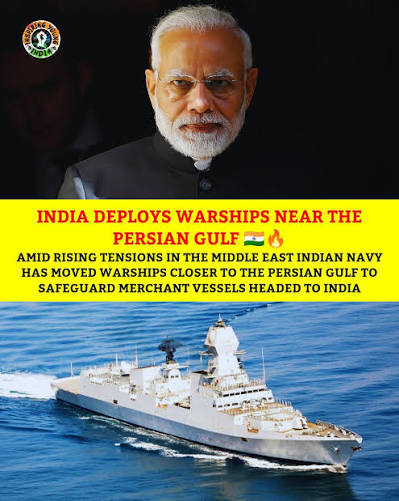
Global military tensions are once again dominating headlines as naval fleet deployments intensify across strategic waterways and conflict zones. From the Strait of Hormuz to the Arctic and the Indo-Pacific, governments are increasing maritime security operations amid fears of escalation, regional instability, and threats to global trade.
The phrase “Naval Fleet Alert” has become symbolic of the current geopolitical climate. Nations are reinforcing aircraft carrier groups, destroyers, submarines, and surveillance systems in response to growing security threats and rising diplomatic friction. Analysts believe the latest wave of military deployments could reshape international defense strategies for years to come.
Recent developments involving the United States, Iran, China, NATO, and regional allies have increased concerns about possible maritime confrontations. Several governments have issued warnings, emergency alerts, and travel advisories as military operations expand across sensitive shipping routes.
Why Naval Fleet Deployments Are Increasing
Military deployments at sea are often used as a show of force, deterrence strategy, or rapid response mechanism during periods of instability. In 2026, multiple crises have pushed naval powers into heightened readiness.
The biggest concern centers around the Middle East, especially the Strait of Hormuz. This narrow waterway handles a significant percentage of global oil transportation, making it one of the most strategically important maritime corridors in the world.
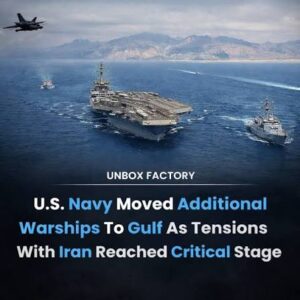
Reports indicate that the United States has expanded its naval presence near Iran with aircraft carrier strike groups and advanced fighter deployments. Analysts describe this buildup as one of the largest in the region in recent decades.
Iran has warned that any direct confrontation could trigger a broader regional conflict. Officials stated that military forces remain on “high alert” amid the growing concentration of foreign naval assets nearby.
At the same time, China has reportedly increased naval operations around key energy shipping lanes to protect its strategic interests and commercial supply chains.
The Strait of Hormuz Crisis Explained
The Strait of Hormuz remains at the center of global maritime concerns. The area has witnessed increased military patrols, drone interceptions, and naval surveillance missions over the past several months.
According to reports, the United States and allied forces expanded naval deployments following escalating tensions linked to Iran and regional instability.
Military analysts believe any disruption in the strait could trigger:
- Massive oil price increases
- Shipping delays
- Global energy shortages
- Insurance cost spikes
- Supply chain disruptions
Recent reports suggest shipping insurance costs have surged dramatically due to fears of attacks on commercial vessels.
Energy experts also warn that prolonged instability could place oil markets into a “red zone” during peak global demand periods.
US Naval Expansion and Military Readiness
The United States has significantly increased naval readiness in response to rising tensions. Reports mention the deployment of major aircraft carriers, destroyers, missile defense systems, and stealth fighter jets in strategic areas.
One major focus has been deterrence. Defense officials believe a visible military presence may discourage hostile actions and reassure allies concerned about regional security.
The deployment of the USS Gerald R. Ford and other carrier strike groups demonstrates how seriously the Pentagon views the evolving crisis.
Military experts note that aircraft carriers provide several strategic advantages:
- Rapid air power projection
- Missile defense support
- Intelligence gathering
- Maritime control
- Emergency response capability
At the same time, critics argue that such deployments risk increasing tensions rather than reducing them.
Iran’s Response to Growing Military Pressure
Iran has strongly criticized foreign naval deployments near its waters. Iranian officials argue that military buildups threaten regional stability and increase the risk of accidental conflict.
Reports indicate that Iran’s military leadership has elevated operational readiness levels and warned of severe consequences if attacks occur.
Iran also continues expanding drone and missile capabilities aimed at countering naval threats. Analysts believe Tehran’s strategy focuses on asymmetric warfare, where smaller, mobile systems can challenge larger naval fleets.
Recent incidents involving drones and tanker interceptions have increased fears of unintended escalation.
China’s Expanding Naval Influence
China’s growing naval activity reflects its broader geopolitical ambitions. Beijing has increased maritime operations in key trade corridors, especially those connected to energy imports.
Analysts suggest China views maritime security as essential for protecting global trade routes and maintaining economic stability.
Chinese officials have criticized military escalations that threaten international shipping and regional peace. Some reports also indicate that China opposes any blockade or aggressive naval action in the Strait of Hormuz.
At the same time, China continues modernizing its navy with:
- Advanced destroyers
- Aircraft carriers
- Anti-ship missile systems
- Surveillance technology
- Long-range naval aviation
This expansion has intensified strategic competition with the United States and NATO allies.
NATO and Arctic Naval Security
Naval tensions are not limited to the Middle East. NATO has also expanded operations in the Arctic due to rising geopolitical competition.
The Arctic region is becoming increasingly important because melting sea ice is opening new shipping routes and access to natural resources.
NATO’s “Arctic Sentry” initiative aims to strengthen surveillance and military readiness in the High North.
Military analysts believe future naval competition could intensify in the Arctic because of:
- Energy exploration
- Shipping access
- Territorial disputes
- Strategic military positioning
Russia and China are also increasing Arctic operations, creating another layer of global maritime competition.
Impact on Global Trade and Shipping
Naval tensions directly affect global commerce. Maritime shipping remains the backbone of international trade, meaning instability at sea can have worldwide consequences.
Security concerns have already caused:
- Increased freight costs
- Delayed cargo movement
- Higher insurance premiums
- Shipping reroutes
- Energy market volatility
Experts warn that any major military confrontation near strategic waterways could disrupt billions of dollars in daily trade.
Commercial shipping companies are now reassessing risk exposure across high-threat maritime regions.
Military Technology Changing Naval Warfare
Modern naval warfare is evolving rapidly. Today’s fleet operations involve advanced technologies beyond traditional warships.
Key technologies include:
Drone Warfare
Unmanned aerial and naval drones are increasingly used for surveillance, targeting, and maritime disruption.
Hypersonic Missiles
Several nations are developing missiles capable of traveling at extremely high speeds, making interception difficult.
Artificial Intelligence
AI systems are improving naval monitoring, logistics, and threat analysis.
Cyber Warfare
Naval systems are vulnerable to cyberattacks targeting communications, navigation, and infrastructure.
Satellite Surveillance
Space-based monitoring now plays a major role in fleet coordination and intelligence gathering.
Defense experts believe technological competition will define future maritime security strategies.
Global Reactions to Naval Fleet Alerts
Governments worldwide are closely monitoring the evolving situation. Several nations have called for restraint, diplomacy, and de-escalation.
International reactions vary depending on alliances and regional interests.
European Union
EU officials have urged caution and diplomatic solutions to prevent wider conflict.
Gulf States
Middle Eastern countries remain concerned about regional stability and economic security.
India
India continues strengthening maritime partnerships and naval readiness through international exercises and fleet cooperation.
NATO Allies
Western allies continue increasing maritime coordination in sensitive regions.
Global Markets
Financial markets remain sensitive to military developments affecting shipping lanes and oil supplies.
Social Media and Public Reaction
The phrase “Naval Fleet Alert” has gained traction across social media platforms as users debate the risk of wider conflict.
Public discussions focus on:
- Fear of escalation
- Oil price concerns
- Economic uncertainty
- Military preparedness
- Diplomatic failures
Many users have also shared footage of naval exercises, aircraft carriers, and military aircraft deployments online.
Some analysts believe digital media coverage can intensify public anxiety during geopolitical crises.
Could Diplomatic Talks Reduce Tensions?
Despite rising military deployments, diplomacy remains active behind the scenes.
International mediators continue encouraging negotiations between key regional players. Analysts believe diplomatic engagement remains the best path toward preventing escalation.
Possible diplomatic solutions include:
- Maritime security agreements
- Ceasefire arrangements
- Trade protection guarantees
- Naval communication channels
- Regional de-escalation talks
However, experts caution that military buildups can complicate negotiations if mistrust continues growing.
The Future of Global Maritime Security
The current wave of naval deployments may represent a long-term shift in global security strategy.
Military planners increasingly view maritime control as essential for:
- Economic protection
- Energy security
- Defense alliances
- Supply chain stability
- Strategic deterrence
Future naval competition is likely to intensify across several key regions:
- Strait of Hormuz
- South China Sea
- Arctic Ocean
- Eastern Mediterranean
- Indo-Pacific
As military technology advances and geopolitical rivalries deepen, naval fleet operations will remain central to international security policy.
Conclusion
The latest Naval Fleet Alert reflects a world facing growing geopolitical uncertainty and strategic competition. Military deployments across critical maritime regions highlight rising tensions involving major global powers.
From the Middle East to the Arctic, naval forces are being used to project power, protect trade routes, and deter potential threats. While governments continue calling for diplomacy, military readiness remains at historically high levels.
The coming months could prove critical for global maritime stability. Whether these deployments prevent conflict or increase the risk of escalation may depend largely on diplomatic efforts and international cooperation.
For now, the world continues watching the seas closely.
FAQs
What does “Naval Fleet Alert” mean?
A Naval Fleet Alert refers to heightened military naval activity or deployment in response to security threats, geopolitical tensions, or strategic operations.
Why is the Strait of Hormuz important?
The Strait of Hormuz is a key global shipping route used for transporting large amounts of the world’s oil and energy supplies.
Which countries are increasing naval deployments?
The United States, Iran, China, NATO allies, and several regional powers have increased maritime operations in response to rising tensions.
How do naval tensions affect global trade?
Naval instability can disrupt shipping routes, increase insurance costs, delay cargo deliveries, and raise energy prices worldwide.
What role does technology play in modern naval warfare?
Modern naval warfare uses drones, AI, cyber systems, hypersonic missiles, and satellite surveillance for defense and strategic operations.
Could naval tensions lead to a larger conflict?
Analysts warn that escalating military deployments could increase the risk of confrontation, although diplomatic efforts continue to reduce tensions.
How are global markets reacting?
Oil markets, shipping industries, and financial sectors remain highly sensitive to developments affecting maritime security and trade routes.
Why is the Arctic becoming strategically important?
Melting sea ice is opening new trade routes and resource opportunities, increasing military interest from global powers.
How useful was this post?
Click on a star to rate it!
Average rating 0 / 5. Vote count: 0
No votes so far! Be the first to rate this post.
About the Author

usa5911.com
Administrator
Hi, I’m Gurdeep Singh, a professional content writer from India with over 3 years of experience in the field. I specialize in covering U.S. politics, delivering timely and engaging content tailored specifically for an American audience. Along with my dedicated team, we track and report on all the latest political trends, news, and in-depth analysis shaping the United States today. Our goal is to provide clear, factual, and compelling content that keeps readers informed and engaged with the ever-changing political landscape.