MIDDLE EAST ARMAGEDDON: Trey Yingst broadcasts live from active combat zone
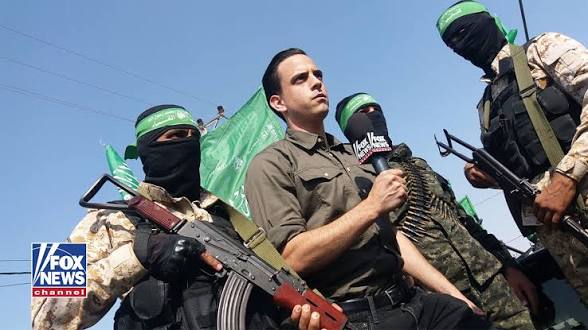
The Middle East remains on edge as military tensions, missile threats and expanding regional flashpoints continue to create a dangerous security environment.
Amid the escalating crisis, Fox News chief foreign correspondent Trey Yingst has continued providing frontline reporting from the region. His coverage has taken viewers close to some of the most important developments involving Iran, Israel, the United States, the Strait of Hormuz and Iran-backed forces.
Yingst is no stranger to reporting from dangerous environments. Fox News identifies him as its chief foreign correspondent and says he has led the network’s live coverage of the Iran war and the Israel-Hamas war from the region.
His reporting has also included access to U.S. military operations. In September, Yingst reported live from the USS George Washington in the Arabian Sea as American forces remained on alert amid tensions with Iran.
The result is a rapidly changing picture of a Middle East where military pressure, maritime security and diplomacy are becoming increasingly intertwined.
Trey Yingst Remains on the Front Lines of Middle East Coverage
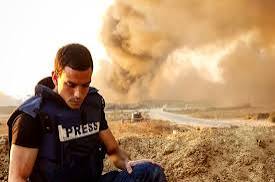
Yingst has built his reputation by reporting directly from conflict zones rather than relying exclusively on studio analysis.
Fox News says he joined the network in 2018 and has since covered major international conflicts, including the war in Ukraine, the withdrawal of U.S. forces from Afghanistan and the Israel-Hamas conflict.
His experience has become particularly important during the current Iran-related crisis.
In September, Yingst reported from the USS George Washington in the Arabian Sea. The report provided viewers with an unusual look at U.S. military operations and the aircraft carrier’s mission in the region.
That type of reporting gives audiences a closer view of the military dimension of the crisis.
Instead of seeing only satellite images or statements from government officials, viewers can see the environment surrounding deployed forces and hear directly about the risks facing personnel.
Why the Middle East Is So Dangerous Right Now
The present crisis is not confined to one battlefield.
Iran, Israel, the United States and Iran-backed groups are involved in a complicated network of military and political confrontations.
The Strait of Hormuz has become one of the most important pressure points.
The waterway is a critical route for global energy shipments. Any prolonged disruption can affect oil markets, shipping costs and economies far beyond the Middle East.
Recent reporting has also focused on the Red Sea and the Bab el-Mandeb, another strategic maritime passage.
Reuters reported on October 2 that Saudi Arabia was preparing a military offensive against Iran-backed Houthi militants in Yemen. The reported objective was to challenge Houthi control around the Bab el-Mandeb shipping route.
That development adds another layer to an already complicated regional crisis.
Iran and the Strait of Hormuz
The Strait of Hormuz remains particularly sensitive because of its importance to international energy markets.
CBS News reported that maritime traffic through the strait had fallen sharply during the U.S.-Iran confrontation, with shipping companies facing significant security concerns.
The situation demonstrates why developments in the region can quickly become global economic news.
A military confrontation around the waterway could affect energy prices, shipping insurance and international trade.
For journalists such as Yingst, this means military developments must be reported alongside their broader economic and geopolitical consequences.
Yingst Has Reported During Missile Attacks
Yingst’s frontline experience includes some extremely dangerous live broadcasts.
In March 2026, Fox News published footage of Yingst reporting live from Tel Aviv as Iranian missiles were intercepted over Israel. The broadcast occurred amid air raid sirens and active missile threats.
People magazine also reported that Yingst and his crew had scrambled for safety during a live broadcast after Iranian missiles were launched toward Tel Aviv in February.
Those incidents illustrate the risks associated with live conflict reporting.
A journalist in a war zone does not have the same protection as someone watching events from a studio. Conditions can change within seconds.
An apparently quiet street can suddenly become dangerous because of missile launches, airstrikes, artillery or other military activity.
What Makes Live War Reporting So Difficult?
Reporting from a conflict zone requires more than simply standing in front of a camera.
Journalists must constantly evaluate security risks while attempting to verify information.
That is especially difficult during periods of intense fighting.
Information can emerge from multiple sources at the same time. Governments may issue competing statements. Military officials may restrict details. Social media can spread unverified videos within minutes.
At the same time, journalists have to determine what is safe to broadcast.
Yingst has previously discussed the emotional and professional challenges of covering war.
His reporting from the Israel-Gaza conflict demonstrated the difficult balance between documenting events and protecting journalists working in dangerous environments.
The Expanding Regional Front
The current crisis is increasingly difficult to understand as a single conflict.
Instead, several interconnected fronts are developing.
Iran remains central to the confrontation.
Israel remains deeply involved in regional security operations.
The United States maintains significant military capabilities in the region.
Meanwhile, Iran-backed groups such as the Houthis can create additional pressure through attacks and threats against shipping.
That makes the Middle East crisis a network of connected security challenges.
Yemen Adds Another Major Risk
Developments in Yemen could become especially important.
According to Reuters, Saudi Arabia is preparing for a potential major campaign against the Houthis, with the objective of regaining control around the Bab el-Mandeb Strait.
The situation is significant because the Red Sea is one of the world’s major shipping corridors.
A conflict involving the Bab el-Mandeb could therefore have consequences similar to those surrounding the Strait of Hormuz.
Ships could face longer routes, higher insurance costs and increased security risks.
For global markets, that could mean higher transportation expenses and additional pressure on energy prices.
The U.S. Military Presence Raises the Stakes
The United States remains a major military actor in the region.
Yingst’s September reporting from the USS George Washington showed the scale of the American military presence in the Arabian Sea. Fox News said the carrier was operating amid heightened tensions and efforts to deter Iranian aggression.
American warships are particularly important because they provide the United States with capabilities for air defense, maritime security and rapid military response.
However, their presence can also increase the stakes.
Any direct attack on American forces could trigger a significant response.
That creates a delicate balance between deterrence and escalation.
Why Yingst’s Reporting Matters
Live reporting from conflict zones can provide information that is difficult to obtain from official statements alone.
A reporter on the ground can describe what people are experiencing, document visible damage and interview officials or witnesses.
Yingst has repeatedly worked in these environments.
Fox News says he has covered conflicts in Ukraine, Afghanistan, Israel and other parts of the Middle East.
His career also includes reporting from some of the region’s most sensitive locations.
That experience allows him to provide context when military developments happen rapidly.
However, viewers should still distinguish between verified facts, official claims and analysis.
During war, information can change quickly.
The Risk of a Wider Regional War
The biggest concern surrounding the current crisis is escalation.
A conflict involving Iran can potentially draw in multiple countries and armed groups.
An attack in one location can lead to retaliation somewhere else.
For example, a confrontation involving Iran and the United States could affect Israel, Gulf countries, Iraq, Syria, Lebanon or Yemen depending on how regional actors respond.
The maritime dimension adds another risk.
An attack on commercial shipping could bring pressure for international military escorts or retaliatory action.
That could create a cycle in which military deployments become increasingly difficult to reduce.
Energy Markets Are Watching Closely
The Middle East remains crucial to the global energy system.
The Strait of Hormuz is especially important because of the volume of oil and other energy products moving through the region.
Any sustained disruption could affect prices worldwide.
The consequences would not necessarily remain limited to oil.
Higher energy costs can increase transportation expenses, manufacturing costs and consumer prices.
That means a military crisis thousands of miles away can eventually affect households around the world.
This is one reason why Yingst’s reporting from the region attracts attention far beyond foreign-policy audiences.
Diplomacy Remains the Alternative to Escalation
Despite the military tensions, diplomacy remains a major part of the story.
The United States and Iran have previously been involved in discussions over the conflict and the Strait of Hormuz.
CBS News reported in August that negotiations had reached a difficult stage, with major disagreements remaining between Washington and Tehran.
Diplomatic engagement is important because military pressure alone can create unpredictable consequences.
A negotiated agreement could potentially reduce tensions, reopen maritime routes and lower the risk of further attacks.
However, reaching such an agreement requires both sides to accept difficult compromises.
What Could Happen Next?
Several scenarios remain possible.
The first is continued confrontation without a dramatic expansion of the conflict.
In this scenario, military pressure continues while diplomatic channels remain open.
The second possibility is a wider regional escalation.
That could happen if attacks against American, Israeli or Gulf targets increase.
A third possibility involves maritime disruption.
If the Strait of Hormuz or Bab el-Mandeb becomes increasingly dangerous, international governments may increase naval deployments to protect shipping.
Finally, diplomatic negotiations could produce a temporary reduction in tensions.
The situation remains fluid, making reliable reporting particularly important.
Trey Yingst’s Role in a Fast-Moving Crisis
Yingst’s role is significant because he is reporting from a region where developments can change rapidly.
Fox News has described him as its chief foreign correspondent, and his recent coverage includes the Iran conflict, U.S. military operations and regional security developments.
His previous experience in war zones also means that he understands the dangers involved in frontline reporting.
But the dramatic nature of live broadcasts should not overshadow the importance of verification.
War journalism carries a major responsibility.
Reports must distinguish between what has been confirmed, what officials claim and what remains uncertain.
The Human Cost Behind the Headlines
Beyond missiles, warships and military strategy, there is always a human dimension.
People living in conflict zones face fear, displacement and uncertainty.
Families may be forced to leave their homes.
Civilians can become trapped between military operations and political decisions.
Journalists reporting from these environments are therefore documenting more than military hardware.
They are recording the experiences of people living through extraordinary circumstances.
That is one of the most important functions of frontline journalism.
Conclusion: A Region on the Edge
The phrase “Middle East Armageddon” captures the fear surrounding a crisis that could potentially expand across multiple fronts.
However, the situation should not be reduced to sensational headlines.
The facts show a complicated regional security environment involving Iran, Israel, the United States, Yemen, Saudi Arabia and major international shipping routes.
Trey Yingst has remained one of the prominent journalists covering these developments. His previous live reports from Tel Aviv during missile attacks and his reporting from the USS George Washington demonstrate the dangerous environments in which he has worked.
The immediate question is whether military pressure will produce deterrence or further escalation.
For now, the Middle East remains highly volatile.
As Yingst and other correspondents continue reporting from the region, viewers will be watching for signs of new attacks, diplomatic breakthroughs, changes around the Strait of Hormuz and developments involving Iran-backed forces.
The next major development could have consequences far beyond the battlefield.
FAQs
Who is Trey Yingst?
Trey Yingst is Fox News’ chief foreign correspondent. He joined Fox News in 2018 and has reported from several international conflict zones, including Israel, Ukraine and Afghanistan.
Is Trey Yingst reporting from the Middle East?
Yes. Fox News’ current correspondent profile shows Yingst continuing to cover the Iran conflict and wider Middle East developments. His recent assignments have included reporting from the region and from the USS George Washington in the Arabian Sea.
Has Trey Yingst reported live during missile attacks?
Yes. Fox News published a March 2026 report showing Yingst broadcasting live from Tel Aviv while Israeli defenses intercepted Iranian missiles.
Why is the Strait of Hormuz important?
The Strait of Hormuz is a major international energy-shipping route. Disruption there can affect oil supplies, shipping costs and global markets.
What is the Bab el-Mandeb Strait?
The Bab el-Mandeb is a strategic waterway connecting the Red Sea with the Gulf of Aden. Its security is important for international shipping between Europe, Asia and the Middle East.
Are the Houthis involved in the current regional crisis?
Yes. The Iran-backed Houthi movement remains a major factor in regional security. Recent reporting has focused on Saudi preparations for a potential offensive against Houthi forces in Yemen.
Why is U.S. military involvement important?
The United States maintains significant military capabilities in the Middle East. American forces can play a role in protecting shipping, deterring attacks and responding to threats against U.S. personnel or allies.
Could the conflict become a wider regional war?
It is possible, although the exact outcome is uncertain. The involvement of multiple countries and armed groups means that an attack on one front could potentially trigger responses elsewhere.
Why is frontline journalism important during a war?
Frontline journalists can provide direct observations, interviews and visual evidence from areas affected by conflict. Their work can help audiences understand developments that may not be clear from official statements alone.
What should readers watch next?
Key developments include the security of the Strait of Hormuz and Bab el-Mandeb, U.S.-Iran diplomacy, Israeli military activity, Houthi operations and any attacks involving American forces.
How useful was this post?
Click on a star to rate it!
Average rating 0 / 5. Vote count: 0
No votes so far! Be the first to rate this post.
About the Author

usa5911.com
Administrator
Hi, I’m Gurdeep Singh, a professional content writer from India with over 3 years of experience in the field. I specialize in covering U.S. politics, delivering timely and engaging content tailored specifically for an American audience. Along with my dedicated team, we track and report on all the latest political trends, news, and in-depth analysis shaping the United States today. Our goal is to provide clear, factual, and compelling content that keeps readers informed and engaged with the ever-changing political landscape.