Kat Abughazaleh Case: Broadview Controversy, Online Backlash, Internet Reacts
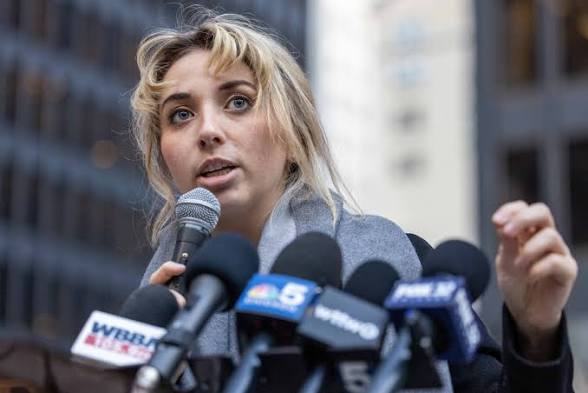
The political and social media storm surrounding Kat Abughazaleh has become one of the most discussed internet controversies tied to protest activism, immigration politics, and online polarization in recent months. What started as demonstrations outside the Broadview ICE facility near Chicago quickly evolved into a national political debate involving criminal charges, free speech concerns, viral videos, and fierce reactions across social media platforms.
Supporters describe the situation as a politically motivated crackdown on protest activity. Critics argue the demonstrations crossed legal boundaries and escalated tensions around immigration enforcement. The controversy generated millions of views online, triggered heated arguments on Reddit, TikTok, X, YouTube, and Instagram, and transformed Abughazaleh into a lightning rod for internet culture wars.
The “Broadview Six” case especially intensified attention after prosecutors filed conspiracy-related charges connected to protests outside the ICE detention facility in Broadview, Illinois. Months later, federal prosecutors unexpectedly moved to drop key conspiracy allegations, dramatically shifting the narrative again.
This article explains the full timeline, the legal controversy, the online backlash, and why the internet reacted so strongly.
Who Is Kat Abughazaleh?

Kat Abughazaleh is a political commentator, journalist, and congressional candidate who first gained online popularity through social media commentary and media criticism videos. She became widely known for criticizing conservative media figures and discussing political misinformation online.
Her social media following grew rapidly because of short-form political videos on TikTok, YouTube, and other platforms. By 2025 and 2026, she had become a recognizable progressive political personality with a large Gen Z audience online.
The Broadview controversy dramatically increased public attention around her campaign and political activism.
What Happened at the Broadview ICE Facility?
The controversy centers around protests outside an ICE processing and detention facility in Broadview, Illinois. Demonstrators gathered to oppose immigration enforcement policies and what activists described as aggressive detention tactics connected to federal immigration operations.
Videos from the protests spread rapidly online after showing clashes between protesters and federal agents. One viral clip showed Abughazaleh being thrown to the ground during a confrontation with ICE officers. The footage became a major political flashpoint online.
Supporters argued the video demonstrated excessive force by federal authorities. Critics claimed protesters intentionally escalated tensions around the facility.
The incident quickly became national political content on TikTok, Reddit, YouTube, and X, where clips and commentary generated massive engagement.
The “Broadview Six” Charges Explained
Federal prosecutors later indicted multiple individuals linked to the protests in what became known online as the “Broadview Six” case.
Authorities alleged protesters interfered with federal agents and damaged government property during demonstrations. According to reports, the indictment included conspiracy allegations and accusations that protesters impeded officers outside the facility.
Abughazaleh denied wrongdoing and described the prosecution as politically motivated. Her supporters argued the charges threatened protest rights and free speech protections.
The case rapidly transformed from a local protest incident into a national online political battle.
Why the Internet Reacted So Strongly
The controversy exploded online because it combined several highly emotional political issues at once:
- Immigration enforcement
- Protest rights
- Police and federal force
- Social media activism
- Progressive politics
- Viral protest footage
- Election-year political narratives
This combination made the case ideal for internet outrage cycles.
Supporters framed Abughazaleh as a young progressive activist targeted for speaking out against ICE policies. Critics argued activists attempted to turn unlawful conduct into political theater.
The debate became deeply polarized.
TikTok and Social Media Amplification
TikTok played a major role in turning the Broadview incident into a viral political story. Short clips showing confrontations with officers spread rapidly among younger audiences.
Many creators reposted edited footage, reaction videos, and commentary threads discussing:
- Protest legality
- Federal enforcement tactics
- Civil liberties
- Immigration politics
- Political extremism
The algorithm-driven nature of short-form video content helped amplify emotional reactions on both sides.
Some videos portrayed Abughazaleh as a symbol of resistance against government overreach. Others accused activists of deliberately provoking confrontations for online attention.
The internet’s reaction reflected broader divisions in American political culture.
Reddit Discussions and Online Polarization
Reddit discussions about the case became especially heated. Threads debating the indictment attracted strong reactions from progressive activists, conservatives, moderates, and legal commentators alike.
Common arguments online included:
Supporters Said:
- The prosecution threatened free speech
- Protest rights were being undermined
- ICE used excessive force
- The case was politically motivated
- Viral footage supported protesters’ claims
Critics Said:
- Protesters crossed legal boundaries
- Federal property and officers were obstructed
- Social media activism encouraged escalation
- Political influencers should face accountability
- The protests became performative
The arguments often spread beyond the facts of the case into larger ideological battles about activism and government authority.
Prosecutors Drop Major Charges
One of the biggest developments came when federal prosecutors announced plans to drop the central conspiracy charge against remaining defendants in the Broadview Six case.
That move significantly reduced potential penalties and changed public discussion surrounding the case.
Reports stated that prosecutors shifted the matter from a major felony-focused prosecution toward lower-level allegations connected to impeding federal agents.
The decision triggered another wave of internet reaction.
Supporters claimed the dropped charges proved the original prosecution was excessive or politically motivated. Critics argued reduced charges did not mean protesters were innocent.
The online debate intensified again.
How Political Influencers Shape Internet Narratives
The controversy also highlighted the growing influence of political creators and internet personalities.
Modern political activism increasingly operates through:
- TikTok clips
- Livestreams
- YouTube commentary
- Viral protest footage
- Meme culture
- Online fundraising
- Social media campaigns
Abughazaleh’s large digital audience meant every development in the case instantly became online content.
This reflects a broader trend where political conflicts now unfold simultaneously in:
- Courts
- Traditional news media
- Social media algorithms
Public opinion is often shaped less by legal documents and more by viral clips, emotional storytelling, and influencer commentary.
The Role of Viral Protest Videos
The Broadview controversy demonstrates how modern protest movements are heavily shaped by smartphone footage and algorithm-driven engagement.
Short clips rarely show complete context, yet they strongly influence public reactions.
Online audiences often form instant conclusions based on:
- Emotional imagery
- Edited videos
- Captions
- Influencer framing
- Political identity
In the Broadview case, viral footage became more influential than detailed legal arguments for many viewers.
That dynamic fueled both support and backlash.
Political Impact of the Case
The case also affected broader political discussions around:
- ICE enforcement
- Progressive activism
- Democratic Party divisions
- Protest strategy
- Federal prosecutions
Some progressive activists rallied around Abughazaleh as a symbol of resistance against immigration crackdowns.
Others worried the controversy could distract from broader policy goals or alienate moderate voters.
Meanwhile, conservative commentators used the case to criticize activist culture and progressive protest tactics.
The result was a highly polarized national conversation.
Media Coverage and Public Perception
Media coverage varied widely depending on political perspective.
Some outlets emphasized:
- Civil liberties
- Protest rights
- Alleged government overreach
Others focused on:
- Federal charges
- Protest conduct
- Public safety concerns
This split coverage contributed to public confusion and competing narratives online.
The internet amplified those divisions further.
Why the Story Continued Trending
The controversy remained highly visible online because it contained all the ingredients of viral political discourse:
- Emotional video clips
- Young political influencers
- Protest imagery
- Federal authorities
- Criminal charges
- Free speech debates
- Immigration politics
- Election-year tensions
Each legal development reignited online debate.
The dropping of conspiracy charges especially created a second wave of viral reactions across political communities online.
The Bigger Conversation About Online Activism
The Kat Abughazaleh case reflects a larger shift in how political activism works in the digital age.
Modern protests are no longer only physical events. They are also:
- Media events
- Algorithmic events
- Branding events
- Internet culture moments
Political figures now operate simultaneously as activists, influencers, and content creators.
This creates new tensions between:
- Advocacy and performance
- Journalism and activism
- Protest and publicity
- Legal reality and viral narratives
The Broadview controversy became a major example of those dynamics.
Public Reaction Remains Divided
Even after major charges were dropped, public opinion remained sharply divided.
Supporters continue to view Abughazaleh as:
- A free speech advocate
- A progressive activist
- A target of political prosecution
Critics continue to argue:
- Protest boundaries were crossed
- Online activism intensified conflict
- Viral narratives distorted facts
The controversy demonstrates how modern internet discourse often leaves little middle ground.
Conclusion
The Kat Abughazaleh case evolved from a local protest confrontation into a nationally debated internet controversy involving activism, immigration politics, protest rights, and social media culture.
The Broadview Six prosecution, viral protest footage, and later decision to drop major conspiracy charges all fueled intense online debate.
For supporters, the controversy became a symbol of political resistance and civil liberties concerns. For critics, it raised questions about protest tactics, online activism, and accountability.
Regardless of political perspective, the case shows how quickly modern political conflicts can spread across the internet and transform into national culture-war flashpoints.
As social media continues shaping political narratives, cases like this will likely remain central to debates about activism, free speech, and online influence in America.
FAQs
Who is Kat Abughazaleh?
Kat Abughazaleh is a political commentator, journalist, and congressional candidate known for progressive political content and social media activism.
What is the Broadview controversy?
The controversy involves protests outside an ICE detention facility in Broadview, Illinois, where clashes between demonstrators and federal agents led to criminal charges and major online debate.
What were the Broadview Six charges?
Federal prosecutors accused several protesters of conspiracy and interfering with federal agents during demonstrations outside the ICE facility.
Were charges dropped in the case?
Yes. Prosecutors later moved to drop major conspiracy charges against remaining defendants in the Broadview Six case.
Why did the internet react so strongly?
The controversy combined immigration politics, protest activism, viral videos, social media influencers, and free speech debates, making it highly polarizing online.
Did viral videos influence public opinion?
Yes. Clips from the protests spread widely across TikTok, Reddit, X, and YouTube, heavily shaping public reactions and political narratives.
Is the case connected to immigration protests?
Yes. The demonstrations were tied to opposition against ICE operations and immigration enforcement policies.
How useful was this post?
Click on a star to rate it!
Average rating 0 / 5. Vote count: 0
No votes so far! Be the first to rate this post.
About the Author

usa5911.com
Administrator
Hi, I’m Gurdeep Singh, a professional content writer from India with over 3 years of experience in the field. I specialize in covering U.S. politics, delivering timely and engaging content tailored specifically for an American audience. Along with my dedicated team, we track and report on all the latest political trends, news, and in-depth analysis shaping the United States today. Our goal is to provide clear, factual, and compelling content that keeps readers informed and engaged with the ever-changing political landscape.