TSA Gold+ Launch: Airport Security Upgrade, Travel Screening Changes
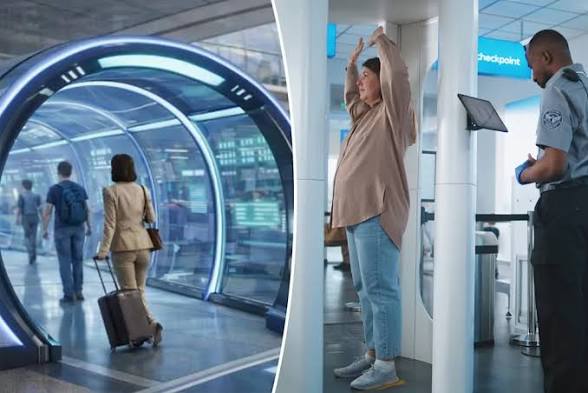
The Transportation Security Administration, better known as the Transportation Security Administration, has officially launched a major new initiative called TSA Gold+. The program is already generating nationwide discussion because it could dramatically reshape how airport security works in the United States.
Travelers across America have experienced long security lines, staffing shortages, delayed screenings, and increased airport congestion in recent years. In response, TSA Gold+ aims to modernize screening systems, improve efficiency, and introduce more private-sector participation into airport operations.
The new initiative is not a paid membership like TSA PreCheck or CLEAR. Instead, TSA Gold+ is a public-private partnership program designed to help airports improve security technology, staffing flexibility, and operational resilience.
For millions of passengers, this airport security upgrade could eventually mean faster screening lanes, shorter wait times, improved baggage scanning systems, and more efficient passenger movement. However, critics warn that expanding privatization inside airport checkpoints may create concerns around accountability, security consistency, and workforce protections.
Here is everything travelers need to know about the TSA Gold+ launch and how it could affect future air travel.
What Is TSA Gold+?

TSA Gold+ is a newly launched aviation security modernization initiative introduced by the TSA in 2026. The program expands the existing Screening Partnership Program (SPP), which already allows certain airports to use private contractors for passenger screening under federal oversight.
Under the new Gold+ model, participating airports may receive:
- Private-sector staffing support
- Advanced security screening technology
- Equipment maintenance services
- Faster procurement processes
- Enhanced operational flexibility
The TSA says the program is intended to create a “transformative upgrade” for airport security while still maintaining federal security standards and oversight.
Unlike traditional TSA operations, where most equipment and staffing decisions are managed directly through federal systems, TSA Gold+ gives airports and private contractors more flexibility to introduce modern technology and localized operational improvements.
Why TSA Gold+ Was Created
The launch of TSA Gold+ comes after several major disruptions affected U.S. airports in recent years.
During federal funding disputes and government shutdowns, airports experienced severe staffing shortages and extremely long security lines. Reports indicated that some travelers waited several hours to pass through checkpoints during the worst disruptions.
TSA leadership has argued that relying entirely on congressional funding creates vulnerabilities in airport security operations. The agency believes public-private partnerships could help stabilize operations during political or financial disruptions.
The agency also wants to accelerate the rollout of new screening technology. Current federal procurement systems can take years or even decades to fully modernize airport equipment nationwide. TSA Gold+ seeks to shorten those timelines significantly.
How TSA Gold+ Changes Airport Security
The biggest change under TSA Gold+ is the expanded role of private companies in airport screening operations.
Currently, most U.S. airports use federal TSA officers. Under the existing Screening Partnership Program, only about 20 airports use private contractors supervised by the TSA.
TSA Gold+ expands this concept further by allowing private partners to manage not only staffing but also technology procurement, maintenance, and innovation.
Key expected changes include:
Faster Security Lines
The TSA says the program could help reduce checkpoint congestion through better staffing management and modernized screening systems.
Advanced Screening Technology
Participating airports may gain access to newer CT scanners, AI-assisted detection systems, biometric verification tools, and upgraded baggage screening equipment faster than under traditional federal procurement cycles.
More Operational Flexibility
Airports may tailor checkpoint operations to their own traffic patterns and passenger volumes instead of relying entirely on standardized federal systems.
Reduced Impact During Government Shutdowns
Because private contractors are not directly dependent on congressional payroll funding, airports operating under Gold+ may experience fewer disruptions during federal shutdowns.
TSA Gold+ Is Not TSA PreCheck
Many travelers initially confused TSA Gold+ with a premium traveler membership program.
However, TSA Gold+ is completely different from services like:
- TSA PreCheck
- CLEAR
- Global Entry
TSA Gold+ is not a subscription service for passengers. Travelers cannot currently pay to join TSA Gold+ directly.
Instead, it is an operational framework for airports and security contractors. Any benefits for passengers would come indirectly through improved screening efficiency and upgraded technology.
Which Airports Could Join TSA Gold+?
At the moment, no major airports have officially announced full TSA Gold+ implementation. However, several airports are reportedly exploring the possibility.
Airports already participating in the Screening Partnership Program may become early candidates for expansion.
Examples include:
- San Francisco International Airport
- Kansas City International Airport
- Orlando Sanford International Airport
According to reports, officials at Hartsfield-Jackson Atlanta International Airport are also studying whether to adopt aspects of the program.
Meanwhile, airports facing rapid passenger growth may see TSA Gold+ as an opportunity to modernize faster without waiting years for federal upgrades.
Technology Upgrades Travelers May Notice
One of the most significant goals of TSA Gold+ is accelerating technology deployment.
Travelers may eventually notice several improvements at airport checkpoints.
Biometric Screening
Facial recognition systems and automated identity verification may become more common.
Faster Bag Scanning
New CT scanners may allow travelers to leave laptops and liquids inside carry-on bags more frequently.
AI-Assisted Detection
Artificial intelligence tools could help identify prohibited items more efficiently while reducing false alarms.
Automated Security Gates
Some airports are already experimenting with e-gates and touchless checkpoint systems designed to speed up passenger movement.
Concerns and Criticism Around TSA Gold+
While many industry leaders support modernization efforts, TSA Gold+ has also sparked criticism.
Labor unions representing TSA workers argue that privatization could weaken accountability and reduce worker protections.
Critics also warn that inconsistent private operations across airports could create uneven security standards.
Some online discussions have raised concerns about:
- Profit-driven decision-making
- Reduced transparency
- Lower wages for contract workers
- National security risks
- Overreliance on automation
Public reactions on social media and forums have been sharply divided.
Supporters argue that private partnerships can improve efficiency without compromising federal oversight. Opponents fear that airport security should remain fully government-controlled because of its national security importance.
Could TSA Gold+ Reduce Wait Times?
One of the biggest promises behind TSA Gold+ is shorter security lines.
Long checkpoint delays have become a major frustration for travelers, especially during holidays and peak travel periods. The TSA believes that combining private-sector flexibility with modern technology can improve throughput and reduce congestion.
However, the actual impact will likely vary by airport.
Some experts believe major hub airports could benefit significantly from upgraded equipment and more flexible staffing. Others caution that large-scale operational changes may take years before travelers notice consistent improvements.
The Political Debate Around TSA Gold+
The TSA Gold+ launch has quickly become part of a broader political discussion about privatization and federal operations.
Supporters of expanded private-sector involvement argue that the federal government often moves too slowly to modernize critical infrastructure. They believe public-private partnerships can deliver innovation faster and more efficiently.
Critics argue that airport security is too important to outsource extensively. They point to concerns about oversight, training consistency, and accountability during emergencies.
The debate may intensify as more airports consider whether to participate in the program.
What Travelers Should Expect Next
For now, most travelers will not notice immediate changes at airport checkpoints.
TSA Gold+ is still in the early stages of implementation, and airport participation remains voluntary. The TSA is continuing discussions with airports, contractors, and aviation stakeholders.
However, over the next few years, passengers could begin seeing:
- More automated screening systems
- Expanded biometric verification
- Faster baggage scanning
- Reduced checkpoint bottlenecks
- New checkpoint layouts
- Improved operational resilience
If the program succeeds, TSA Gold+ could become one of the largest airport security transformations since the TSA itself was created after the September 11 attacks.
Will TSA Gold+ Affect International Travelers?
International travelers may also experience indirect benefits from TSA Gold+ upgrades.
Improved passenger flow, biometric verification, and faster screening technology could help airports process international arrivals and departures more efficiently.
However, customs and immigration procedures operated by U.S. Customs and Border Protection would remain separate from TSA Gold+.
TSA Gold+ and the Future of Air Travel
The launch of TSA Gold+ signals a broader shift in how governments and airports approach aviation security.
Rather than relying entirely on federal staffing and procurement systems, the TSA is exploring hybrid models that combine government oversight with private-sector innovation.
This approach reflects growing pressure to modernize aging airport infrastructure while handling increasing passenger volumes.
According to aviation analysts, airport traffic is expected to continue rising sharply over the next decade. That means faster screening systems and more efficient checkpoint operations may become essential rather than optional.
Whether TSA Gold+ becomes a long-term success will depend on several factors:
- Airport adoption rates
- Technology performance
- Security outcomes
- Passenger satisfaction
- Political support
- Workforce stability
For travelers, the most important question remains simple: will airport security finally become faster and less stressful?
The TSA believes Gold+ is part of the answer.
FAQs About TSA Gold+
What is TSA Gold+?
TSA Gold+ is a new airport security modernization initiative launched by the TSA in 2026. It expands public-private partnerships in airport screening operations.
Is TSA Gold+ the same as TSA PreCheck?
No. TSA Gold+ is not a passenger membership program. It is an operational framework for airports and security contractors.
Will TSA Gold+ make airport lines shorter?
The TSA says the program is designed to reduce wait times through better technology and staffing flexibility.
Which airports use TSA Gold+?
No airports have fully implemented the program yet, but airports already participating in the Screening Partnership Program may become early adopters.
Does TSA Gold+ privatize airport security?
The program expands private-sector involvement, but the TSA says federal oversight and security standards will remain in place.
Will travelers pay extra for TSA Gold+?
Currently, travelers do not pay for TSA Gold+. The program operates between airports, contractors, and the TSA.
What technologies will TSA Gold+ use?
Potential technologies include biometric screening, AI-assisted detection, CT scanners, automated gates, and advanced baggage systems.
Why is TSA Gold+ controversial?
Critics worry about privatization, accountability, worker protections, and security consistency across airports.
Could TSA Gold+ affect international travel?
Indirectly, yes. Faster checkpoint operations may improve passenger flow for international travelers.
When will travelers start seeing changes?
Most airports have not yet implemented the system, so widespread visible changes may take time.
How useful was this post?
Click on a star to rate it!
Average rating 0 / 5. Vote count: 0
No votes so far! Be the first to rate this post.
About the Author

usa5911.com
Administrator
Hi, I’m Gurdeep Singh, a professional content writer from India with over 3 years of experience in the field. I specialize in covering U.S. politics, delivering timely and engaging content tailored specifically for an American audience. Along with my dedicated team, we track and report on all the latest political trends, news, and in-depth analysis shaping the United States today. Our goal is to provide clear, factual, and compelling content that keeps readers informed and engaged with the ever-changing political landscape.