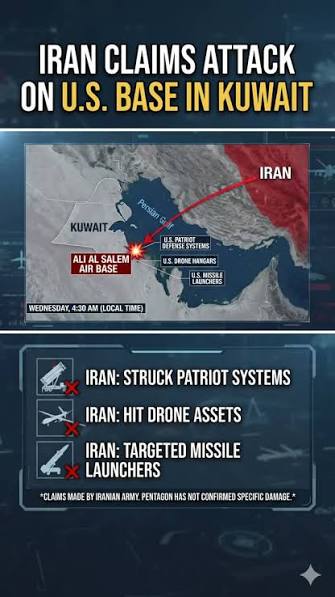
The Middle East conflict has entered another dangerous phase after Iran claimed that its military drones targeted American military installations at a major airbase in Kuwait. The reported operation focused on US Patriot air defense systems and drone and missile launch platforms at Ali Al Salem Air Base.
The announcement came as Kuwait confirmed that its air defenses were responding to hostile drone threats over its territory. The incident has raised fresh concerns about the security of American military facilities across the Persian Gulf and the possibility of a wider confrontation between Iran and the United States.
According to Iranian military statements carried by state media, the drones targeted military equipment belonging to US forces stationed at the Kuwaiti base. However, Kuwait has not independently confirmed that Patriot systems were damaged or destroyed.
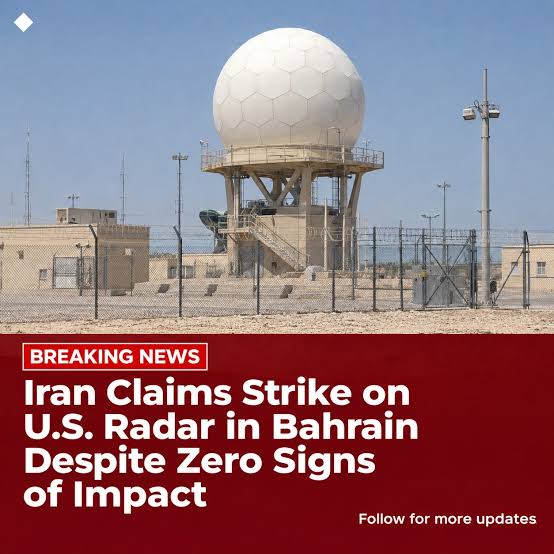
The reported attack followed American strikes against an Iranian missile launch site on Qeshm Island. Those strikes came after Iran claimed to have targeted an American radar installation in Bahrain.
These developments demonstrate how quickly the conflict can spread beyond Iran’s borders. They also highlight the growing importance of air defense systems, military bases, and regional alliances in the continuing confrontation.
taipeitimes.com+3
Iran Attacks Kuwait Airbase With Military Drones
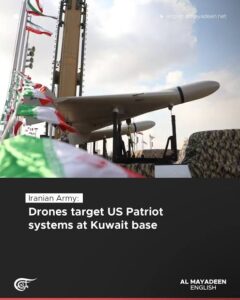
Iran’s military announced on Wednesday, November 18, that its drones had targeted American military installations at Ali Al Salem Air Base in Kuwait.
The Iranian Army claimed that the operation focused on several important military assets, including Patriot air defense systems and platforms used to launch drones and missiles.
The statement was broadcast through Iranian state media. Tehran presented the operation as part of its response to American military actions against Iranian territory.
Ali Al Salem Air Base is an important military installation in Kuwait. It supports American military operations and serves as a logistical hub for forces operating across the Middle East.
The location makes it strategically important during the current conflict. Any successful attack against military equipment stationed there could affect regional security calculations.
However, it is important to distinguish between Iran’s claims and independently verified damage.
Kuwait’s military confirmed that its air defense systems were responding to hostile drone threats. It did not publicly confirm that Iranian drones had destroyed or damaged American Patriot batteries.
A US defense official also indicated that the Iranian attacks had not impacted American interests, according to reporting by Stars and Stripes.
Therefore, the reported targeting of Patriot systems should not automatically be interpreted as confirmation that those systems were destroyed.
m.aa.com.tr+2
Why Ali Al Salem Air Base Is Important to the US Military
Ali Al Salem Air Base occupies an important position in America’s military presence in the Persian Gulf.
The installation supports air operations, transportation, logistics, and the movement of military personnel and equipment.
Its geographical location allows American forces to support operations across several parts of the Middle East.
Kuwait has maintained a significant defense relationship with Washington for decades. American troops operate from multiple installations in the country, including Ali Al Salem Air Base and Camp Arifjan.
These facilities help the United States maintain its regional military presence and coordinate operations with allied governments.
The base is particularly important because the Persian Gulf remains a sensitive security environment.
Iran, Kuwait, Saudi Arabia, Bahrain, Qatar, and other regional countries have important strategic interests in the area. Military developments involving any one of these countries can affect the wider region.
An attack targeting American military infrastructure in Kuwait therefore carries implications beyond the immediate location.
It raises questions about the protection of US personnel, the reliability of existing air defense arrangements, and the potential consequences of further Iranian military operations.
Stars and Stripes+2
Iran Claims Patriot Missile Defense Systems Were Targeted
One of the most significant aspects of the reported operation is Iran’s claim that it targeted American Patriot air defense systems.
The Patriot system is a widely used American-made air defense platform designed to intercept certain incoming aircraft, missiles, and other aerial threats.
It plays an important role in protecting military installations and critical infrastructure.
Iran’s statement specifically identified Patriot systems alongside drone and missile launch platforms.
This suggests that Tehran wanted to demonstrate its ability to threaten the defensive infrastructure protecting American forces in the Gulf.
However, targeting a defense system does not necessarily mean destroying it.
Air defense installations are designed to operate in dangerous environments. Their effectiveness depends on several factors, including radar coverage, warning systems, interceptor availability, and coordination between military units.
There is also an important difference between attacking a Patriot launcher, damaging a radar component, and disrupting an entire air defense network.
No independently verified information available in the initial reporting established that the Iranian operation successfully destroyed a Patriot battery.
The distinction matters because military claims during active conflicts can serve political and strategic purposes.
Iran may want to portray the operation as a successful demonstration of its military capabilities. Meanwhile, Kuwait and the United States have strong reasons to avoid spreading unverified information about military damage.
For now, the confirmed development is that Kuwait reported responding to hostile drone threats while Iran claimed that American military equipment was among the intended targets.
Stars and Stripes+2
Kuwait Confirms Air Defense Response to Hostile Drones
Kuwait’s military acknowledged the aerial threat and confirmed that its air defense units were responding to hostile drone activity.
The announcement came as tensions increased across several Gulf countries.
Kuwaiti military authorities also warned residents to follow official security instructions. They explained that explosions heard in the country could be caused by air defense systems intercepting incoming threats.
The statement was significant because it confirmed that Kuwait was facing an active security situation.
However, officials did not immediately provide detailed information about the number of drones involved, their launch locations, or the extent of any damage.
Kuwait’s Foreign Ministry strongly condemned the attack.
It described the use of drones against Kuwaiti territory as a violation of the country’s sovereignty and a direct threat to national security and stability.
The government also faced the difficult task of protecting its territory while avoiding further escalation.
Kuwait hosts American military personnel and infrastructure, making it an important part of Washington’s regional defense network.
At the same time, Kuwait has its own national security interests and does not want its territory to become a battlefield for a prolonged confrontation between Washington and Tehran.
taipeitimes.com+2
US Strikes on Qeshm Island Trigger Fresh Retaliation Concerns
The reported Iranian drone operation did not happen in isolation.
It followed a series of military developments involving Iran, Bahrain, and the United States.
Earlier, Iran’s Islamic Revolutionary Guard Corps claimed responsibility for an attack targeting an American-operated radar installation at Sheikh Isa Air Base in Bahrain.
The United States said Iranian drones aimed at the radar installation had been intercepted.
US Central Command reported that the attack caused no damage to American equipment or personnel.
Washington subsequently carried out what an American military official described as a self-defense strike against an Iranian missile launch site on Qeshm Island.
The island is strategically located near the Strait of Hormuz, one of the world’s most important maritime transportation routes.
The American operation used precision munitions, according to the official account reported by international media.
Iran disputed the broader implications of the American action and maintained that its military would respond to threats against the country.
The subsequent attacks involving Kuwait and Bahrain demonstrated how military actions in one location could quickly affect other countries in the Gulf.
The sequence also created another challenge for regional governments attempting to prevent the conflict from expanding.
Al Jazeera+2
Bahrain Also Faces Iranian Aerial Attacks
Kuwait was not the only Gulf country dealing with Iranian aerial threats.
Bahrain also reported intercepting several attacks during the latest escalation.
The country hosts important American military facilities, including Naval Support Activity Bahrain, which is associated with US Naval Forces Central Command and the US Fifth Fleet.
This makes Bahrain strategically important to American naval operations across the Persian Gulf and surrounding waters.
Iran had previously claimed that it targeted an American radar installation at Sheikh Isa Air Base.
The United States rejected claims of successful damage and said the incoming drones were intercepted.
Bahraini authorities also issued public safety alerts as the situation developed.
The attacks have increased concerns about the vulnerability of military infrastructure across the Gulf.
They have also raised questions about whether Iran intends to continue targeting facilities associated with American forces in the region.
For Bahrain, the situation is particularly sensitive because its security relationship with Washington is an important part of its national defense strategy.
For the United States, protecting military personnel and installations in both Bahrain and Kuwait is essential to maintaining its regional presence.
The developments suggest that the confrontation is no longer limited to direct military exchanges between Iran and Israel or Iran and the United States.
Instead, countries hosting American military facilities are increasingly exposed to the consequences of the conflict.
Al Jazeera+2
What Are Patriot Air Defense Systems?
The Patriot missile defense system is one of the most recognized components of American air defense technology.
It was developed to protect military forces and important infrastructure against several types of aerial threats.
The system combines radar, command-and-control equipment, launchers, and interceptor missiles.
Together, these components identify potential threats and support decisions about whether an incoming target needs to be intercepted.
Patriot systems have been deployed by the United States and several allied countries.
They have also played important roles in conflicts where military installations face threats from missiles and aircraft.
There are several reasons why Patriot systems are strategically important.
1. Protection against aerial threats
Patriot batteries can help defend military installations against certain incoming missiles and aircraft.
2. Support for military operations
They provide an additional layer of protection for forces operating in areas where aerial attacks are possible.
3. Regional defense cooperation
Patriot systems can operate as part of wider air defense arrangements involving allied countries.
4. Strategic deterrence
The presence of advanced air defense equipment can discourage potential attackers by increasing the difficulty of conducting successful strikes.
However, no air defense system offers complete protection.
Modern military operations can involve drones, missiles, electronic warfare, and multiple simultaneous threats.
The effectiveness of a defense network depends on the quality of its equipment, the availability of interceptors, early-warning information, and coordination between military units.
This is why Iran’s claim about targeting Patriot systems at Ali Al Salem Air Base has attracted attention.
Even an unsuccessful attempt can demonstrate the continuing security challenges facing American military installations in the region.
Why Iran Is Targeting US Military Installations Across the Gulf
Iran’s reported attack on Kuwait reflects a broader pattern of military pressure involving American facilities across the Persian Gulf.
Tehran has repeatedly warned that American military installations in the region could become targets if Washington launches attacks against Iranian territory.
This strategy creates significant security challenges for countries that host US forces.
There are several possible reasons behind Iran’s latest actions.
1. Responding to American Military Operations
Iran has presented its attacks as retaliation for American strikes against Iranian military infrastructure.
The US operation on Qeshm Island is particularly important in understanding the latest escalation.
Tehran views American military actions as direct threats to its national security.
By targeting facilities associated with US forces, Iran may be attempting to increase the political and military costs of further American operations.
2. Challenging American Regional Influence
The United States maintains military partnerships with several Gulf countries.
These relationships provide Washington with access to important airfields, naval facilities, logistical networks, and strategic transportation routes.
Iran has long opposed the American military presence near its borders.
Attacking or threatening US installations allows Tehran to challenge that regional security arrangement.
3. Demonstrating Drone Capabilities
Iran has invested heavily in unmanned aerial systems.
Drones have become an important part of modern military operations because they can be used for surveillance, reconnaissance, and attacks.
Iran’s latest claims suggest that it wants to demonstrate the ability to threaten advanced military installations.
However, the actual effectiveness of the reported Kuwait operation remains unverified.
4. Increasing Pressure on Regional Governments
Attacks involving Kuwait and Bahrain also create diplomatic pressure on governments hosting American forces.
These countries must protect their citizens and infrastructure while managing relationships with both Washington and other regional powers.
The possibility of additional attacks could make this balancing act increasingly difficult.
Stars and Stripes+2
Strait of Hormuz Raises the Stakes of the Conflict
The latest attacks are also taking place against the backdrop of growing instability around the Strait of Hormuz.
The waterway connects the Persian Gulf with the Gulf of Oman and the wider Arabian Sea.
It is one of the world’s most important routes for international energy transportation.
A significant share of global oil shipments normally passes through this narrow maritime corridor.
Any disruption can affect oil prices, shipping costs, insurance premiums, and international trade.
The conflict has already created serious concerns about commercial vessels operating near the waterway.
Reports have described attacks on tankers and threats to maritime transportation.
On November 17, a vessel associated with Abu Dhabi National Oil Company was attacked while transiting the Strait of Hormuz. The incident added another dimension to the regional crisis.
Iran has also made claims involving naval mines and commercial shipping.
The United States, meanwhile, has continued military operations intended to protect its interests and maritime security.
The reported attack on Ali Al Salem Air Base is therefore part of a much wider confrontation involving military installations, shipping routes, and energy infrastructure.
For international markets, the main concern is whether these developments will lead to a prolonged interruption of trade through the Gulf.
UPI+2
Gulf Countries Condemn Iran’s Latest Attacks
The reported attacks have generated strong reactions from governments across the region.
Kuwait condemned the drone activity and described it as a serious violation of its sovereignty.
Bahrain also reported intercepting incoming aerial threats.
The Gulf Cooperation Council (GCC) expressed concern about the attacks and their consequences for regional stability.
Its secretary-general, Jassim Al-Budaiwi, condemned the escalation and held Iran responsible for the consequences of its actions, according to regional reporting.
Saudi Arabia also condemned Iranian attacks involving Kuwait, Bahrain, and the UAE-linked oil tanker incident.
These reactions demonstrate the growing concern among Gulf governments about the possibility of additional military operations.
The countries involved face a shared security challenge.
They depend on stable maritime routes, secure energy infrastructure, and predictable regional relationships.
A wider conflict could threaten these interests and create serious economic consequences.
However, regional governments also have different diplomatic priorities.
Some want stronger security guarantees from the United States, while others continue to support diplomatic efforts aimed at reducing tensions.
The latest developments could therefore influence future discussions about regional defense cooperation and collective security arrangements.
Arab News+2
Could the Iran-Kuwait Attack Lead to a Wider US-Iran War?
The possibility of a wider military confrontation is one of the biggest concerns following the reported drone attack.
The United States has thousands of military personnel and important facilities across the Gulf region.
These installations support American operations, logistics, intelligence, and maritime security.
Iran’s reported targeting of US assets in Kuwait could encourage Washington to strengthen its defensive posture.
It could also increase pressure on American officials to respond if further attacks cause casualties or significant damage.
Several factors will influence what happens next.
The first factor is damage assessment.
Independent confirmation of damage to American Patriot systems would significantly change the assessment of the attack.
The second factor is American military response.
Washington must decide whether additional defensive measures or military operations are necessary.
The third factor is Iran’s next move.
Further attacks against American facilities could increase the likelihood of retaliation.
The fourth factor is regional diplomacy.
Countries such as Qatar and Oman may continue supporting efforts to reduce tensions through negotiations.
The situation remains dangerous because both countries have demonstrated a willingness to use military force.
However, an immediate full-scale war is not inevitable.
Both Washington and Tehran face considerable economic, political, and military risks if the confrontation expands.
Diplomatic channels could still help prevent further escalation.
Stars and Stripes+2
Impact on Oil Prices and the Global Economy
The growing conflict between Iran and countries hosting American military forces could have serious consequences for the global economy.
Energy markets are particularly sensitive to developments in the Persian Gulf.
The region is home to major oil and natural gas producers. It also contains critical transportation routes used to supply energy to international markets.
Any military disruption near the Strait of Hormuz could create uncertainty among energy traders.
Oil prices may rise if investors fear that commercial shipments could be interrupted.
Higher energy prices can affect several industries, including:
Aviation and international transportation.
Manufacturing and industrial production.
Shipping and logistics.
Electricity generation.
Agriculture and food transportation.
Asian economies could be particularly exposed because many depend on energy supplies transported through Gulf shipping routes.
India also has important economic interests in the region because of its energy imports and commercial relationships with Gulf countries.
A prolonged confrontation could therefore affect fuel costs, inflation, and international trade.
However, oil prices do not automatically increase after every military incident. Actual market movements depend on the extent of supply disruption, available reserves, shipping conditions, and expectations about future developments.
For now, the biggest concern is whether the latest attacks will create additional threats to energy infrastructure and commercial shipping.
UPI+1
What Happens Next at Ali Al Salem Air Base?
The situation at Ali Al Salem Air Base will remain important as military officials assess the consequences of the reported Iranian drone operation.
The immediate priority for Kuwait and the United States is protecting personnel and military equipment.
Air defense units are likely to remain on alert while authorities monitor possible incoming threats.
The United States will also need to assess whether its military installations across the Gulf require additional defensive measures.
Meanwhile, Iran may continue using military statements to communicate its willingness to respond to American operations.
Several developments deserve attention in the coming days:
Whether Kuwait releases additional information about intercepted drones.
Whether the United States confirms any damage to military equipment.
Whether Iran announces further attacks against American installations.
Whether Bahrain experiences additional aerial threats.
Whether diplomatic negotiations between Washington and Tehran make progress.
Whether the Strait of Hormuz experiences further disruption.
The coming days could determine whether the confrontation remains limited to individual military exchanges or develops into a much broader regional crisis.
Conclusion: Iran’s Kuwait Drone Attack Raises Fresh Security Concerns
The reported Iranian drone attack on Ali Al Salem Air Base represents another serious development in the escalating Middle East conflict.
Iran claims that its drones targeted American Patriot air defense systems and drone and missile launch platforms at the Kuwaiti installation.
Kuwait confirmed that its air defenses were responding to hostile drone threats but did not independently confirm damage to Patriot systems.
The incident followed American strikes on an Iranian missile launch site on Qeshm Island and earlier Iranian claims involving an American radar installation in Bahrain.
Together, these developments highlight the growing risks facing countries that host American military facilities.
The consequences could extend beyond military installations to international shipping, energy markets, and regional diplomatic relationships.
For now, the most important unanswered question is whether Iran’s latest operation caused any verified damage to American military equipment.
Until independent confirmation becomes available, claims about destroyed Patriot systems should be treated cautiously.
One thing is clear: tensions across the Persian Gulf remain extremely high, and further military developments could have significant consequences for regional and international security.
Frequently Asked Questions (FAQs)
1. Why did Iran attack a US airbase in Kuwait?
Iran’s military presented the reported drone operation as part of its response to American military actions against Iranian territory. The attack followed US strikes on an Iranian missile launch site on Qeshm Island.
2. Which US military base was targeted in Kuwait?
Iran claimed that its drones targeted American military installations at Ali Al Salem Air Base in Kuwait.
3. Did Iran destroy US Patriot missile defense systems?
There is no independently verified confirmation that Iran destroyed American Patriot systems. Iran claimed to have targeted them, while Kuwait confirmed that its air defenses were responding to hostile drone threats.
4. What are Patriot missile defense systems?
Patriot is an American air defense system designed to intercept certain incoming missiles, aircraft, and other aerial threats. It protects military installations and critical infrastructure.
5. Did Kuwait confirm the Iranian drone attack?
Kuwait’s military confirmed that its air defense systems were responding to hostile drone threats. However, the military did not independently confirm Iran’s claims about successfully striking Patriot systems.
6. Why is Ali Al Salem Air Base strategically important?
Ali Al Salem Air Base supports American military operations, transportation, and logistics in the Middle East. It is an important part of the US military presence in Kuwait.
7. Did the United States attack Iran before the Kuwait incident?
Yes. The United States reportedly conducted a self-defense strike against an Iranian missile launch site on Qeshm Island following an earlier attack involving an American radar installation in Bahrain.
8. Is Bahrain also facing Iranian attacks?
Yes. Bahrain reported intercepting several aerial attacks during the latest escalation. Iran had also claimed responsibility for targeting an American-operated radar installation in the country.
9. Could the Iran-Kuwait attack trigger a wider war?
The incident increases the risk of further military escalation. However, a wider war is not inevitable. Diplomatic negotiations and regional security efforts could still prevent the conflict from expanding.
10. How could the Iran-Kuwait conflict affect oil prices?
Further instability around the Persian Gulf and Strait of Hormuz could disrupt energy shipments, increase shipping costs, and create upward pressure on international oil prices.
About the Author