The US-China AI race is becoming one of the most important issues in global politics and technology. As Washington and Beijing compete for leadership in artificial intelligence, advanced computer chips and digital innovation, the upcoming Asia-Pacific Economic Cooperation (APEC) Summit is attracting significant international attention.
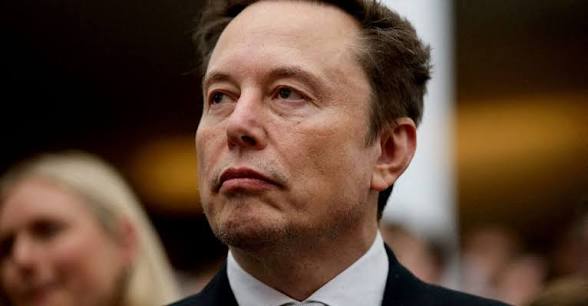
US President Donald Trump is travelling to China for the November 2026 summit, and billionaire entrepreneur Elon Musk is expected to join him for parts of the visit. Musk’s participation adds another important dimension to the diplomatic discussions because his companies operate in several industries connected to the future of technology.
These include artificial intelligence, electric vehicles, autonomous driving, satellite communications and space exploration.
According to reporting by Reuters, Musk is the main corporate executive travelling with Trump, while other American business leaders are expected to attend APEC events separately.
Reuters+1
The timing is particularly important. The United States and China are competing over access to advanced semiconductors, AI infrastructure and the technology needed to develop increasingly powerful artificial intelligence systems.
The summit could therefore become an important opportunity for both countries to discuss technological competition, economic cooperation and AI safety.
However, Musk’s presence does not necessarily mean that a major technology agreement is approaching. Much will depend on discussions between the two governments and the decisions made by Trump and Chinese President Xi Jinping.
Elon Musk Joins Trump’s China Visit Ahead Of APEC Summit

Elon Musk’s expected participation in Trump’s China visit has attracted attention from business leaders and international observers.
Musk is one of the most influential technology entrepreneurs in the world. His business interests include Tesla, SpaceX and xAI, giving him connections to several industries that are central to the global technology competition.
His companies also have important commercial interests in China.
Tesla operates a major manufacturing facility in Shanghai. The factory plays an important role in the company’s international production and sales network.
China is also a major market for electric vehicles, battery technology and advanced manufacturing.
These connections make Musk an interesting figure during Trump’s visit.
According to the South China Morning Post, Musk and Mastercard chief executive Michael Miebach were among the business leaders expected to accompany Trump to the APEC summit in Shenzhen.
South China Morning Post
Reuters also reported that Musk was expected to attend summit-related events, including a dinner involving business leaders.
The White House has not publicly established that Musk will participate in the president’s formal negotiations with Xi.
This distinction matters because attending a diplomatic visit does not automatically give a business executive an official role in government negotiations.
Nevertheless, Musk’s presence could create opportunities for conversations about investment, manufacturing, technology and the future of artificial intelligence.
Why The US-China AI Race Matters
Artificial intelligence has become a major source of economic and geopolitical power.
Both the United States and China want to develop advanced AI systems that can improve productivity, strengthen national security and support future industries.
The competition extends far beyond chatbots and consumer applications.
It includes the development of powerful computer processors, data centres, cloud infrastructure, robotics and advanced software.
The country that builds a stronger AI ecosystem could gain important advantages in manufacturing, scientific research, financial services and military technology.
The United States currently benefits from major technology companies, advanced semiconductor designers and a strong research ecosystem.
China, meanwhile, has significant advantages in manufacturing capacity, engineering talent and a large domestic technology market.
Both countries understand that AI leadership could influence global economic growth for decades.
That is why the technology competition has become an important subject in discussions between Washington and Beijing.
The APEC summit provides an opportunity to address some of these concerns while maintaining diplomatic communication.
Advanced AI Chips Become A Major Issue
One of the biggest disagreements between the United States and China concerns advanced semiconductors.
AI systems require enormous computing power. Advanced processors help companies train large models, operate complex applications and develop next-generation technologies.
American companies have historically held important positions in the global semiconductor industry.
However, Washington has introduced restrictions on China’s access to certain advanced computing chips because of national security concerns.
US officials argue that sensitive technologies should not be transferred in ways that could strengthen China’s military capabilities.
Beijing strongly opposes restrictions that it considers an attempt to limit its technological development.
This disagreement is expected to remain an important issue during the Trump-Xi discussions.
Reuters reported on November 16 that restrictions on advanced AI chips could overshadow the summit. Analysts also warned that Beijing sees these controls as part of a broader question about America’s approach to China’s economic and technological rise.
Reuters
The issue is especially important for companies developing artificial intelligence infrastructure.
Without access to powerful processors, technology companies may face higher costs and slower development.
At the same time, restrictions could encourage Chinese businesses to invest more heavily in domestic semiconductor production.
This creates a complicated situation for both governments.
Washington wants to protect its technological advantages, while Beijing wants greater independence from foreign suppliers.
Musk’s Role In The Global Artificial Intelligence Industry
Musk’s involvement in the AI race goes beyond his position at Tesla.
His artificial intelligence company, xAI, develops advanced AI models and related technology.
The company operates in a competitive market that includes major American and Chinese technology firms.
Musk has repeatedly argued that artificial intelligence will transform the global economy.
He has also raised concerns about the risks associated with increasingly powerful AI systems.
His involvement in the APEC visit could therefore attract attention from both governments.
However, it is important to separate his business interests from official American policy.
Trump’s administration makes decisions about export controls, international agreements and national security.
Musk can provide a business perspective, but he does not independently determine US foreign policy.
His experience with AI, electric vehicles and manufacturing may nevertheless make him a valuable participant in broader conversations about technology.
His companies also have commercial interests that could benefit from predictable relations between the United States and China.
Tesla’s China Business Adds Another Dimension
Tesla’s presence in China is another reason Musk’s participation is attracting attention.
China is one of the world’s largest electric vehicle markets.
The country also has a highly developed battery supply chain and strong domestic competition.
Tesla’s Shanghai factory is an important part of its international manufacturing strategy.
Stable business relations between Washington and Beijing can help reduce uncertainty for companies operating across both markets.
However, trade restrictions and geopolitical tensions can create challenges.
Changes in tariffs, technology regulations or investment rules could affect manufacturing costs and business planning.
Musk therefore has a direct commercial interest in the relationship between the two countries.
His appearance alongside Trump could attract attention from Chinese officials and business representatives.
Still, there is no confirmed announcement that Tesla will receive a new agreement or special business arrangement during the summit.
The broader importance lies in the connection between international diplomacy and the companies operating at the centre of technological competition.
APEC Summit Places AI At The Centre Of Regional Cooperation
The 2026 APEC Summit is taking place in Shenzhen, China, on November 18 and 19.
The event brings together leaders and business representatives from across the Asia-Pacific region.
China has identified artificial intelligence and the digital economy as important priorities for the forum.
According to Reuters, Chinese organisers expected more than 2,000 political and business leaders at the APEC CEO Summit on November 17 and 18. Representatives from approximately 115 Fortune Global 500 companies were also expected.
Reuters
This level of participation highlights the importance of the gathering.
APEC provides a platform for countries to discuss economic growth, investment, trade and regional development.
Artificial intelligence now connects all these areas.
For example, businesses can use AI to improve supply chains, automate manufacturing and develop new financial services.
Governments can also use AI to improve public services and scientific research.
However, these benefits come with challenges involving cybersecurity, data protection and national security.
The summit could help governments identify areas where cooperation remains possible despite political disagreements.
Trump And Xi Face Difficult Technology Discussions
Trump’s meeting with Xi Jinping is expected to attract considerable international attention.
Both leaders have important economic and political objectives.
The United States wants to protect its technological advantages and address concerns about China’s access to sensitive technologies.
China wants greater access to international markets and fewer restrictions on its technology industry.
These competing priorities could make the discussions difficult.
The semiconductor issue is particularly sensitive.
Washington may want to maintain restrictions on certain advanced AI chips, while Beijing could push for a more open technology relationship.
According to Reuters, both governments are also exploring practical cooperation on AI safety.
Reuters
This creates an interesting contrast.
The two countries are competing intensely in AI development, yet they also recognise the importance of preventing dangerous AI-related incidents.
Finding a balance between competition and cooperation will be a major challenge.
AI Safety Could Create Common Ground
Although the United States and China disagree about technology restrictions, AI safety offers a possible area of cooperation.
Advanced AI systems can create risks when they behave unpredictably or are used irresponsibly.
These risks may include cybersecurity threats, misinformation, automated fraud and other security problems.
Governments also worry about accidents involving increasingly powerful AI applications.
Reuters reported that American and Chinese officials have discussed communication protocols for serious AI safety incidents.
The proposed mechanism is intended to prevent misunderstandings or accidents from developing into larger national security problems.
However, the mechanism was not yet operational according to the reporting published on November 16.
Reuters
This is an important development.
Even when countries compete economically, they may benefit from sharing information about dangerous incidents.
For example, communication between governments could help prevent an AI-related accident from creating unnecessary diplomatic tensions.
Both sides could also exchange best practices for testing advanced AI models.
Such cooperation would not eliminate the wider technology rivalry.
However, it could reduce certain risks associated with the rapid development of artificial intelligence.
China’s Growing Ambitions In Artificial Intelligence
China has made artificial intelligence a central part of its long-term technology strategy.
Its technology companies are developing AI models, semiconductor products, robotics and cloud computing services.
The country also has a large manufacturing sector that can support the adoption of AI across different industries.
Chinese companies are investing in technologies designed to improve industrial efficiency and reduce dependence on foreign suppliers.
This strategy has become particularly important because of American export restrictions.
If access to advanced foreign processors becomes more difficult, Chinese companies may have stronger incentives to develop domestic alternatives.
China’s large domestic market also provides opportunities for technology companies to test and commercialise new products.
However, challenges remain.
Producing the most advanced semiconductor equipment and processors requires highly specialised technology and complex supply chains.
China’s progress in these areas will remain an important factor in the global AI competition.
The APEC summit gives Beijing an opportunity to present its vision for digital development and international cooperation.
Why Washington Wants To Protect Its AI Advantage
The United States views artificial intelligence as an important part of its economic and national security strategy.
American companies are investing heavily in AI models, semiconductor development and large data centres.
These investments require enormous amounts of electricity, computing equipment and capital.
Maintaining access to advanced chips is particularly important.
The United States also wants to protect technologies that could have sensitive military applications.
This explains why semiconductor export controls have become a major part of its China policy.
However, restrictions also create difficult economic questions.
American chip companies benefit from international customers and global supply chains.
Limiting sales to China could affect commercial opportunities and encourage competitors to develop alternative products.
Policymakers must therefore consider both national security and economic competitiveness.
The Trump-Xi meeting could help clarify how the two governments intend to manage these competing interests.
No major breakthrough should be assumed before official announcements are made.
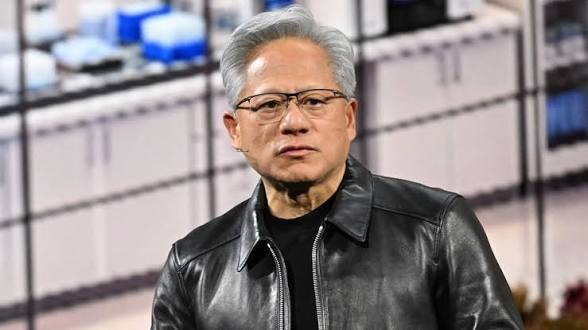
The Jensen Huang Controversy Adds Pressure To Chip Discussions
Another development has increased attention on the semiconductor industry ahead of the summit.
Nvidia co-founder Jensen Huang recently became the subject of controversy following reports involving an alleged relationship with a suspected Chinese intelligence operative.
The allegations have created questions about corporate security and sensitive technology transfers.
Huang’s position in the semiconductor industry makes the controversy particularly significant.
Nvidia produces processors that are widely used in artificial intelligence development.
Its products have become essential to many companies building advanced AI systems.
Reuters reported that the controversy has increased pressure on discussions about China’s access to advanced AI chips.
Reuters
The issue has also drawn attention from American lawmakers.
However, the allegations and their implications should be treated carefully until investigations establish the relevant facts.
The controversy is another reminder that the semiconductor industry is closely connected to national security and international politics.
Musk’s expected participation in Trump’s China visit comes at a time when American technology companies face growing scrutiny.
Could Musk Help Improve US-China Business Relations?
Musk’s presence could attract attention because he has experience operating businesses in both American and Chinese markets.
Tesla’s manufacturing operations in Shanghai demonstrate the commercial opportunities available through international investment.
His experience could provide useful perspectives on the challenges faced by multinational companies.
These challenges include tariffs, regulations, supply chains and access to technology.
Business leaders generally benefit from stable international relationships.
Uncertainty between Washington and Beijing can make companies cautious about major investments.
However, Musk’s presence should not be interpreted as proof that he will negotiate agreements on behalf of the US government.
His participation is primarily notable because of his business interests and influence in the technology sector.
The summit may create opportunities for informal discussions with Chinese officials and corporate leaders.
Whether those conversations lead to concrete outcomes remains uncertain.
The Impact On Global Technology Companies
The US-China AI race affects companies far beyond the two countries.
Technology businesses in Europe, India, Japan, South Korea and Southeast Asia also depend on international semiconductor supply chains.
Changes in American export policies can affect where companies purchase processors.
Chinese technology regulations can influence access to one of the world’s largest consumer and manufacturing markets.
For multinational businesses, this creates uncertainty.
Companies may need to diversify suppliers, establish alternative production facilities and adjust their investment plans.
Artificial intelligence development also depends on international cooperation in research, infrastructure and technical standards.
If the US-China rivalry becomes more intense, businesses could face higher costs and additional restrictions.
On the other hand, clear agreements could create more predictable conditions for international investment.
That is why the APEC discussions matter to the global technology industry.
The outcome could influence decisions made by companies well beyond Shenzhen.
What The APEC Summit Could Mean For India
India is also an important participant in the broader Asia-Pacific technology landscape.
The country has ambitions to expand its artificial intelligence industry, semiconductor manufacturing capacity and digital infrastructure.
A more stable relationship between Washington and Beijing could benefit international trade and technology supply chains.
However, increased competition could also create opportunities for India.
Companies seeking to diversify manufacturing and reduce supply-chain risks may consider expanding operations in other Asian markets.
India could benefit from investment in electronics manufacturing, data centres and digital services.
The country also has a growing pool of technology professionals and a large domestic market for digital products.
At the same time, a prolonged technology conflict could create challenges.
Restrictions on advanced processors, changing international regulations and supply-chain disruptions could affect companies operating in India.
Therefore, the outcome of the APEC summit is relevant to India’s long-term technology ambitions.
Will The Summit Produce A Major AI Agreement?
A major AI agreement is possible, but expectations should remain realistic.
The United States and China have different priorities.
Washington wants to maintain controls over sensitive technology.
Beijing wants greater access to advanced computing equipment and international markets.
These disagreements are difficult to resolve through a single diplomatic meeting.
However, the two countries could make progress on narrower issues.
For example, they could improve communication about serious AI incidents.
They could also exchange information about model testing and safety practices.
Such measures would represent practical cooperation without requiring either country to abandon its broader technology strategy.
Reuters reported that AI safety discussions were already under consideration ahead of the summit.
Reuters
The biggest question is whether both governments are willing to maintain communication even when their economic and security interests conflict.
That decision could prove more important than any individual announcement.
What Happens Next In The US-China AI Race?
The APEC summit could influence the next phase of competition between the world’s two largest economies.
Several developments will be important to watch.
First, semiconductor export controls. Any change in American restrictions could affect Chinese technology companies and global chip manufacturers.
Second, AI safety cooperation. Progress on communication protocols could establish a foundation for managing risks associated with advanced AI systems.
Third, business investment. Discussions involving Musk and other executives could provide insight into future opportunities for American companies in China.
Fourth, diplomatic relations. Trump’s meeting with Xi could influence broader trade and economic discussions.
The summit will also attract attention because of the planned meeting involving Trump, Xi and Russian President Vladimir Putin.
According to US officials cited by ABC News, Trump is expected to participate in the first-ever trilateral meeting between the three leaders during the APEC gathering.
ABC News+1
However, Musk is not expected to participate in that formal trilateral meeting.
His presence is instead connected to Trump’s wider China visit and business-related summit activities.
Conclusion
The US-China AI race is entering an increasingly important stage as both countries compete for leadership in advanced technology.
Elon Musk’s expected participation in Trump’s APEC visit adds another significant business dimension to the diplomatic gathering.
His interests in artificial intelligence, electric vehicles and manufacturing connect directly to several issues facing Washington and Beijing.
The summit comes at a time when semiconductor restrictions, AI safety and international trade are creating difficult challenges for both governments.
Trump and Xi will have an opportunity to discuss these issues while exploring areas where cooperation remains possible.
However, major breakthroughs are not guaranteed.
The future of the US-China AI race will depend on government policies, private investment, technological innovation and the ability of both countries to manage their differences.
For now, Musk’s presence highlights how closely business, technology and international diplomacy have become connected.
The decisions made during the APEC summit could have consequences for the global technology industry for years to come.
Frequently Asked Questions (FAQs)
1. Why is Elon Musk joining Donald Trump for the APEC Summit?
Elon Musk is expected to accompany Trump for parts of his China visit. His business interests in artificial intelligence, electric vehicles and manufacturing make his participation particularly significant.
2. When is the 2026 APEC Summit taking place?
The APEC Economic Leaders’ Meeting is scheduled for November 18–19, 2026, in Shenzhen, China.
3. What is the US-China AI race?
The US-China AI race refers to competition between the United States and China to develop advanced artificial intelligence systems, computer chips, data infrastructure and related technologies.
4. Will Trump discuss artificial intelligence with Xi Jinping?
AI-related issues are expected to feature in broader discussions, particularly semiconductor export controls and AI safety cooperation.
5. Why are AI chips important to the United States and China?
Advanced AI chips provide the computing power needed to train and operate sophisticated artificial intelligence systems. They are important for economic competitiveness and national security.
6. How is Elon Musk connected to artificial intelligence?
Musk is involved in AI development through xAI. He is also connected to autonomous driving technology through Tesla and other advanced technology projects.
7. Does Tesla have business operations in China?
Yes. Tesla operates a major manufacturing facility in Shanghai, which is an important part of its international production network.
8. Why does China oppose US semiconductor restrictions?
China argues that restrictions limit its access to advanced technology and could slow its economic and technological development.
9. Could the APEC Summit improve US-China relations?
The summit could create opportunities for discussions about trade, technology and AI safety. However, significant disagreements remain, and a major diplomatic breakthrough is not guaranteed.
10. Will Elon Musk attend the Trump-Xi-Putin meeting?
Current reporting indicates that Musk is expected to join parts of Trump’s China visit, but he is not expected to participate in the formal trilateral meeting involving Trump, Xi and Putin.
About the Author