HORMUZ ERUPTS: US Military UNLEASHES FURY On Iran In Explosive Showdown
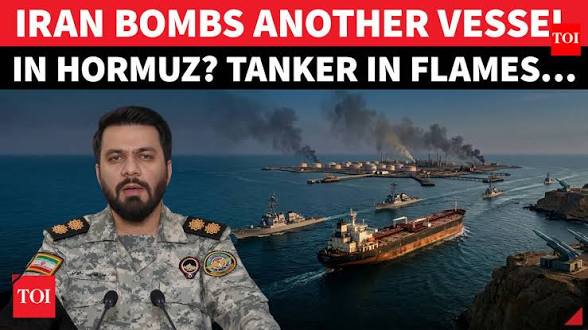
The Strait of Hormuz has once again become the center of global attention after a dramatic escalation in fighting between the United States and Iran. Fresh military strikes, missile attacks, and renewed threats against commercial shipping have raised fears of a wider regional conflict that could disrupt global energy supplies and international trade.
According to U.S. officials, the latest military operation targeted Iranian facilities following attacks on commercial vessels and renewed threats to navigation through the Strait of Hormuz. Iran, meanwhile, says it is defending its sovereignty and maintains that foreign military actions in the Gulf have increased regional instability.
The renewed confrontation has sparked concerns among governments, energy companies, and financial markets worldwide. Oil prices have climbed sharply as traders assess the possibility of prolonged disruption in one of the world’s most important maritime routes.
Why the Strait of Hormuz Matters
The Strait of Hormuz is among the world’s most strategically important waterways. Connecting the Persian Gulf to the Gulf of Oman and the Arabian Sea, it serves as a vital corridor for global energy exports.
Every day, millions of barrels of crude oil and liquefied natural gas pass through this narrow channel. Any disruption can quickly affect global fuel prices, shipping schedules, and economic stability.
Countries heavily dependent on Gulf energy exports—including Saudi Arabia, Iraq, Kuwait, Qatar, and the United Arab Emirates—rely on uninterrupted navigation through the strait.
Because of its strategic importance, military activity in the region often attracts worldwide attention.
What Triggered the Latest Escalation?
The latest confrontation followed a series of incidents involving commercial shipping.
U.S. Central Command said American forces launched strikes after Iranian actions allegedly targeted commercial vessels transiting the Strait of Hormuz. Washington described the attacks as violations of previous understandings aimed at reducing tensions.
Iran rejected the U.S. characterization and accused Washington of escalating the conflict through military intervention.
The exchange quickly evolved into one of the most serious military confrontations in the Gulf in recent months.
US Military Announces New Operations
American officials confirmed that military aircraft and naval assets participated in coordinated operations targeting Iranian military infrastructure.
According to official statements, the objectives included:
- Coastal missile systems
- Radar installations
- Revolutionary Guard naval assets
- Facilities believed to support attacks on commercial shipping
Officials stated that the mission aimed to reduce Iran’s ability to threaten freedom of navigation in the Strait of Hormuz rather than target civilian infrastructure.
Iran Responds with Missile and Drone Attacks
Tehran answered the strikes with its own military operations.
Iranian authorities announced attacks against multiple U.S.-linked military facilities across the Gulf region and reiterated claims that the Strait of Hormuz remained under Iranian control. Reports also described missile and drone strikes targeting American installations in Bahrain, Kuwait, Oman, and Jordan.
Both sides have continued exchanging accusations regarding responsibility for the escalating violence.
Shipping Faces Renewed Threats
Commercial shipping has become one of the biggest concerns during the crisis.
Several shipping companies have reportedly altered routes or delayed voyages because of heightened security risks in the Gulf.
Marine insurers are also reassessing risk premiums for vessels operating near the Strait of Hormuz.
The reduction in commercial traffic has added further pressure to already volatile global energy markets.
Oil Prices React Immediately
Energy markets responded within hours of the latest developments.
Crude oil prices rose as investors worried that prolonged fighting could reduce exports from the Gulf.
Analysts note that even temporary disruptions in the Strait of Hormuz can influence global fuel prices because such a significant share of international oil shipments passes through the waterway.
If the crisis continues, consumers worldwide could experience higher fuel costs, increased transportation expenses, and broader inflationary pressures.
Trump’s New Announcement Raises Stakes
President Donald Trump announced new measures affecting shipping through the Strait of Hormuz, including plans to reinstate a blockade on Iranian shipping and impose fees on cargo transiting the route under U.S. protection. Iran rejected the proposal, arguing that it controls access to the waterway and opposing foreign management of maritime traffic.
The competing claims have added another layer of uncertainty to an already volatile situation.
As the military confrontation intensified, governments around the world urged both the United States and Iran to exercise restraint. Officials warned that further escalation could destabilize the Middle East, threaten international shipping, and disrupt the global economy.
The United Nations called for diplomacy and emphasized the importance of protecting civilian lives and ensuring the safe passage of commercial vessels through international waterways. European leaders echoed those concerns, urging all parties to return to negotiations instead of expanding military operations.
Several Gulf nations also increased their military readiness while stressing that they do not want the conflict to spread across the region.
Why the Strait of Hormuz Is So Important to the Global Economy
The Strait of Hormuz is often described as the world’s most critical energy chokepoint.
The narrow waterway connects the Persian Gulf with the Gulf of Oman and the Arabian Sea, allowing oil-producing nations to transport crude oil and liquefied natural gas to markets across Asia, Europe, and North America.
Key reasons the strait is strategically important include:
- Around one-fifth of the world’s oil trade passes through the waterway.
- Major exporters such as Saudi Arabia, Iraq, Kuwait, Qatar, and the United Arab Emirates rely on it.
- Any disruption can affect global fuel prices within hours.
- Shipping companies face higher insurance costs during periods of military tension.
- Global supply chains become vulnerable when commercial traffic slows.
Because of its importance, even limited military incidents in the area can have worldwide economic consequences.
Military Balance Between the United States and Iran
The latest confrontation has once again highlighted the significant differences in military capabilities between the two countries.
United States
The United States maintains a large military presence across the Middle East, including:
- Advanced fighter aircraft
- Aircraft carriers
- Guided missile destroyers
- Long-range bombers
- Intelligence, surveillance, and reconnaissance systems
- Air defense networks
American forces also operate from several military bases across the Gulf region.
Iran
Iran relies on a different military strategy that includes:
- Ballistic missiles
- Cruise missiles
- Armed drones
- Naval fast-attack craft
- Coastal missile batteries
- Regional allied armed groups
Military analysts say Iran focuses on asymmetric warfare rather than matching U.S. conventional military power directly.
Impact on Global Oil Markets
Oil traders closely monitor every development in the Strait of Hormuz.
Whenever military tensions rise, investors worry that exports could be interrupted. Even rumors of disruptions often lead to higher oil prices because markets anticipate supply shortages.
Higher crude oil prices can eventually result in:
- Increased gasoline and diesel prices
- Higher transportation costs
- Rising airline ticket prices
- More expensive imported goods
- Inflation across multiple sectors
If the confrontation continues for an extended period, economists warn that global economic growth could slow.
Could the Conflict Expand?
One of the biggest concerns among security experts is the possibility of regional escalation.
A wider conflict could involve:
- Additional missile exchanges
- Increased naval confrontations
- Expanded attacks on military facilities
- Cyber operations
- Greater risks to commercial shipping
At the same time, diplomats continue working to prevent further escalation. Most governments have emphasized that maintaining freedom of navigation through the Strait of Hormuz remains a top international priority.
Diplomatic Efforts Continue
Despite the military exchanges, diplomatic channels have not completely closed.
Several countries are reportedly encouraging indirect communication between Washington and Tehran in hopes of preventing a broader regional conflict.
International organizations continue urging:
- Immediate de-escalation
- Protection of civilian shipping
- Compliance with international law
- Continued diplomatic engagement
Whether these efforts succeed remains uncertain, but many analysts believe diplomacy offers the best chance of preventing a prolonged crisis.
What Happens Next?
The coming days are expected to be critical.
Military officials will continue monitoring shipping activity and regional security conditions, while governments assess whether additional sanctions, military deployments, or diplomatic initiatives are necessary.
Key developments to watch include:
- Any further military strikes by either side
- Changes in commercial shipping routes
- Oil price movements
- International diplomatic negotiations
- Statements from U.S., Iranian, and Gulf officials
Because the situation remains fluid, new developments could significantly alter the regional security landscape.
Conclusion
The latest confrontation in the Strait of Hormuz underscores how quickly tensions in the Middle East can affect the wider world. The United States says its military actions were intended to protect international shipping and deter further attacks, while Iran maintains that it is defending its sovereignty and opposing foreign military pressure.
As diplomatic efforts continue alongside military operations, the risk of further escalation remains a major concern for governments, businesses, and energy markets. The strategic importance of the Strait of Hormuz means that any prolonged disruption could have consequences far beyond the Middle East, influencing global trade, energy prices, and international security.
For now, the international community is closely watching developments, hoping that diplomatic engagement can prevent a broader regional conflict while ensuring that one of the world’s most vital maritime corridors remains open and secure.
Frequently Asked Questions (FAQs)
What is the Strait of Hormuz?
The Strait of Hormuz is a narrow waterway connecting the Persian Gulf to the Gulf of Oman and the Arabian Sea. It is one of the world’s most important routes for transporting oil and natural gas.
Why did the United States launch strikes on Iran?
According to U.S. officials, the strikes were conducted in response to alleged threats and attacks affecting commercial shipping and regional security. Iran disputes the U.S. account and says it is acting in self-defense.
Why is the Strait of Hormuz strategically important?
A significant share of global oil exports passes through the strait. Any disruption can affect fuel prices, shipping, and the global economy.
How have oil prices reacted?
Oil prices increased following the escalation because markets feared potential disruptions to energy supplies moving through the Strait of Hormuz.
Could the conflict spread further?
While there is a risk of wider regional escalation, many governments and international organizations are actively pursuing diplomatic efforts to prevent the conflict from expanding.
How does this crisis affect the global economy?
A prolonged crisis could increase energy prices, raise transportation costs, disrupt supply chains, and contribute to inflation in many countries.
Is commercial shipping still moving through the Strait of Hormuz?
Commercial shipping continues, but some companies have adjusted routes or enhanced security measures because of the heightened risk in the region.
What should readers watch next?
Future developments may include additional diplomatic talks, military announcements, changes in shipping activity, and fluctuations in global oil prices as the situation evolves.
How useful was this post?
Click on a star to rate it!
Average rating 0 / 5. Vote count: 0
No votes so far! Be the first to rate this post.
About the Author

usa5911.com
Administrator
Hi, I’m Gurdeep Singh, a professional content writer from India with over 3 years of experience in the field. I specialize in covering U.S. politics, delivering timely and engaging content tailored specifically for an American audience. Along with my dedicated team, we track and report on all the latest political trends, news, and in-depth analysis shaping the United States today. Our goal is to provide clear, factual, and compelling content that keeps readers informed and engaged with the ever-changing political landscape.