Trump Threat ALERT: Secret Service BREAKS SILENCE On Alleged Iranian Assassination Plot
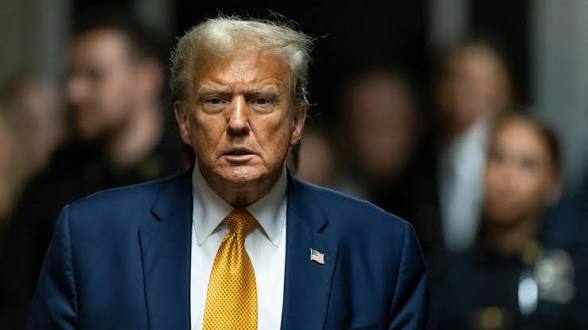
The latest reports surrounding an alleged Iranian assassination plot targeting U.S. President Donald Trump have reignited concerns about presidential security and the fragile state of U.S.-Iran relations. Fresh intelligence reportedly shared by Israeli officials with Washington has prompted renewed scrutiny of long-standing threats against Trump, while the U.S. Secret Service has reiterated that it continuously adjusts security measures to address evolving risks.
Although officials have acknowledged that threats are taken seriously, no public evidence has been released confirming that an imminent attack is underway. The developments come amid escalating tensions in the Middle East, where military confrontations and diplomatic disputes continue to shape global security.
Secret Service Addresses Security Concerns
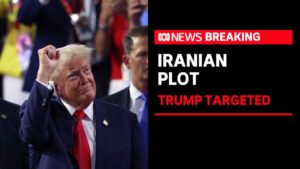
Following widespread media reports, the U.S. Secret Service stated that protecting current and former presidents remains its highest priority. While the agency does not publicly discuss specific intelligence or protective strategies, officials indicated that security planning is constantly updated based on assessments from federal intelligence and law enforcement partners.
The agency emphasized that it does not comment on classified information but works closely with agencies including the FBI, the Department of Homeland Security, and the intelligence community whenever credible threats emerge.
This carefully worded response reflects the Secret Service’s long-standing policy of avoiding detailed public discussions about protective operations while assuring the public that appropriate measures remain in place.
Reports of a Fresh Alleged Iranian Plot
According to recent reporting, Israeli intelligence reportedly informed U.S. officials of what was described as a new and specific alleged Iranian assassination plot targeting Donald Trump. The reports suggest that the intelligence was shared through established security channels during a period of heightened regional instability.
Neither U.S. officials nor Israeli authorities have publicly released detailed evidence supporting the claims. Iran has also not publicly accepted responsibility for any such plot and has historically denied allegations that it directs assassination operations against U.S. political leaders.
As a result, much of the available information remains based on intelligence reporting rather than publicly disclosed evidence.
Why Donald Trump Has Been Considered a Potential Target
Security concerns surrounding Donald Trump are not new.
The origins of these threats largely trace back to January 2020, when the United States conducted the strike that killed Iranian General Qassem Soleimani in Baghdad. Soleimani commanded Iran’s elite Quds Force and was regarded as one of Tehran’s most influential military leaders.
Since then, U.S. intelligence agencies have repeatedly warned that Iranian-linked actors could seek retaliation against American officials involved in authorizing or carrying out the operation. Those warnings have included concerns regarding Donald Trump and several former senior administration officials.
Previous Justice Department cases have also alleged Iranian-linked murder-for-hire schemes targeting U.S. officials, although Tehran has consistently denied directing such operations.
Trump’s Strong Public Response
Donald Trump has responded forcefully to the renewed reports.
In recent public statements and social media posts, Trump warned that any successful assassination attempt attributed to Iran would trigger an overwhelming U.S. military response. He claimed that military contingency plans had already been prepared should such an event occur.
The comments quickly drew international attention because they linked personal security threats directly with broader U.S. military strategy in the Middle East.
While supporters praised Trump’s tough rhetoric as a deterrent, critics argued that such statements could further escalate already dangerous regional tensions.
Intelligence Versus Public Evidence
One important distinction in this developing story is the difference between intelligence assessments and publicly verified evidence.
Intelligence agencies frequently evaluate information from confidential sources, intercepted communications, allied governments, and surveillance activities. Such intelligence may indicate potential threats even when sufficient evidence is unavailable for public release.
For this reason, officials often increase protective measures long before any threat becomes publicly confirmed.
At present, government agencies have not publicly released documentation proving that an active assassination operation is underway. Instead, authorities continue to describe the matter as one involving serious intelligence assessments requiring enhanced vigilance.
Rising Tensions Across the Middle East
The renewed assassination reports arrive during one of the most volatile periods in the Middle East in recent years.
Recent military exchanges involving the United States and Iran, alongside maritime security incidents affecting the Strait of Hormuz, have significantly increased regional instability. Global energy markets have reacted nervously as governments monitor the possibility of further escalation.
Security experts note that periods of heightened military confrontation often coincide with increased concern over threats directed at senior political leaders.
Federal Agencies Remain on High Alert
Beyond the Secret Service, multiple federal agencies continue monitoring potential foreign threats.
The FBI, Department of Homeland Security, and U.S. intelligence agencies routinely evaluate information related to foreign-sponsored operations targeting American officials. Their work includes monitoring cyber activity, overseas intelligence, financial networks, and individuals suspected of acting on behalf of foreign governments.
Officials stress that protective operations are designed to prevent threats from materializing rather than responding only after an attack occurs.
International Reactions to the Alleged Plot
The reports of an alleged Iranian assassination plot have attracted widespread international attention. Several U.S. allies have expressed concern over the claims while urging restraint amid heightened tensions in the Middle East.
Israel has remained firm in its position that Iran continues to pose a significant regional security challenge. Reports indicate that Israeli intelligence shared information with U.S. officials regarding the alleged threat. However, the specific intelligence has not been made public, and neither government has disclosed operational details.
European governments have largely avoided commenting on the intelligence itself. Instead, officials have emphasized the importance of diplomacy and reducing the risk of a broader regional conflict.
Iran, meanwhile, has consistently denied accusations that it has directed assassination plots against U.S. political leaders. Tehran has described similar allegations in the past as politically motivated and has rejected claims that it sponsors such operations.
Political Impact in Washington
The renewed reports have quickly become part of the political conversation in Washington.
Supporters of President Donald Trump argue that the alleged threat highlights the continuing risks posed by hostile foreign governments. They say the reports reinforce the need for strong national security policies and robust protection for current and former U.S. leaders.
Critics, however, have urged caution. They note that intelligence reports should be carefully distinguished from publicly verified facts and warn against drawing conclusions before additional evidence is released.
Lawmakers from both major political parties have generally agreed on one point: credible threats against any current or former U.S. president must be taken seriously regardless of political affiliation.
How the Secret Service Responds to High-Level Threats
The U.S. Secret Service is responsible for protecting the president, vice president, former presidents, and other designated officials.
When intelligence agencies identify potential threats, the Secret Service can implement a wide range of protective measures, including:
- Increasing the size of security details.
- Adjusting travel routes and schedules.
- Expanding surveillance around public events.
- Enhancing coordination with local and federal law enforcement.
- Conducting additional threat assessments before appearances.
Most of these measures are never discussed publicly because revealing security procedures could undermine their effectiveness.
Officials have reiterated that security planning is constantly updated based on evolving intelligence rather than reacting only after incidents occur.
Experts Urge Careful Interpretation
National security experts caution that intelligence reports should not automatically be interpreted as proof of an active or imminent assassination attempt.
Intelligence often consists of fragmented information collected from multiple sources. Analysts evaluate the credibility of that information before determining the level of threat.
As a result, governments frequently increase security even when there is no publicly available evidence confirming that an attack is imminent.
Experts also note that many intelligence assessments remain classified to protect sources and methods.
This explains why government agencies often acknowledge threats without releasing detailed supporting evidence.
U.S.-Iran Relations Remain Highly Fragile
The alleged assassination plot emerges against the backdrop of years of strained relations between Washington and Tehran.
Key issues continue to fuel tensions, including:
- Iran’s nuclear program.
- U.S. economic sanctions.
- Regional proxy conflicts.
- Maritime security in the Persian Gulf.
- Missile development.
- Military deployments across the Middle East.
These long-standing disputes have repeatedly brought the two countries close to direct confrontation.
Security analysts believe that periods of increased military activity often result in heightened concern over threats involving senior political leaders.
Why Verification Matters
The story also highlights the importance of distinguishing between confirmed facts and developing intelligence.
As of now:
- U.S. officials acknowledge that threats against Donald Trump are taken seriously.
- The Secret Service says protective measures remain in place.
- Reports indicate Israeli intelligence shared information about an alleged Iranian plot.
- No public evidence has been released confirming that an assassination attempt was actively underway.
- Iran continues to deny allegations that it sponsors assassination operations targeting U.S. officials.
Readers should therefore follow updates from official government statements and well-established news organizations as additional information becomes available.
What Could Happen Next?
Several developments could shape the story in the coming weeks:
Further Intelligence Reviews
U.S. intelligence agencies may continue evaluating newly received information to determine whether additional protective actions are necessary.
Diplomatic Responses
The allegations could influence ongoing diplomatic discussions involving Iran and Western governments.
Additional Security Measures
The Secret Service may continue adjusting protection protocols based on evolving intelligence, although those changes are unlikely to be publicly disclosed.
Congressional Interest
Lawmakers could request classified briefings regarding the reported intelligence and broader threats facing senior U.S. officials.
Conclusion
The reports surrounding an alleged Iranian assassination plot targeting President Donald Trump underscore the complex intersection of intelligence, national security, and international diplomacy.
While recent media reports suggest that allied intelligence raised fresh concerns, government agencies have not publicly confirmed that an imminent attack was underway. The U.S. Secret Service has reiterated that it continuously adapts protective measures in response to evolving threats but does not discuss operational details.
As tensions between the United States and Iran remain elevated, officials are expected to continue monitoring the situation closely. For now, the available information points to an active security assessment rather than confirmed evidence of an impending assassination attempt. Future official statements and verified reporting will be essential in providing a clearer understanding of the situation.
Frequently Asked Questions (FAQs)
What is the alleged Iranian assassination plot against Donald Trump?
Recent reports claim that intelligence shared with the United States raised concerns about a possible Iranian plot targeting President Donald Trump. However, no public evidence confirming an active assassination attempt has been released.
What did the Secret Service say?
The Secret Service stated that it continually adjusts security measures based on intelligence assessments but does not discuss specific protective operations or classified threats.
Why is Donald Trump considered a potential target?
Security concerns date back to the 2020 U.S. strike that killed Iranian General Qassem Soleimani. Since then, U.S. officials have warned of potential retaliation against former senior American leaders.
Has Iran admitted to the alleged plot?
No. Iran has consistently denied allegations that it directs assassination operations against U.S. officials.
Is there evidence of an imminent attack?
As of the latest verified reporting, government agencies have not publicly released evidence confirming that an assassination attempt was imminent. The situation remains under active monitoring by U.S. security and intelligence agencies.
How useful was this post?
Click on a star to rate it!
Average rating 0 / 5. Vote count: 0
No votes so far! Be the first to rate this post.
About the Author

usa5911.com
Administrator
Hi, I’m Gurdeep Singh, a professional content writer from India with over 3 years of experience in the field. I specialize in covering U.S. politics, delivering timely and engaging content tailored specifically for an American audience. Along with my dedicated team, we track and report on all the latest political trends, news, and in-depth analysis shaping the United States today. Our goal is to provide clear, factual, and compelling content that keeps readers informed and engaged with the ever-changing political landscape.