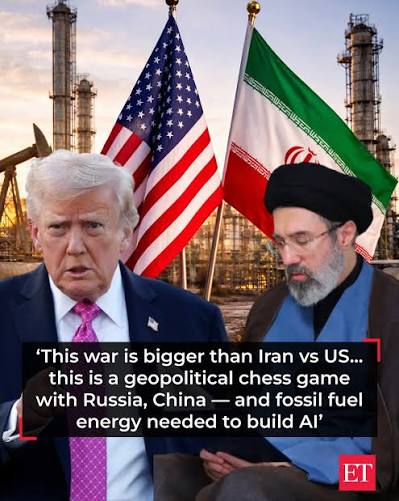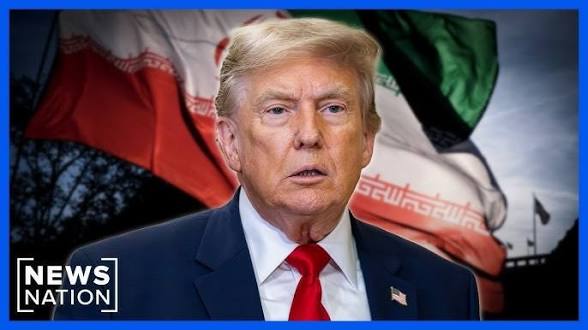
The United States and Iran appear se2t to continue technical-level discussions despite a dramatic escalation in military tensions over the weekend. While recent strikes raised fears that diplomacy had collapsed entirely, officials and diplomatic sources indicate that negotiations are still expected to move forward, highlighting both countries’ interest in preventing a broader regional conflict.
The decision to proceed with technical talks comes at a crucial moment. Military actions, political rhetoric, and international pressure have created one of the most volatile periods in U.S.-Iran relations in recent years. Yet, behind the scenes, diplomatic channels remain active, suggesting that neither Washington nor Tehran wants to abandon negotiations completely.
The continuation of these talks could have significant implications for regional security, energy markets, sanctions policy, and future diplomatic engagement. Investors, policymakers, and allies across the Middle East are watching developments closely.
US-Iran Technical Talks Continue Despite Escalating Tensions
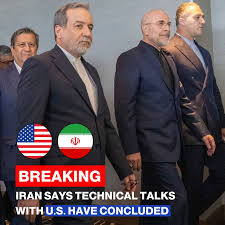
The latest developments follow a weekend marked by heightened military activity that renewed concerns about the possibility of direct confrontation between the United States and Iran.
Although the strikes triggered strong political reactions, officials from both sides have continued to indicate that technical-level discussions remain valuable. These meetings are generally designed to address practical implementation issues, establish communication mechanisms, and explore areas where diplomatic progress may still be possible.
Unlike high-profile political summits, technical talks usually involve experienced diplomats, policy experts, and negotiators working through detailed proposals behind closed doors.
Their continuation demonstrates that diplomacy often continues even during periods of intense geopolitical tension.
Why These Technical Talks Matter
Many observers underestimate the importance of technical negotiations.
While headlines often focus on meetings between presidents or foreign ministers, technical discussions frequently lay the groundwork for major diplomatic breakthroughs.
These meetings can cover several critical issues, including:
- Nuclear monitoring procedures
- Sanctions implementation
- Humanitarian concerns
- Prisoner exchanges
- Regional security mechanisms
- Communication channels during military crises
Without technical negotiations, larger political agreements become significantly more difficult to achieve.
Weekend Strikes Increased Regional Anxiety
The recent weekend strikes dramatically increased fears of wider instability throughout the Middle East.
Regional governments quickly assessed the security implications while global financial markets reacted cautiously amid uncertainty surrounding future military actions.
Energy traders also monitored developments closely, recognizing that any escalation involving Iran has the potential to disrupt shipping routes and influence global oil prices.
Although immediate large-scale retaliation did not materialize, security analysts remain cautious about future developments.
The continuation of diplomatic talks therefore represents an important signal that both governments are still exploring peaceful avenues alongside their security preparations.
Diplomacy Continues Behind Closed Doors
One important lesson from decades of U.S.-Iran relations is that diplomacy rarely stops completely.
Even during periods of severe political confrontation, communication channels often remain open through intermediaries or technical delegations.
These discussions help reduce misunderstandings that could unintentionally trigger broader military conflict.
Diplomatic experts note that maintaining dialogue during crises can actually become more important than during periods of relative stability.
Technical meetings allow negotiators to clarify intentions, exchange proposals, and prevent dangerous miscalculations.
International Community Welcomes Continued Dialogue
Several international partners have consistently encouraged both Washington and Tehran to continue diplomatic engagement.
Many governments believe sustained dialogue offers the best opportunity to reduce tensions while addressing long-standing disputes over Iran’s nuclear activities, regional security concerns, and economic sanctions.
European governments have repeatedly emphasized the importance of preserving diplomatic mechanisms regardless of military developments.
Regional mediators have also continued encouraging both sides to avoid actions that could derail negotiations permanently.
Impact on Global Energy Markets
Energy markets have remained particularly sensitive to developments involving Iran.
As one of the world’s significant oil producers, Iran plays an important role in global energy supply calculations.
Whenever tensions increase, investors evaluate possible impacts on:
- Oil exports
- Shipping through strategic waterways
- Insurance costs for commercial vessels
- Global fuel prices
- Supply chain stability
Although markets often experience short-term volatility, continued diplomatic engagement can help reduce uncertainty over the longer term.
Investors therefore closely monitor every official statement regarding upcoming negotiations.
Washington’s Diplomatic Strategy
The United States continues balancing diplomatic engagement with broader national security objectives.
American officials have repeatedly stated that diplomacy remains the preferred option for resolving major disputes while simultaneously maintaining pressure through sanctions and regional security partnerships.
This dual-track strategy seeks to deter further escalation without closing the door to negotiated solutions.
Proceeding with technical discussions reflects this broader approach.
Rather than viewing military actions and diplomacy as mutually exclusive, policymakers often pursue both simultaneously to maximize leverage during negotiations.
Iran’s Position Moving Forward
Iran has likewise maintained a complex diplomatic posture.
Officials continue criticizing American policies while simultaneously signaling willingness to participate in discussions that could advance national interests.
Iranian leaders have consistently argued that negotiations should respect national sovereignty while addressing sanctions relief and broader regional issues.
Continuing technical talks allows Tehran to demonstrate diplomatic engagement without necessarily making immediate political concessions.
This approach provides flexibility as negotiations evolve over the coming weeks.
Challenges Facing Future Negotiations
Despite the decision to proceed, significant obstacles remain.
Among the most difficult issues are:
- Mutual distrust developed over decades.
- Disagreements regarding sanctions.
- Nuclear verification mechanisms.
- Regional military activities.
- Political pressures within both countries.
- Concerns among regional allies.
Each of these issues requires extensive technical work before broader political agreements become possible.
Negotiators therefore face an exceptionally challenging diplomatic environment.
Markets and Investors Await Further Developments
Financial markets often respond rapidly to headlines involving U.S.-Iran relations.
Oil prices, defense stocks, airline shares, and shipping companies can all experience volatility depending on geopolitical developments.
Investors now await additional clarification regarding:
- The timing of upcoming technical meetings.
- The agenda for negotiations.
- Statements from senior officials.
- Any confidence-building measures announced afterward.
Positive diplomatic signals could improve market sentiment, while renewed escalation may increase uncertainty across multiple sectors.
Possible Outcomes of the Upcoming Technical Talks
As negotiations move forward, analysts are considering several possible outcomes. While a comprehensive agreement remains unlikely in the immediate future, even modest progress could help stabilize relations and reduce the risk of further military escalation.
One possible outcome is the establishment of additional communication channels between U.S. and Iranian officials. Such mechanisms can prove invaluable during periods of crisis by allowing both sides to clarify intentions and avoid misunderstandings.
Another possibility involves confidence-building measures. These could include humanitarian initiatives, discussions related to detainees, or technical agreements concerning nuclear monitoring procedures. Although limited in scope, these measures often serve as stepping stones toward broader diplomatic engagement.
Conversely, negotiations could also stall if either side determines that political conditions are unfavorable. Domestic political considerations, regional security concerns, and differing negotiating positions continue to complicate the diplomatic process.
Regional Allies Closely Monitor Negotiations
America’s allies throughout the Middle East are following developments carefully.
Countries across the region have varying perspectives on U.S.-Iran diplomacy. Some view negotiations as an essential tool for reducing tensions, while others remain cautious about any agreement that could alter the regional balance of power.
Regional governments continue strengthening their own security cooperation while encouraging diplomatic solutions wherever possible.
The outcome of these technical discussions could influence future defense partnerships, intelligence cooperation, and broader regional diplomatic initiatives.
Nuclear Issues Remain Central
Although officials have not publicly disclosed every topic expected to be discussed, Iran’s nuclear program remains one of the central issues affecting relations.
For years, negotiations have focused on verification procedures, uranium enrichment levels, international inspections, and sanctions relief.
Technical experts play an especially important role because many nuclear-related discussions involve highly specialized scientific and regulatory matters that require detailed analysis rather than political speeches.
Progress in these areas could create opportunities for future high-level diplomatic meetings.
Economic Implications of Continued Dialogue
Diplomatic engagement also carries significant economic implications.
Global businesses, investors, and multinational corporations closely monitor geopolitical stability in the Middle East because the region plays a vital role in global energy production and international trade.
Should negotiations reduce tensions, markets could respond positively through improved investor confidence and reduced volatility.
Conversely, renewed military escalation could increase energy prices, disrupt shipping routes, and create additional uncertainty for global financial markets.
Businesses with international operations therefore continue monitoring every development involving U.S.-Iran relations.
The Role of International Mediators
Several countries and international organizations have played an important role in facilitating communication between Washington and Tehran.
These intermediaries often help organize meetings, relay messages, and encourage constructive dialogue during periods when direct communication becomes politically difficult.
By maintaining diplomatic channels, mediators help reduce the likelihood of accidental escalation while preserving opportunities for future negotiations.
Their involvement underscores the broader international interest in maintaining stability throughout the Middle East.
Diplomatic Challenges Still Lie Ahead
Despite the continuation of technical talks, major diplomatic hurdles remain unresolved.
Among the biggest challenges are:
- Long-standing disagreements over sanctions.
- Differing interpretations of previous agreements.
- Security concerns throughout the Middle East.
- Domestic political pressure in both countries.
- Mutual distrust built over decades.
Resolving these complex issues will require patience, sustained diplomacy, and continued technical engagement.
Even if immediate breakthroughs remain elusive, ongoing dialogue reduces the chances of complete diplomatic breakdown.
What Happens Next?
The coming weeks are expected to provide greater clarity regarding the future of U.S.-Iran relations.
Observers will closely monitor:
- Official statements following the talks.
- Any announcements regarding future negotiation rounds.
- Developments related to regional security.
- International reactions from key allies and mediators.
- Market responses to diplomatic progress or setbacks.
Whether negotiations ultimately produce meaningful agreements remains uncertain. However, the willingness to continue technical discussions despite recent military tensions demonstrates that diplomacy remains an active component of the broader relationship.
Conclusion
The decision to proceed with U.S.-Iran technical talks despite the weekend strikes highlights the resilience of diplomatic engagement during times of crisis. While military tensions have undoubtedly complicated the relationship, both sides appear to recognize the importance of maintaining communication channels to prevent further escalation.
Although substantial challenges remain—including sanctions, nuclear issues, regional security, and political distrust—the continuation of negotiations offers a pathway toward managing tensions through dialogue rather than conflict.
For global markets, regional governments, and international observers, the coming rounds of technical discussions will serve as an important indicator of whether diplomacy can continue alongside heightened geopolitical uncertainty.
Frequently Asked Questions (FAQs)
1. What are the U.S.-Iran technical talks?
Technical talks are meetings between experts and officials who discuss practical issues such as nuclear monitoring, sanctions implementation, humanitarian matters, and communication mechanisms.
2. Why are the talks continuing despite the weekend strikes?
Both countries appear to believe that maintaining diplomatic communication helps reduce the risk of broader conflict, even during periods of heightened military tension.
3. Will these talks lead to a new nuclear agreement?
There is no confirmation that a comprehensive agreement is imminent. However, technical discussions may lay the groundwork for future diplomatic progress.
4. How do these negotiations affect oil prices?
Developments in U.S.-Iran relations often influence global oil markets because of Iran’s role in energy production and the strategic importance of Middle Eastern shipping routes.
5. Why are technical talks important?
Technical negotiations resolve complex policy details that political leaders later use when negotiating broader agreements.
6. What should investors watch next?
Investors should monitor official statements, future meeting schedules, regional security developments, and market reactions, as these factors could influence oil prices and broader financial markets.
About the Author