Tulsi Gabbard Spotlight: Political Shift, National Security Debate, America Reacts
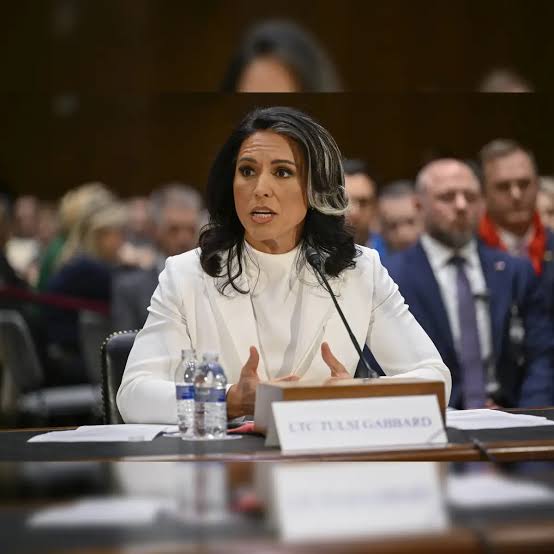
Few political figures in modern American politics have undergone a transformation as dramatic as Tulsi Gabbard. Once viewed as a progressive Democrat with anti-war principles, Gabbard has evolved into one of the most debated national security voices in Washington. Her journey from Democratic presidential candidate to Director of National Intelligence under President Donald Trump has sparked fierce political debate, media scrutiny, and public fascination.
In 2026, discussions surrounding Tulsi Gabbard intensified after multiple intelligence hearings, Iran policy disputes, surveillance controversies, and internal administration tensions became public. Critics question her evolving positions on foreign policy and intelligence powers, while supporters argue she represents a new political realignment focused on nationalism, anti-interventionism, and intelligence reform.
America is sharply divided on what Gabbard represents. Some see her as an independent thinker challenging Washington orthodoxy. Others believe her transformation reflects broader instability inside U.S. politics and national security institutions.
This spotlight examines Tulsi Gabbard’s political shift, her role in national security debates, and why her influence continues to grow across American politics.
From Democratic Star to Political Outsider
Tulsi Gabbard first gained national attention as a Democratic congresswoman from Hawaii. A military veteran and Iraq War service member, she built her political identity around anti-war messaging and criticism of regime-change interventions.
During the 2020 Democratic presidential primary, Gabbard distinguished herself by attacking establishment foreign policy. She criticized endless wars, intelligence failures, and military intervention in the Middle East. Her debate performances earned praise from some independent voters, though many Democrats viewed her positions as controversial.
Her foreign policy views often placed her at odds with Democratic Party leadership. Critics pointed to her past meeting with Syrian President Bashar al-Assad and statements regarding Russia and Ukraine. Supporters argued she was willing to engage diplomatically where others refused.
Over time, her relationship with the Democratic Party deteriorated. By 2024, Gabbard openly aligned herself with Republican populist movements and later joined the Republican Party.
Her appointment as Director of National Intelligence marked one of the most unexpected political reinventions in recent American history.
Tulsi Gabbard and the National Security Debate
National security became the defining issue of Gabbard’s new political identity. As DNI, she stepped into one of the most sensitive roles in the U.S. government, overseeing intelligence coordination during rising tensions involving Iran, China, Russia, and cyber threats.
In March 2026, Gabbard presented the Annual Threat Assessment before the Senate Intelligence Committee, outlining risks facing the United States. Official intelligence documents highlighted threats from adversarial nations including Russia, China, Iran, North Korea, and Pakistan.
The hearings quickly became controversial.
Gabbard’s testimony regarding Iran drew widespread attention because her assessment appeared more cautious than statements from President Trump. She stated there was no evidence Iran was actively rebuilding nuclear enrichment before the conflict escalated, a position that generated intense political backlash.
The disagreement triggered a broader debate:
- Should intelligence leaders provide independent assessments even when politically inconvenient?
- Is national security becoming increasingly politicized?
- Can anti-war figures effectively lead intelligence agencies?
Supporters praised Gabbard for maintaining analytical independence. Critics argued her comments undermined administration messaging during a major international conflict.
Iran Tensions and Intelligence Controversies
The Iran conflict dramatically elevated scrutiny surrounding Tulsi Gabbard’s leadership.
Several hearings and media reports suggested internal disagreements inside the administration over intelligence assessments tied to Iran’s military capabilities. Reuters reported that Gabbard publicly differentiated U.S. strategic goals from Israeli objectives during the conflict.
That distinction became politically explosive.
Conservative hawks questioned whether Gabbard’s anti-war instincts conflicted with aggressive national security policies. Meanwhile, anti-war activists viewed her as one of the few intelligence officials willing to resist escalation narratives.
Media coverage intensified after reports surfaced that President Trump privately discussed whether Gabbard should remain in her position following disputes involving Iran policy and intelligence testimony.
The story fueled speculation about fractures inside the administration and raised larger concerns about how intelligence agencies interact with political leadership.
For many Americans, the controversy represented something bigger than Tulsi Gabbard herself. It highlighted the ongoing struggle between intelligence independence and political loyalty in Washington.
The Surveillance Debate and Civil Liberties
Another major issue surrounding Gabbard involves surveillance powers and civil liberties.
Before becoming DNI, Gabbard criticized aspects of government surveillance and supported reforms to protect Americans’ privacy rights. During confirmation hearings and later public debates, she discussed concerns about Section 702 surveillance authorities while still acknowledging their importance for national security.
Reports later indicated disagreements between Gabbard and Trump allies over the renewal of surveillance programs without additional privacy protections.
This debate resonated strongly across political lines.
Conservatives worried about intelligence overreach following years of FBI and surveillance controversies. Libertarians viewed Gabbard as a rare intelligence official skeptical of unchecked surveillance powers. Progressive critics, however, questioned whether her reform rhetoric matched actual intelligence policies.
The surveillance issue remains central to Gabbard’s public image because it connects two competing priorities:
- National security protection
- Constitutional civil liberties
Balancing those priorities has become one of the defining challenges of modern American politics.
Foreign Policy Realignment and Anti-War Messaging
Tulsi Gabbard’s political evolution reflects a broader realignment happening in American foreign policy debates.
For decades, interventionist policies dominated Washington across both parties. But public frustration following Iraq, Afghanistan, and Middle East conflicts created new political space for anti-war voices.
Gabbard positioned herself within that movement early.
Her critics argue that some of her statements regarding Russia, Syria, and Ukraine echoed narratives favorable to authoritarian governments. Supporters counter that questioning interventionist assumptions should not automatically be treated as disloyalty.
This divide explains why reactions to Gabbard are often deeply emotional.
To supporters:
- She challenges failed foreign policy consensus.
- She opposes endless wars.
- She questions intelligence groupthink.
To critics:
- She undermines alliances.
- She normalizes adversarial narratives.
- She weakens trust in traditional U.S. foreign policy leadership.
The debate surrounding Gabbard mirrors larger divisions across American society regarding military intervention, intelligence agencies, and America’s global role.
Media Coverage and Public Reactions
Media reaction to Tulsi Gabbard has remained intensely polarized.
Conservative media outlets often portray her as an independent patriot willing to confront intelligence bureaucracy and political establishment narratives. Progressive outlets frequently frame her as controversial, unpredictable, or aligned with populist nationalism.
Social media has amplified every controversy tied to Gabbard’s statements and appearances. Senate hearings, intelligence testimony clips, and foreign policy remarks routinely trend online.
Public opinion appears similarly divided.
Many independent voters appreciate her military background and willingness to criticize both parties. Others remain skeptical due to past foreign policy controversies and shifting political alliances.
Her evolving relationship with President Trump has added another layer of intrigue. Reports suggesting internal tensions generated major headlines and fueled speculation about future political developments.
At the same time, Gabbard’s supporters argue she continues to maintain ideological consistency on anti-war principles despite changing party affiliations.
Why Tulsi Gabbard Matters in 2026
Tulsi Gabbard’s significance goes beyond one political figure.
She represents several major trends reshaping American politics:
1. Collapse of Traditional Political Labels
Gabbard’s journey from Democratic presidential candidate to Republican intelligence chief illustrates how political coalitions are changing rapidly in America.
2. Rising Distrust of Institutions
Debates involving intelligence agencies, media credibility, and surveillance powers reflect growing public skepticism toward institutions.
3. Anti-War Sentiment
After decades of conflict, many Americans increasingly question military intervention and intelligence narratives tied to foreign wars.
4. National Security Polarization
Intelligence assessments themselves are now politically contested, creating new tensions between expertise and political messaging.
5. Social Media Politics
Every public appearance, hearing, or statement by Gabbard instantly becomes part of a larger online political battle.
These broader forces explain why Tulsi Gabbard remains one of the most discussed political figures in America.
America Reacts: Divided but Engaged
America’s reaction to Tulsi Gabbard remains sharply divided.
Supporters see:
- Independence
- Military credibility
- Anti-war consistency
- Intelligence reform efforts
Critics see:
- Political opportunism
- Inconsistent alliances
- Controversial foreign policy positions
- National security risks
Yet regardless of political perspective, few deny her influence.
Gabbard has become a symbol of the changing political landscape where old ideological boundaries no longer fully apply. Her rise reflects broader dissatisfaction with establishment politics and growing debate over America’s role in the world.
Whether admired or criticized, Tulsi Gabbard continues to command attention because she sits at the center of some of the most important questions facing the United States:
- How should intelligence agencies operate?
- What limits should exist on surveillance?
- When should America use military force?
- Can political outsiders reshape national security policy?
These debates will likely continue shaping public conversation throughout 2026 and beyond.
The Future of Tulsi Gabbard’s Political Career
Speculation surrounding Tulsi Gabbard’s future remains intense.
Some analysts believe she could emerge as a leading voice in a new nationalist, anti-interventionist wing of American politics. Others think ongoing controversies may limit her long-term influence inside Washington.
Her future likely depends on several factors:
- Relations with the Trump administration
- National security developments
- Public opinion regarding intelligence agencies
- Future geopolitical conflicts
If global tensions continue rising, Gabbard’s role in intelligence and national security debates could become even more prominent.
At the same time, critics remain highly organized and continue questioning her judgment and political evolution.
Regardless of what happens next, Tulsi Gabbard has already secured a unique place in modern American political history.
Conclusion
Tulsi Gabbard remains one of the most fascinating and controversial figures in American politics today. Her transformation from Democratic anti-war candidate to Republican intelligence chief reflects deeper shifts happening across the United States.
The debates surrounding her leadership touch nearly every major political issue of the modern era:
- National security
- Intelligence reform
- Surveillance powers
- Foreign intervention
- Political polarization
Supporters view her as an independent voice challenging failed establishment policies. Critics see her as a deeply divisive figure whose positions raise national security concerns.
Either way, America continues watching closely.
As geopolitical tensions grow and political divisions deepen, Tulsi Gabbard’s influence on national security debates may continue shaping political conversation far beyond 2026.
FAQs
Who is Tulsi Gabbard?
Tulsi Gabbard is an American politician, military veteran, and former Democratic congresswoman who later joined the Republican Party and became Director of National Intelligence.
Why is Tulsi Gabbard controversial?
She has faced criticism over her foreign policy positions, past meeting with Syrian leader Bashar al-Assad, comments regarding Russia and Ukraine, and evolving political alliances.
What role does Tulsi Gabbard currently hold?
Tulsi Gabbard currently serves as Director of National Intelligence in the Trump administration.
What is Tulsi Gabbard’s stance on war?
Gabbard is widely known for opposing regime-change wars and advocating a more restrained U.S. foreign policy approach.
Why did Tulsi Gabbard leave the Democratic Party?
She argued that the Democratic Party had become disconnected from independent thinking and national interests, eventually aligning herself with Republican populist politics.
What happened during the Iran intelligence debate?
Gabbard’s Senate testimony regarding Iran’s nuclear capabilities appeared to differ from President Trump’s public messaging, triggering political controversy and intense media attention.
What are critics saying about Tulsi Gabbard?
Critics argue her foreign policy views sometimes align too closely with adversarial narratives and question whether her leadership style fits intelligence operations.
Why do supporters back Tulsi Gabbard?
Supporters appreciate her military service, anti-war views, criticism of interventionist policies, and willingness to challenge political establishments.
How useful was this post?
Click on a star to rate it!
Average rating 0 / 5. Vote count: 0
No votes so far! Be the first to rate this post.
About the Author

usa5911.com
Administrator
Hi, I’m Gurdeep Singh, a professional content writer from India with over 3 years of experience in the field. I specialize in covering U.S. politics, delivering timely and engaging content tailored specifically for an American audience. Along with my dedicated team, we track and report on all the latest political trends, news, and in-depth analysis shaping the United States today. Our goal is to provide clear, factual, and compelling content that keeps readers informed and engaged with the ever-changing political landscape.