CMS Hospice Moratorium: Medicare Fraud Crackdown, Healthcare Pressure, America Reacts

The CMS hospice moratorium is a temporary nationwide freeze on new Medicare enrollments for hospice and home healthcare providers. The moratorium is expected to last six months and was announced as part of a broader anti-fraud initiative tied to federal healthcare spending oversight.
According to federal officials, the action aims to stop fraudulent organizations from entering the Medicare system while regulators strengthen oversight and enforcement procedures. Existing hospice and home health providers can continue serving patients, but no new organizations will be approved during the moratorium period.
Healthcare analysts say this is one of the largest nationwide enrollment freezes ever implemented in the Medicare hospice sector.
Why CMS Is Cracking Down on Hospice Fraud
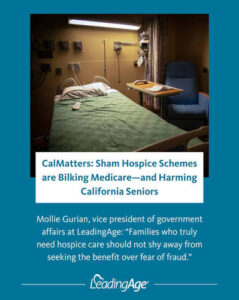
Federal authorities say hospice and home health services have become high-risk areas for Medicare fraud. In several investigations, officials uncovered suspicious billing patterns, fake patient enrollments, and organizations allegedly collecting federal funds for unnecessary or nonexistent care.
The issue gained national attention after reports linked hundreds of hospice facilities in California to questionable billing practices. Investigators alleged that some providers exploited vulnerable elderly patients and manipulated Medicare reimbursement systems.
Officials also warned that previously banned operators often create new companies under different names to continue receiving Medicare payments. The moratorium is designed to interrupt that cycle while enforcement agencies conduct additional investigations.
Supporters of the crackdown argue that Medicare fraud drains billions of taxpayer dollars every year and undermines trust in public healthcare systems.
The Role of Medicare in Hospice Care
Medicare plays a critical role in hospice and home healthcare services across America. Millions of elderly and terminally ill patients rely on Medicare-funded hospice programs for pain management, nursing support, emotional care, and end-of-life treatment.
Hospice care focuses on comfort rather than curing illness. Patients often receive services at home, in hospice centers, or within nursing facilities. Because Medicare covers much of the cost, the system depends heavily on proper billing oversight and provider accountability.
Healthcare experts say fraud in hospice programs is particularly concerning because patients receiving end-of-life care are among the nation’s most vulnerable populations.
Why Fraud Concerns Have Intensified
Several factors contributed to increased scrutiny in the hospice sector:
Rapid Growth in Hospice Providers
Over the past decade, the number of hospice agencies expanded rapidly in some states. In certain regions, investigators noticed unusually high concentrations of providers operating within small geographic areas.
That raised concerns about whether all organizations were delivering legitimate patient care.
Billing Irregularities
Federal investigators identified suspicious Medicare claims involving repeated billing patterns, questionable patient certifications, and unusually high reimbursement requests.
Weak Oversight Systems
Critics argue that existing screening procedures failed to prevent fraudulent companies from enrolling in Medicare programs. The moratorium gives CMS additional time to strengthen those systems.
Political Pressure
Healthcare fraud has become a major political issue, with federal officials emphasizing the need to protect taxpayer funds and improve government accountability.
Healthcare Industry Reactions
The healthcare industry response has been deeply divided.
Support for the Crackdown
Some healthcare organizations support stronger enforcement against fraud and abuse. They argue that dishonest providers damage the reputation of legitimate hospice agencies and divert funding away from patient care.
Advocates for stricter oversight say the moratorium could help restore public trust in Medicare-funded healthcare programs.
Concerns About Access to Care
Other industry leaders worry the freeze may unintentionally hurt patients, especially in areas already facing healthcare shortages.
The American Hospital Association warned that restricting new hospice and home health enrollments could worsen discharge delays and limit care availability in rural communities.
Some providers also fear that legitimate organizations seeking to enter underserved markets may now face unnecessary delays.
Political Debate Intensifies
The CMS hospice moratorium has quickly become part of a larger national debate about healthcare spending, fraud prevention, and federal oversight.
Supporters of the administration say aggressive enforcement is necessary to stop billions of dollars in healthcare fraud. Critics accuse federal officials of politicizing healthcare investigations and creating uncertainty within the medical system.
The issue has also fueled tensions between federal and state governments, especially after federal officials delayed Medicaid funding tied to fraud investigations in states like California.
Healthcare policy experts believe the political battle surrounding Medicare oversight will likely continue into future election cycles.
How Patients Could Be Affected
For current hospice patients, CMS officials say services will continue without interruption. Existing providers remain eligible to receive Medicare reimbursements during the moratorium period.
However, concerns remain about long-term access issues.
Potential impacts include:
- Fewer provider options in underserved regions
- Delays in expanding hospice availability
- Increased pressure on existing healthcare agencies
- Higher administrative burdens for providers
- Greater scrutiny of Medicare claims
Families already navigating difficult medical situations may also face confusion about how federal enforcement actions affect care availability.
Understanding Hospice Fraud Schemes
Healthcare fraud investigations have revealed several common tactics allegedly used by dishonest operators.
Fake Patient Enrollments
Some organizations reportedly enrolled patients who were not eligible for hospice care in order to collect Medicare payments.
Unnecessary Services
Investigators found cases where providers billed Medicare for services patients never received.
Identity Manipulation
Fraudsters sometimes created new companies after previous providers were banned from Medicare participation.
Physician Certification Abuse
Federal investigators also examined allegations involving improper physician certifications tied to hospice eligibility.
Officials say stronger screening systems and improved data analysis could help detect suspicious billing activity earlier.
The Financial Pressure on Medicare
Medicare spending continues to rise as America’s population ages. Hospice care alone represents tens of billions of dollars in annual federal spending.
That financial pressure has intensified calls for stronger anti-fraud enforcement.
Policy experts argue that even relatively small fraud percentages can translate into enormous taxpayer losses because of the size of federal healthcare programs.
The government now appears focused on balancing two competing priorities:
- Expanding healthcare access
- Preventing fraud and abuse
Achieving both goals simultaneously remains one of the biggest challenges facing U.S. healthcare policymakers.
Rural America Faces Unique Challenges
Rural healthcare providers say the moratorium could disproportionately affect smaller communities.
Many rural hospitals already struggle with staffing shortages, limited healthcare infrastructure, and financial instability. Hospice and home healthcare agencies often fill critical gaps in patient care.
Healthcare advocates warn that slowing provider expansion in these regions may increase pressure on hospitals and emergency care systems.
This concern has become central to the national conversation surrounding the CMS hospice moratorium.
America Reacts on Social Media
Public reaction online has been intense.
Many Americans support tougher fraud enforcement, especially after seeing reports of alleged abuse involving taxpayer-funded healthcare programs.
Others fear the crackdown could create barriers for elderly patients and families seeking compassionate end-of-life care.
Healthcare workers on social media platforms have expressed mixed opinions, with some praising efforts to remove fraudulent operators while others warn about unintended consequences for legitimate providers.
The debate reflects broader national anxieties about healthcare affordability, government oversight, and public trust in federal programs.
What Happens Next?
CMS officials say the moratorium is temporary, but healthcare experts expect additional reforms could follow.
Possible next steps include:
- Enhanced provider screening systems
- Expanded auditing procedures
- New Medicare billing safeguards
- Increased fraud investigations
- Stricter enrollment standards
Federal regulators may also introduce new compliance requirements for hospice and home healthcare providers.
Industry leaders are watching closely to see whether the moratorium becomes part of a longer-term restructuring effort within Medicare oversight systems.
Broader Impact on the Healthcare System
The CMS hospice moratorium could influence healthcare policy beyond hospice services alone.
Experts say the federal government may apply similar enforcement models to other areas vulnerable to healthcare fraud. The move signals a broader shift toward aggressive oversight and tighter control of federal healthcare spending.
Hospitals, insurers, physicians, and healthcare investors are all monitoring how these policies evolve.
The outcome may shape future debates over:
- Medicare sustainability
- Medicaid oversight
- Healthcare regulation
- Federal spending accountability
- Patient protection policies
Final Thoughts
The CMS hospice moratorium represents a major escalation in America’s fight against Medicare fraud. Federal officials say the action is necessary to protect taxpayer dollars and vulnerable patients, while critics warn about potential disruptions to healthcare access.
As investigations continue and political tensions rise, the debate highlights the growing pressure facing America’s healthcare system.
Balancing fraud prevention with compassionate patient care will remain a difficult challenge for policymakers, healthcare providers, and regulators alike.
For millions of Americans who depend on hospice and home healthcare services, the outcome of this crackdown could shape the future of end-of-life care in the United States.
FAQs
What is the CMS hospice moratorium?
The CMS hospice moratorium is a six-month nationwide freeze on new Medicare enrollments for hospice and home healthcare providers. It was introduced to combat fraud and abuse within the healthcare system.
Why did CMS impose the moratorium?
CMS says the moratorium is intended to stop fraudulent providers from entering Medicare programs while regulators strengthen oversight and enforcement procedures.
Will current hospice patients lose care?
No. Existing hospice providers can continue serving Medicare patients during the moratorium period.
Which states are most affected?
California has received significant attention because investigators identified large numbers of suspicious hospice providers there. However, the moratorium applies nationwide.
How does hospice fraud happen?
Fraud schemes may involve fake patient enrollments, false billing claims, identity manipulation, and improper Medicare reimbursements.
Could the moratorium hurt healthcare access?
Some healthcare groups warn that limiting new provider enrollments could reduce care availability in rural and underserved areas.
Is the moratorium permanent?
Currently, CMS says the moratorium will last six months, although future policy changes remain possible.
How useful was this post?
Click on a star to rate it!
Average rating 0 / 5. Vote count: 0
No votes so far! Be the first to rate this post.
About the Author

usa5911.com
Administrator
Hi, I’m Gurdeep Singh, a professional content writer from India with over 3 years of experience in the field. I specialize in covering U.S. politics, delivering timely and engaging content tailored specifically for an American audience. Along with my dedicated team, we track and report on all the latest political trends, news, and in-depth analysis shaping the United States today. Our goal is to provide clear, factual, and compelling content that keeps readers informed and engaged with the ever-changing political landscape.