Kevin Warsh Spotlight: Fed Policy Buzz, Economic Pressure, Wall Street Reacts
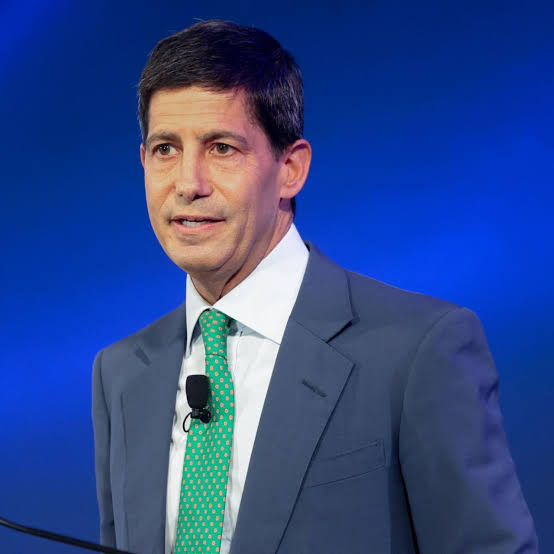
The name Kevin Warsh has suddenly become one of the most discussed topics in global finance. From Wall Street trading floors to political debates in Washington, attention is rapidly shifting toward the former Federal Reserve governor as investors attempt to predict the future direction of U.S. monetary policy.
Economic uncertainty, sticky inflation, rising geopolitical tensions, and concerns over interest rates have placed the Federal Reserve under intense scrutiny. Against this backdrop, Kevin Warsh has emerged as a central figure in conversations about central banking, inflation control, and financial market stability.
Recent reports indicate that Warsh’s appointment to lead the Federal Reserve has triggered major discussions across markets and policy circles. Investors are now debating whether his leadership could reshape interest rate policy, Treasury yields, inflation management, and the broader economic outlook.
This Kevin Warsh spotlight examines his background, policy views, Wall Street reactions, inflation concerns, and the broader economic implications of his rising influence.
Who Is Kevin Warsh?

Kevin Warsh is a former member of the Federal Reserve Board of Governors who served between 2006 and 2011 during one of the most turbulent periods in financial history. He became widely recognized during the 2008 financial crisis, where he acted as a key liaison between the Federal Reserve and Wall Street institutions.
Before joining the Fed, Warsh worked at Morgan Stanley and later served in the White House as a special assistant for economic policy. His blend of political, financial, and institutional experience helped him develop strong relationships across both government and financial markets.
Over the years, Warsh built a reputation as a policy hawk with strong views on inflation, monetary discipline, and Federal Reserve independence. Analysts often describe him as more market-oriented than traditional academic economists.
Why Kevin Warsh Is Trending in 2026
Kevin Warsh is dominating financial headlines because of his confirmation as the next chair of the Federal Reserve. The Senate recently approved his nomination amid growing economic pressure and renewed inflation concerns.
Markets are particularly focused on three major issues:
- Whether Warsh will maintain high interest rates
- How aggressively he will fight inflation
- Whether political pressure could influence Fed decisions
The timing of his rise is especially significant. Inflation remains above the Federal Reserve’s long-term target, while global oil prices and geopolitical instability continue creating volatility in financial markets. Investors are looking for signals about future monetary policy direction, and Warsh’s statements are now closely watched.
Inflation Pressure and the Federal Reserve
Inflation has become one of the defining economic challenges of the decade. Although inflation cooled from pandemic-era highs, prices remain elevated in several sectors, including housing, energy, transportation, and food.
The Federal Reserve’s primary tool against inflation is interest rate policy. Higher rates generally slow borrowing and spending, helping cool inflationary pressure. However, aggressive rate hikes can also weaken economic growth and increase unemployment risks.
Warsh has consistently argued that inflation control is essential for long-term economic stability. Reports suggest he favors maintaining credibility in monetary policy rather than rushing into rate cuts.
This stance has divided economists and investors.
Some analysts believe a disciplined approach could restore confidence in the Fed’s inflation-fighting credibility. Others worry prolonged high rates could slow economic growth and pressure consumers, businesses, and financial markets.
Wall Street Reacts to Kevin Warsh
Wall Street reactions to Warsh’s leadership have been mixed but intense. Bond markets, equity investors, hedge funds, and institutional traders are all attempting to interpret his likely policy direction.
Several financial analysts describe Warsh as relatively hawkish compared to other policy candidates. A hawkish Fed chair generally supports tighter monetary policy and higher rates to combat inflation.
Treasury yields have already responded to expectations surrounding his leadership. Reuters recently reported that investors are preparing for sustained higher yields under Warsh as inflation concerns continue rising.
At the same time, some Wall Street participants believe Warsh may ultimately adopt a more pragmatic stance once fully in office. Analysts note that Federal Reserve decisions are made collectively through the Federal Open Market Committee rather than by one individual alone.
Interest Rates Remain the Biggest Debate
The biggest question surrounding Kevin Warsh involves interest rates.
Will the Federal Reserve cut rates soon, or will rates remain elevated for longer?
This debate is shaping investor sentiment worldwide.
Some political voices have pushed for lower rates to stimulate economic activity and financial markets. However, inflation persistence complicates that strategy. Lower rates too early could reignite inflation and destabilize markets.
Reports suggest many investors no longer expect rapid rate cuts despite political pressure. Financial markets increasingly believe Warsh may prioritize inflation control over short-term market gains.
This shift has important implications for:
- Mortgage rates
- Consumer borrowing
- Corporate lending
- Stock valuations
- Treasury markets
Higher rates generally strengthen the U.S. dollar while placing pressure on speculative assets and growth stocks.
Concerns About Federal Reserve Independence
Another major issue dominating headlines is Federal Reserve independence.
Central bank independence is considered essential for maintaining investor confidence and avoiding politically motivated monetary policy decisions.
Warsh has publicly defended the importance of Fed independence in previous speeches and writings.
However, critics remain concerned about political pressure surrounding the Federal Reserve. Questions have emerged regarding how independent the institution can remain during periods of economic stress and election-driven political conflict.
Some observers fear that excessive political influence could weaken market confidence in U.S. monetary policy. Others argue Warsh’s financial market experience may help him resist short-term political demands.
This debate continues to shape public and investor perception.
Kevin Warsh and Balance Sheet Reduction
One of the most closely watched aspects of Warsh’s economic philosophy involves the Federal Reserve’s balance sheet.
During and after the 2008 financial crisis, the Fed massively expanded its balance sheet through asset purchases and emergency financial programs. This process, often called quantitative easing, injected liquidity into markets and supported economic recovery.
Warsh has indicated support for gradually shrinking the Fed’s balance sheet.
Supporters believe reducing the balance sheet could normalize monetary policy and reduce distortions in financial markets.
Critics worry that rapid balance sheet reduction could tighten financial conditions too quickly, potentially hurting growth and increasing market volatility.
Financial markets are now closely monitoring whether Warsh will accelerate this process.
Economic Pressure Facing the U.S.
Warsh enters leadership during a particularly difficult economic environment.
Key economic pressures include:
- Persistent inflation
- High borrowing costs
- Rising oil prices
- Global geopolitical tensions
- Slower economic growth
- Consumer affordability concerns
Reuters recently noted that Middle East tensions and rising energy costs are intensifying inflation fears, complicating the Fed’s policy decisions.
At the same time, businesses and consumers are already dealing with elevated financing costs. Mortgage rates remain high, credit card debt is growing, and commercial borrowing has become more expensive.
These conditions make monetary policy decisions extremely sensitive.
Supporters Believe Warsh Could Restore Confidence
Supporters of Kevin Warsh argue that his Wall Street experience and crisis-management background make him well suited for the current economic environment.
They believe his leadership could:
- Reinforce anti-inflation credibility
- Improve market communication
- Strengthen investor confidence
- Modernize Federal Reserve strategy
- Restore discipline to monetary policy
Some investors also appreciate his understanding of financial markets and banking systems.
Warsh’s supporters argue that strong leadership is necessary during periods of economic uncertainty and geopolitical instability.
Critics Warn About Market Risks
Not everyone is optimistic.
Some economists warn that overly aggressive monetary tightening could trigger economic slowdown or recession risks. Others question whether Warsh’s close ties to financial institutions could shape policy perspectives too heavily.
Economist Nouriel Roubini recently criticized aspects of Warsh’s policy thinking, warning that certain strategies could backfire under current inflation conditions.
Investor Peter Schiff also questioned whether Warsh fits political expectations regarding interest rates.
These debates highlight how divided economic opinion remains.
Global Markets Are Watching Closely
Kevin Warsh’s influence extends beyond the United States.
Federal Reserve decisions impact global financial markets, including:
- Currency values
- International trade
- Emerging markets
- Commodity prices
- Global investment flows
When the Fed changes rates, global capital movements often shift rapidly.
Emerging economies are particularly sensitive to U.S. monetary policy because higher U.S. yields can attract global investment away from developing markets.
As a result, global investors, governments, and central banks are all closely monitoring Warsh’s leadership approach.
AI, Productivity, and Economic Growth
One interesting aspect of Warsh’s recent economic commentary involves artificial intelligence and productivity growth.
Reports indicate that Warsh believes AI-driven productivity gains could help reduce inflationary pressure over time.
The theory is that technological innovation may improve efficiency, lower production costs, and boost economic output without creating excessive inflation.
However, many economists caution that productivity gains from AI may take years to fully materialize.
Still, the discussion reflects broader optimism about technology’s role in future economic growth.
Political Pressure Continues to Build
The Federal Reserve increasingly sits at the center of political debate.
Politicians often criticize Fed policies when economic conditions become difficult. Higher rates can frustrate borrowers and businesses, while inflation hurts consumers and voters.
Warsh now faces pressure from multiple sides:
- Investors seeking stability
- Politicians seeking growth
- Consumers facing affordability challenges
- Markets demanding inflation control
Balancing these competing interests will likely define his tenure.
The Future Outlook for Kevin Warsh
The coming months will be crucial for Kevin Warsh and the Federal Reserve.
Markets are watching for signs regarding:
- Future interest rate decisions
- Inflation expectations
- Balance sheet policy
- Fed communication strategy
- Economic growth forecasts
Analysts believe his first major policy meetings could significantly influence market sentiment worldwide.
If inflation remains elevated, Warsh may face pressure to maintain tighter monetary policy longer than markets previously expected.
Conversely, if economic growth weakens sharply, calls for rate cuts could intensify.
Either way, Kevin Warsh has quickly become one of the most influential figures in global finance.
Conclusion
The Kevin Warsh spotlight reflects far more than one individual’s rise within the Federal Reserve. It symbolizes a broader debate about inflation, economic stability, central bank independence, and the future direction of global monetary policy.
As economic pressures continue mounting, Wall Street, policymakers, businesses, and consumers are all closely watching the Federal Reserve’s next moves.
Warsh’s leadership style, policy priorities, and market communication could shape the economic landscape for years to come.
For now, one thing is clear: Kevin Warsh has become one of the defining financial figures of 2026.
FAQs
Who is Kevin Warsh?
Kevin Warsh is a former Federal Reserve governor and financial expert who became the new chair of the Federal Reserve in 2026.
Why is Kevin Warsh trending?
Warsh is trending because of his leadership role at the Federal Reserve during a period of inflation pressure, interest rate uncertainty, and global economic instability.
What is Kevin Warsh’s stance on interest rates?
Warsh is generally viewed as more hawkish on inflation and supportive of disciplined monetary policy, although markets are still assessing his exact policy direction.
How is Wall Street reacting to Kevin Warsh?
Wall Street reactions are mixed. Some investors support his anti-inflation approach, while others worry prolonged high interest rates could pressure markets and economic growth.
What challenges does Kevin Warsh face?
Major challenges include controlling inflation, managing interest rates, maintaining Fed independence, and responding to geopolitical and economic uncertainty.
Could Kevin Warsh influence global markets?
Yes. Federal Reserve decisions strongly affect global currencies, bond markets, stock markets, and international investment flows.
How useful was this post?
Click on a star to rate it!
Average rating 0 / 5. Vote count: 0
No votes so far! Be the first to rate this post.
About the Author

usa5911.com
Administrator
Hi, I’m Gurdeep Singh, a professional content writer from India with over 3 years of experience in the field. I specialize in covering U.S. politics, delivering timely and engaging content tailored specifically for an American audience. Along with my dedicated team, we track and report on all the latest political trends, news, and in-depth analysis shaping the United States today. Our goal is to provide clear, factual, and compelling content that keeps readers informed and engaged with the ever-changing political landscape.