Strike Very Hard:Trump Vows Heavy Hits On Iran,Panic,WW3
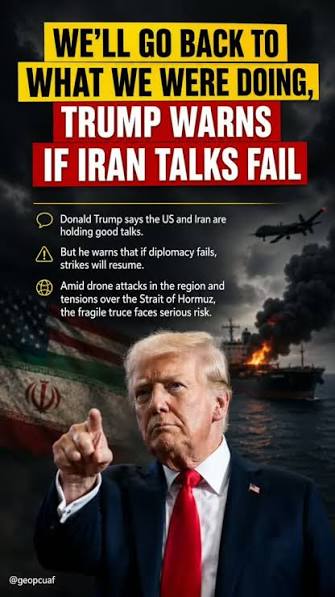
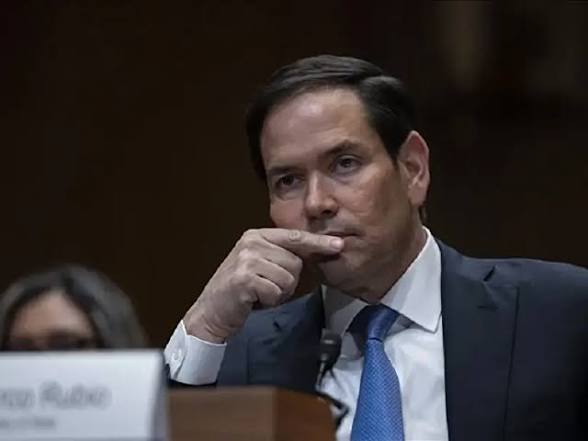
The Middle East is once again at the center of global attention after U.S. President Donald Trump warned that Iran could face severe military action if attacks against American interests continue. His statement that the United States would strike Iran “very hard” has intensified concerns about a broader regional conflict and renewed fears of a potential global crisis. Recent reports indicate that Washington is considering additional military operations while Iran has issued strong warnings against further escalation.
As tensions rise, governments, investors, energy markets, and ordinary citizens around the world are closely watching developments. Questions about oil prices, global security, military alliances, and the possibility of a larger war have become major topics of discussion.
Why Trump Issued the Warning
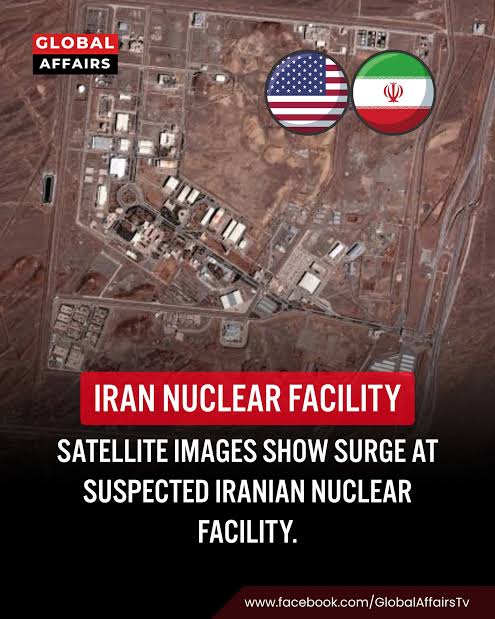
The latest warning follows a series of military incidents involving U.S. forces and Iranian-linked targets. According to recent reports, American military operations have targeted Iranian military facilities, missile sites, and drone installations. The U.S. administration argues that these actions are intended to protect American personnel and interests in the region.
Trump stated that any further attacks against American forces or allies would trigger a powerful response. Reports suggest that U.S. military planners are evaluating additional options, including strikes on strategic Iranian infrastructure if tensions continue to rise.
The warning represents one of the strongest public statements made by the administration during the current phase of the conflict.
Background of the U.S.-Iran Conflict
Relations between the United States and Iran have remained tense for decades. Disputes involving Iran’s nuclear program, regional influence, sanctions, and military activities have repeatedly brought both countries close to direct confrontation.
In recent years, military incidents involving naval forces, missile attacks, drone operations, and proxy groups have increased instability across the Middle East. The current crisis is viewed by many analysts as one of the most dangerous periods in U.S.-Iran relations.
The strategic importance of the Persian Gulf and the Strait of Hormuz makes any confrontation between the two countries a matter of global concern.
Why the Strait of Hormuz Matters
One of the biggest concerns surrounding the crisis is the Strait of Hormuz. This narrow waterway serves as one of the world’s most important energy routes.
A significant percentage of global oil exports passes through this corridor. Any disruption could impact international energy supplies and increase fuel prices worldwide.
Recent attacks and security concerns in the region have already prompted warnings from governments and shipping companies. Reports indicate growing concerns about maritime security and commercial shipping routes.
If tensions continue to escalate, energy markets could experience substantial volatility.
Recent Military Developments
The current crisis intensified after new rounds of U.S. military strikes reportedly targeted Iranian military infrastructure. These operations focused on missile facilities, command centers, and drone-related installations.
According to reports, Washington views these actions as defensive measures aimed at reducing threats to American forces and allies. Iran, however, has condemned the attacks and warned that further aggression would provoke retaliation.
Military analysts note that both sides appear determined to demonstrate strength while avoiding a full-scale war. However, the risk of miscalculation remains high.
Iran’s Response
Iranian officials have consistently warned against additional American military operations. Statements from Iranian representatives indicate that any attack on critical national infrastructure would be viewed as a major escalation.
Iran continues to emphasize its ability to respond through various military capabilities, including missile forces, naval assets, and allied groups operating across the region.
The exchange of warnings between Washington and Tehran has contributed to growing uncertainty about the future direction of the conflict.
Global Reactions
World leaders are increasingly concerned about the possibility of a wider regional war.
Many countries have called for restraint and renewed diplomatic engagement. International organizations have urged both sides to avoid actions that could further destabilize the Middle East.
European governments have expressed concern about the impact on global energy markets and international security. Several nations are also reviewing security measures for citizens and businesses operating in the region.
The conflict has become a major topic at diplomatic meetings and security discussions worldwide.
Impact on Oil Markets
Financial markets react quickly whenever tensions rise in the Middle East.
Recent reports indicate that oil prices experienced upward pressure following Trump’s warning and renewed military operations. Investors are concerned that disruptions to shipping routes or energy infrastructure could reduce global supply.
Higher oil prices can affect:
- Transportation costs
- Manufacturing expenses
- Inflation rates
- Consumer fuel prices
- Global economic growth
For this reason, traders closely monitor every development related to the U.S.-Iran situation.
Military Strength Comparison
The United States possesses one of the world’s most advanced military forces, featuring:
- Global air power
- Advanced missile systems
- Aircraft carriers
- Intelligence networks
- Cyber warfare capabilities
Iran, while smaller in overall military strength, maintains:
- Large missile inventories
- Regional influence
- Naval capabilities
- Drone technology
- Strategic geographic advantages
Experts believe that a direct conflict would likely involve multiple domains, including air operations, naval engagements, cyber warfare, and regional proxy groups.
Could This Lead to World War III?
The phrase “World War III” frequently appears on social media whenever major international tensions emerge. However, most analysts caution against assuming that current events automatically point toward a global war.
Several factors reduce the likelihood of a world war:
Strong Deterrence
Major powers understand the devastating consequences of large-scale military conflict.
Economic Interdependence
Global economies are deeply connected. A major war would create severe economic damage for many nations.
Diplomatic Channels
Even during periods of intense hostility, governments often maintain communication channels to prevent misunderstandings.
International Pressure
Global organizations and allied nations frequently push for de-escalation before conflicts spiral out of control.
Nevertheless, experts warn that regional wars can sometimes expand unexpectedly if multiple countries become involved.
The Role of Regional Allies
The Middle East contains numerous strategic partnerships and rivalries.
Countries across the region closely monitor developments between Washington and Tehran because any escalation could affect:
- National security
- Trade routes
- Energy exports
- Military cooperation
- Domestic stability
Regional governments continue strengthening defensive measures while supporting diplomatic efforts aimed at reducing tensions.
Economic Consequences of Escalation
If hostilities increase significantly, the global economy could face several challenges:
Rising Energy Prices
Oil and gas markets would likely remain volatile.
Supply Chain Disruptions
Shipping routes through key waterways could become less reliable.
Market Uncertainty
Investors typically move toward safer assets during periods of geopolitical risk.
Inflation Pressures
Higher transportation and energy costs often contribute to inflation worldwide.
For businesses and consumers, these economic effects can be substantial even if the conflict remains limited geographically.
Diplomatic Solutions Still Possible
Despite harsh rhetoric and military activity, diplomacy remains an important option.
History shows that many international crises eventually move toward negotiations after periods of heightened tension.
Potential diplomatic pathways include:
- Direct negotiations
- Third-party mediation
- Regional security agreements
- Ceasefire arrangements
- Confidence-building measures
Analysts argue that sustained diplomacy offers the most effective route toward long-term stability.
What Happens Next?
The next few weeks could prove critical.
Several factors will shape future developments:
- Iranian responses to recent military operations.
- Decisions by the U.S. administration regarding additional strikes.
- Reactions from regional allies.
- Energy market conditions.
- International diplomatic initiatives.
Reports indicate that U.S. officials are actively considering future options while maintaining pressure on Iran. At the same time, Iranian leaders continue issuing warnings against further escalation.
The situation remains fluid, and developments could change rapidly.
Conclusion
Trump’s pledge to strike Iran “very hard” has significantly increased global attention on the Middle East crisis. With military operations continuing, oil markets reacting, and governments calling for restraint, the world is closely watching every new development.
Although fears of a larger conflict have intensified, many experts believe diplomatic solutions remain possible. The coming weeks will likely determine whether tensions move toward de-escalation or further confrontation.
For now, the international community continues to monitor events carefully as one of the world’s most important geopolitical flashpoints enters another critical phase.
Frequently Asked Questions (FAQs)
Why did Trump threaten Iran?
Trump warned Iran after escalating military tensions and attacks involving U.S. interests, stating that further aggression would result in a strong American response.
Has the U.S. already launched strikes against Iran?
Yes. Recent reports indicate that U.S. forces conducted airstrikes targeting Iranian military facilities, missile sites, and command centers.
Why is the Strait of Hormuz important?
The Strait of Hormuz is a critical global shipping route through which a significant portion of the world’s oil exports passes. Disruptions can affect energy prices worldwide.
Could this conflict trigger World War III?
Most experts consider a global war unlikely at present, although the risk of regional escalation remains a serious concern.
How could the crisis affect oil prices?
Escalating tensions may increase concerns about supply disruptions, which can push oil prices higher and contribute to inflation.
Are diplomatic talks still possible?
Yes. Despite military tensions, diplomatic negotiations and international mediation efforts remain potential paths toward reducing conflict.
How useful was this post?
Click on a star to rate it!
Average rating 0 / 5. Vote count: 0
No votes so far! Be the first to rate this post.
About the Author

usa5911.com
Administrator
Hi, I’m Gurdeep Singh, a professional content writer from India with over 3 years of experience in the field. I specialize in covering U.S. politics, delivering timely and engaging content tailored specifically for an American audience. Along with my dedicated team, we track and report on all the latest political trends, news, and in-depth analysis shaping the United States today. Our goal is to provide clear, factual, and compelling content that keeps readers informed and engaged with the ever-changing political landscape.