Saudi War Link:Houthis Join Iran Conflict,Panic,WW3
The Middle East is witnessing another dangerous escalation as Yemen’s Houthi movement becomes increasingly connected to the wider Iran conflict. The possibility of the Houthis opening a new front against Saudi Arabia and regional allies has increased fears of a larger confrontation that could affect global security, energy markets, and international trade.
Recent developments involving Houthi attacks and threats against Saudi-linked targets have raised concerns that the conflict could expand beyond Iran’s borders. The Red Sea, Bab el-Mandeb Strait, and Gulf region remain critical areas where military tensions could create worldwide consequences.
For years, the Houthis have maintained close political and military ties with Iran. Analysts have often described the group as one of Tehran’s important regional partners. As tensions between Iran and its opponents increase, the role of the Houthis has become a major focus for governments watching the possibility of a broader regional war.
Houthis and Iran: Understanding the Connection
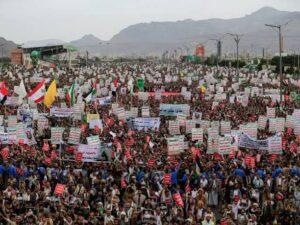
The relationship between Iran and the Houthis has shaped Middle Eastern security discussions for years. The Houthis, officially known as Ansar Allah, emerged as a powerful political and military force in Yemen after years of internal conflict.
Iran has been accused by Saudi Arabia and Western governments of providing support to the group, including military assistance and strategic backing. Tehran has denied controlling Houthi decisions, arguing that the movement operates independently.
However, the shared opposition between Iran, the Houthis, and several regional rivals has created a network of alliances that can influence conflicts across the Middle East.
When tensions rise between Iran and countries such as the United States, Israel, or Saudi Arabia, attention quickly turns toward Iran-aligned groups that could expand the battlefield.
Saudi Arabia Faces Growing Security Concerns
Saudi Arabia has become one of the central countries affected by rising Houthi activity. The kingdom shares a long border with Yemen and has previously experienced missile and drone attacks linked to the conflict.
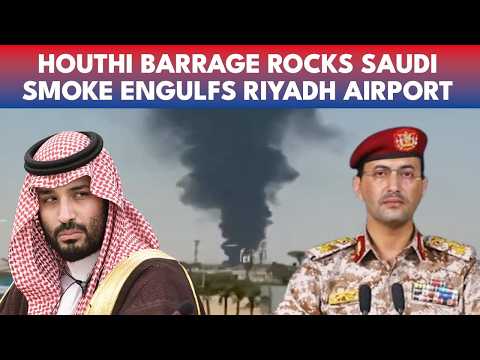
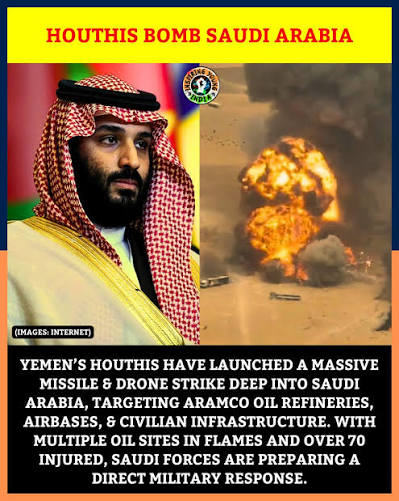
Recent Houthi actions targeting Saudi-linked infrastructure have increased fears that earlier conflicts could return with greater intensity. Reports indicate that Houthi attacks and threats involving Saudi energy facilities and Red Sea routes have created renewed security concerns.
Saudi Arabia’s oil infrastructure is particularly sensitive because the country plays a major role in global energy markets. Any disruption to production, transportation routes, or shipping lanes could affect fuel prices worldwide.
The possibility of attacks near important maritime routes has also increased concerns among international shipping companies.
Red Sea Becomes a Strategic Battlefield
The Red Sea is one of the world’s most important maritime corridors. Millions of barrels of oil and large amounts of international trade pass through nearby waterways every year.
The Bab el-Mandeb Strait connects the Red Sea with the Gulf of Aden and is considered a major global trade chokepoint. Any disruption in this area can create delays, increase shipping costs, and affect international markets.
The Houthis have previously targeted shipping routes during regional crises. Their ability to threaten maritime traffic gives them strategic importance far beyond Yemen’s borders.
A wider conflict involving Iran, Saudi Arabia, and Houthi forces could turn the Red Sea into one of the most dangerous zones for global commerce.
Is This the Beginning of a Larger Middle East War?
The phrase “WW3” has been used frequently online whenever tensions rise between major powers. While a global war is not inevitable, experts warn that uncontrolled escalation in the Middle East could create serious international consequences.
A conflict involving multiple countries could pull in:
- Iran
- Saudi Arabia
- The United States
- Israel
- Yemen-based Houthi forces
- Other regional allies
The biggest concern is not only direct military confrontation but also the possibility of a chain reaction.
For example, an attack on energy facilities could lead to military retaliation. Retaliation could create additional attacks, increasing the chance of a prolonged regional conflict.
Why Houthis Joining the Conflict Matters
The Houthis are important because of their location and capabilities.
Unlike many armed groups, the Houthis operate near some of the world’s most important shipping routes. Their missile and drone capabilities allow them to threaten targets far beyond Yemen.
A direct increase in Houthi involvement could create pressure on:
1. Saudi Energy Infrastructure
Saudi oil facilities remain a major target because disruptions could affect global energy prices.
2. International Shipping
Companies may avoid dangerous routes, increasing transportation costs and causing delays.
3. Regional Military Balance
A larger Houthi role could force Saudi Arabia and its allies to adjust their military strategies.
4. Diplomatic Efforts
Escalation could make negotiations between regional powers more difficult.
Iran Conflict and Proxy Warfare Concerns
One of the biggest issues surrounding the Middle East crisis is the role of proxy groups.
Iran has developed relationships with several armed movements across the region. These groups allow Tehran to project influence without directly fighting every battle itself.
The Houthis are considered one of the most significant examples because of their geographic position near major trade routes.
Supporters of this argument say Iran benefits when allied groups pressure its rivals. Critics argue that describing every Houthi action as directly controlled by Iran oversimplifies a complicated political situation.
The reality is that regional alliances are complex, with local interests often influencing decisions.
Economic Impact of Rising Tensions
A major regional conflict could have consequences beyond politics and security.
Oil Prices
Any threat to Saudi oil exports or Gulf shipping routes could push energy prices higher.
Higher oil prices can affect:
- Transportation costs
- Food prices
- Inflation
- Manufacturing expenses
Global Trade
Shipping companies may choose longer routes to avoid dangerous areas. This can increase delivery times and costs.
Financial Markets
Investors often react negatively to uncertainty. Military escalation can create instability in stock markets and currencies.
Recent tensions involving Saudi-linked energy sites and Red Sea shipping have already attracted attention from global markets.
Saudi Arabia’s Possible Response to Rising Houthi Threats
Saudi Arabia has historically focused on protecting its borders, energy infrastructure, and economic interests from regional threats. Any increase in Houthi involvement in a wider Iran conflict could push Riyadh to strengthen its military readiness and diplomatic coordination with allies.
The Saudi government has invested heavily in air defense systems, intelligence capabilities, and security partnerships. Protecting oil facilities and important coastal areas remains a top priority because attacks on critical infrastructure could have consequences for both national security and the global economy.
Saudi Arabia may respond through several possible approaches:
Strengthening Military Defenses
The kingdom could increase protection around:
- Oil production facilities
- Airports
- Military bases
- Red Sea ports
- Strategic infrastructure
Advanced missile defense systems and surveillance technology could play a major role in preventing future attacks.
Diplomatic Pressure
Saudi Arabia has also used diplomatic channels to reduce tensions in the region. Riyadh may work with international partners to pressure Iran and the Houthis to avoid further escalation.
Regional Cooperation
The possibility of increased Houthi activity could encourage stronger cooperation between Gulf countries. Nations concerned about regional security may share intelligence and coordinate defensive strategies.
United States Role in the Growing Crisis
The United States remains one of the most influential foreign powers in Middle Eastern security. Washington has historically maintained partnerships with Saudi Arabia and other Gulf nations.
If the Iran conflict expands and the Houthis become more active, the US could face pressure to increase its involvement.
Possible US actions could include:
- Protecting international shipping routes
- Providing intelligence support
- Strengthening regional military presence
- Supporting allies against missile and drone threats
However, direct involvement carries risks. A larger American military role could increase tensions with Iran and create the possibility of further retaliation.
The challenge for Washington is balancing regional security commitments while avoiding a conflict that spreads across multiple countries.
Israel-Iran Tensions Add Another Layer
The possibility of a wider Middle East conflict is also connected to tensions between Israel and Iran.
For years, Israel and Iran have been involved in a strategic rivalry involving military operations, intelligence activities, and regional influence.
If Iran faces pressure from Israel or Western allies, groups aligned with Tehran could become more active. This is why analysts closely watch movements by organizations such as the Houthis and other regional actors.
A conflict involving multiple fronts could create a much more complicated security situation.
Could the Houthis Trigger a Wider War?
The question many observers are asking is whether Houthi involvement could transform a regional conflict into something much larger.
The answer depends on several factors:
Scale of Attacks
Small-scale attacks may remain limited, but major strikes against important infrastructure could trigger stronger responses.
International Reaction
The involvement of major powers could determine whether tensions decrease or expand.
Diplomatic Efforts
Negotiations between regional countries could prevent further escalation.
Military Calculations
Governments must decide whether military action improves security or creates more instability.
WW3 Fears: What Experts Say
The term “World War III” often trends during major international crises. However, experts generally distinguish between regional conflicts and a true global war.
A global conflict would require direct military confrontation between major world powers on a much larger scale.
At present, concerns focus more on:
- Regional instability
- Energy disruptions
- Shipping security
- Proxy conflicts
- Diplomatic breakdowns
The Middle East remains strategically important because events there can affect countries far beyond the region.
The Human Cost of Regional Escalation
Beyond politics and military strategies, conflicts create serious humanitarian consequences.
A wider war could impact:
- Civilians living near conflict zones
- Refugee movements
- Food and fuel supplies
- Economic stability
- Regional development projects
Yemen has already experienced years of humanitarian challenges due to conflict. Any renewed escalation could make conditions more difficult for ordinary citizens.
International organizations often warn that diplomatic solutions are necessary to prevent further suffering.
Energy Markets Watch Saudi-Houthi Developments
Saudi Arabia’s position as one of the world’s largest oil producers means any security threat receives global attention.
Markets often react quickly to:
- Attacks on oil facilities
- Shipping disruptions
- Military announcements
- Regional instability
Even the possibility of conflict escalation can influence investor confidence.
Countries that depend heavily on imported energy closely monitor developments because fuel price changes can affect their economies.
What Happens Next? Possible Future Scenarios
Scenario 1: Diplomatic De-escalation
In this situation, regional powers could reduce tensions through negotiations.
Possible outcomes:
- Lower military activity
- Improved communication
- Reduced shipping risks
- Greater regional stability
Scenario 2: Limited Regional Conflict
The conflict could remain contained through controlled attacks and limited responses.
This scenario may create continued uncertainty but avoid a major war.
Scenario 3: Major Escalation
The most dangerous possibility would involve:
- Large-scale Houthi attacks
- Direct Iran involvement
- Saudi military response
- Increased US participation
Such a situation could create a serious regional crisis.
Why the Saudi-Houthi-Iran Triangle Matters Globally
The connection between Saudi Arabia, the Houthis, and Iran represents one of the most important security issues in the Middle East.
This triangle affects:
- Global oil supplies
- International shipping
- Regional alliances
- Military strategies
- Diplomatic relations
The situation demonstrates how conflicts in one part of the world can quickly affect global security and economic stability.
Conclusion: Rising Tensions Require Careful Monitoring
The possibility of Houthis becoming more involved in the Iran conflict has increased concerns about a broader Middle East crisis. While fears of a global war continue to spread, the immediate risks are focused on regional instability, energy security, and military escalation.
Saudi Arabia, Iran, the United States, and other international players now face difficult choices. A small incident could either be contained through diplomacy or become part of a larger confrontation.
The coming developments will depend on military decisions, diplomatic negotiations, and the willingness of regional powers to prevent further escalation.
The Saudi war link with Houthi involvement in the Iran conflict remains a major issue that could shape Middle Eastern security for years to come.
Frequently Asked Questions (FAQs)
1. Why are Houthis linked to the Iran conflict?
The Houthis are linked to Iran because they share strategic interests and have been accused by several governments of receiving Iranian support. Iran has denied controlling the group.
2. Could Houthi involvement lead to a wider Middle East war?
Increased Houthi activity could raise tensions, but whether it leads to a larger war depends on responses from regional and international powers.
3. Why is Saudi Arabia concerned about the Houthis?
Saudi Arabia is concerned because of its shared border with Yemen and previous attacks targeting Saudi territory and infrastructure.
4. How could this conflict affect oil prices?
Any threat to Saudi oil facilities or Gulf shipping routes could create uncertainty in global energy markets and potentially increase prices.
5. Is World War III likely because of the Iran conflict?
A global war is not inevitable. Current concerns focus mainly on regional escalation and international security risks.
6. Why is the Red Sea important in this crisis?
The Red Sea contains major shipping routes that connect global trade networks. Disruption there could affect international commerce.
7. What role could the United States play?
The US could support allies, protect shipping routes, provide intelligence, and attempt to prevent further escalation.
8. Are the Houthis controlled by Iran?
Iran provides support according to several international assessments, but the Houthis also have their own political goals and decision-making structure.
How useful was this post?
Click on a star to rate it!
Average rating 0 / 5. Vote count: 0
No votes so far! Be the first to rate this post.
About the Author

usa5911.com
Administrator
Hi, I’m Gurdeep Singh, a professional content writer from India with over 3 years of experience in the field. I specialize in covering U.S. politics, delivering timely and engaging content tailored specifically for an American audience. Along with my dedicated team, we track and report on all the latest political trends, news, and in-depth analysis shaping the United States today. Our goal is to provide clear, factual, and compelling content that keeps readers informed and engaged with the ever-changing political landscape.