Trump Says Israel: Iran Want Immediate Ceasefire After Overnight Strikes
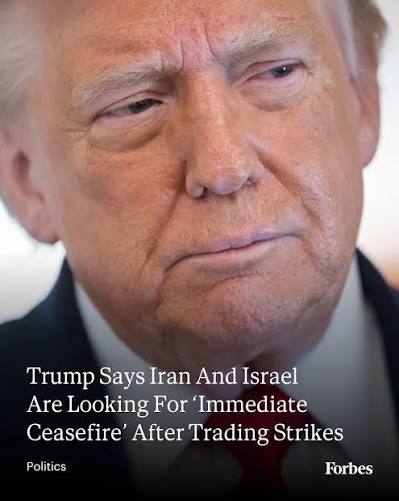
The Middle East remains on edge after a fresh round of overnight strikes between Israel and Iran raised fears of a wider regional conflict. However, in a significant diplomatic development, U.S. President Donald Trump stated that both Israel and Iran are looking to achieve an immediate ceasefire despite the recent escalation. His remarks have sparked cautious optimism among world leaders, investors, and observers who fear that prolonged hostilities could destabilize the region and impact global markets.
Trump’s comments came after a series of military exchanges that threatened to undermine previous efforts to reduce tensions. According to reports, missile attacks and retaliatory strikes occurred overnight, prompting renewed international calls for restraint. Despite the violence, diplomatic channels appear to remain active, with both sides reportedly exploring options for a rapid de-escalation.
This article examines the latest developments, the significance of Trump’s statement, the overnight strikes that triggered concern, and the potential implications for the Middle East and the wider international community.
Trump Claims Immediate Ceasefire Is Within Reach
Trump announced that Israel and Iran are “looking to do an immediate ceasefire” and suggested that final peace negotiations are already underway. He expressed confidence that diplomatic progress is being made, though he also warned that unexpected developments could still derail the process.
The statement is particularly notable because it follows one of the most serious military exchanges between the two countries since a fragile truce was established earlier this year. While neither side has publicly confirmed a finalized ceasefire agreement, Trump’s remarks indicate that negotiations may be more advanced than previously understood.
Political analysts note that ceasefire discussions often continue behind closed doors even during active military confrontations. Public statements from influential leaders can sometimes serve as signals that diplomatic breakthroughs are nearing.
Overnight Strikes Renew Fears Of Wider Conflict
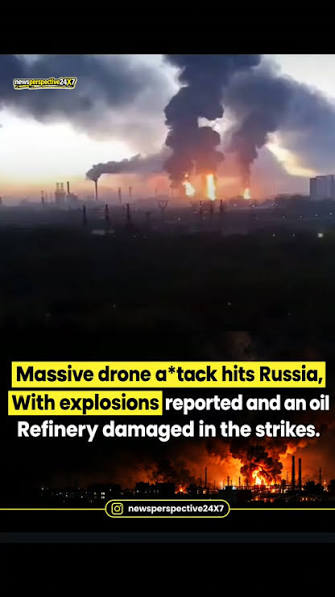
The latest crisis began when Iran and Israel exchanged attacks overnight, resulting in explosions and military activity across multiple locations. Reports indicate that Israel conducted strikes targeting sites within Iran, while Iran launched missiles toward Israeli territory in response.
Observers described the confrontation as the most significant escalation since the ceasefire that took effect earlier in the year. The exchanges prompted immediate concern among regional governments and international organizations worried that the conflict could spiral beyond the two countries.
Security experts warned that continued military action could draw in additional regional actors, creating broader instability across the Middle East. Such concerns explain why global diplomatic efforts intensified almost immediately after the strikes occurred.
Iran Signals Willingness To Halt Operations
One of the most important developments following Trump’s announcement was Iran’s indication that it had halted military operations against Israel. Iranian military officials reportedly stated that offensive actions had been suspended, while also warning that operations could resume if hostilities continue.
This move has been interpreted by some analysts as a sign that Tehran is open to diplomatic engagement. However, officials remain cautious, emphasizing that any cessation of military activities depends on reciprocal actions from Israel and broader security guarantees.
The announcement does not necessarily mean that tensions have disappeared. Rather, it suggests that both sides may be seeking an opportunity to avoid a prolonged confrontation while preserving their strategic interests.
Israel Faces Pressure To Exercise Restraint
Israel’s response to recent events has come under intense scrutiny. Reports indicate that U.S. officials, including Trump, have encouraged Israeli leaders to avoid large-scale retaliation that could derail ongoing diplomatic efforts.
According to several reports, Trump has personally urged Israeli leadership to show restraint following Iranian missile launches. These efforts reflect broader international concerns that further escalation could make negotiations impossible and increase the likelihood of a wider regional conflict.
Israeli officials continue to emphasize their country’s right to self-defense while evaluating potential responses to security threats. The balance between military deterrence and diplomatic engagement remains a central challenge for policymakers.
Why The Ceasefire Matters
A ceasefire between Israel and Iran would represent a significant diplomatic achievement given the long history of hostility between the two countries. It could reduce the immediate risk of military escalation and create space for broader negotiations addressing regional security concerns.
Several key benefits could emerge from a successful ceasefire:
1. Reduced Risk Of Regional War
The most immediate benefit would be lowering the likelihood of a larger conflict involving multiple countries. The Middle East has experienced several periods of heightened tension in recent years, and many governments are eager to avoid another major war.
2. Improved Economic Stability
Financial markets often react strongly to developments in the Middle East because of the region’s importance to global energy supplies. A ceasefire could help calm investor concerns and reduce volatility in energy markets.
3. Humanitarian Relief
Reduced military activity would decrease the risk to civilian populations and allow humanitarian organizations greater access to affected areas.
4. Opportunity For Broader Diplomacy
A ceasefire could serve as the foundation for more comprehensive negotiations involving security arrangements, regional cooperation, and confidence-building measures.
International Reactions To The Latest Developments
Governments and international organizations around the world have closely monitored the situation. Many leaders welcomed signs that diplomatic channels remain open despite the recent violence.
European nations have repeatedly called for de-escalation, while regional governments have urged all parties to avoid actions that could worsen the crisis. International diplomatic efforts have focused on encouraging restraint and maintaining communication between key stakeholders.
Global markets have also reacted cautiously to developments. Investors continue to assess the likelihood of a lasting ceasefire and the potential impact on trade routes, energy supplies, and regional stability.
The Role Of The United States
The United States remains a central player in efforts to manage tensions between Israel and Iran. Trump’s recent comments highlight Washington’s continued involvement in diplomatic initiatives aimed at reducing hostilities.
American officials have long viewed stability in the Middle East as a strategic priority due to security concerns, economic interests, and longstanding alliances. Diplomatic engagement often involves balancing support for allies with efforts to prevent broader regional conflict.
Trump’s assertion that peace talks are underway suggests that U.S. negotiators and international partners may be actively working to facilitate an agreement.
Challenges Facing Any Ceasefire Agreement
Despite optimistic statements, significant obstacles remain.
Mutual Distrust
Decades of rivalry and conflict have created deep mistrust between Israel and Iran. Building confidence sufficient to sustain a ceasefire will require careful diplomacy.
Security Concerns
Both nations continue to view each other as major security threats. Any agreement must address concerns regarding military activities, regional alliances, and future deterrence.
Regional Dynamics
Multiple actors across the Middle East have interests in the outcome of the conflict. Managing these relationships adds complexity to negotiations.
Enforcement Mechanisms
Even if a ceasefire is announced, ensuring compliance can be difficult. Effective monitoring and verification procedures are often essential for maintaining peace agreements.
What Happens Next?
The coming days will likely determine whether the current diplomatic momentum results in a lasting ceasefire or whether renewed military actions reignite the crisis.
Several developments will be closely watched:
- Official confirmation of ceasefire terms.
- Statements from Israeli and Iranian leadership.
- Continued military activity or signs of de-escalation.
- International diplomatic initiatives.
- Regional security responses.
If negotiations succeed, the agreement could represent a major step toward reducing tensions. If talks collapse, however, the risk of renewed conflict would remain significant.
Global Implications Of A Ceasefire
A successful ceasefire would have consequences extending far beyond the Middle East.
Energy markets could stabilize, reducing concerns about supply disruptions. International trade routes would face fewer security risks. Diplomatic relationships among major powers could also benefit from reduced regional tensions.
Furthermore, a ceasefire could demonstrate the effectiveness of diplomatic engagement even during periods of intense conflict. Such an outcome would be welcomed by governments seeking peaceful solutions to complex geopolitical disputes.
Conclusion
Trump’s statement that Israel and Iran are seeking an immediate ceasefire offers a potential path away from escalating conflict following overnight strikes that raised fears of a wider war. While significant challenges remain, reports of ongoing negotiations and indications that Iran has halted operations suggest that diplomatic efforts are gaining momentum.
The situation remains fluid, and much will depend on the actions of both governments in the days ahead. For now, international attention remains focused on whether diplomacy can succeed where military confrontation threatens to deepen instability.
As the world watches closely, the prospect of an immediate ceasefire provides a rare source of optimism amid one of the most volatile geopolitical situations of the year.
Frequently Asked Questions (FAQs)
What did Trump say about Israel and Iran?
Trump stated that Israel and Iran are looking to implement an immediate ceasefire and that final peace negotiations are underway.
Why are Israel and Iran in conflict?
The two countries have longstanding political, military, and strategic disagreements that have led to recurring tensions and periodic confrontations.
What happened during the overnight strikes?
Reports indicate that Israel carried out strikes inside Iran while Iran launched missiles toward Israel, marking a significant escalation in hostilities.
Has a ceasefire officially been announced?
As of the latest reports, discussions are ongoing, but both sides are reportedly exploring an immediate ceasefire.
Why is a ceasefire important?
A ceasefire could reduce the risk of a wider regional war, improve economic stability, protect civilians, and create opportunities for broader diplomatic negotiations.
How could the ceasefire affect global markets?
Reduced tensions in the Middle East could ease concerns about energy supplies and trade disruptions, potentially improving market stability.
What role is the United States playing?
The United States is actively involved in diplomatic efforts and has encouraged restraint while supporting negotiations aimed at reducing tensions.
What happens if negotiations fail?
Failure to reach a ceasefire could increase the risk of renewed military escalation and broader regional instability.
How useful was this post?
Click on a star to rate it!
Average rating 0 / 5. Vote count: 0
No votes so far! Be the first to rate this post.
About the Author

usa5911.com
Administrator
Hi, I’m Gurdeep Singh, a professional content writer from India with over 3 years of experience in the field. I specialize in covering U.S. politics, delivering timely and engaging content tailored specifically for an American audience. Along with my dedicated team, we track and report on all the latest political trends, news, and in-depth analysis shaping the United States today. Our goal is to provide clear, factual, and compelling content that keeps readers informed and engaged with the ever-changing political landscape.