TREY YINGST WARNING: Secret Middle East talks, massive military escalation
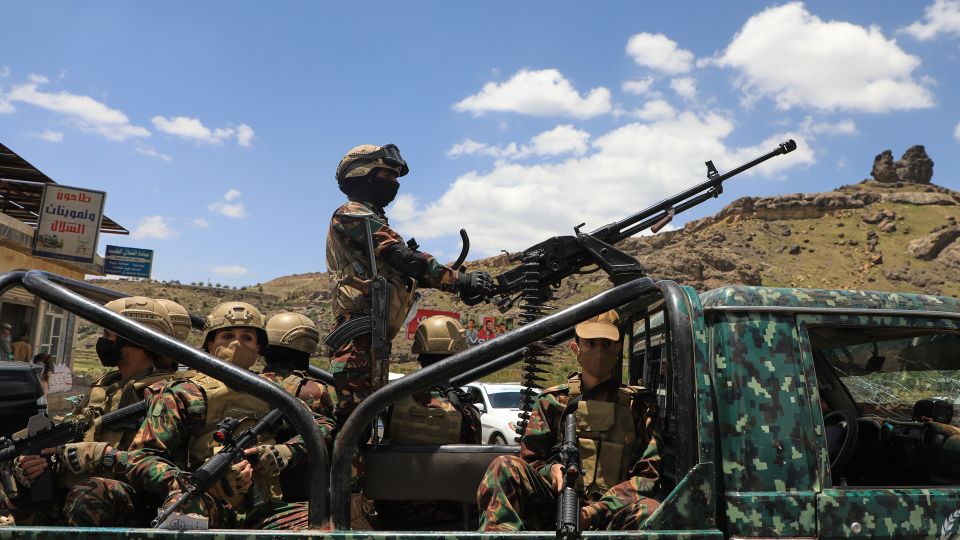
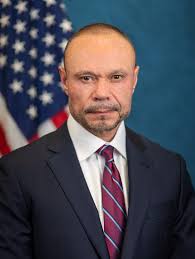
The Middle East remains locked in a dangerous period of military confrontation and diplomatic uncertainty. Fox News chief foreign correspondent Trey Yingst has been reporting extensively from the region as tensions involving the United States, Iran, Israel, Gulf states and Iran-backed groups continue to develop.
Recent reporting shows that diplomacy has not disappeared despite the ongoing conflict. At the same time, military pressure remains significant. U.S. officials and President Donald Trump have publicly discussed different options for dealing with Iran, ranging from economic pressure to potential military action.
The phrase “secret Middle East talks” therefore needs careful context. Some discussions have taken place through intermediaries, while other diplomatic contacts have been reported publicly. However, that does not establish that a secret agreement has been reached.
The latest developments are important because military escalation and diplomacy are happening simultaneously.
Trey Yingst Reports on Growing Regional Tensions

Trey Yingst has recently reported from the Middle East on U.S. military operations, Iran, the Strait of Hormuz and the expanding regional front.
Fox News’ reporting archive shows Yingst covering U.S. military activity near the Strait of Hormuz, the USS George Washington’s operations in the Arabian Sea and threats involving Iran-backed Houthis.
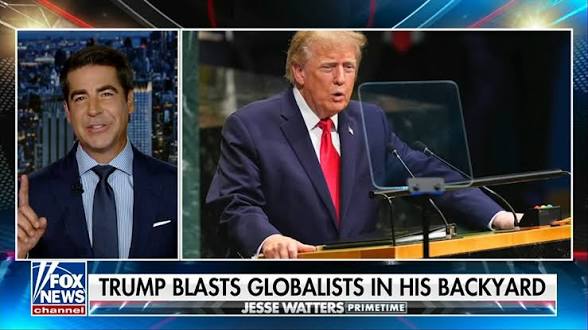
His reporting has also focused on direct comments from President Trump.
On September 20, Fox News reported that Yingst spoke with Trump as the president described himself as being in a “deciding mode” regarding Iran. According to the report, Trump was considering several possible approaches, including negotiations and further pressure.
That combination is significant.
It suggests that the current situation cannot be understood only through military developments. Diplomatic calculations remain part of the picture.
Are There Secret Talks Between the U.S. and Iran?
There is evidence of indirect diplomatic communication involving the United States and Iran.
CBS News reported on September 22 that U.S. and Iranian representatives were engaged in indirect talks at the United Nations. The same report said Iran had communicated conditions for reopening the Strait of Hormuz through intermediaries.
Iranian officials have also described messages being passed through mediators.
According to the report, Iran’s conditions included an end to the war, release of frozen funds and an end to the U.S. naval blockade.
These developments help explain why reports about “secret talks” can spread quickly.
Diplomatic negotiations in major conflicts are often conducted indirectly. Messages can move through third countries, international organizations or diplomatic intermediaries.
However, indirect communication does not automatically mean that Washington and Tehran have reached a deal.
At the time of the latest reporting, important disagreements remained.
Trump Signals That Major Decisions Are Possible
President Trump has repeatedly indicated that his administration is evaluating its next steps.
Fox News reported on September 20 that Trump said he was considering different options regarding Iran. Yingst’s report highlighted the president’s willingness to consider diplomacy while also warning of possible consequences if tensions continued.
CBS separately reported that Trump had described himself as being in a “deciding mode” concerning Iran.
This creates uncertainty over the direction of U.S. policy.
One possibility is continued economic pressure.
Another is renewed negotiations.
A third possibility is additional military action.
The public statements do not establish which path will ultimately be taken.
Military Escalation Remains a Major Concern
Military escalation is already a major feature of the conflict.
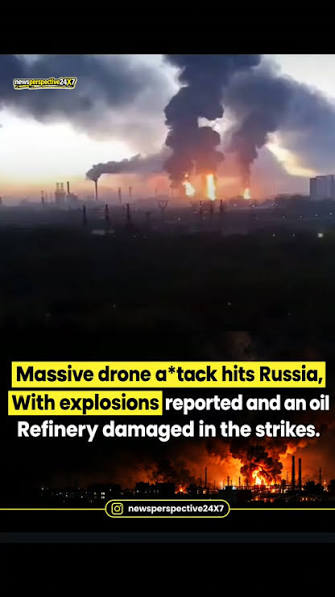
Fox News reporting has documented U.S. strikes against Iranian targets, attacks involving Iranian forces and tensions around the Strait of Hormuz.
Reuters reported in September that the conflict had entered a prolonged phase, with the United States facing challenges involving military resources, regional shipping and Iran’s continued resistance.
The situation is also complicated by Iran-backed groups.
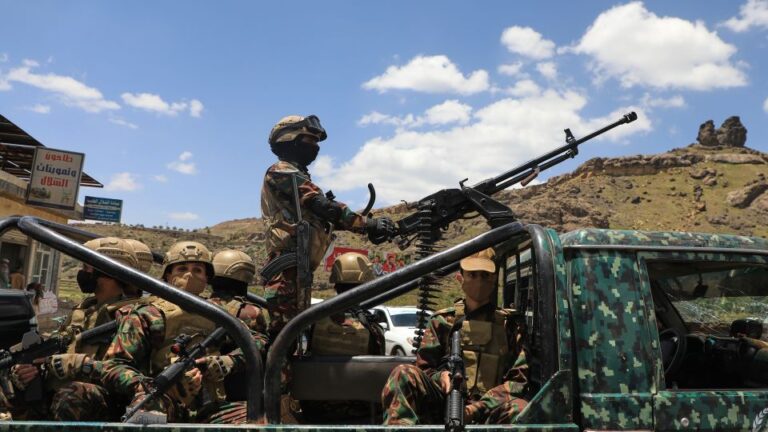
The Houthis have emerged as an additional regional pressure point. Recent reporting has described Houthi advances in Yemen and concerns over the Red Sea shipping corridor.
That means a confrontation involving Washington and Tehran can have consequences well beyond Iran’s borders.
The Strait of Hormuz Is Central to the Crisis
One of the most important locations in the current crisis is the Strait of Hormuz.
The narrow waterway is vital to global energy shipments. Any prolonged disruption can affect oil markets, shipping companies and economies far outside the Middle East.
CBS reported that Iran had communicated conditions for reopening the strait through mediators.
Al Jazeera also reported on September 20 that Iranian conditions for returning to negotiations came as regional escalation pushed oil prices above $100 per barrel.
This makes the diplomatic stakes much larger.
A disagreement between Washington and Tehran can quickly become an international economic issue.
Higher energy prices can affect transportation, manufacturing, food costs and inflation.
Gulf States Face Their Own Security Risks
Saudi Arabia and other Gulf countries are also directly affected by the conflict.
Recent reporting has highlighted attacks against regional infrastructure and concerns about Iranian retaliation or actions by Iran-backed groups.
Reuters reported that the war had increased pressure on Gulf states and complicated U.S. relations with regional partners.
The UAE has also called for greater regional security discussions involving Iran and Gulf states.
Anwar Gargash, a senior adviser to the UAE president, argued that Gulf states should have a central role in security discussions involving Iran.
This demonstrates that regional diplomacy is broader than U.S.-Iran negotiations.
Saudi Arabia, the UAE, Qatar, Oman and other states have their own security interests.
Oman and Other Mediators Could Matter
Oman has previously played an important role in U.S.-Iran communication.
CBS reported in August that Secretary of State Marco Rubio had described progress in talks involving Iran and Oman concerning the Strait of Hormuz, although no final agreement had been reached at that time.
This diplomatic channel matters because Washington and Tehran have limited trust.
Third-party mediation can allow both sides to communicate without requiring direct public negotiations.
Qatar has also been mentioned as a channel for Iranian messages.
Such diplomacy does not guarantee an agreement. However, it can create opportunities for de-escalation even while military forces remain on alert.
Why Military and Diplomatic Tracks Can Happen Together
It may seem contradictory for governments to conduct talks while preparing for military action.
In reality, the two tracks can operate simultaneously.
A government may increase military pressure while negotiating because it wants greater leverage.
At the same time, diplomats may seek an agreement because military escalation can become expensive and unpredictable.
The current U.S.-Iran confrontation illustrates this tension.
Public statements have included warnings of further action. At the same time, reports indicate that messages have continued through intermediaries.
Therefore, reports about possible talks should not automatically be interpreted as evidence that military action has been cancelled.
Likewise, military preparations do not necessarily prove that diplomacy has failed.
The Houthi Factor Adds Another Layer
The Houthi movement has become a major factor in the wider regional crisis.
The group operates in Yemen and has links to Iran. Its actions around the Red Sea have raised concerns about international shipping.
Recent reports said Houthi forces were advancing in Yemen while Saudi-backed forces faced pressure.
Reuters has also described the importance of the Red Sea and Bab el-Mandeb shipping route to the wider conflict.
This creates a difficult strategic problem.
A military response against Iran could potentially trigger reactions from allied or aligned groups elsewhere in the region.
As a result, Washington has to consider several fronts simultaneously.
Could the Conflict Expand Further?
There is no reliable basis for saying that a specific new military escalation is certain.
However, the current conditions create multiple pathways for escalation.
A new attack on U.S. forces could produce retaliation.
An attack affecting Gulf infrastructure could generate additional military responses.
A disruption of major shipping routes could increase international pressure.
At the same time, successful diplomacy could reduce those risks.
The Washington Institute recently argued that Gulf states would be important partners in any attempt to develop a diplomatic solution involving Iran. It also noted that Gulf governments have concerns about retaliation against their infrastructure.
That highlights the central challenge: military pressure can create leverage, but it can also produce new security risks.
What Trey Yingst’s Reporting Shows
The most important takeaway from Trey Yingst’s recent reporting is not that a particular outcome has already been decided.
Instead, his coverage illustrates how quickly the situation is changing.
His recent reports have covered:
- U.S. military operations in the Middle East
- Iranian attacks and responses
- The Strait of Hormuz
- Houthi activity
- Gulf security concerns
- Trump’s discussions about Iran
- Possible diplomatic contacts
Fox News’ archive shows that Yingst has continued reporting from the region as these developments unfold.
That makes his reporting relevant to understanding the sequence of events, but individual claims about future military operations should still be distinguished from confirmed events.
What to Watch Next
Several developments could determine the next phase of the crisis.
1. U.S.-Iran diplomatic contacts
Any confirmed meeting or agreement would be significant.
The key issues include sanctions, the naval blockade, the Strait of Hormuz and the broader conflict.
2. Strait of Hormuz shipping
Commercial shipping activity will remain an important indicator of regional stability.
A reopening could reduce some economic pressure, while prolonged disruption could create additional market stress.
3. Houthi military activity
Developments in Yemen and the Red Sea could influence decisions in Washington, Riyadh and other regional capitals.
4. U.S. military deployments
Changes in naval deployments, air operations or defensive measures could signal changing military priorities.
However, military movements alone should not automatically be interpreted as proof of an imminent attack.
5. Diplomatic mediation
Oman, Qatar and other regional intermediaries could continue carrying messages between opposing sides.
Such efforts may become especially important if both sides seek a way to reduce the risk of a wider war.
Why Headlines About “Secret Talks” Need Verification
The phrase “secret talks” is powerful, but readers should distinguish between confirmed negotiations and reports based on anonymous sources or indirect communications.
A diplomatic message passed through Oman or Qatar is not necessarily the same thing as a formal bilateral negotiation.
Similarly, an official discussing possible talks does not mean an agreement exists.
Reliable reporting should therefore answer several questions:
- Who confirmed the talks?
- Which governments are participating?
- Are the talks direct or indirect?
- What issues are being discussed?
- Has either side confirmed an agreement?
- Are the reported terms independently verified?
These questions are particularly important during an active conflict.
Economic Consequences Could Be Significant
The crisis has already affected energy markets.
Al Jazeera reported that oil prices had moved above $100 per barrel amid regional escalation, while CBS later reported signs of easing in oil prices as reports emerged about Saudi pipeline operations and possible discussions concerning the Strait of Hormuz.
The economic consequences can extend far beyond the region.
Energy prices affect:
- Transportation
- Electricity costs
- Manufacturing
- Inflation
- International trade
- Consumer prices
For countries that import large quantities of energy, prolonged instability can create additional economic pressure.
Bottom Line on the Trey Yingst Middle East Warning
Trey Yingst’s recent reporting comes amid one of the most complex periods of the current U.S.-Iran confrontation.
There are credible reports of indirect diplomatic communication. There are also continuing military operations and serious regional security concerns.
However, reports of “secret Middle East talks” should not be presented as proof of a completed agreement.
Likewise, reports of possible military escalation should not be treated as confirmation that a new major attack is inevitable.
The evidence currently points to a fluid situation in which diplomacy, military pressure and regional security concerns are developing simultaneously.
The next major developments are likely to involve U.S.-Iran negotiations, the Strait of Hormuz, Gulf security and Houthi activity.
For readers following the story, the most important distinction is between what has been confirmed, what officials have said they are considering, and what remains speculation.
FAQs
1. Who is Trey Yingst?
Trey Yingst is Fox News’ chief foreign correspondent and has extensively covered conflicts and security developments in the Middle East.
2. What is the Trey Yingst Middle East warning about?
Recent Yingst reporting has focused on escalating tensions involving the United States and Iran, military operations, Gulf security and potential diplomatic developments.
3. Are the U.S. and Iran holding secret talks?
There have been reports of indirect U.S.-Iran communication through intermediaries. CBS reported on indirect talks at the United Nations and Iranian messages delivered through mediators.
4. Is a major military escalation confirmed?
Military escalation is already occurring, but reports about future operations should be distinguished from confirmed military actions. Current reporting does not establish that a specific future attack is certain.
5. Why is the Strait of Hormuz important?
The Strait of Hormuz is a critical energy-shipping route. Disruptions can affect global oil markets and international trade.
6. What role does Oman play?
Oman has served as an intermediary in U.S.-Iran diplomacy. Earlier reporting documented discussions involving Iran and Oman concerning the Strait of Hormuz.
7. Are the Houthis involved in the wider crisis?
Yes. Houthi military activity in Yemen and around Red Sea shipping routes has become an important part of the broader regional security situation.
8. Could diplomacy stop further escalation?
Diplomatic communication can create opportunities for de-escalation, but the outcome depends on the positions of the United States, Iran and regional actors. No final outcome should be assumed before an agreement is officially confirmed.
9. Why are Gulf countries concerned?
Gulf states face risks from attacks on infrastructure, shipping disruptions and possible retaliation connected to the wider conflict. Regional officials have therefore called for greater involvement in security discussions.
10. What should readers watch next?
The most important indicators are confirmed diplomatic meetings, developments around the Strait of Hormuz, U.S. military deployments, Iranian actions and Houthi activity in the Red Sea region.
How useful was this post?
Click on a star to rate it!
Average rating 0 / 5. Vote count: 0
No votes so far! Be the first to rate this post.
About the Author

usa5911.com
Administrator
Hi, I’m Gurdeep Singh, a professional content writer from India with over 3 years of experience in the field. I specialize in covering U.S. politics, delivering timely and engaging content tailored specifically for an American audience. Along with my dedicated team, we track and report on all the latest political trends, news, and in-depth analysis shaping the United States today. Our goal is to provide clear, factual, and compelling content that keeps readers informed and engaged with the ever-changing political landscape.