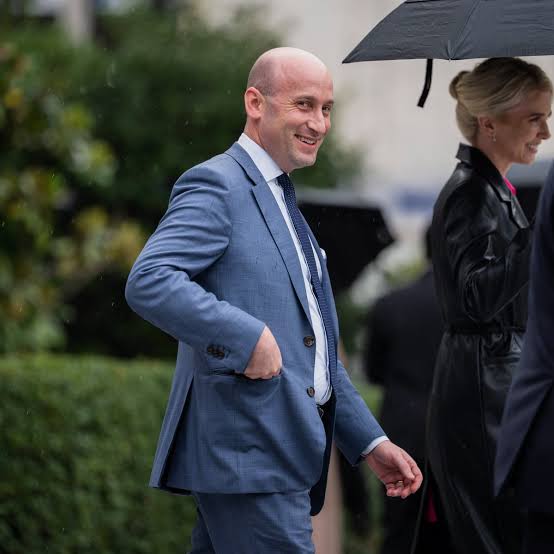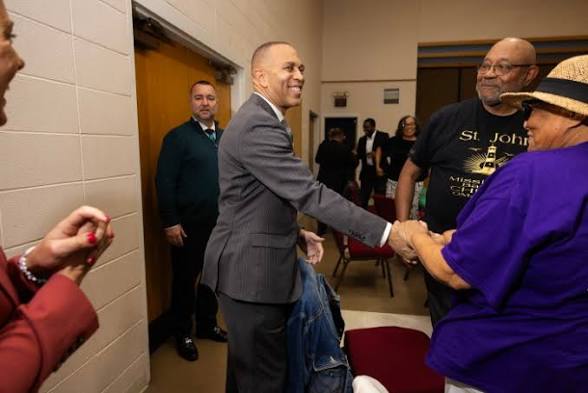
President Donald Trump has announced a major leadership shakeup at the White House, naming longtime adviser Stephen Miller as his next chief of staff. The decision places one of the administration’s most influential and outspoken policy figures in one of the most powerful positions in American government.
Miller will replace Susie Wiles, who has served as Trump’s chief of staff and helped manage the administration’s political and operational priorities. According to the announcement, Miller will officially take over on Monday, November 9, 2026.
The appointment comes at a critical moment for Trump. Republicans have suffered major losses in the recent midterm elections, while Democrats are preparing to take greater control of Congress. The administration now faces increased political pressure, congressional investigations and renewed questions about its domestic and foreign policy decisions.
By choosing Miller, Trump appears determined to maintain his political direction rather than make a significant shift toward compromise.
The move also raises important questions about the future of the White House, immigration policy, executive authority and relations between the administration and Congress.
Trump Announces Stephen Miller As New White House Chief Of Staff

Trump announced Miller’s promotion on November 6, praising his longtime adviser and describing him as one of his most trusted members of the administration.
The president confirmed that Miller would become chief of staff beginning November 9.
The announcement also addressed Wiles’ departure from the position. Trump said she would move to his political operation after completing her work as chief of staff.
Miller has been closely involved in Trump’s political and policy operations for years. He previously served as deputy chief of staff and played an important role in shaping several major administration priorities.
His promotion therefore represents more than an ordinary personnel change.
It places a trusted political strategist at the center of White House decision-making.
The chief of staff manages the president’s staff, coordinates policy discussions and helps determine which issues receive presidential attention. The position also connects the White House with federal agencies, lawmakers and outside political organizations.
Miller’s new responsibilities will give him an even greater role in coordinating the administration’s agenda.
According to reporting by Reuters, the appointment signals that Trump intends to maintain his existing policy direction despite the Republican Party’s midterm setbacks.
Reuters+2
Why Stephen Miller’s Appointment Matters
Stephen Miller is not a conventional political appointment.
He has been one of Trump’s closest advisers and a central figure behind several of the president’s most controversial domestic policy initiatives.
His influence has extended beyond immigration. Miller has also worked on federal government restructuring, executive authority and the administration’s broader political messaging.
His appointment matters for three major reasons.
First, it gives Miller greater control over the daily operations of the White House.
Second, it places a strong supporter of Trump’s America First agenda in a position to coordinate policy across government departments.
Third, it sends a political message that the president is not planning to abandon his core priorities after the midterm election losses.
The decision could also affect how the White House handles disagreements with Democratic lawmakers.
With Democrats preparing to exercise greater congressional oversight, the administration may face more difficult negotiations. Miller’s reputation for a firm and uncompromising political approach could shape how those disagreements develop.
For Trump, the appointment offers continuity and loyalty.
For his critics, however, it raises concerns about whether the administration will become even more confrontational.
Who Is Stephen Miller? A Look At Trump’s Longtime Adviser
Stephen Miller has been associated with Trump’s political movement since its early days.
Born in 1985, Miller built his political career through conservative activism and work in Washington. Before joining Trump’s political operation, he worked as a congressional staffer and developed a reputation for his strong positions on immigration and national security.
He became nationally prominent during Trump’s 2016 presidential campaign.
Miller helped develop the campaign’s messaging and policy positions. After Trump entered the White House in 2017, Miller became a senior adviser and played a significant role in shaping the administration’s immigration agenda.
His influence continued during Trump’s political comeback and second administration.
Since Trump returned to office in January 2025, Miller has served as deputy chief of staff. However, his influence has often extended well beyond the responsibilities normally associated with that title.
He has been closely involved in some of the administration’s most important policy decisions.
His supporters describe him as an effective strategist who understands Trump’s political priorities. Critics, meanwhile, argue that his policy positions have contributed to an increasingly aggressive approach to immigration and presidential power.
Regardless of political opinion, Miller’s appointment confirms his growing influence within the administration.
Immigration Policy Could Become An Even Bigger Priority
Immigration is one of the areas where Miller has had the greatest influence.
He has been a leading supporter of Trump’s efforts to strengthen border enforcement, expand deportations and increase immigration arrests.
During the second Trump administration, Miller helped drive an ambitious enforcement strategy. Reuters reported that the administration had pursued a target of approximately 3,000 immigration arrests per day.
The strategy has generated intense debate across the United States.
Supporters argue that stronger enforcement is necessary to protect national borders, enforce immigration laws and improve public safety.
Opponents believe the approach risks separating families, targeting people without criminal records and creating fear in immigrant communities.
The disagreement is likely to continue as Miller takes over the chief of staff position.
His promotion could mean that immigration remains one of the administration’s highest priorities.
However, the appointment alone does not establish that a particular new immigration policy will be introduced.
The more immediate question is whether Miller will coordinate existing enforcement plans more aggressively and how the White House will respond to congressional opposition.
Democratic lawmakers have already indicated that they intend to examine the administration’s immigration operations.
That could place Miller at the center of future political and legal disputes.
Republican Midterm Defeat Creates A Difficult Situation For Trump
The leadership change comes after a difficult midterm election for Republicans.
The party’s losses have changed the political environment surrounding Trump’s presidency. Democrats are preparing to gain greater control of Congress, creating new obstacles for the administration.
A divided government can make it harder for a president to pass legislation.
Congressional committees can also increase oversight, request government records and investigate executive branch decisions.
For Trump, the timing makes the chief of staff appointment particularly important.
The president needs someone who can coordinate his administration while preparing for a more hostile congressional environment.
Miller has spent years defending Trump’s agenda and working with the president’s political allies.
His appointment suggests that Trump values loyalty and policy continuity as he enters this new phase of his presidency.
However, the strategy also carries risks.
A more confrontational White House could struggle to build support for legislation requiring Democratic votes.
It could also increase tensions between the executive and legislative branches.
The coming months will show whether Miller can balance political loyalty with the practical demands of governing.
Susie Wiles Leaves A Major Role In The White House
Miller’s promotion also marks the end of Susie Wiles’ tenure as White House chief of staff.
Wiles made history as the first woman to hold the position.
She brought decades of political experience to Trump’s administration and played an important role in his successful 2024 presidential campaign.
Her management style was widely associated with discipline, organization and an effort to maintain stability inside the White House.
The chief of staff position requires more than political loyalty. It demands the ability to manage competing personalities, organize presidential priorities and maintain communication between different parts of the administration.
Wiles was considered an important figure in managing those responsibilities.
Her departure therefore raises questions about how the White House will operate under new leadership.
Trump has said Wiles will move to his political operation. This suggests that she may continue to play a role in his broader political activities.
Her experience could remain valuable as Republicans prepare for future elections.
However, her departure removes an established management figure from the daily operations of the West Wing.
Miller will now face the challenge of maintaining organizational discipline while advancing the president’s political priorities.
What Does The White House Chief Of Staff Actually Do?
The White House chief of staff is one of the most influential positions in the federal government.
Although the role does not have the same constitutional status as the president or vice president, it carries considerable practical authority.
The chief of staff acts as the president’s senior administrative coordinator and helps manage the executive branch’s daily political operations.
The responsibilities generally include:
Managing White House staff: Coordinating employees and senior advisers across different offices.
Controlling presidential access: Helping organize meetings and determine which issues reach the president.
Coordinating policy: Ensuring that departments and advisers work toward shared administration priorities.
Managing political relationships: Maintaining communication with congressional leaders and political allies.
Handling internal disputes: Resolving disagreements between senior officials and competing policy teams.
Supporting presidential decisions: Providing information and coordinating the implementation of the president’s agenda.
The position can become particularly important during political crises.
When an administration faces congressional investigations, falling approval ratings or major policy disagreements, the chief of staff often becomes a central figure in managing the response.
Miller will inherit these responsibilities at a particularly challenging time.
He must help Trump maintain control of his administration while preparing for stronger opposition from Congress.
Democrats Prepare For A More Confrontational Relationship
Miller’s appointment has already attracted criticism from Democratic leaders.
According to Reuters, incoming Democratic House leader Hakeem Jeffries described Miller as a reckless extremist following the announcement.
The criticism reflects broader disagreements over Miller’s immigration policies and his approach to presidential authority.
Democrats have indicated that they intend to investigate several areas of the Trump administration.
Immigration enforcement is expected to remain a major issue.
Other potential areas of scrutiny include federal workforce changes, executive decisions and the administration’s handling of foreign policy.
Miller could become an important figure in responding to these challenges.
As chief of staff, he will help coordinate the White House’s approach to congressional oversight and political negotiations.
However, the administration will need to consider the practical consequences of an increasingly difficult relationship with Congress.
Democrats will have greater opportunities to question officials, request information and challenge administration policies.
The White House could therefore face a period of sustained political conflict.
Miller’s Foreign Policy Influence Could Attract More Attention
Although Miller is best known for his domestic policy work, his influence has also extended into foreign policy discussions.
He has supported several major Trump administration positions involving Iran and military operations.
Reuters reported that Miller backed US military strikes against suspected drug boats and praised US and Israeli strikes in Iran.
These positions have attracted legal and political debate.
Military operations involving suspected drug trafficking vessels have raised questions about the legal authority for such actions.
The administration’s approach toward Iran has also generated concerns about regional security, military escalation and economic consequences.
Miller’s appointment could increase attention on his role in these discussions.
However, the chief of staff does not independently determine American foreign policy.
The president remains the central decision-maker, while the State Department, Defense Department, intelligence agencies and national security officials continue to perform their respective responsibilities.
Miller’s influence will depend on how Trump chooses to involve him in those decisions.
His new position could nevertheless give him a greater opportunity to coordinate discussions between the president and senior officials.
Why Trump Chose Miller Instead Of Another Political Adviser
Trump’s decision to promote Miller appears closely connected to their longstanding working relationship.
The president has repeatedly relied on advisers who understand his political priorities and support his approach to governing.
Miller has been part of Trump’s political operation for years.
He understands the administration’s messaging, policy goals and internal decision-making processes.
That experience could make the transition easier than appointing someone unfamiliar with the White House.
There are several possible reasons behind Trump’s choice.
1. Political loyalty
Miller has remained a consistent supporter of Trump and his America First agenda.
2. Policy experience
He has worked on several major administration initiatives, particularly immigration and government restructuring.
3. Institutional knowledge
His experience across Trump’s first and second administrations gives him familiarity with White House operations.
4. A message of continuity
The appointment suggests that Trump intends to maintain his political direction despite recent election setbacks.
5. Greater control over administration priorities
Miller’s experience could help the president coordinate policy decisions and manage disagreements between senior officials.
Together, these factors help explain why Trump selected a longtime adviser for the position.
What The Appointment Means For The America First Agenda
The America First agenda has been central to Trump’s political identity.
It includes stricter immigration enforcement, stronger border security, changes to international trade relationships and a greater emphasis on American interests in foreign policy.
Miller has helped shape several of these priorities.
His appointment could therefore reinforce the administration’s commitment to its existing political platform.
The decision also sends a message to Trump’s supporters.
Rather than choosing a figure associated with a major political reset, Trump has selected someone closely connected to the movement that brought him back to the White House.
For conservative supporters, this may be a sign that the administration intends to remain focused on its original promises.
For opponents, it could represent a continuation of policies they strongly reject.
The political consequences will depend on how Miller approaches his expanded responsibilities.
He will need to ensure that policy decisions translate into effective government action.
That requires coordination, planning and communication across multiple departments.
The biggest test will be whether the administration can deliver its priorities while facing a more powerful Democratic opposition.
Could Miller Change The White House Management Style?
One of the biggest questions following the announcement concerns the difference between Miller and Wiles.
Wiles was widely associated with political experience and organizational management.
Miller, meanwhile, is known primarily for policy development, political messaging and his strong commitment to Trump’s agenda.
Those differences could influence the atmosphere inside the White House.
The chief of staff must manage personalities with different interests and responsibilities. Cabinet members, senior advisers and political officials often disagree over priorities.
A successful chief of staff must find ways to resolve those disagreements without creating unnecessary disruption.
Miller’s experience with the administration could help him understand its internal structure.
However, managing the entire White House is different from developing individual policy proposals.
His ability to coordinate senior officials will be closely watched.
The transition could also affect how quickly the president receives advice and makes decisions.
If Miller establishes an effective management system, the administration may become more coordinated.
If internal disagreements increase, the leadership change could create additional challenges.
For now, the full impact of his management approach remains uncertain.
The Political Risks Facing The New Chief Of Staff
Miller is entering the role at a time when the administration faces several significant challenges.
The first is congressional oversight.
Democrats are preparing to use their increased political influence to investigate government decisions and question administration officials.
The second challenge is public opinion.
Reuters reported that its recent polling found greater public disapproval than approval of the administration’s immigration crackdown.
This creates a difficult political situation for an adviser who has helped shape that policy.
The third challenge is the economy.
The administration must address concerns connected to inflation, international tensions and the financial consequences of its policy decisions.
The fourth challenge is foreign policy.
Developments involving Iran and other international issues could demand considerable attention from the White House.
Miller will need to coordinate responses while ensuring that domestic political priorities do not lose attention.
Finally, he must manage the expectations of Trump’s supporters.
Many Republicans want the administration to deliver on its campaign promises. Others may prefer a more moderate approach after the midterm results.
Balancing those competing expectations will not be easy.
What Happens Next At The White House?
Miller’s appointment takes effect on November 9.
The immediate priority will be managing the leadership transition and establishing his responsibilities within the West Wing.
He will likely need to work closely with cabinet members, senior advisers and the president’s political team.
The administration will also need to prepare for the new congressional environment.
Democrats are expected to increase scrutiny of Trump’s policies, making coordination between the White House and federal agencies particularly important.
Several developments will help determine whether the appointment succeeds.
These include:
Whether Miller maintains discipline among senior White House officials.
How the administration responds to congressional investigations.
Whether immigration enforcement remains a central priority.
How Trump approaches negotiations with Democratic lawmakers.
Whether the White House changes its communication strategy.
How the administration handles economic and foreign policy challenges.
These issues will provide an early indication of Miller’s leadership style.
The appointment is confirmed, but its long-term consequences are still developing.
A Major Political Signal From Trump
Trump’s decision to name Stephen Miller as chief of staff is one of the most significant White House personnel changes of the current political period.
It places a longtime adviser with considerable policy influence in a position of greater administrative authority.
The timing is particularly important.
Republicans are dealing with midterm election losses, Democrats are preparing for stronger congressional oversight and the administration faces growing pressure over several domestic and foreign policy decisions.
Rather than responding with a dramatic change in personnel or policy direction, Trump has chosen a trusted ally.
That decision suggests continuity in the president’s political strategy.
Miller’s success will depend on more than his relationship with Trump. He must also demonstrate that he can manage the White House, coordinate federal officials and navigate an increasingly difficult political environment.
The coming weeks will offer the first indication of how the new leadership arrangement works.
One thing is clear: the White House is entering a new chapter, and Stephen Miller will have a central role in shaping it.
Frequently Asked Questions (FAQs)
1. Who has Donald Trump named as the new White House chief of staff?
President Donald Trump has named Stephen Miller as the new White House chief of staff. Miller previously served as deputy chief of staff and was one of Trump’s closest political advisers.
2. When will Stephen Miller officially become chief of staff?
Miller is scheduled to officially assume the position on Monday, November 9, 2026, following Trump’s November 6 announcement.
3. Why is Susie Wiles leaving her position?
Susie Wiles is leaving the chief of staff position and moving to Trump’s political operation. Trump praised her service and described her work positively.
4. What is Stephen Miller known for?
Miller is best known for his work on Trump’s immigration policies, border security agenda, conservative political messaging and efforts to reshape the federal government.
5. Will Miller change Trump’s immigration policies?
His appointment suggests continuity rather than an immediate policy reversal. However, any future changes will depend on decisions made by Trump and his administration.
6. Why is Miller’s appointment controversial?
Miller has attracted criticism for his strong immigration positions and support for expansive presidential authority. Democrats have raised concerns about his influence over administration policies.
7. What does the White House chief of staff do?
The chief of staff manages White House operations, coordinates senior advisers, organizes presidential priorities and helps oversee communication between the president and government officials.
8. How could Miller’s appointment affect relations with Democrats?
The appointment could contribute to a more confrontational relationship, particularly as Democrats prepare to investigate administration policies and increase congressional oversight.
9. Was Stephen Miller previously a White House official?
Yes. Miller served as a senior adviser during Trump’s first administration and later became deputy chief of staff during Trump’s second administration.
10. What does this appointment mean for Trump’s second term?
It signals that Trump intends to maintain his existing political direction while relying on a trusted adviser to manage the White House during a challenging period.
About the Author