Trump Issues Urgent Demand To Iran: Ceasefire Wobbles After Overnight Strikes
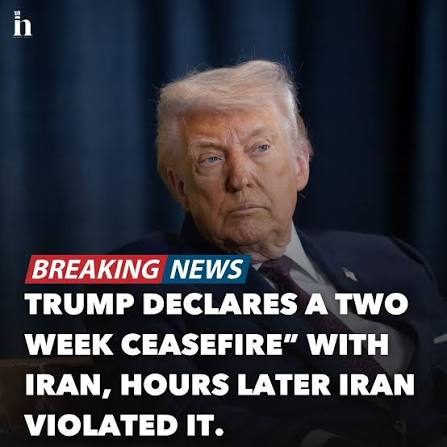
The fragile ceasefire effort between Iran and Israel faced a major test after a fresh wave of overnight strikes reignited fears of a broader regional conflict. Amid escalating tensions, U.S. President Donald Trump issued an urgent public demand calling on both sides to stop military operations immediately and return to diplomacy.
The latest developments come after reports of missile launches, retaliatory airstrikes, and renewed military activity that threatened to derail ongoing peace efforts. While officials on multiple sides continue to speak about a possible ceasefire agreement, events on the ground suggest that the situation remains highly volatile. Recent reports indicate that Trump has been actively urging restraint and pushing for an immediate halt to hostilities as diplomatic negotiations continue.
This article examines the overnight strikes, Trump’s response, the current state of ceasefire negotiations, regional reactions, and the potential consequences for global security.
Overnight Strikes Raise Fresh Concerns
The latest crisis began when military exchanges between Israel and Iran intensified following a period of relative calm. Reports from multiple international outlets indicated that both countries were involved in renewed military actions despite ongoing discussions aimed at preserving a ceasefire.
According to recent reporting, Israel launched strikes targeting military-related sites in Iran, while Iran responded with missile attacks. These developments came despite efforts by Washington to prevent further escalation.
The overnight attacks immediately raised concerns among diplomats and international observers who feared that months of negotiation could collapse if military operations continued.
Security analysts noted that even limited exchanges between the two countries carry significant risks due to the strategic importance of the Middle East and the involvement of regional allies.
Trump Calls For Immediate End To Fighting
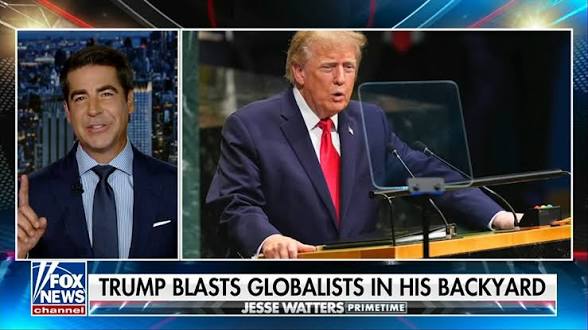
As reports of new strikes emerged, Trump publicly called on both Israel and Iran to cease military actions.
According to statements reported on June 8, Trump urged both sides to “immediately stop shooting” and emphasized the importance of preserving momentum toward a broader peace agreement.
Trump’s message reflected growing concerns within the U.S. administration that renewed fighting could undermine ongoing diplomatic efforts. He also reportedly communicated directly with Israeli leadership in an effort to prevent further retaliatory strikes.
The urgency of Trump’s appeal highlighted the fragile nature of the current situation and the difficulty of maintaining peace amid deep-rooted regional tensions.
Ceasefire Efforts Face Major Challenge
While discussions about an immediate ceasefire have continued, recent military actions demonstrate how fragile the process remains.
Trump stated that Israel and Iran appeared to be moving toward an immediate ceasefire and that negotiations were progressing. However, the renewed strikes created uncertainty regarding whether both sides were fully committed to de-escalation.
Several observers have pointed out that ceasefires often face their greatest test during the initial implementation phase. Miscommunication, isolated attacks, or political pressure can quickly reignite broader hostilities.
Diplomatic experts argue that sustained peace requires not only a formal agreement but also trust-building measures and ongoing communication channels between opposing parties.
Iran Signals Conditional Pause
One of the most significant developments came when Iranian military officials announced a halt to offensive operations against Israel.
Reports indicate that Iran temporarily suspended attacks following Trump’s public calls for restraint. However, Iranian officials also warned that any new attacks by Israel or its allies would trigger a strong response.
This conditional pause has been viewed by some analysts as a positive step toward de-escalation, while others caution that it falls short of a fully verified ceasefire agreement.
The distinction is important because a unilateral pause does not necessarily guarantee long-term stability. Military planners on both sides remain on high alert, and the possibility of renewed conflict continues to concern regional governments.
Israel’s Security Concerns Remain
Israeli officials have consistently maintained that national security remains their top priority.
Following missile launches from Iran and attacks involving regional proxy groups, Israeli leaders have argued that defensive and retaliatory measures are necessary to protect civilians and strategic infrastructure.
Recent reports suggest that Israeli military planners expect the possibility of continued hostilities despite international pressure for peace.
This security-focused approach creates a difficult environment for negotiators seeking a lasting settlement. While diplomatic talks continue, military leaders remain prepared for further escalation if they perceive ongoing threats.
Why The Middle East Is Watching Closely
The latest confrontation extends far beyond Israel and Iran.
Several countries across the Middle East have expressed concern about the possibility of a broader regional conflict. Any major escalation could affect shipping routes, energy supplies, economic stability, and international security.
The strategic importance of the region means that developments between Israel and Iran are closely monitored by governments worldwide.
Recent tensions have already affected transportation routes, military deployments, and diplomatic discussions throughout the region.
As a result, many international leaders have called for restraint and urged all parties to prioritize diplomacy.
Global Markets React To Uncertainty
Financial markets frequently respond to geopolitical instability, and the latest developments have been no exception.
Investors remain focused on several key questions:
- Will the ceasefire hold?
- Could military operations expand?
- Will energy supplies be disrupted?
- How will major powers respond?
Any prolonged conflict involving Iran could influence oil prices due to the country’s strategic location near critical energy shipping routes.
Market analysts note that uncertainty often drives volatility, particularly in commodities, defense sectors, and international shipping industries.
While markets have not experienced severe disruption so far, investors continue monitoring developments closely.
The Role Of Diplomacy
Diplomacy remains central to efforts aimed at preventing a wider conflict.
The United States has been heavily involved in encouraging negotiations and discouraging military escalation. Trump’s recent statements indicate that Washington continues to prioritize a diplomatic solution.
International mediators are reportedly working to preserve communication channels between all parties involved.
Experts emphasize that successful diplomacy often requires patience, compromise, and consistent engagement from multiple stakeholders.
Although progress can be slow, diplomatic efforts remain the most effective mechanism for preventing a broader regional war.
Challenges Facing A Permanent Agreement
Even if current ceasefire efforts succeed, significant challenges remain.
Among the major obstacles are:
Security Guarantees
Both sides seek assurances that future attacks will not occur.
Regional Alliances
Multiple regional actors influence the conflict, making negotiations more complex.
Political Pressures
Domestic political considerations can limit leaders’ flexibility during negotiations.
Military Calculations
Commanders must balance deterrence with de-escalation.
Public Opinion
Strong public emotions often shape government responses during periods of conflict.
These factors mean that achieving a lasting peace agreement will likely require sustained international engagement.
International Reactions
World leaders have generally welcomed efforts to reduce tensions while expressing concern about recent military activity.
Many governments view a stable ceasefire as essential for regional security and global economic stability.
International organizations have also encouraged all parties to avoid actions that could further inflame tensions.
The widespread diplomatic response reflects the seriousness of the situation and the potentially far-reaching consequences of renewed conflict.
What Happens Next?
The coming days may prove decisive.
Several scenarios remain possible:
Scenario 1: Ceasefire Holds
Diplomatic efforts succeed, military activity decreases, and negotiations continue.
Scenario 2: Limited Escalation
Isolated incidents occur, but both sides avoid a major conflict.
Scenario 3: Renewed Conflict
Additional strikes trigger broader military operations.
Scenario 4: Comprehensive Peace Talks
Current negotiations evolve into a more comprehensive framework addressing long-term security concerns.
Most analysts believe the immediate priority remains preventing further military exchanges while creating conditions for meaningful negotiations.
Conclusion
Trump’s urgent demand for Iran and Israel to stop fighting underscores the fragile state of current ceasefire efforts. Overnight strikes have demonstrated how quickly tensions can resurface, even when diplomatic progress appears promising.
While reports indicate movement toward an immediate ceasefire and Iran has announced a halt to offensive operations, uncertainty remains high. The coming days will likely determine whether diplomacy can overcome longstanding mistrust and prevent another dangerous escalation.
For now, the world continues to watch closely as leaders attempt to preserve peace and avoid a broader regional crisis.
FAQs
What did Trump say about Iran and Israel?
Trump called on both Iran and Israel to immediately stop military operations and support ongoing ceasefire negotiations.
Did Iran agree to a ceasefire?
Iran announced a halt to offensive military operations but warned it would respond if attacked again, making the situation conditional rather than fully resolved.
Why are overnight strikes significant?
The strikes threatened to undermine ongoing diplomatic efforts and raised concerns about a broader regional conflict.
Is a permanent peace agreement likely?
Negotiations continue, but significant challenges remain, including security concerns, political pressures, and regional complexities.
How could the conflict affect the global economy?
Escalating tensions could impact oil markets, shipping routes, investment confidence, and broader economic stability, particularly if military operations expand.
How useful was this post?
Click on a star to rate it!
Average rating 0 / 5. Vote count: 0
No votes so far! Be the first to rate this post.
About the Author

usa5911.com
Administrator
Hi, I’m Gurdeep Singh, a professional content writer from India with over 3 years of experience in the field. I specialize in covering U.S. politics, delivering timely and engaging content tailored specifically for an American audience. Along with my dedicated team, we track and report on all the latest political trends, news, and in-depth analysis shaping the United States today. Our goal is to provide clear, factual, and compelling content that keeps readers informed and engaged with the ever-changing political landscape.